Tech Economics
Hiring a Second Engineer Won't Make You Twice as Fast
The math on engineering headcount looks simple until you account for coordination. The real cost of a new hire isn't salary — it's what they do to everyone else.

Marcus Webb covers Big Tech strategy and platform economics. A veteran technology journalist with over 15 years of experience, Marcus specializes in explaining the competitive dynamics and strategic thinking behind the moves of the world's largest technology companies.
The math on engineering headcount looks simple until you account for coordination. The real cost of a new hire isn't salary — it's what they do to everyone else.

A compiler isn't a translator. It's a series of aggressive transformations that often produce code bearing little resemblance to what you wrote.

Sticker price is the least important number in a cloud procurement decision. The real costs hide in egress fees, migration lock-in, and the engineering hours nobody budgets for.
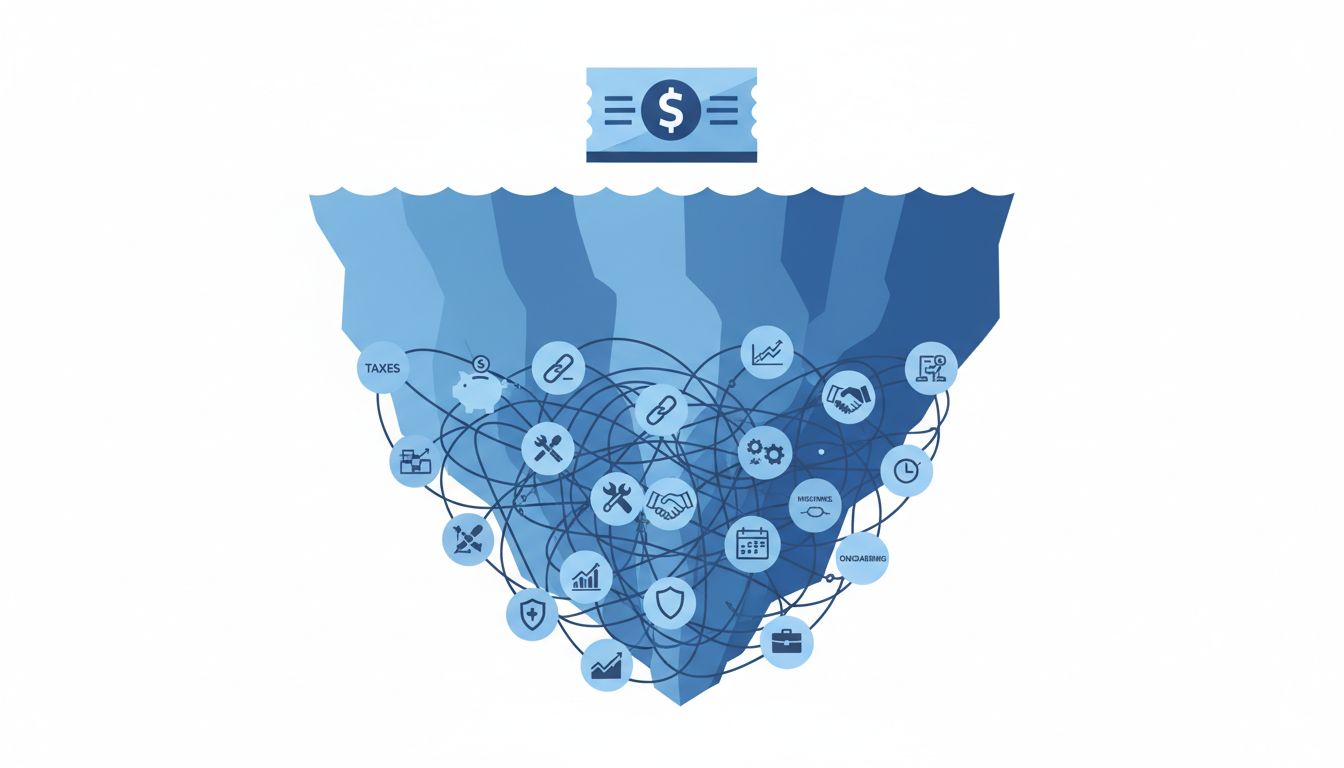
Companies routinely underestimate engineer costs by 40-60%. The salary is visible. The rest is a blind spot that compounds over time.

Staging environments create a dangerous illusion of safety. The gap between staging and production isn't a tooling problem — it's a structural one.

One boilerplate contract clause routinely caps vendor liability at a year's subscription fees. Buyers rarely notice until something catastrophic happens.

Writing new code is glamorous. Keeping old code alive is where the real money goes. Here's the economics behind that gap.

Dropping a column feels like cleanup. In practice, it's one of the easiest ways to take down a production system.

Every distributed system makes promises it can't keep. Understanding why is the difference between building systems that fail gracefully and ones that fail catastrophically.
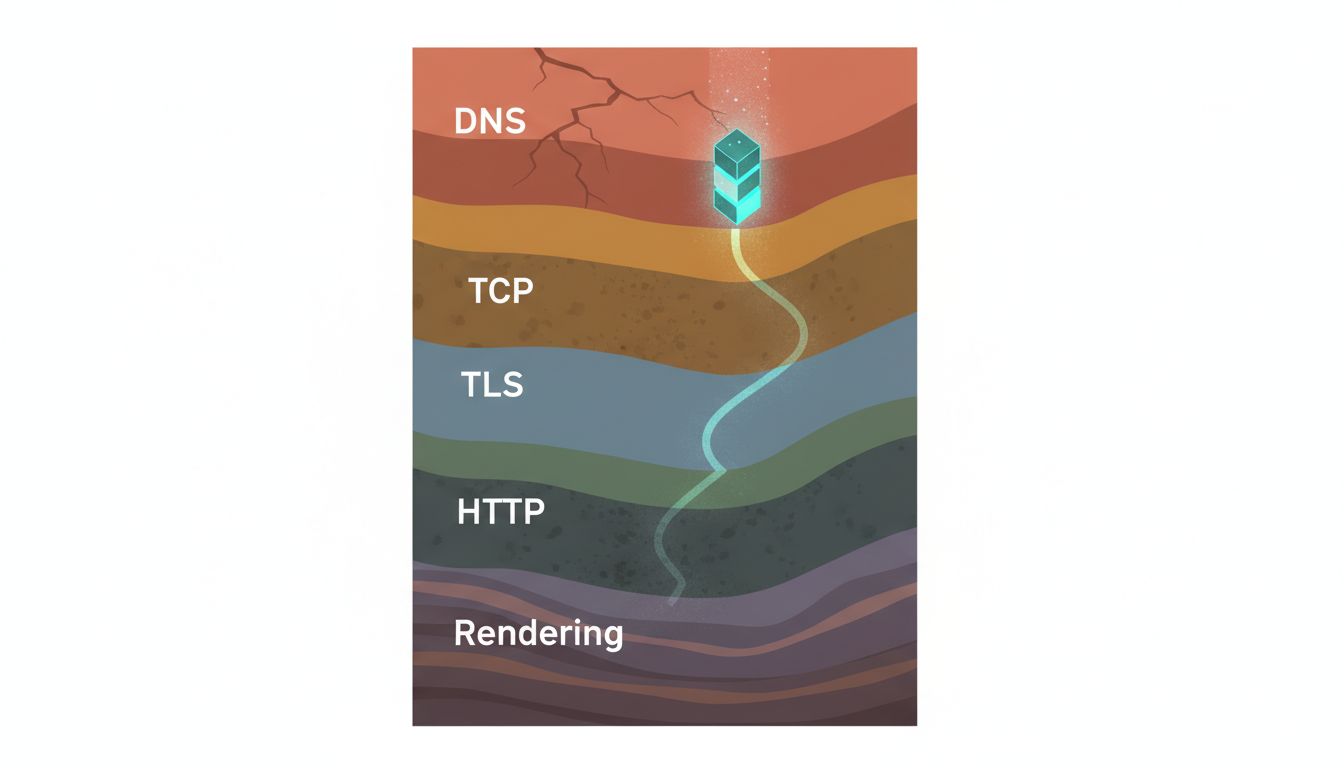
A single URL request touches dozens of systems before your browser renders anything. Here's what actually happens, and why any one of those steps can quietly break everything.

A product generating real revenue can still be a net drain on the company. Understanding why requires rethinking what 'cost' means in software.

Tony Hoare called null his billion-dollar mistake. Six decades later, we're still paying the bill. Here's why the fix never stuck.

Most breaches don't break the cipher. They steal the key. The security industry spent decades perfecting the lock and almost no time on who holds the keys.

The math on engineering talent is almost always done wrong. Salary is the least important number in the equation.

You write instructions for humans. The compiler rewrites them for machines. What happens in between is more interesting than most programmers realize.
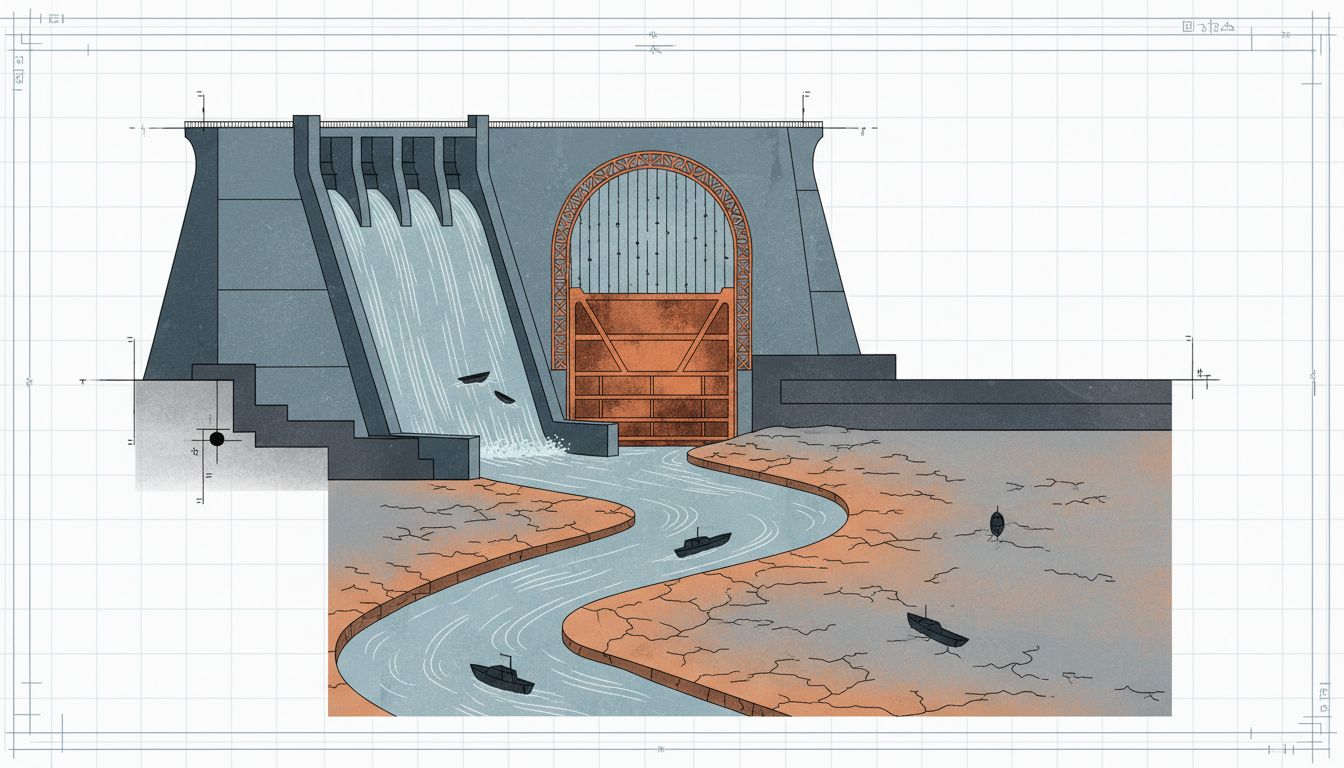
When a venture fund stops deploying capital, its portfolio companies don't just lose a backer. They enter a slow-motion crisis most founders never see coming.

A dormant app isn't free to own. The ongoing costs of keeping one alive are real, largely invisible, and almost never factored into shutdown decisions.
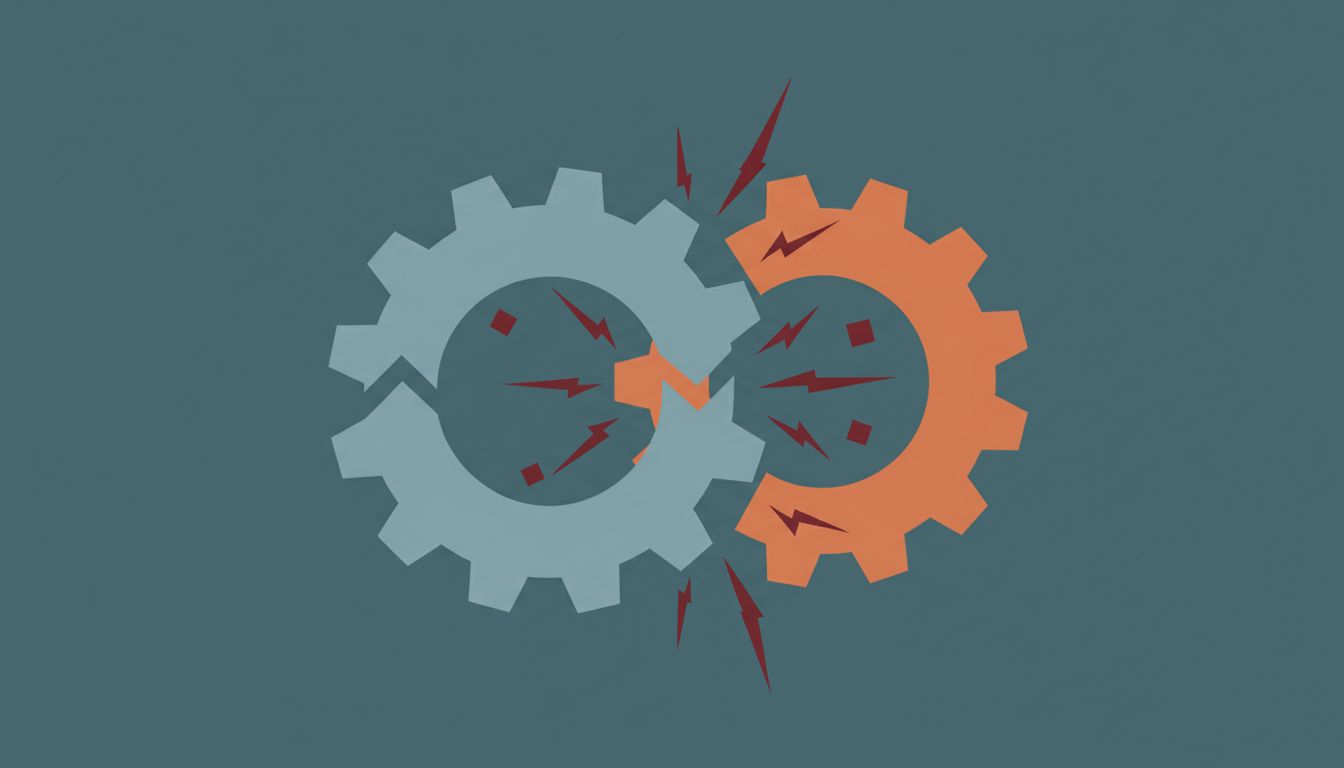
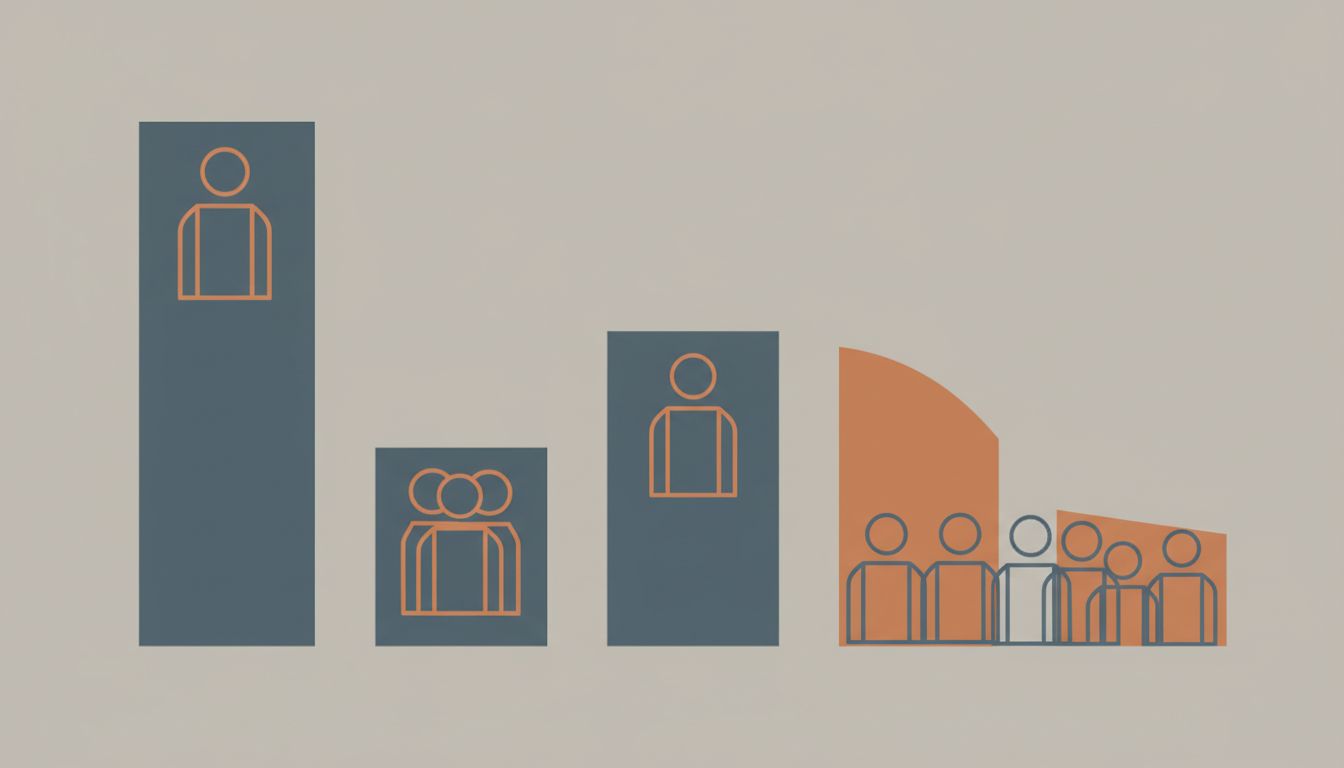
Adding a second engineer feels like doubling your output. It usually isn't. Here's the friction you don't see coming.
Join thousands of readers who get our weekly breakdown of the most important stories in technology.
Free forever. Unsubscribe anytime.