Technology
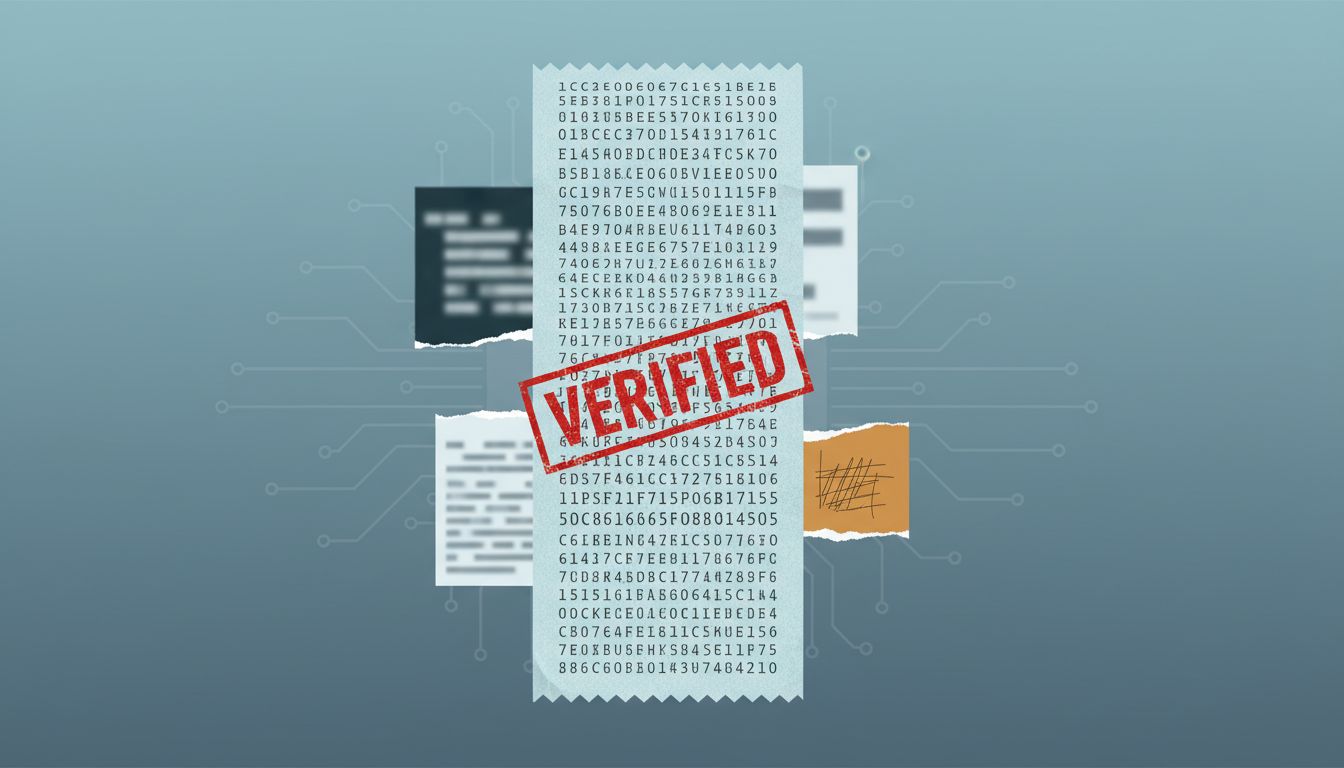
The Checksum That Proves Your File Was Already Corrupt
Checksums don't protect you from bad downloads. They prove the bad download happened somewhere else first. That distinction matters more than most people realize.

Marcus Webb covers Big Tech strategy and platform economics. A veteran technology journalist with over 15 years of experience, Marcus specializes in explaining the competitive dynamics and strategic thinking behind the moves of the world's largest technology companies.
Checksums don't protect you from bad downloads. They prove the bad download happened somewhere else first. That distinction matters more than most people realize.

A database query takes milliseconds. Your thread might be doing absolutely nothing for all of them. That's a choice, and it's often the wrong one.

Being first sounds like an advantage. In practice, it mostly means paying for everyone else's education.

AWS, Azure, and Google Cloud don't compete on price. They compete on making price comparison so difficult that you stop trying.
Salary is a line item. The actual cost of an engineer is what happens when you get the decision wrong in either direction.

Power law math means a single outlier company can return an entire fund. The uncomfortable truth is that outlier is usually the one the partnership debated cutting.

Open source maintainers collectively produce software worth hundreds of billions of dollars. The vast majority earn nothing for it. That's not sustainable, and the industry knows it.

Free and open-source software built the internet, runs your cloud, and powers most of the world's most valuable companies. It just wasn't designed to capture any of that value.

Virtual machines work by convincing software it owns hardware it has never touched. The trick is older, stranger, and more consequential than most engineers realize.

The software powering global finance, healthcare, and AI runs on open source code maintained by volunteers. The economics of this arrangement are quietly breaking down.

Jeff Dean's famous latency cheat sheet shaped a generation of architecture decisions. The hardware it described no longer exists.

Picking the mid-range cloud tier feels prudent. In practice, it combines the worst cost properties of both ends of the pricing ladder.
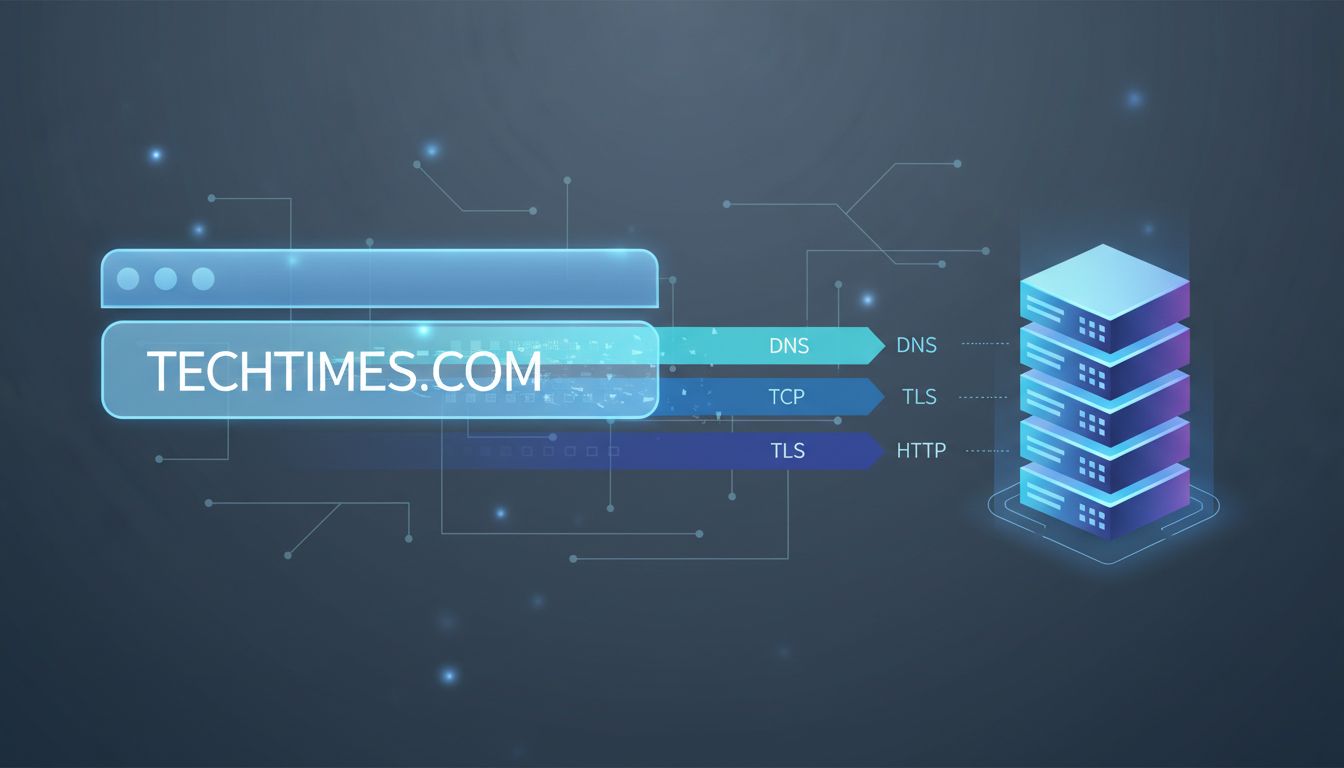
Typing a URL triggers a cascade of protocols, lookups, and negotiations most developers never think about. Here's what's actually happening beneath the surface.

You click a link and a page appears. Here's the full, surprisingly complex chain of events that makes it feel instantaneous.

The logic of picking a mid-tier cloud option seems sound. The math usually isn't. Here's why the gap between sticker price and actual cost is widest right in the middle.
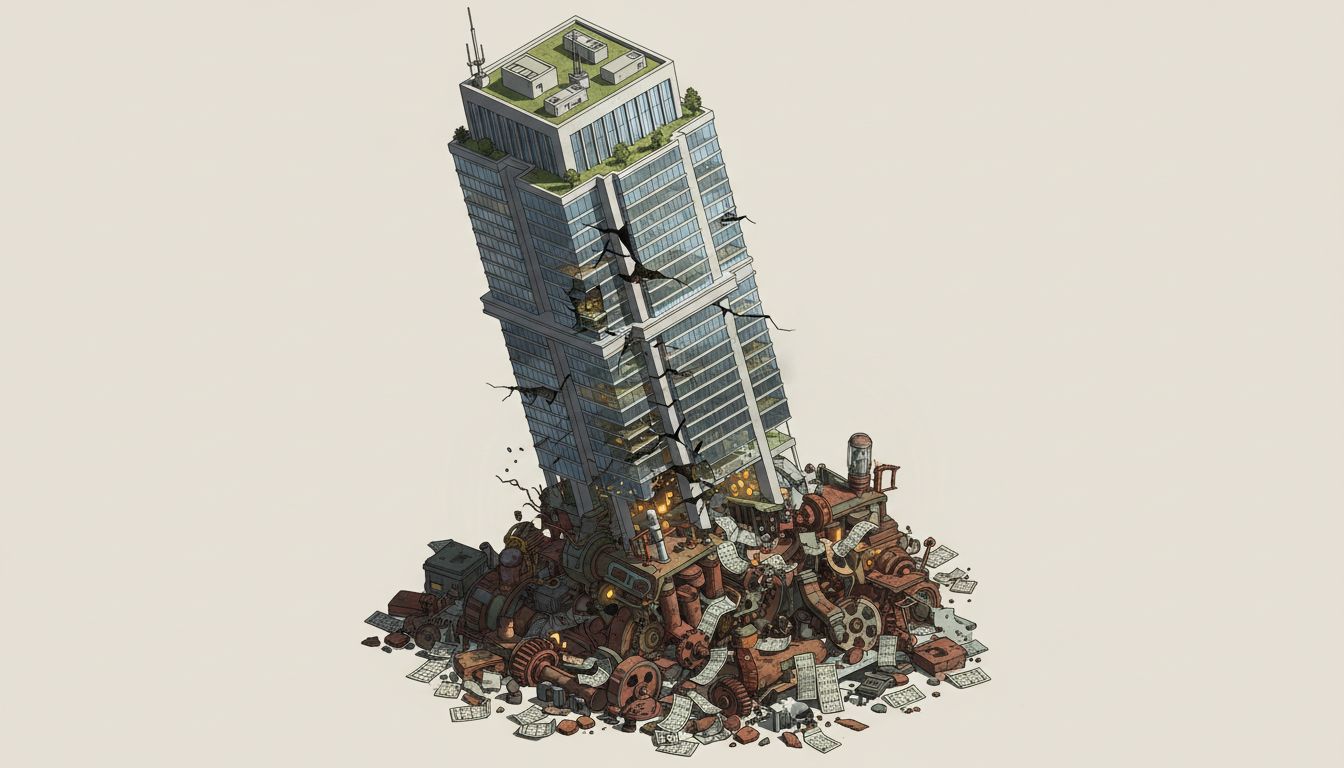
Legacy systems don't announce their cost. They accumulate it quietly, line by line, until maintenance owns your engineering budget.

The 10x engineer is real. The assumption that they make teams faster is not. Here's what actually happens when you bring one in.

Collaborative editing sounds simple until two people change the same line at the same time. The solution built into Google Docs reshaped how we think about data integrity.
Join thousands of readers who get our weekly breakdown of the most important stories in technology.
Free forever. Unsubscribe anytime.