
Technology
BGP Was Never Designed to Run the Internet
The protocol that routes traffic across the entire internet was invented over lunch on napkins. It shows.

Marcus Webb covers Big Tech strategy and platform economics. A veteran technology journalist with over 15 years of experience, Marcus specializes in explaining the competitive dynamics and strategic thinking behind the moves of the world's largest technology companies.
The protocol that routes traffic across the entire internet was invented over lunch on napkins. It shows.
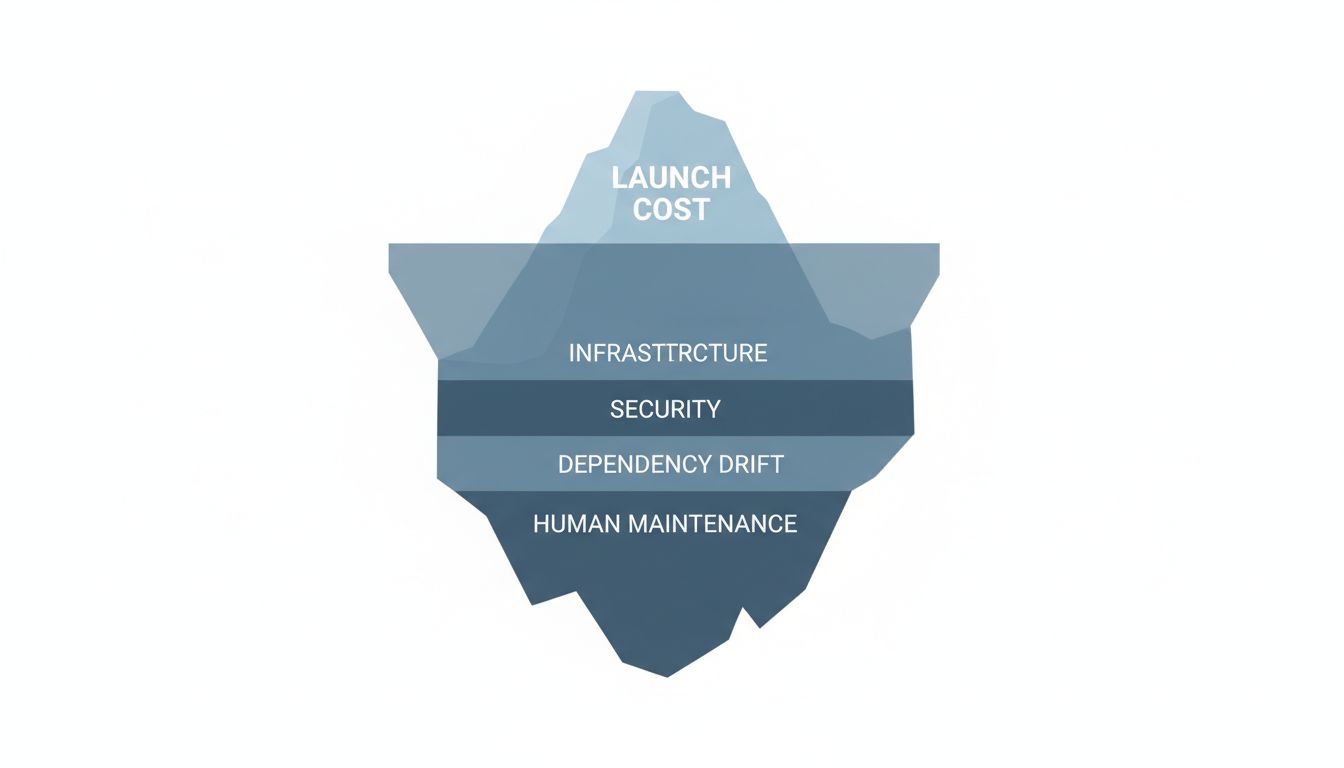
Shipping is the beginning of the expense, not the end. Most founders budget for launch and forget to budget for survival.

Being first gets you credit. Being second gets you customers. Here's why the pioneer rarely collects the prize.

End-to-end encryption is real and important. But most people misunderstand what it actually protects, and the gaps are where the danger lives.

GCC's development history reveals why compilers are not translators. They are aggressive optimizers that routinely rewrite your logic before it runs.

Cutting your AWS bill feels like discipline. For a mid-sized SaaS company, it turned into the most expensive decision they made all year.

First movers get the glory in startup mythology. Second movers get the market share. Here's why the pattern holds, and what it means for founders.

Tony Hoare called null his billion-dollar mistake in 2009. Sixty years later, the industry knows better and keeps doing it anyway.
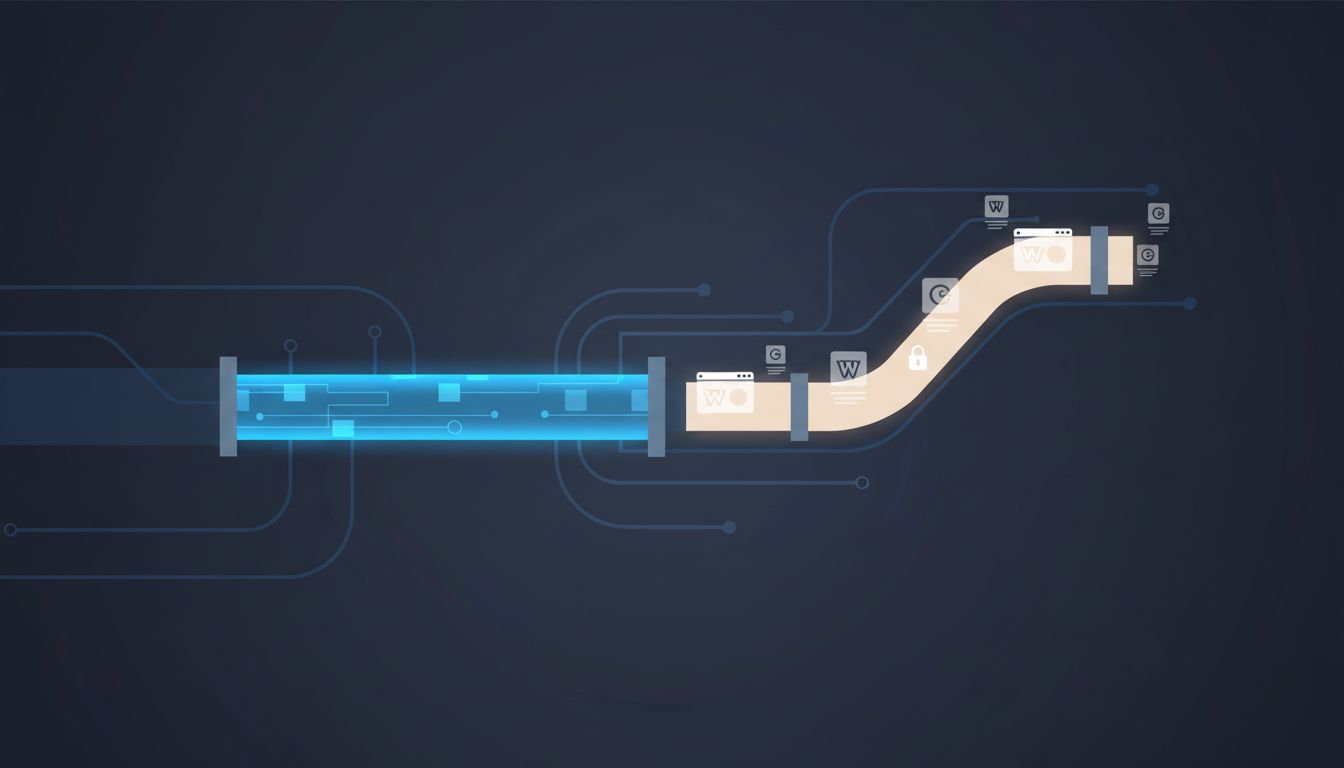
A VPN encrypts your traffic but leaves one critical channel exposed. Your DNS resolver has been quietly building a profile of everything you do online.

The trade-off between latency and throughput is real but routinely misunderstood. Most systems aren't hitting the constraint developers think they are.

A record-breaking quarter can quietly become a company's biggest obstacle. Here's the mechanism, told through Basecamp's growth story.

The story of Ethernet's collision problem, how CSMA/CD solved it, and why the solution matters more than the problem ever did.
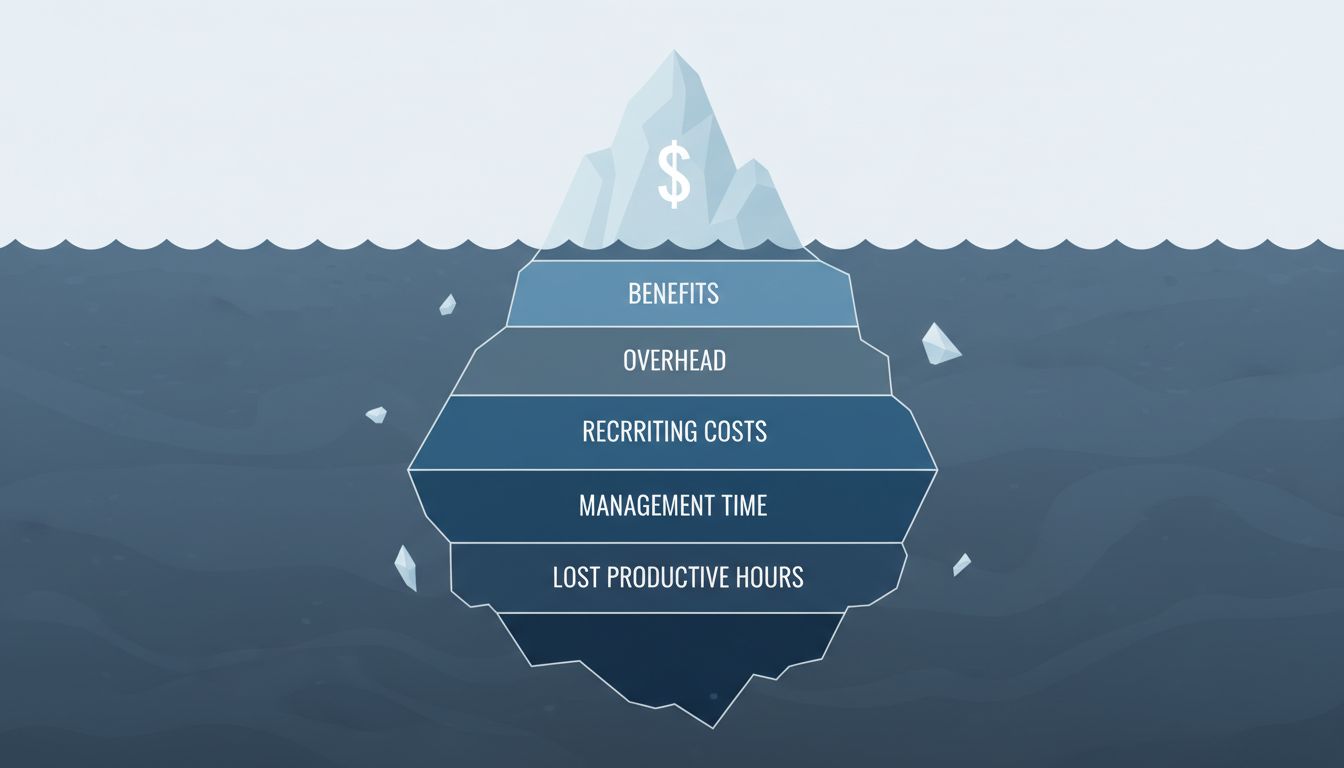
Salary is the starting point, not the answer. The true cost of a developer hour includes a long list of line items most engineering managers never total up.

Lines of code is the worst metric in software economics. Here's what actually predicts whether an engineer makes your team faster or slower.

Your compiler doesn't just translate code into machine instructions. It rewrites your program, often substantially, before a single instruction runs.

The famous table of hardware latency numbers circulating in engineering culture was calibrated for 2012 hardware. The gaps have widened significantly since.

Time seems like the simplest thing a computer tracks. Google Spanner showed why it's actually the hardest, and what it took to get it right.

Counterintuitive but consistent: higher API prices often attract more serious buyers, reduce support burden, and improve retention. Here's the mechanism behind each.
Join thousands of readers who get our weekly breakdown of the most important stories in technology.
Free forever. Unsubscribe anytime.