Read Replicas Look Like Free Performance. They Are Not Free.
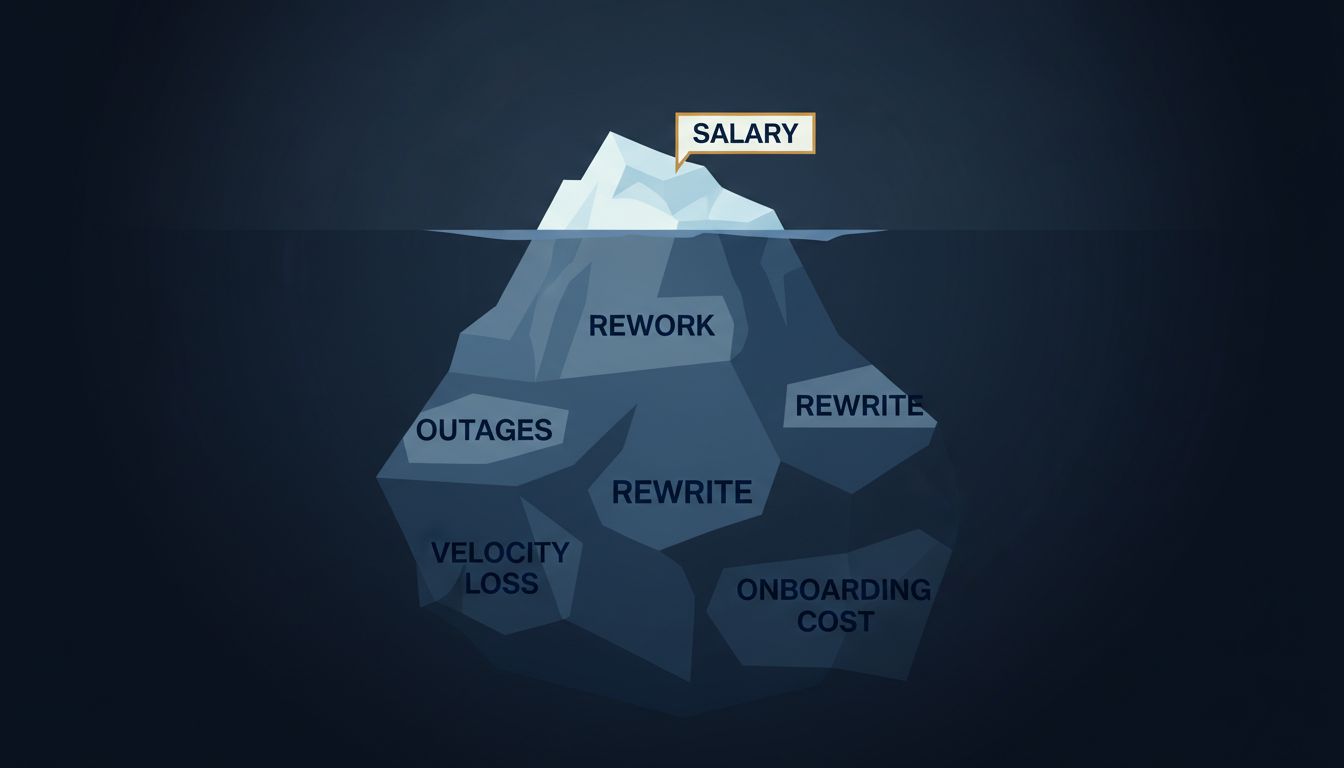
Read replicas promise to speed up your database without touching the primary. The hidden cost is consistency, and most teams don't find out until something breaks.
Marcus Webb covers Big Tech strategy and platform economics. A veteran technology journalist with over 15 years of experience, Marcus specializes in explaining the competitive dynamics and strategic thinking behind the moves of the world's largest technology companies.
Read replicas promise to speed up your database without touching the primary. The hidden cost is consistency, and most teams don't find out until something breaks.
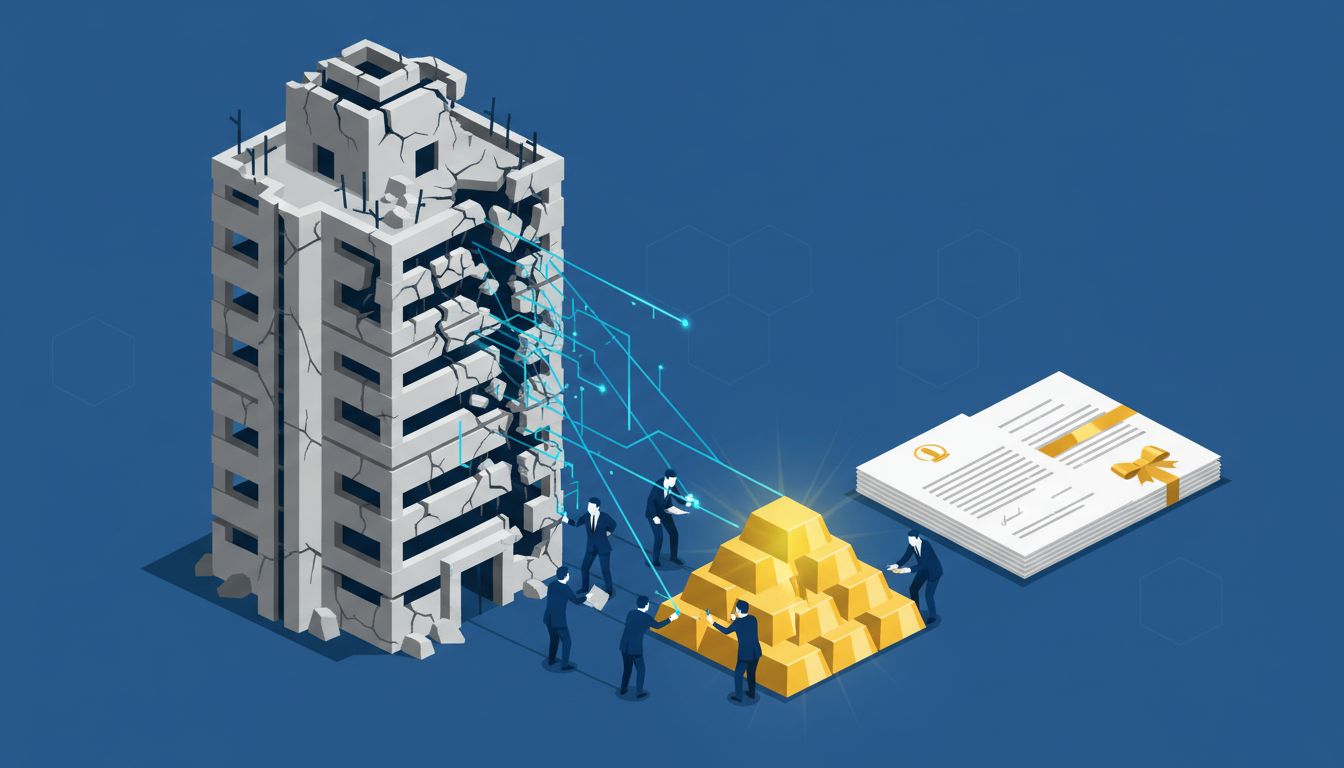
The Nortel patent auction wasn't a sad footnote to a corporate collapse. It was the business model working exactly as intended.
How Meta's 'Year of Efficiency' became a masterclass in what tech companies actually optimized during the hiring boom — and what they were hiding.
The middle tier exists to make the top tier feel reasonable. The bottom tier exists to make you feel like you have a choice.
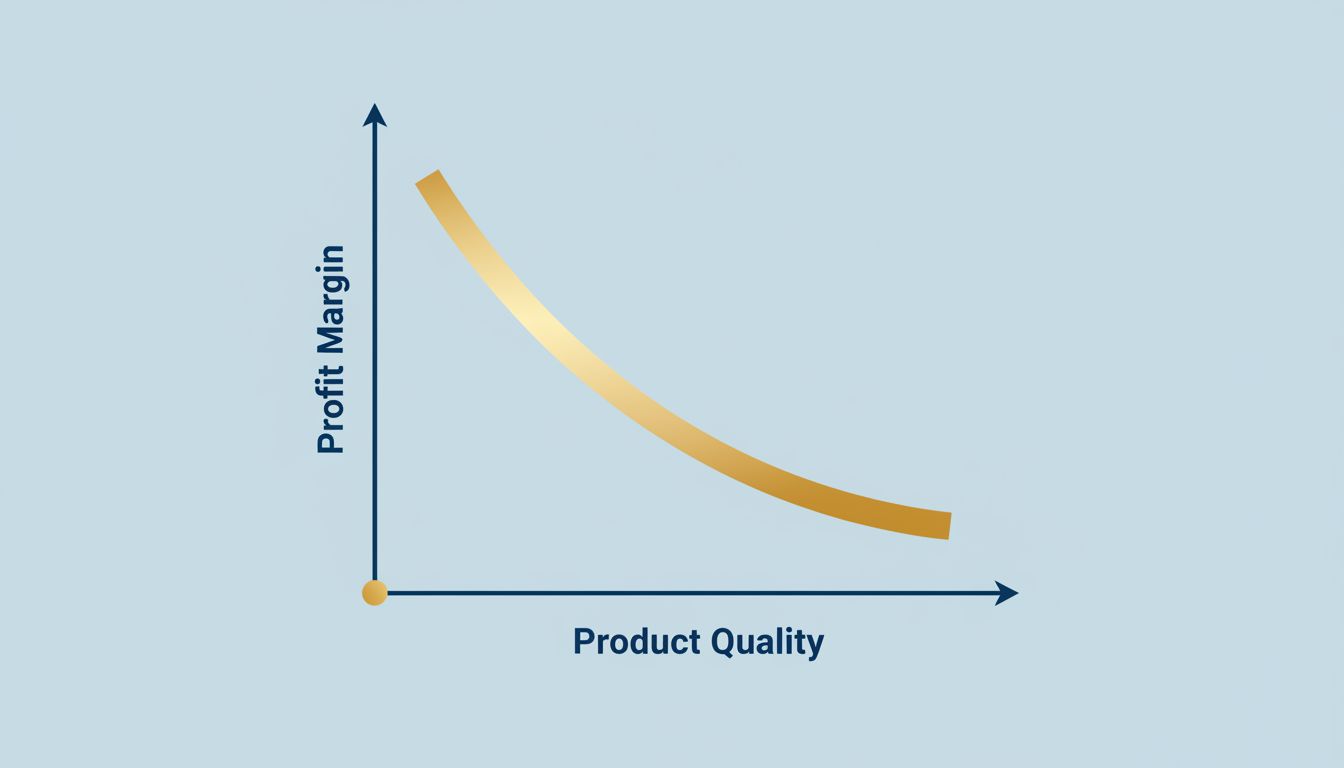
Tech's biggest companies don't maximize profit on their best products. They extract it from their worst ones. Here's the structural reason why.
The middle option on a pricing page isn't a compromise. It's a trap built on decades of behavioral research.
When Google buys a startup or Meta acquires a social app, the official story is speed-to-market. The real story is control over what never gets built.
Feature creep is not a growth strategy. The apps that dominate their categories do so by reducing the core interaction to its irreducible minimum.
That powerful privacy control buried four menus deep isn't hard to find by accident. It's hard to find on purpose.
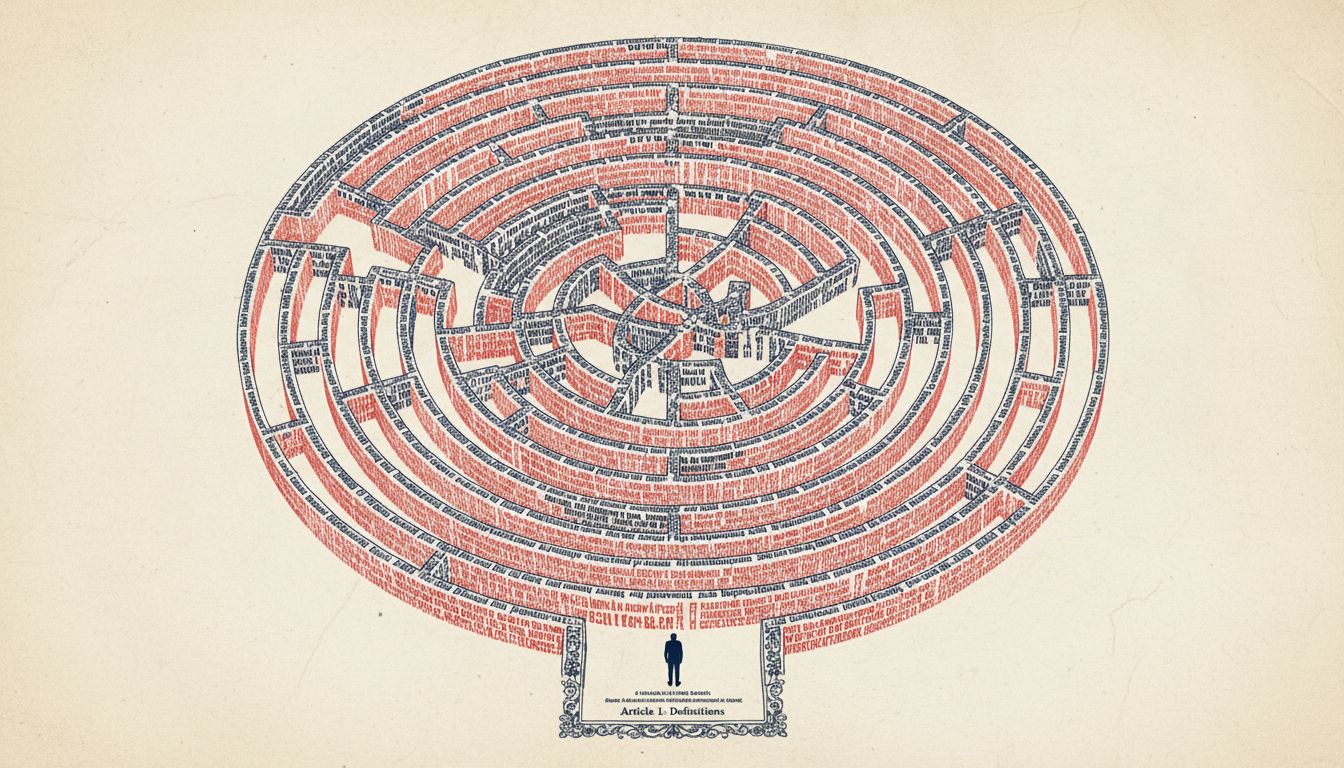
The labyrinthine exit clauses in enterprise software deals aren't bad legal writing. They're the product.
The real reason tech companies hide powerful features isn't bad UX. It's a business model decision dressed up as a design decision.
VC funds aren't built on picking winners. They're built on a structure where one win can mathematically erase every loss.
The first-day surge in tech IPOs looks like a market inefficiency. It's actually a feature, carefully engineered by the people setting the price.
The paradox of big tech fighting its own regulations makes sense once you understand who those rules actually hurt.
Planned obsolescence looks like waste. It's actually a capital allocation strategy that most users never see coming.
The wealth gap between employee #10 and employee #500 at a tech IPO isn't an accident. It's baked into the structure from day one.
When Big Tech calls for regulation, they usually mean their regulation. The support is real. So is the sabotage.
The story tech companies tell about dark mode is about comfort and battery life. The real story is about competitive signaling and design authority.
Join thousands of readers who get our weekly breakdown of the most important stories in technology.
Free forever. Unsubscribe anytime.