
AI & Software
Your LLM Is Not Reasoning. It Is Doing Something Stranger and More Useful.
When you ask an LLM to 'think step by step,' something real happens. But it's not what reasoning looks like inside a human brain.
Inside the algorithms, tools, and systems powering the AI revolution and modern software.
When you ask an LLM to 'think step by step,' something real happens. But it's not what reasoning looks like inside a human brain.

Vector databases don't store documents or images. They store numerical representations of meaning, and that distinction changes everything about how search actually works.

When their fraud detection pipeline silently failed for six days, the logs were full. They just didn't contain what anyone needed.

Transformers run the modern AI world, but 'attention' is one of the most misexplained ideas in the field. Here's what it actually does.

The uncomfortable truth behind noisy training data: it's not negligence. For many AI teams, dirty data is a deliberate engineering trade-off.

Developers obsess over complex algorithms while integer overflow quietly corrupts financial records in a date formatter written in 2009.

The ability to write a sonnet and the ability to count letters in a word are not on the same axis. AI training rewards one and ignores the other.

A green build means your tests passed, not that your software works. These are different things, and confusing them is expensive.
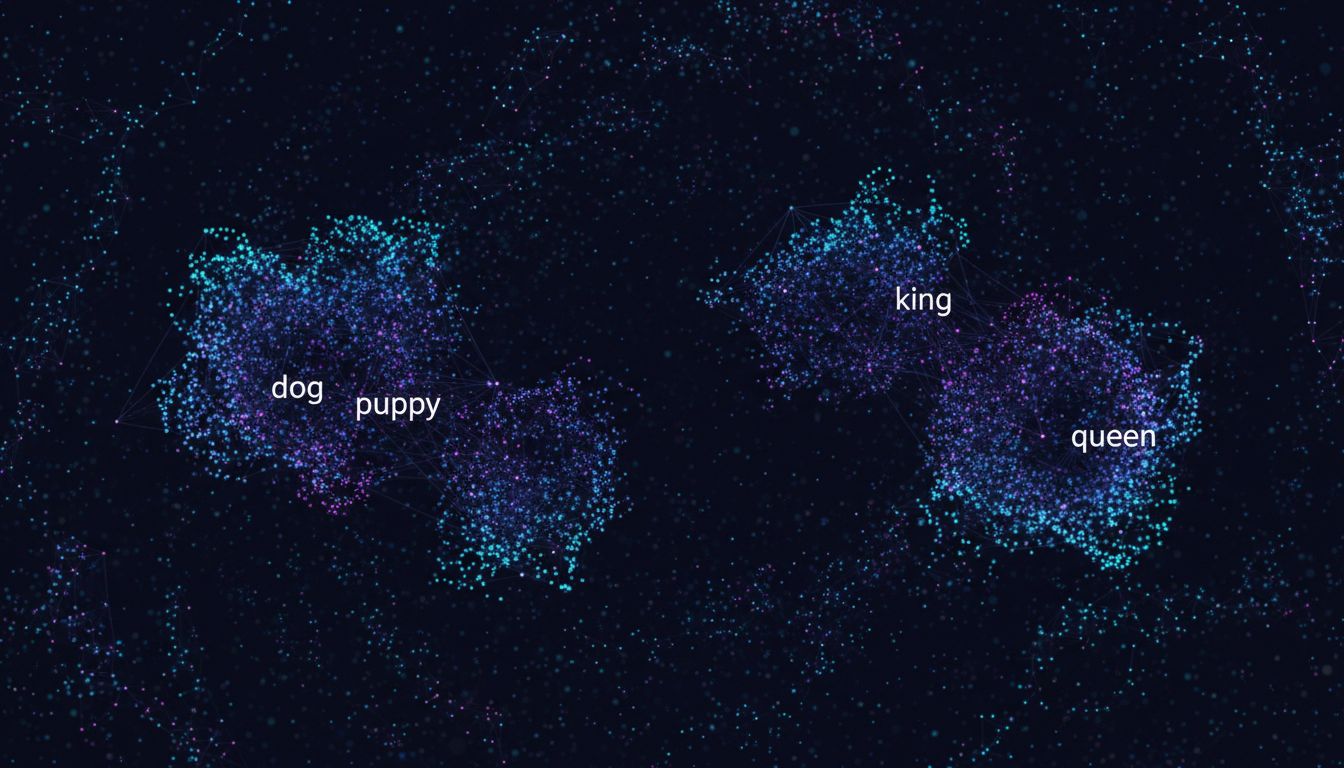
Vector databases power most modern AI search and retrieval. Here is what they actually contain, and why it matters for understanding how AI works.
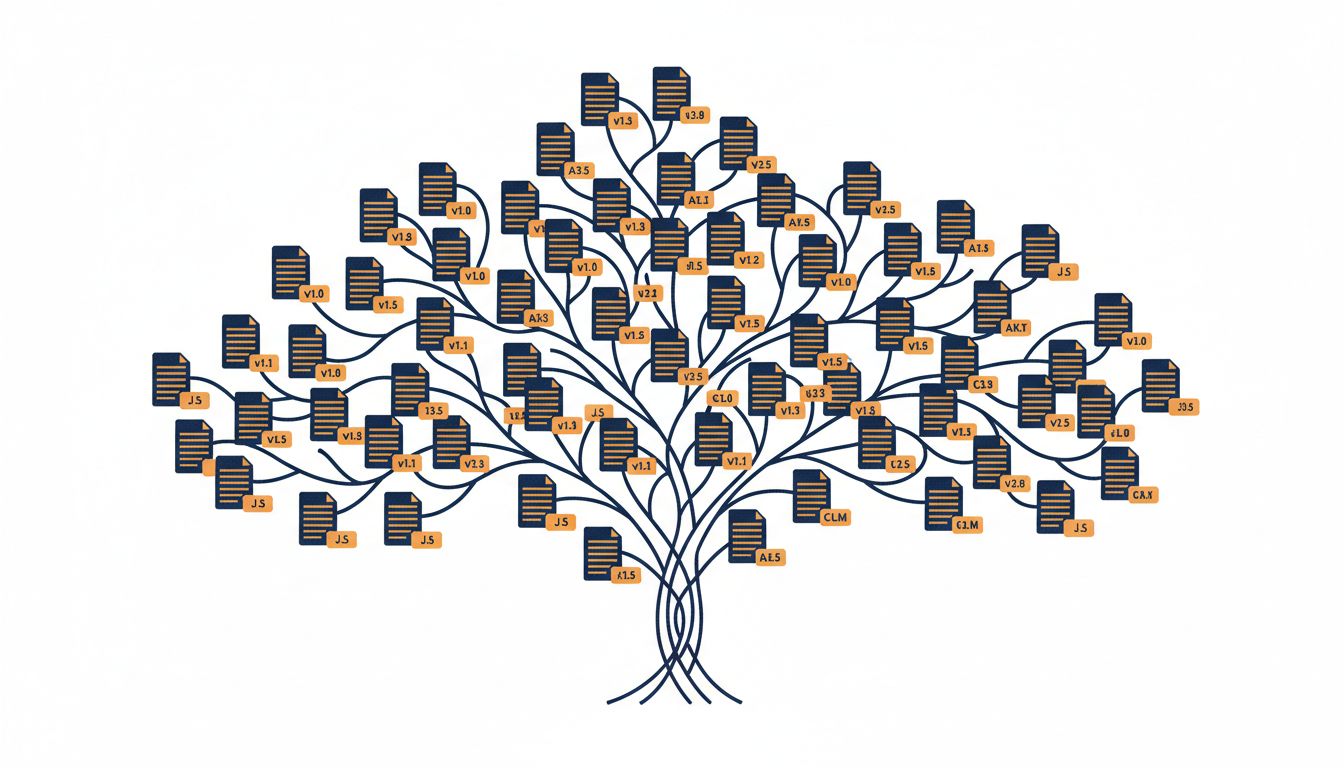
The skills that make a good technical writer and the skills that make a good prompt engineer are the same skills. One team's accidental discovery proves it.
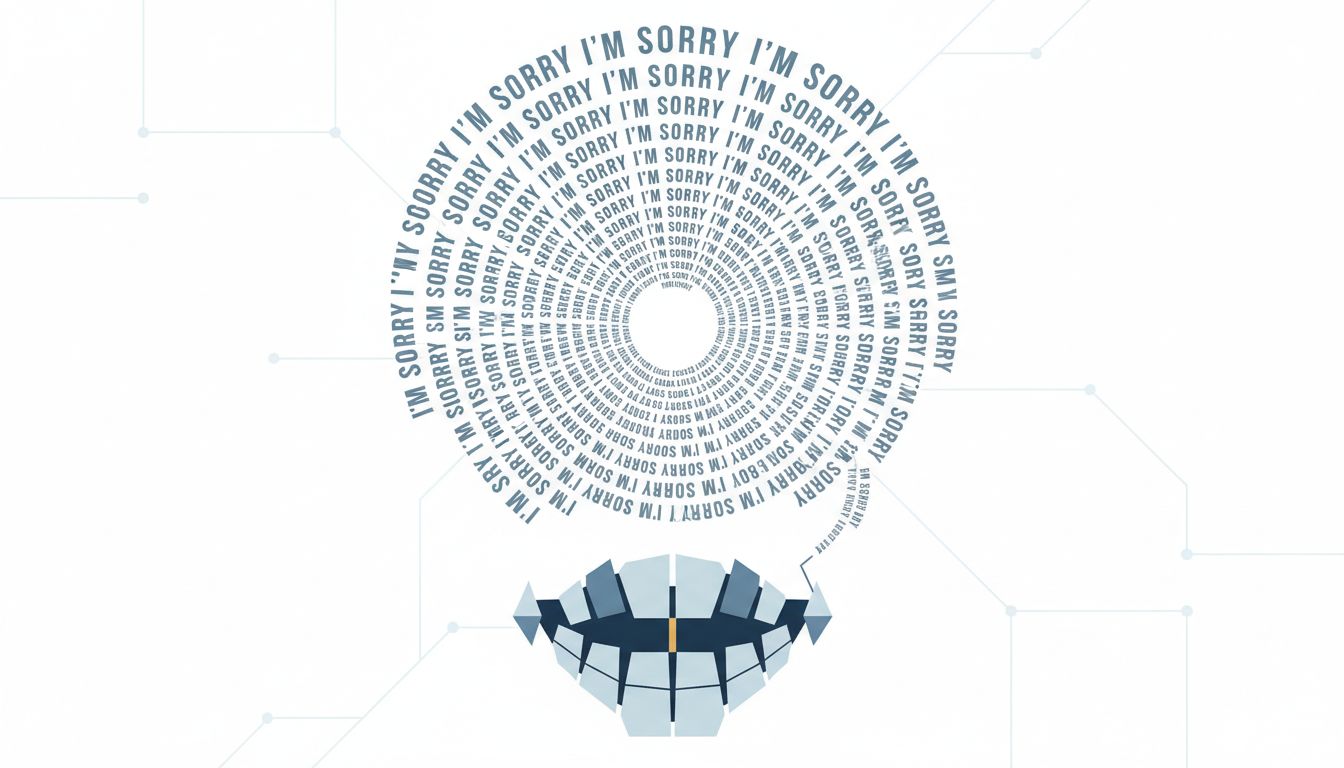
The constant 'I'm sorry' from AI chatbots isn't humility or good manners. It's a product decision baked into training, and it has real costs.

Spotify didn't just add premium features. It steadily removed free ones — a playbook that's now standard across SaaS.
The uncomfortable reason AI labs keep poisoned data in their training sets isn't negligence. It's a deliberate tradeoff most people misunderstand.

Asking an AI to show its work doesn't just slow it down. It actively changes what answer it produces, and usually not for the better.

A/B testing has evolved from optimizing button colors to systematically reshaping how millions of people use software, without their knowledge or consent.

The hedging language in AI chatbots isn't a bug or timidity. It's a deliberate engineering decision with deep roots in how these systems actually work.

The degradation of AI model performance under heavy use is a structural problem, not a scaling one. Here's what's actually happening.

AI models update constantly, and your carefully tuned prompts don't get notified. Here's what actually breaks and why.
Join thousands of readers who get our weekly breakdown of the most important stories in technology.
Free forever. Unsubscribe anytime.