Digital Productivity
The Damage From a Notification Starts Before You Ever Look At It
A notification doesn't interrupt you when you read it. It interrupts you the moment your brain detects it's there. Here's what's actually happening.
Tools, workflows, and strategies for getting more done with technology.
A notification doesn't interrupt you when you read it. It interrupts you the moment your brain detects it's there. Here's what's actually happening.
A product team at Basecamp accidentally ran a controlled experiment on meeting culture. The results were uncomfortable for everyone who attended.
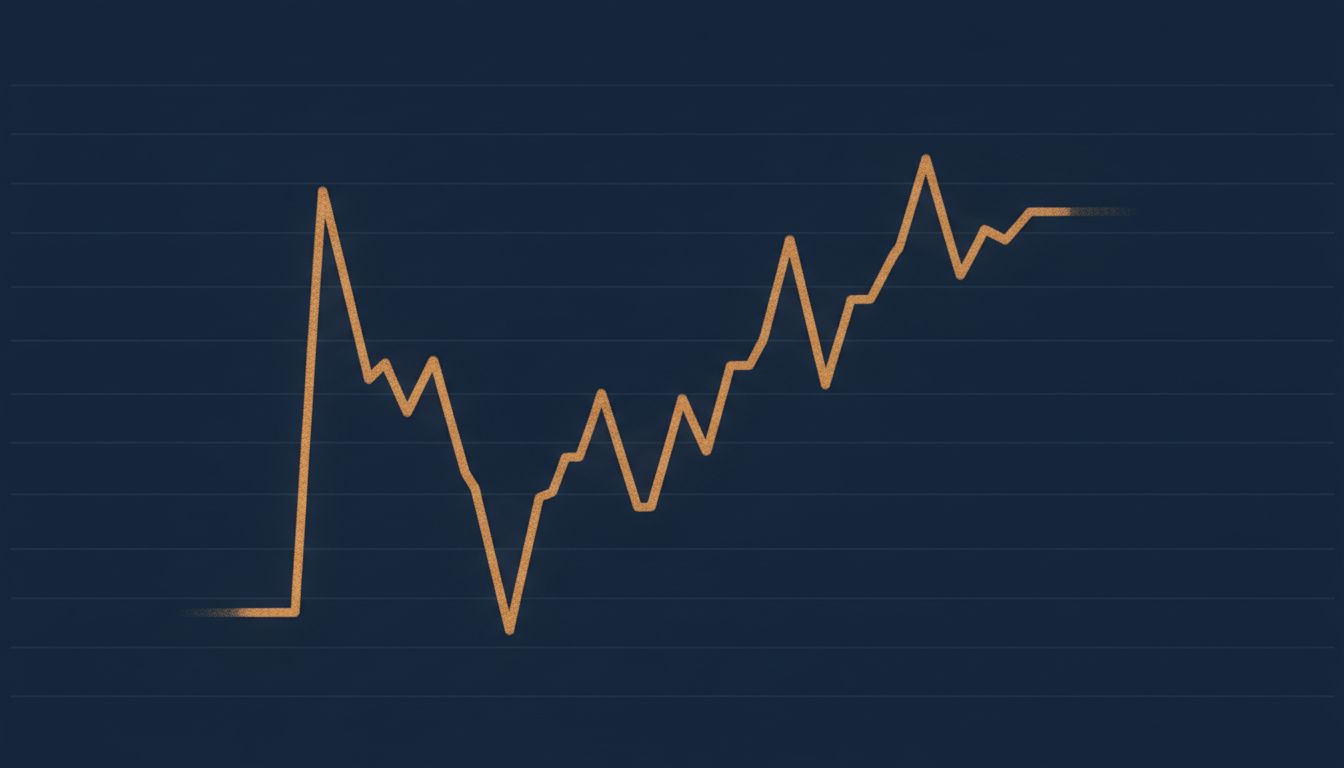
A software team cut notifications by 80% and got worse. The problem was never the interruption. It was what happened in the 23 minutes after.
A mid-sized consultancy tracked where its knowledge workers actually lost time. The answer wasn't meetings or multitasking. It was refinding things they'd already found.
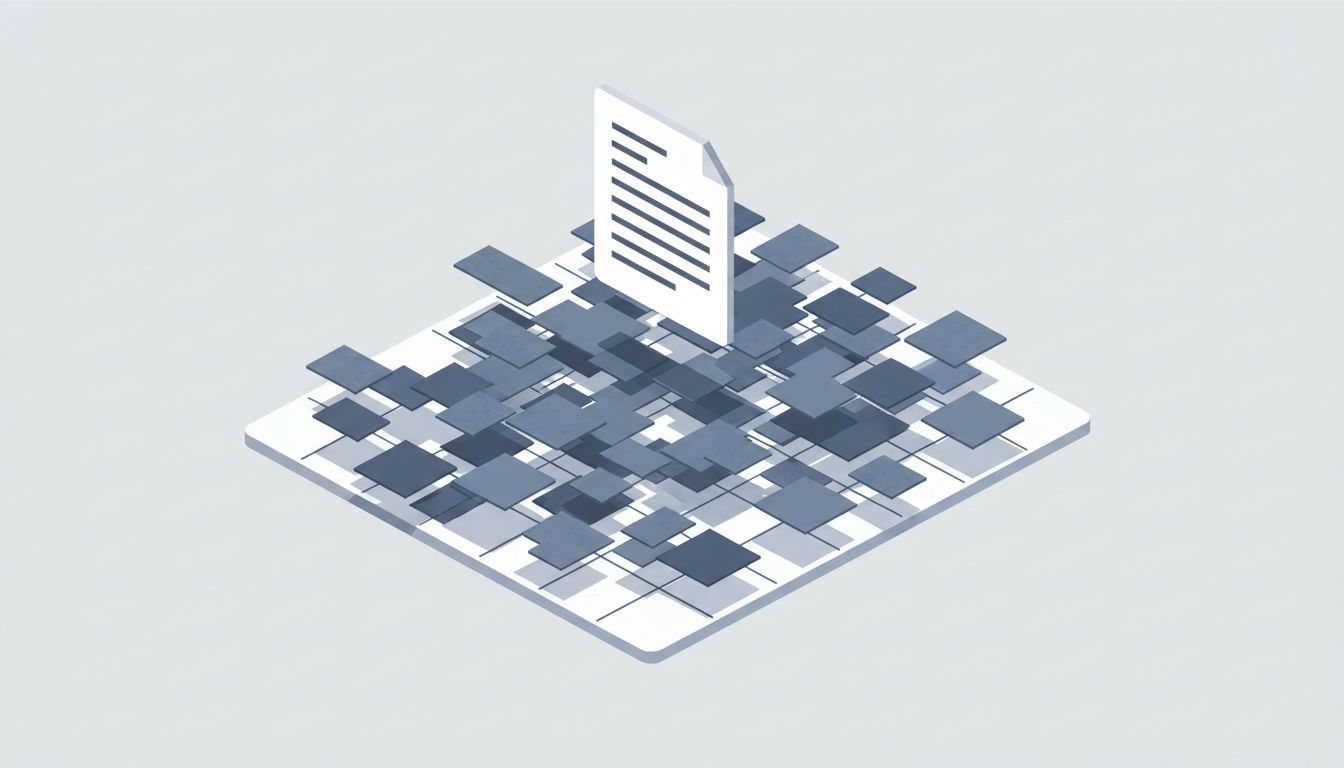
The meeting-vs-document problem isn't a calendar issue. It's a thinking issue, and the meeting is how you avoid doing the hard part.
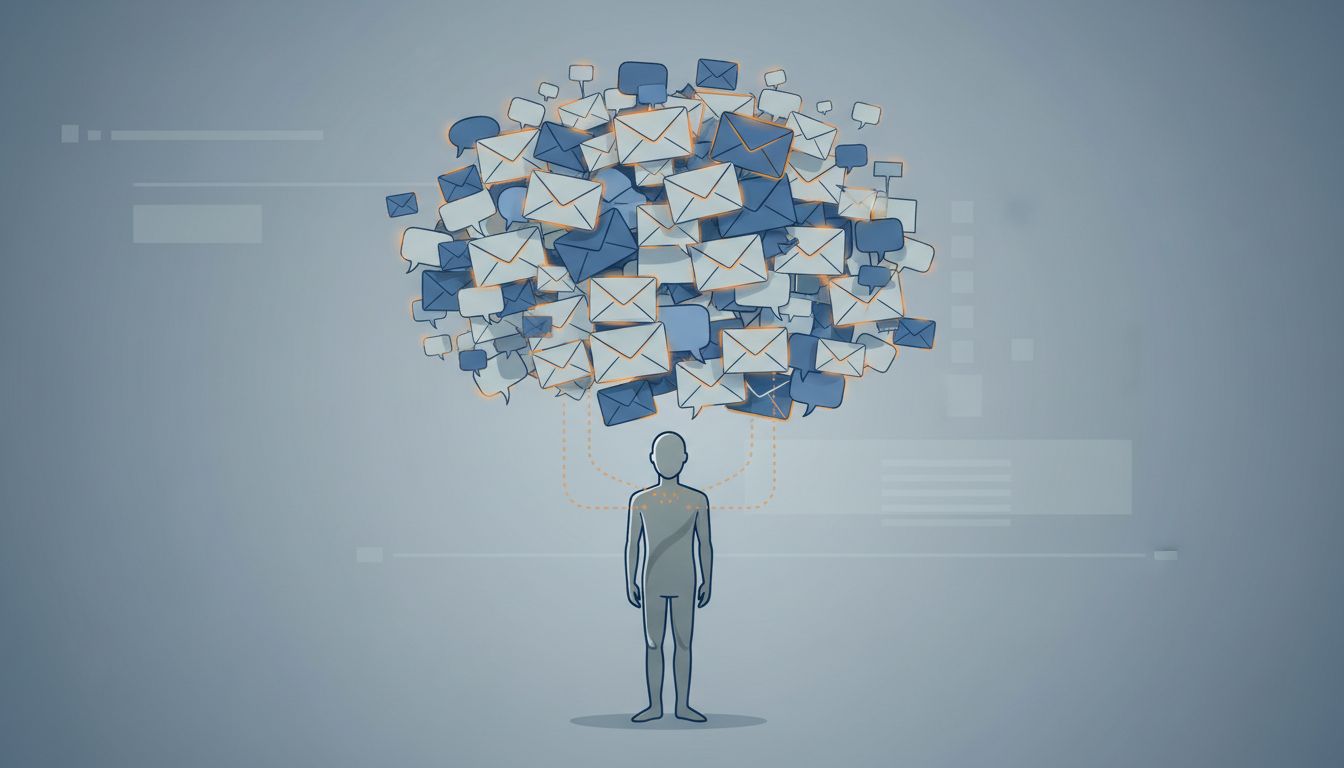
We moved from meetings to messages to escape constant interruption. We got constant interruption with worse context and higher latency.
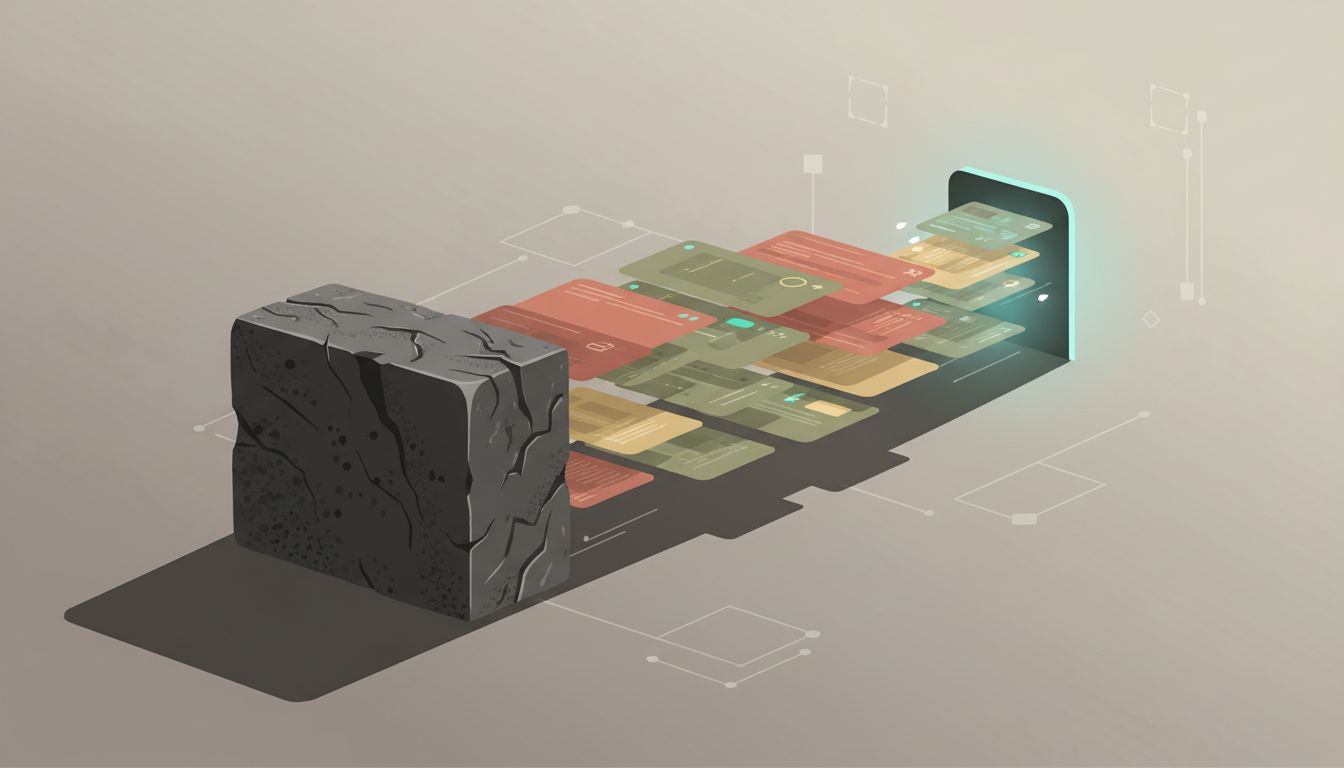
The tasks you avoid longest aren't random. There's a pattern, and understanding it is more useful than any productivity system.
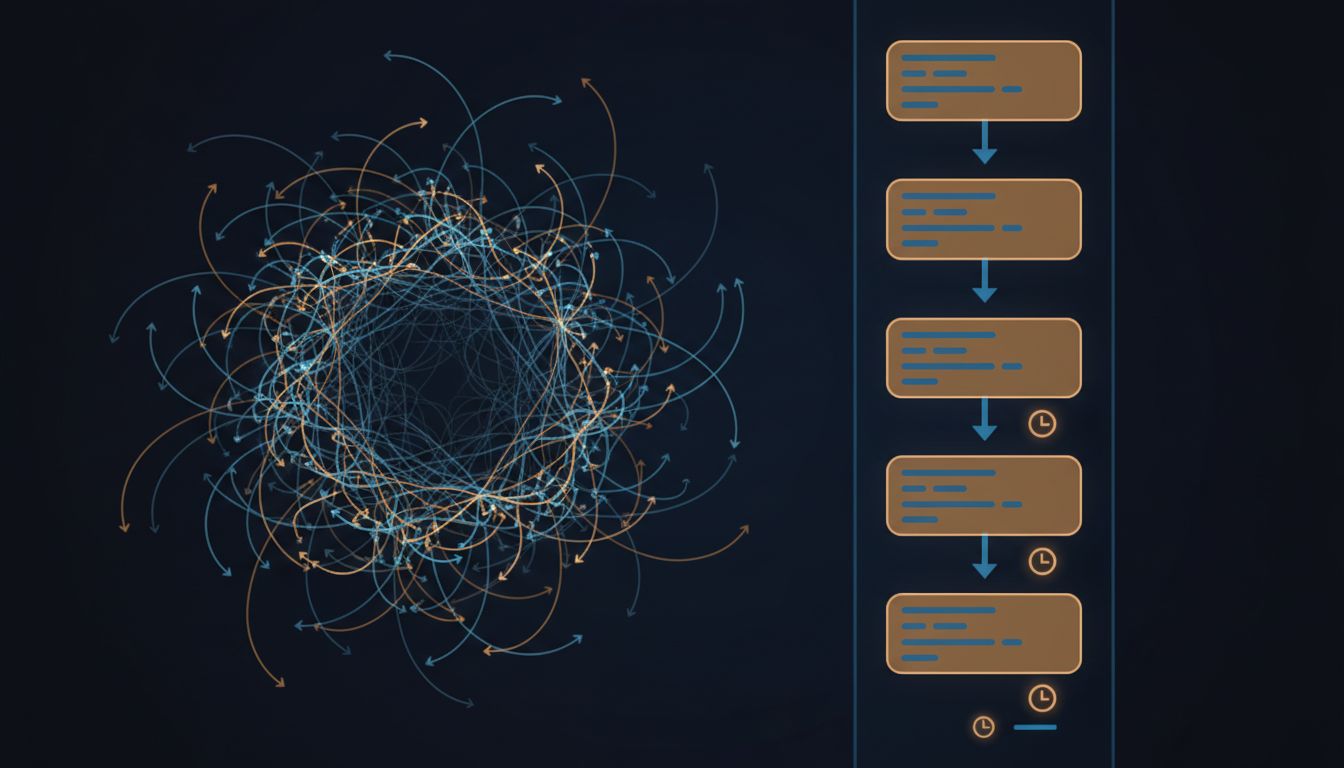
Companies that have actually cracked async communication aren't just sending fewer Slack messages. They've redesigned how decisions get made and recorded.
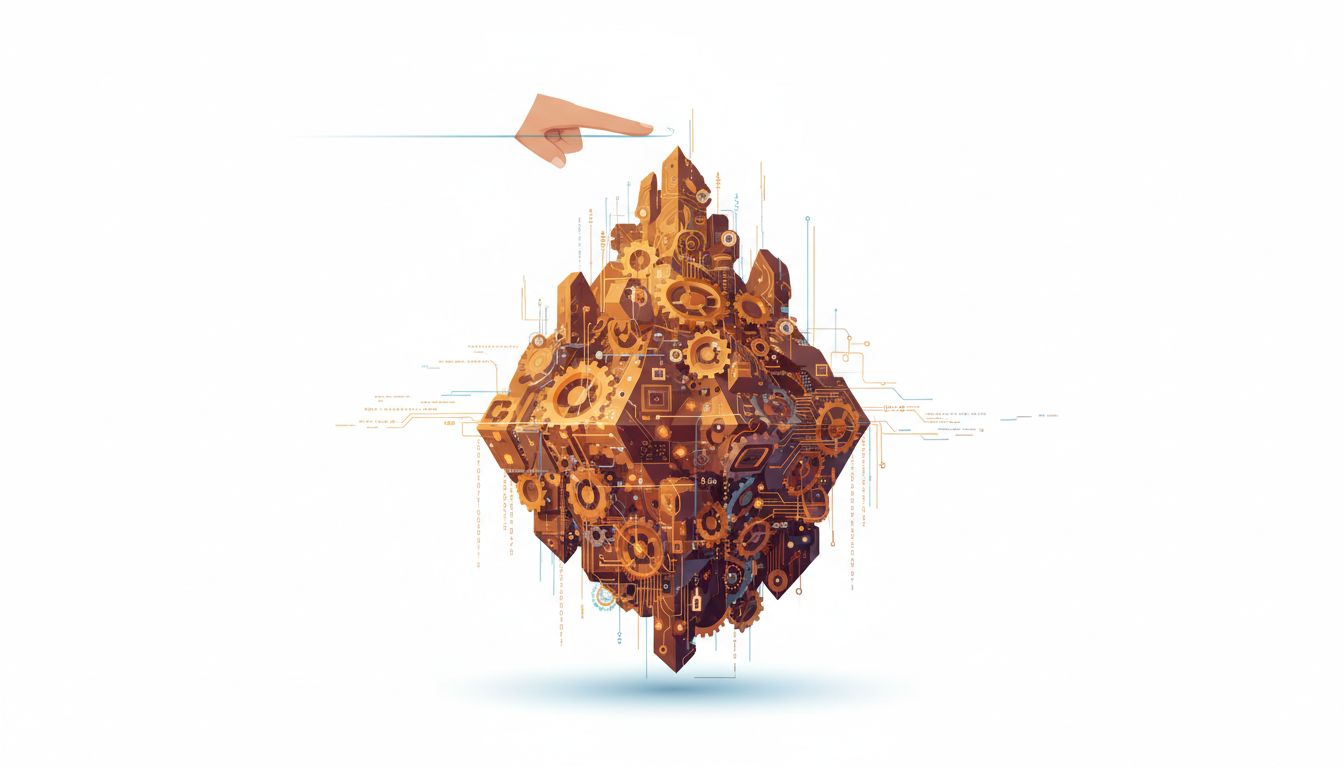
We've built a culture of instant dismissal around features that cost enormous effort to create. That asymmetry is worth taking seriously.
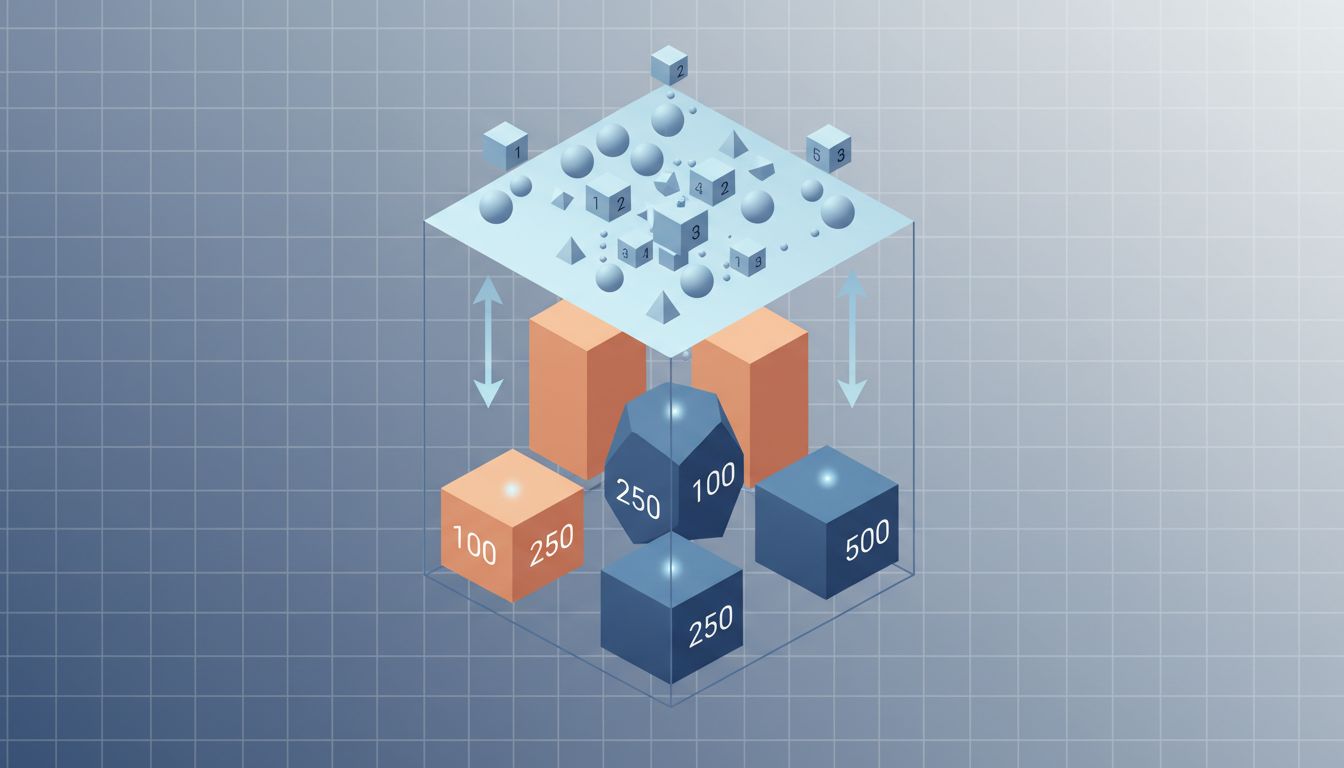
Your calendar isn't broken. It's doing exactly what you trained it to do. The problem is what you've been training it to optimize for.
Getting interrupted is bad. What you do in the first 30 seconds after is what actually determines how long you stay lost.
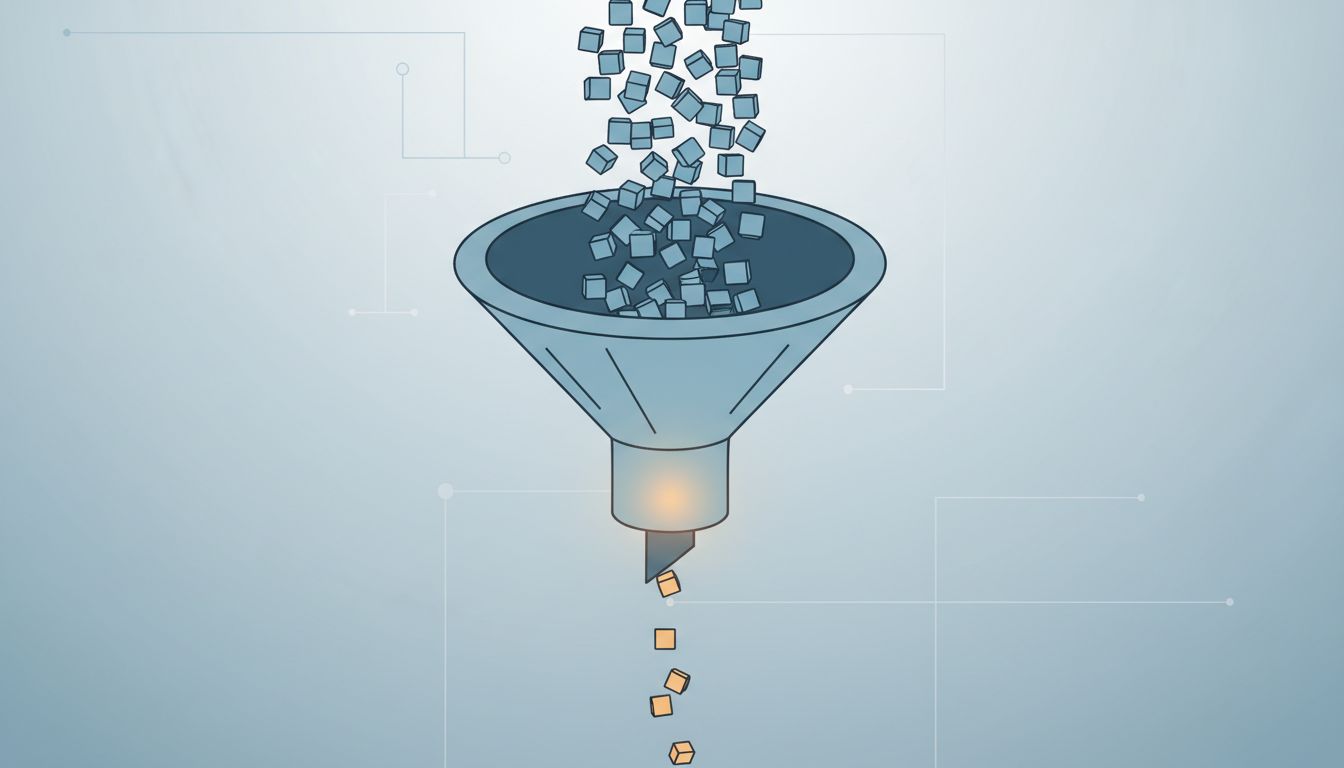
Most productivity systems make it frictionless to capture work and painful to complete it. Here's how to flip that ratio.
PKM systems promise to make you smarter by offloading cognition. They're doing the opposite.
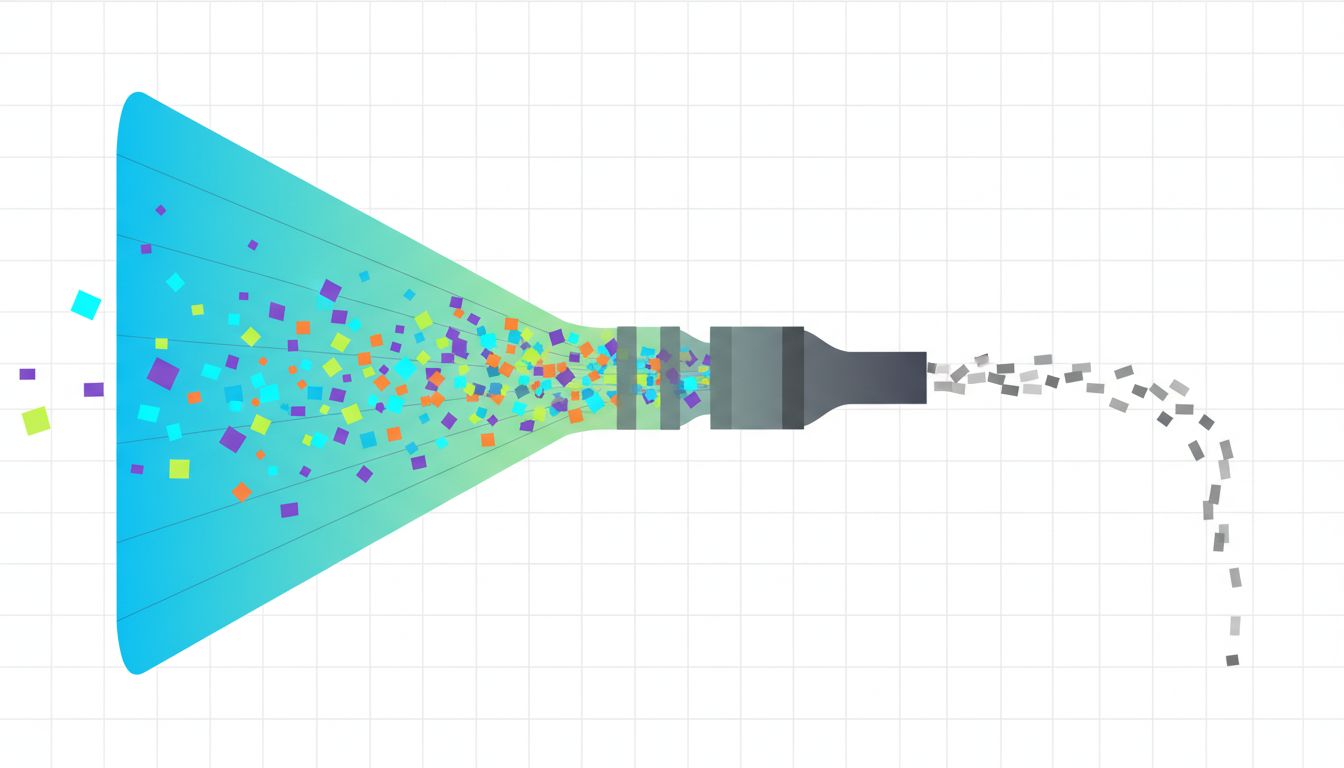
Most task managers reward adding work, not finishing it. One product team found out the hard way and rebuilt their workflow around a different metric entirely.
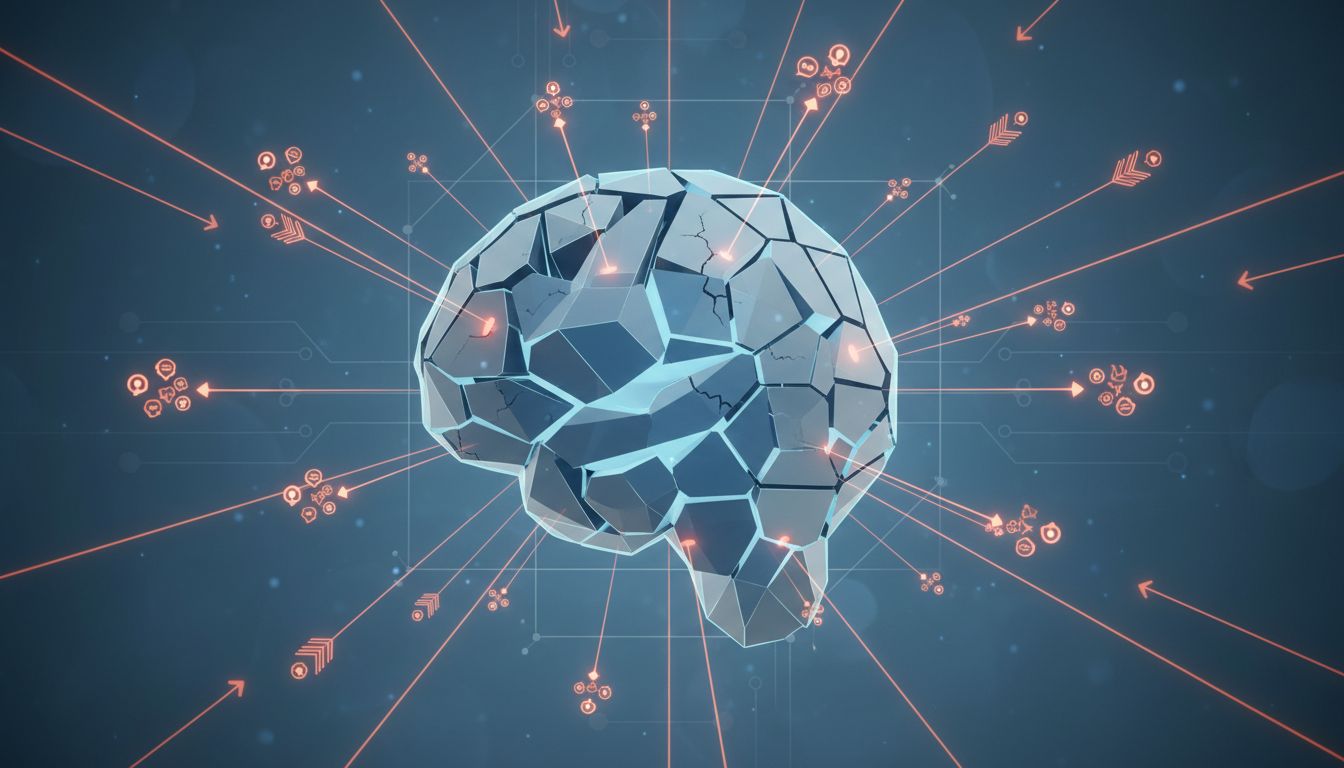
You don't have to check a notification for it to cost you. The interruption begins the moment your brain detects the signal.
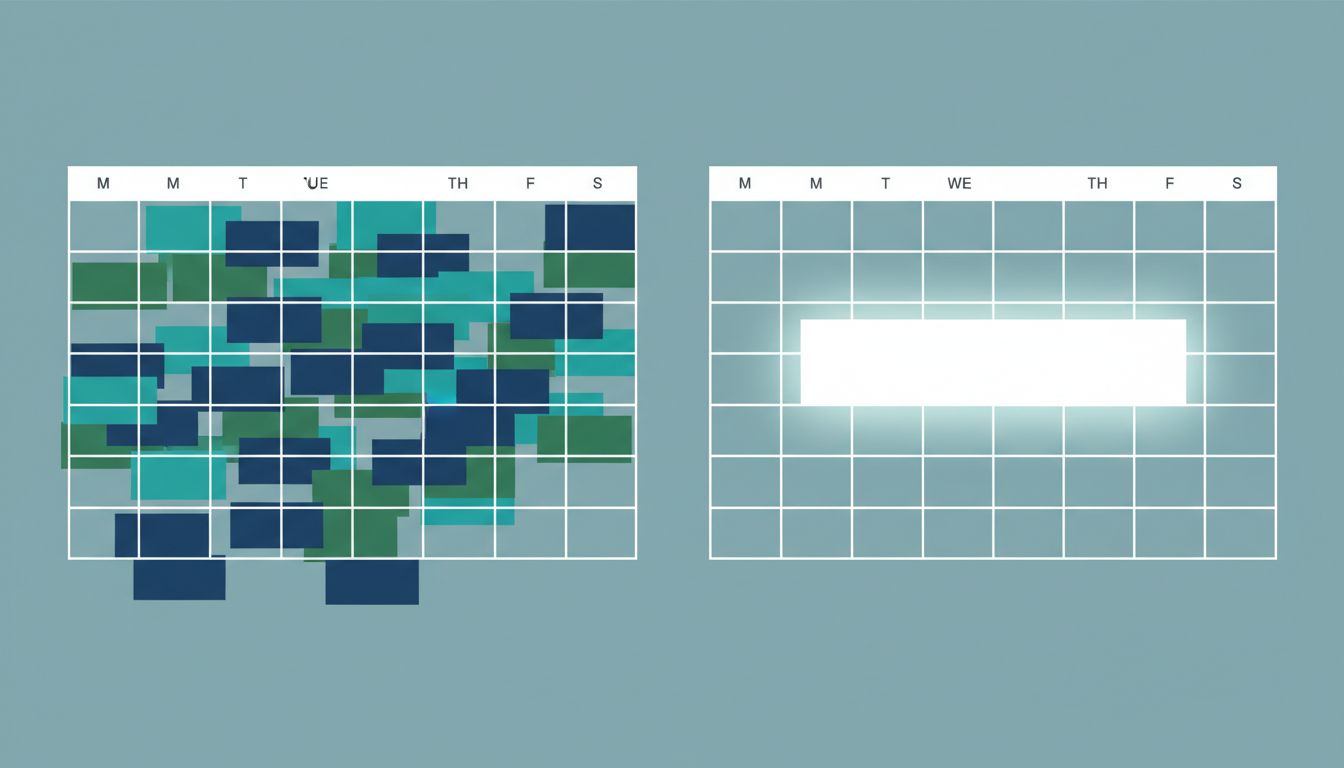
A product team's experiment with no-meeting weeks revealed something uncomfortable: the meetings they thought were essential were mostly confirming decisions already made elsewhere.
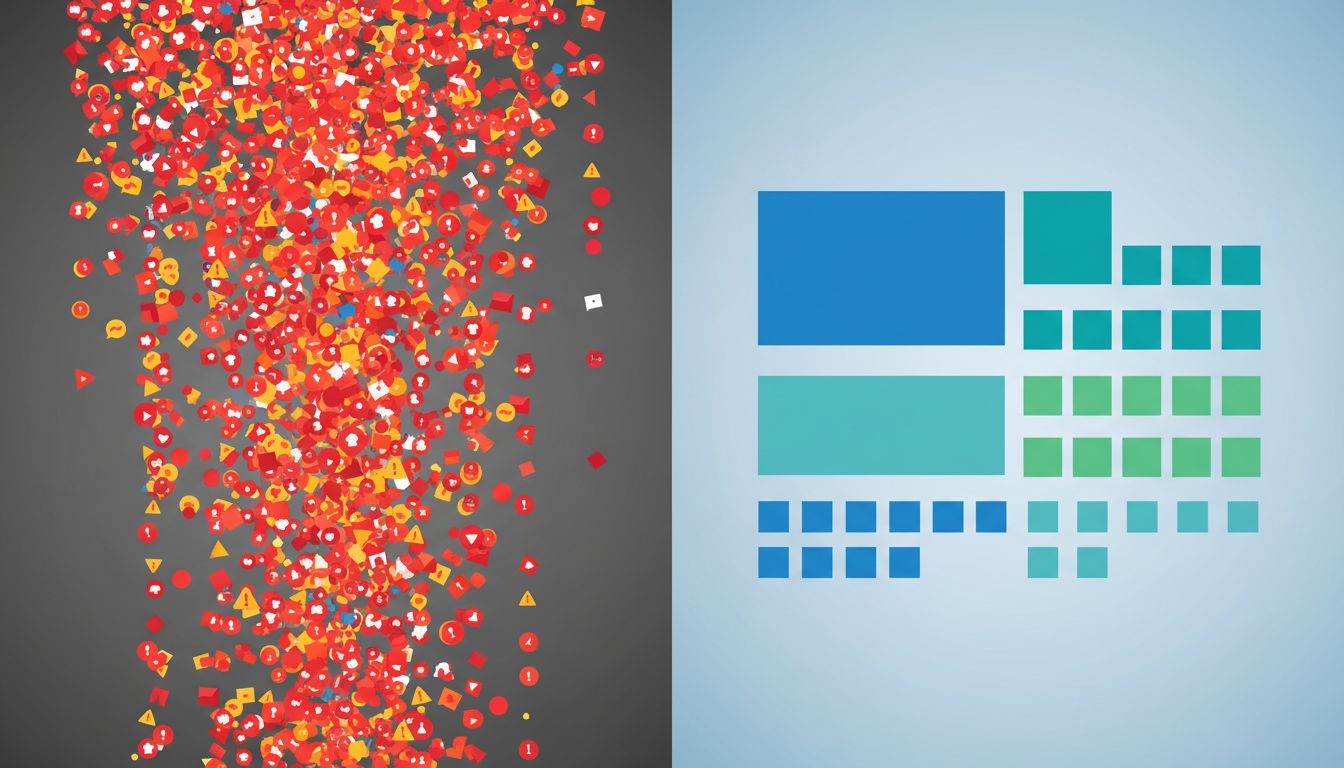
Every time you let a notification set your next action, you hand your priorities to whoever sent it. Here is what that actually costs you.
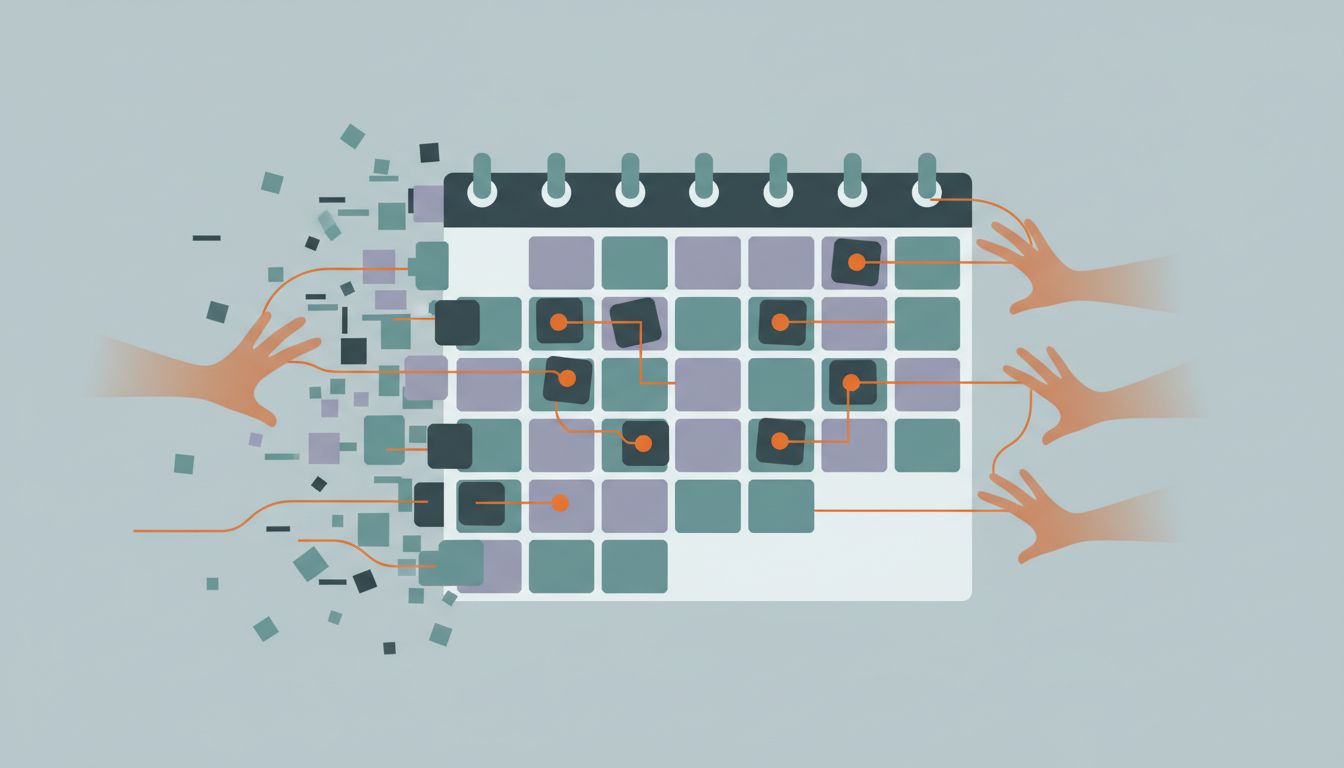
Digital calendars didn't fail to solve the busyness problem. They made it structurally worse — and the mechanism is hiding in plain sight.
Join thousands of readers who get our weekly breakdown of the most important stories in technology.
Free forever. Unsubscribe anytime.