
Digital Productivity
Context-Switching Feels Free Until You Measure It
Context-switching feels cheap because the cost is deferred. You pay it later, in degraded output and lost hours you can't trace back to a cause.
Tools, workflows, and strategies for getting more done with technology.
Context-switching feels cheap because the cost is deferred. You pay it later, in degraded output and lost hours you can't trace back to a cause.

Your calendar shows your intentions. Your cancellations show your actual priorities. These are rarely the same thing.
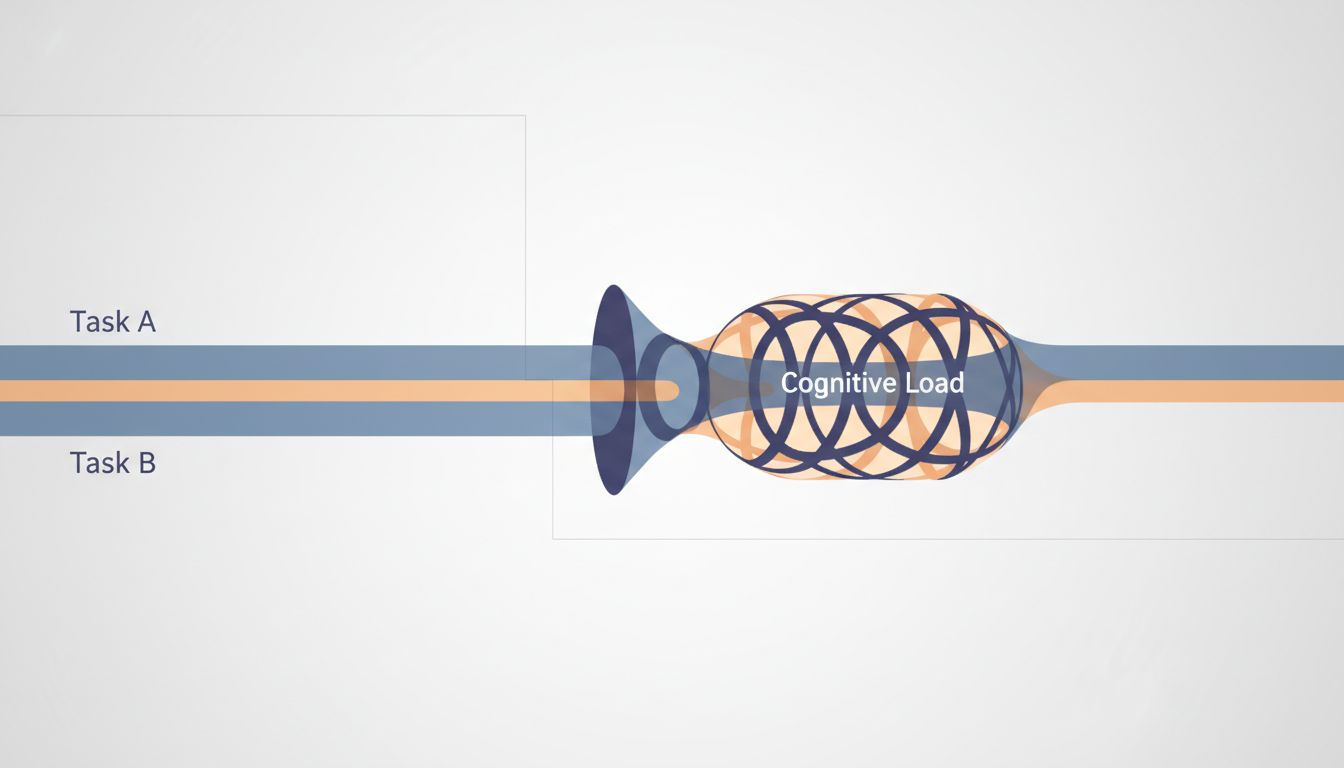
Multitasking feels productive. The cognitive science says otherwise, and the math is worse than you think.

You've been measuring the wrong thing. A document doesn't have to ship to be useful, and publishing one doesn't mean it worked.
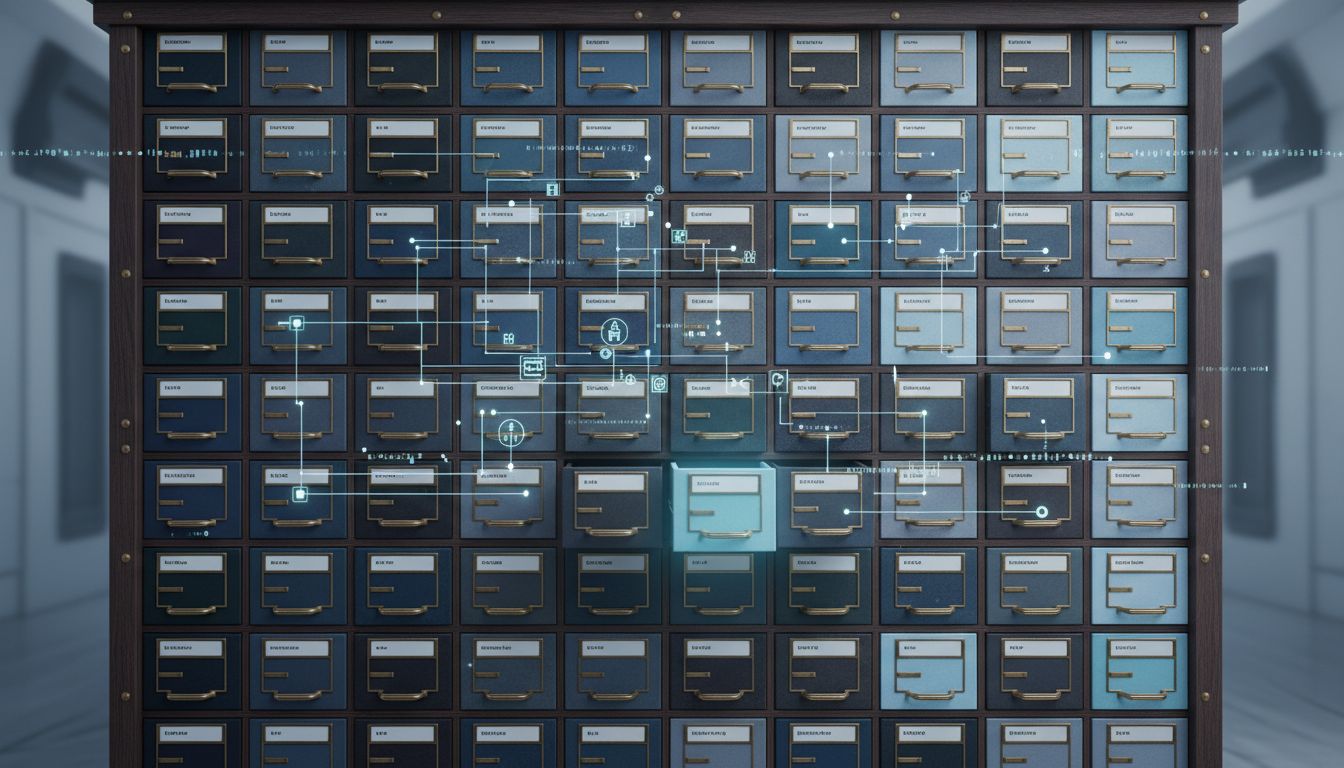
The 'second brain' framing sounds empowering but quietly sets you up to collect instead of think. Here's what to do instead.

Meetings get blamed for stolen time, but the actual culprit is something subtler and harder to fix: the cost of switching between contexts.
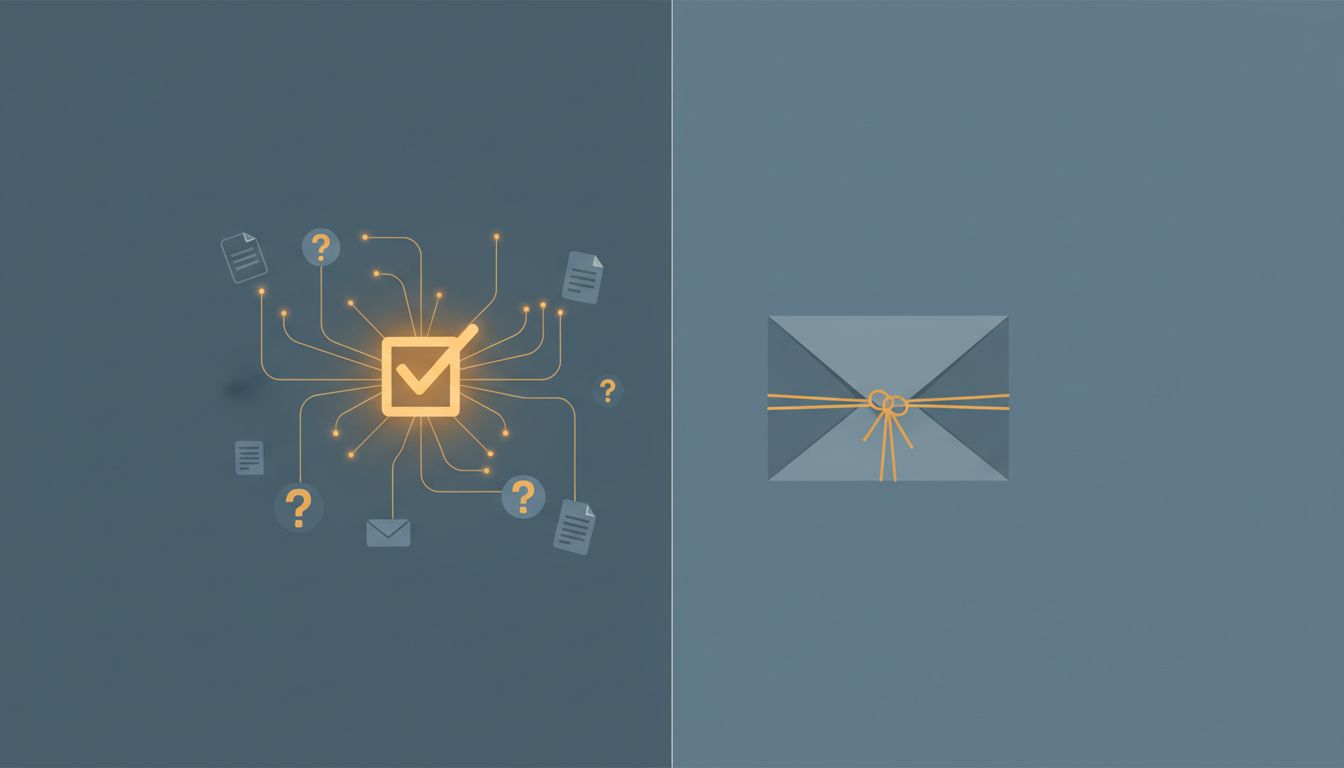
You did the work. But did you actually close the loop? The gap between finishing and closing is where half your productivity quietly disappears.
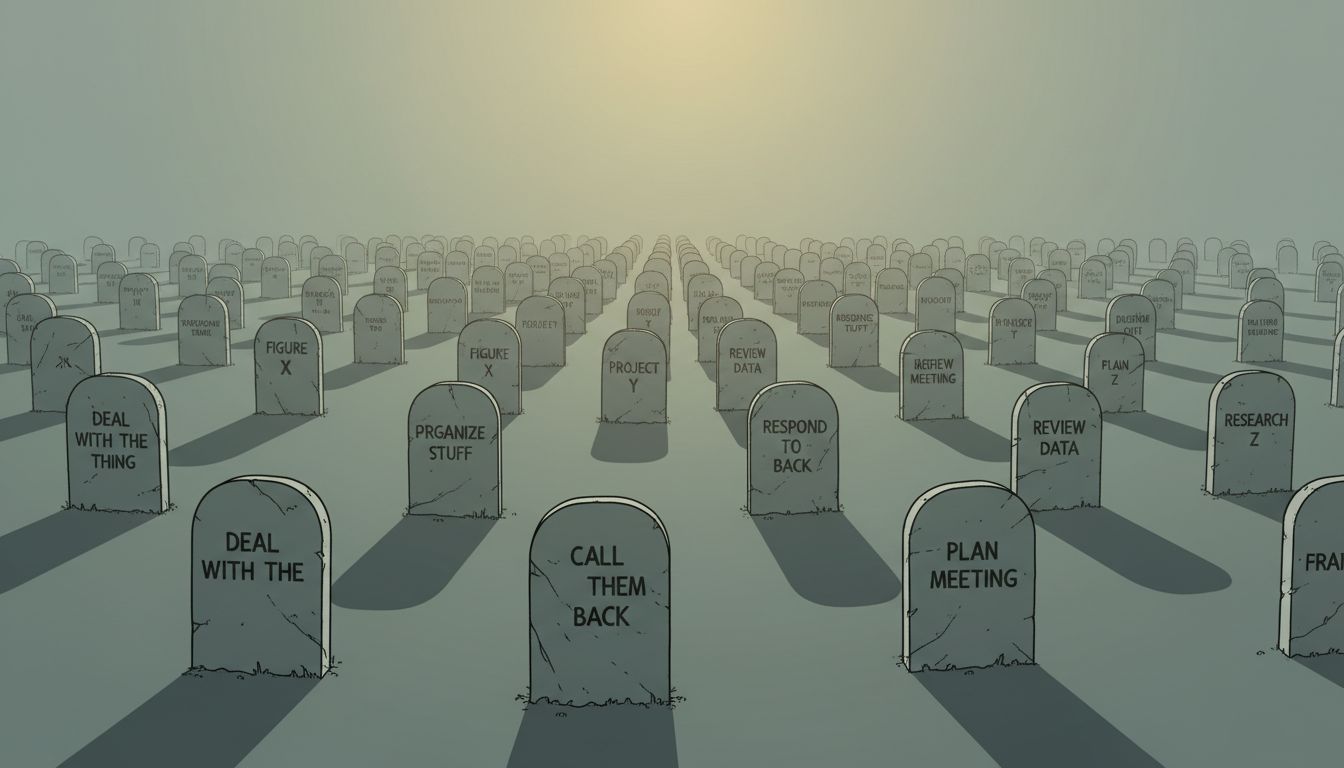
Most productivity tools don't fail because of bad design. They fail because you're using them to store choices you haven't made yet.
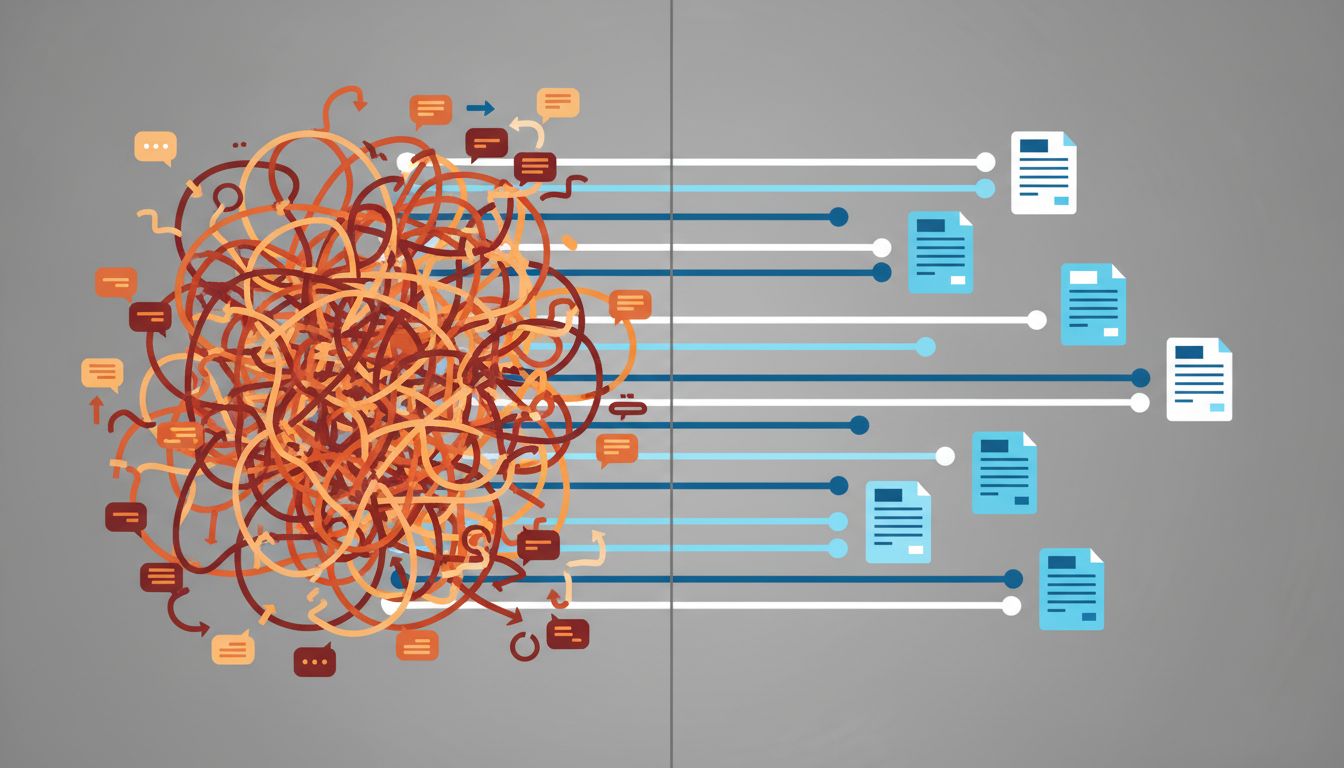
Most async failures aren't tool problems. They're writing problems. Companies that get async right treat written communication as a core skill, not an afterthought.
Your phone isn't alerting you to emergencies. It's delivering low-priority messages on a timeline you agreed to. Here's how to change that agreement.

Task decomposition is useful until it isn't. Here's the specific failure mode nobody talks about when teams get addicted to splitting tickets.
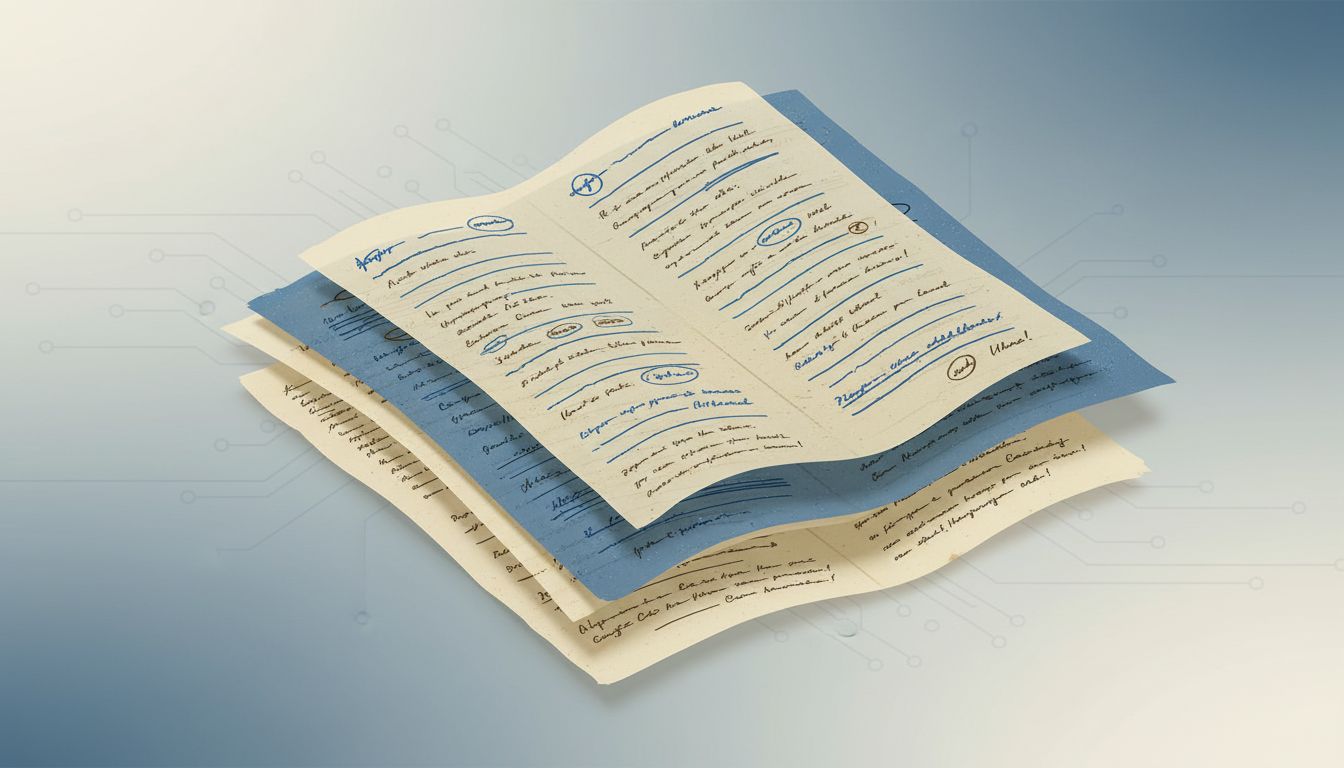
That perpetually half-written doc isn't a failure of discipline. It might be doing more cognitive work than any finished artifact in your system.
Most productivity techniques are reward loops dressed up as workflows. Here's what's actually happening when you feel productive but aren't.
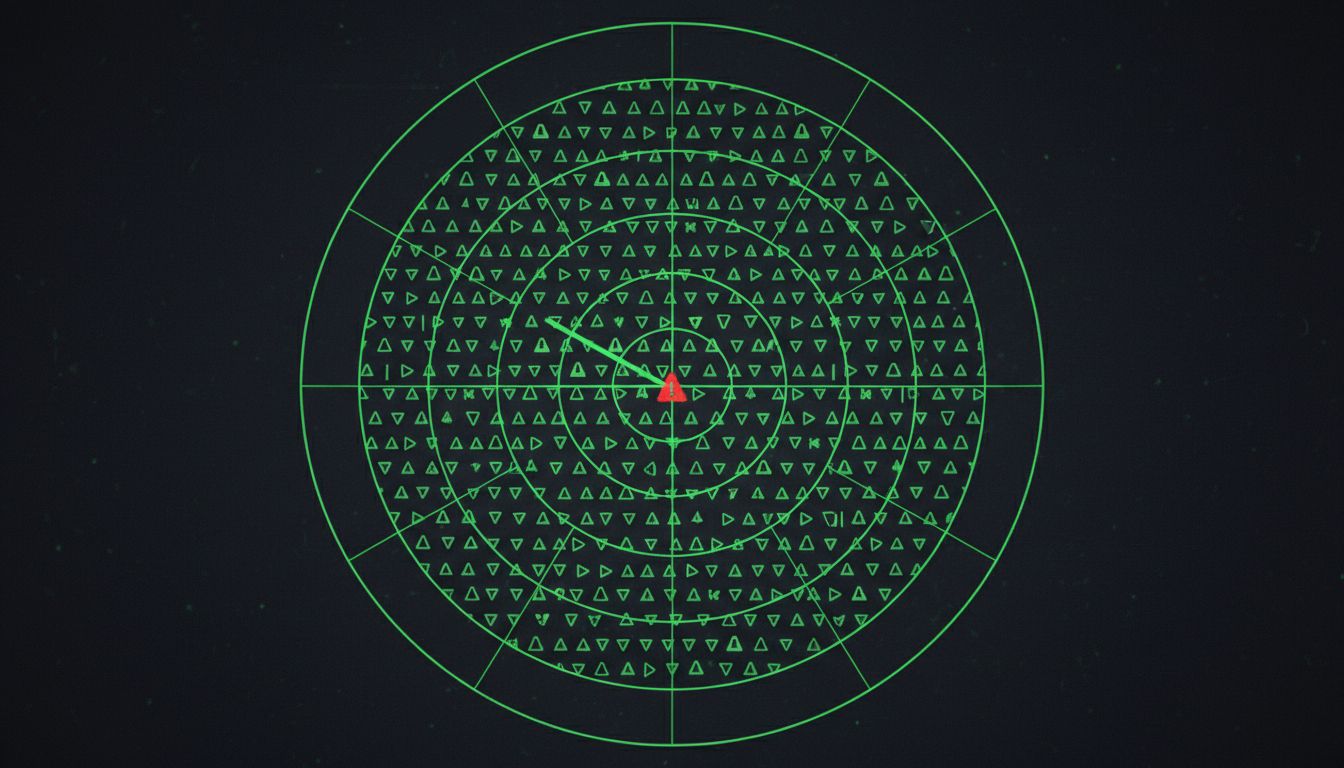
Researchers studying air traffic controllers in the 1970s discovered something that explains exactly why your notification setup is making you worse at your job.

Carving your day into neat 30-minute blocks feels like discipline. What it actually does is prevent the kind of sustained focus that produces real work.
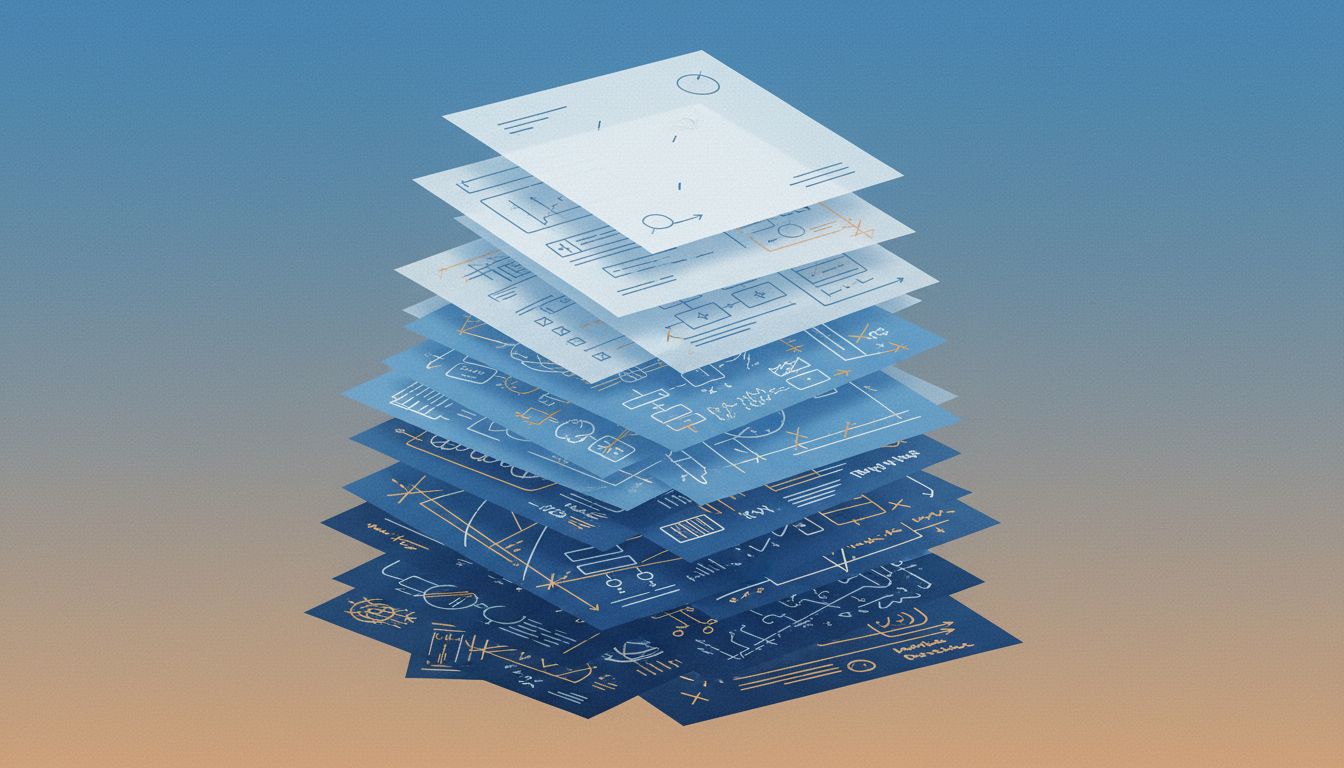
That half-written doc you keep meaning to polish isn't a failure. It's doing real cognitive work, and shipping it prematurely might actually make things worse.

Most meetings aren't poorly run. They're poorly conceived. Here's how to tell the difference before you schedule the next one.
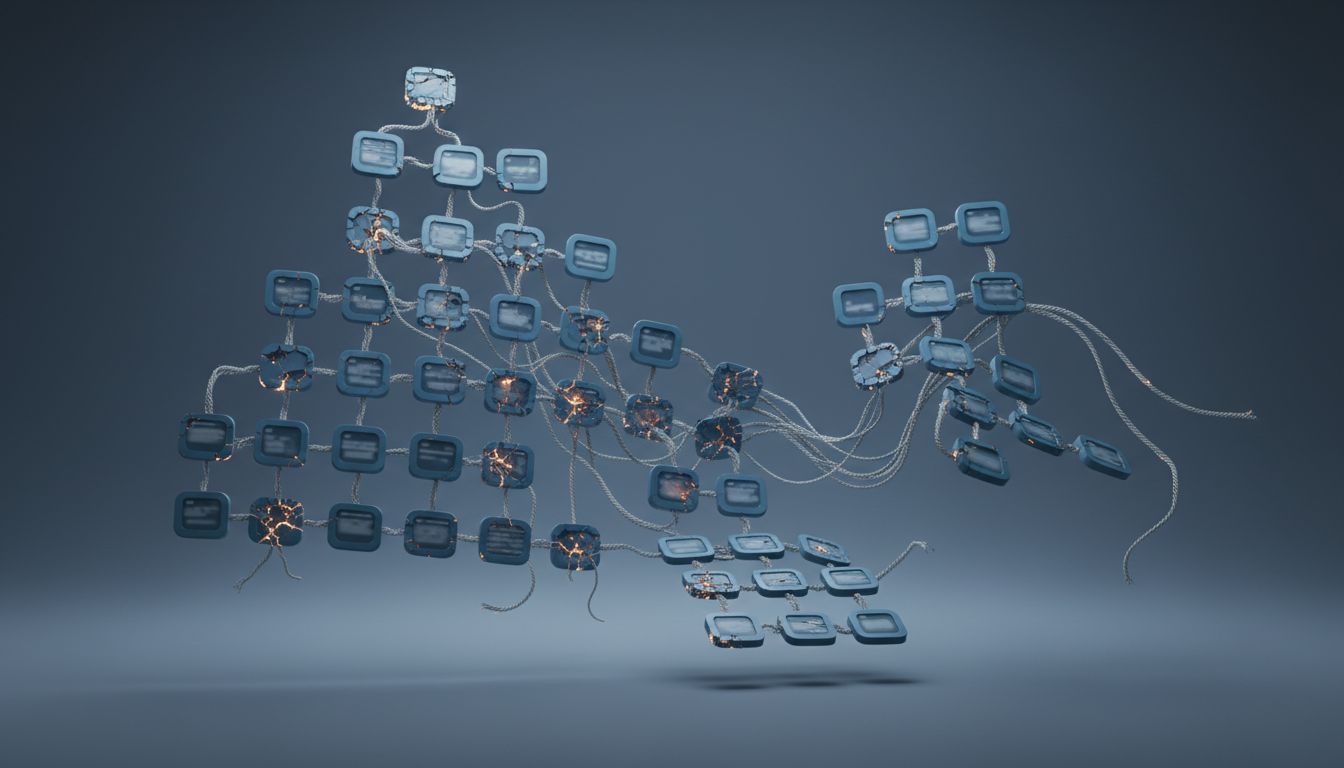
A productivity system isn't software you install and forget. It's infrastructure, and unmaintained infrastructure fails in predictable ways.
Join thousands of readers who get our weekly breakdown of the most important stories in technology.
Free forever. Unsubscribe anytime.