Digital Productivity
Your To-Do List Is Organized Around the Wrong Unit of Work
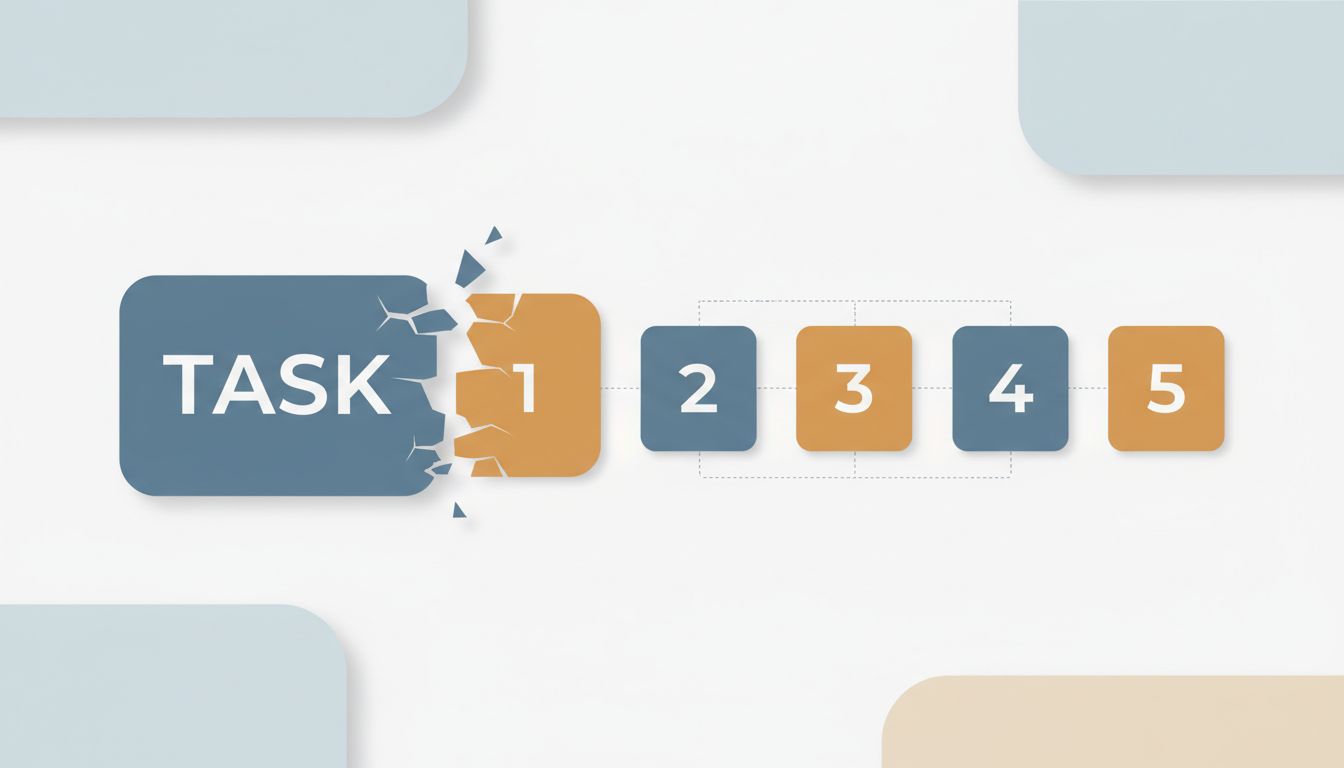
Tasks feel manageable on paper but fall apart in practice. The problem isn't your discipline or your app. It's the unit of work you're tracking.
Tools, workflows, and strategies for getting more done with technology.
Tasks feel manageable on paper but fall apart in practice. The problem isn't your discipline or your app. It's the unit of work you're tracking.
The productivity canon is built for people who struggle to focus. High performers already solved that problem. They have a different one.
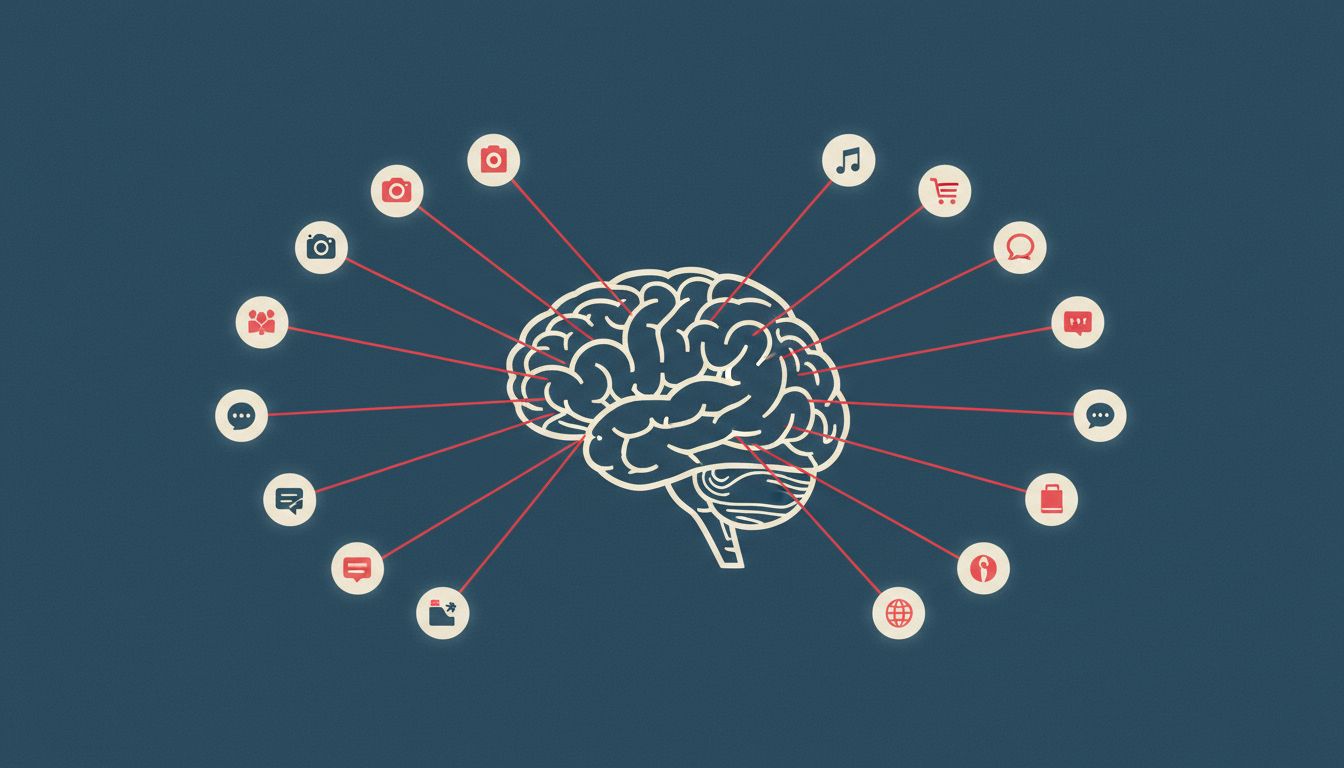
The apps stealing your best thinking hours aren't broken. They're working exactly as designed. Here's the mechanism.
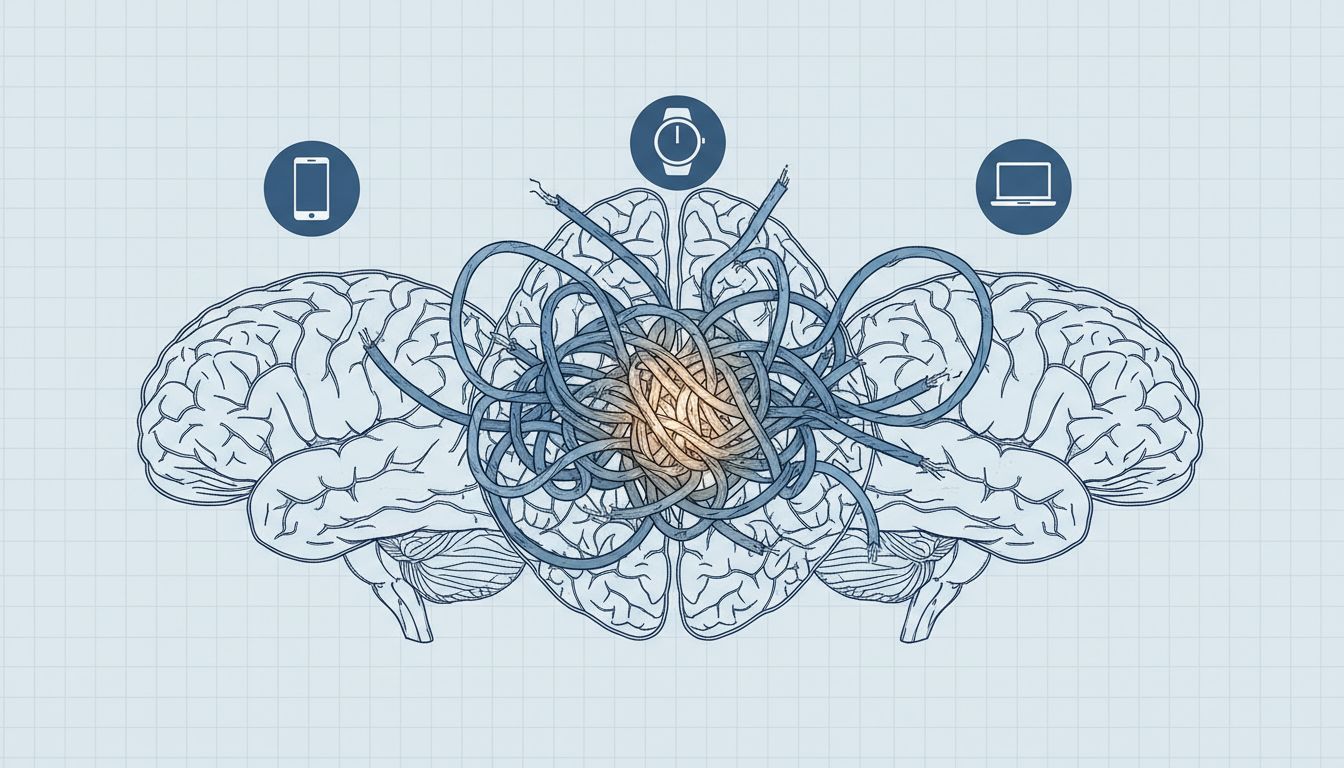
Spreading work across a phone, laptop, and tablet feels productive. The cognitive science says otherwise, and the mechanism is worth understanding.
The most productive people you know are not using the hottest new tool. They have built workflows so well-structured they outlast any single piece of software.
A close look at how one company's radical scheduling overhaul revealed why calendar software fails not from bad features, but from a flawed model of what time management actually is.

A product team's experiment with tool-free thinking time produced an unexpected result: the work got better and moved faster.
Context switching costs more than you think. Digital batching is the practical fix that high-output professionals actually use.
Opening a tab feels like saving something. It isn't. Here's what's actually happening to your attention each time you do it.
Blocking empty time on your calendar isn't laziness or a productivity hack. It's how cognitive work actually recovers and compounds.
Filling every hour feels productive. It isn't. Here's what's actually happening in your brain when you do nothing, and why blocking it on your calendar is serious engineering.

The deadline sprint isn't luck or adrenaline. It's a specific cognitive state you can learn to manufacture on purpose.
Cognitive offloading isn't a productivity hack. It's how your brain was designed to work, and most people are fighting it.
The reason you do your best work at the last minute isn't procrastination. It's that deadlines eliminate the thing quietly killing your focus all day.
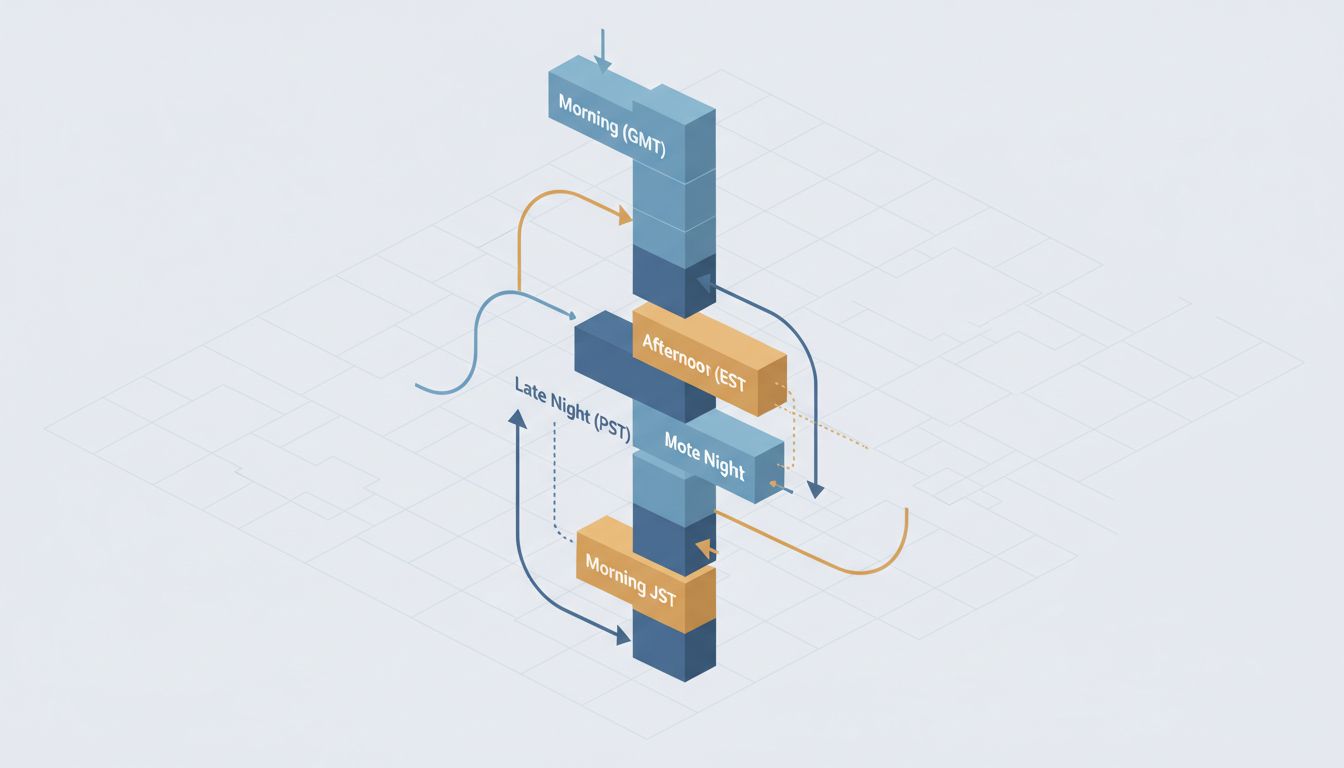
Always-on teams confuse activity with output. The best distributed teams have figured out that async communication isn't a compromise, it's a structural advantage.
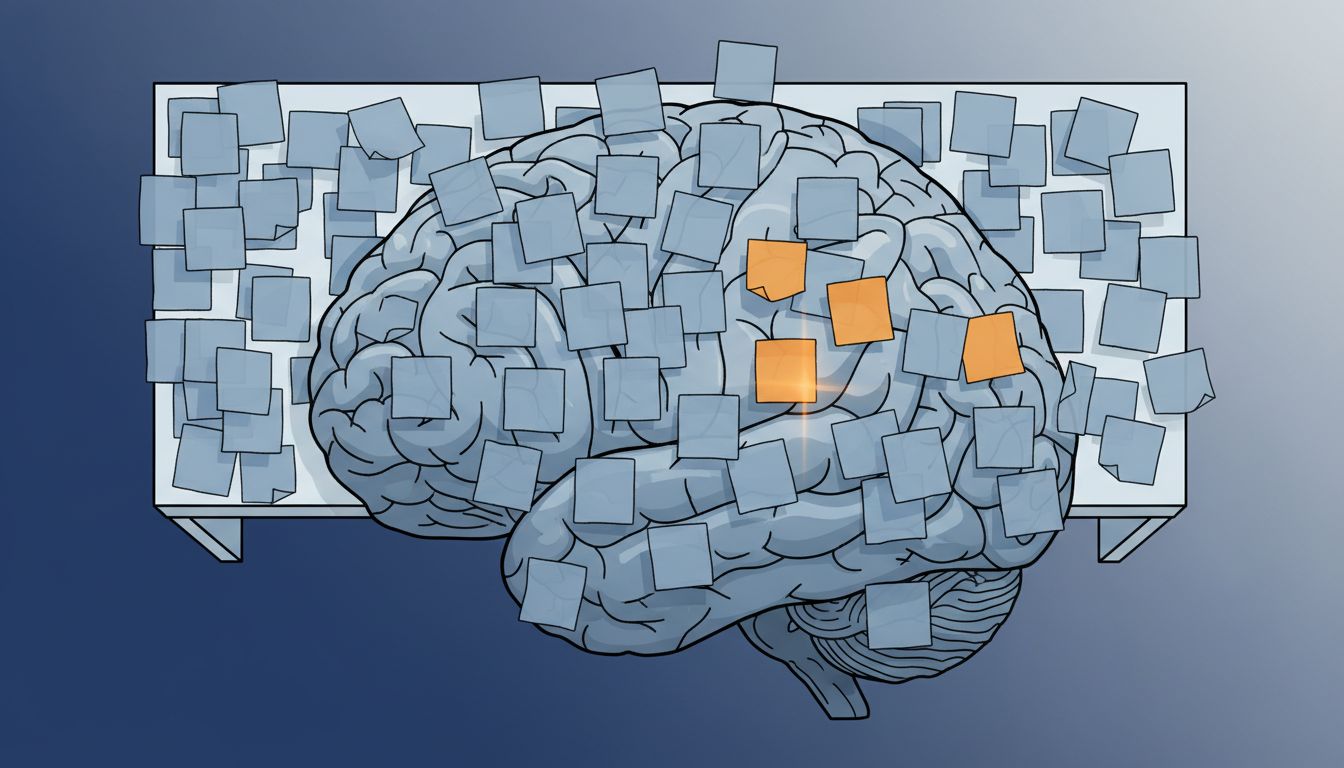
A product team's investigation into why their best engineers kept shipping shallow work uncovered something hiding in plain sight: the tab bar.
The most productive people don't work in long unbroken stretches. They work in short, deliberate bursts — and the science of how brains process information explains why.
The end-of-day productivity surge isn't magic. It's what focus looks like when everything else finally stops competing for your attention.
Join thousands of readers who get our weekly breakdown of the most important stories in technology.
Free forever. Unsubscribe anytime.