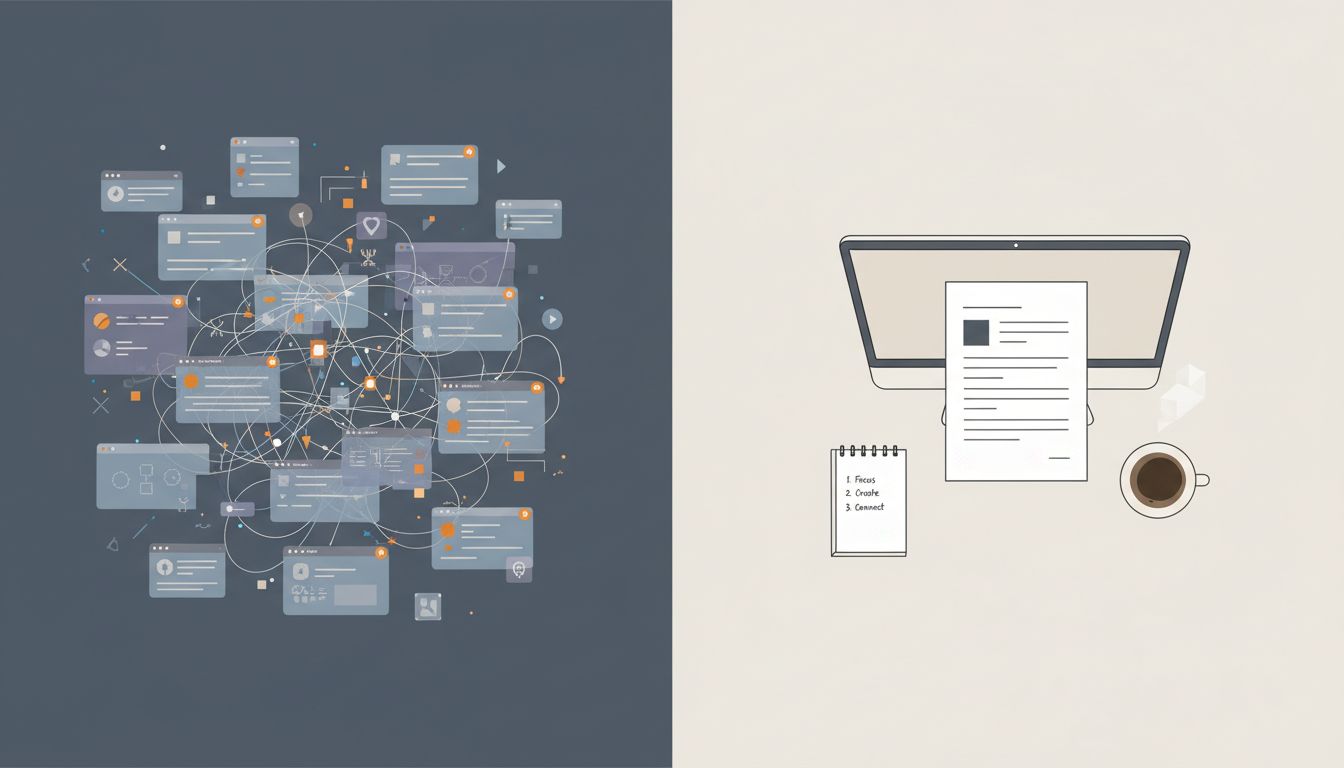
Digital Productivity
The Power User Is Losing to Someone With Half the Tools
More apps, more integrations, more workflows. The power user has it all. The digital minimalist has better output. Here is why constraints win.
Tools, workflows, and strategies for getting more done with technology.
More apps, more integrations, more workflows. The power user has it all. The digital minimalist has better output. Here is why constraints win.
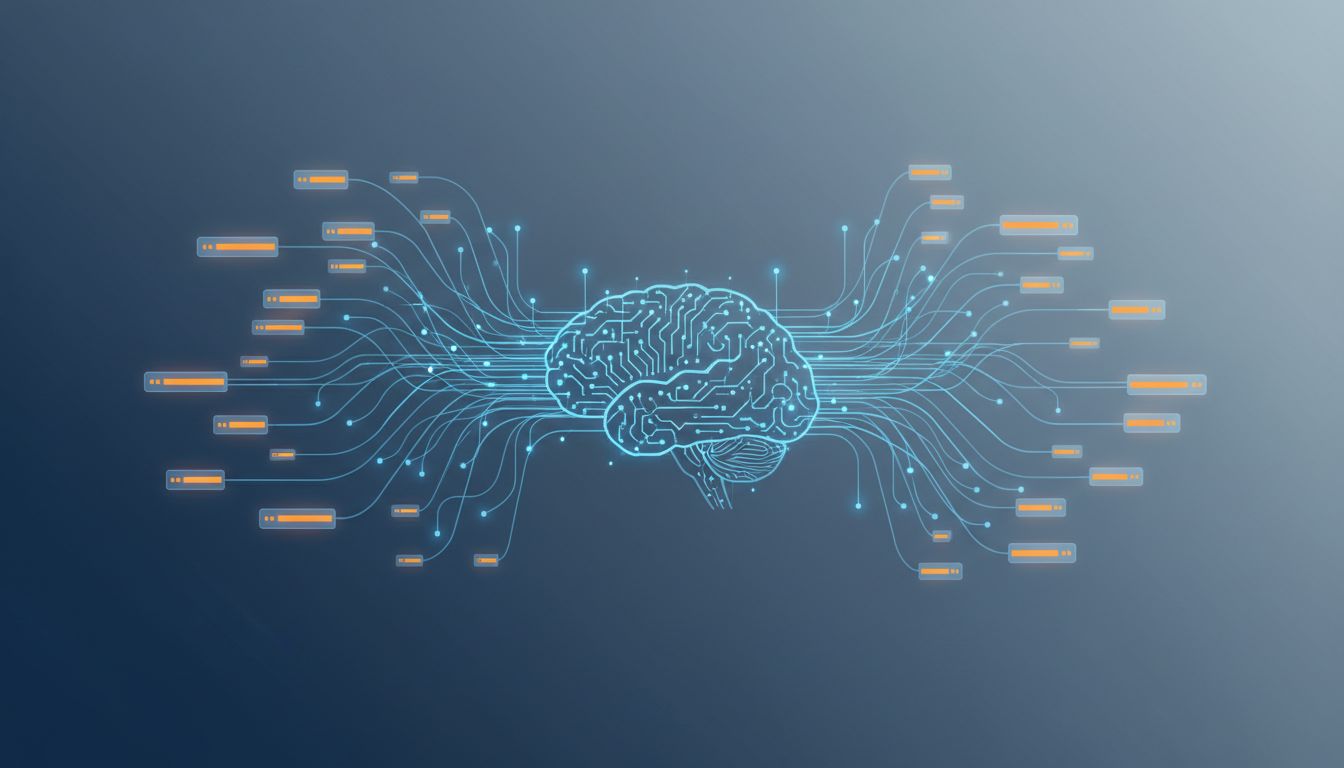
Every open tab is an unfinished thought. Here is what that costs you, and how to stop paying it.
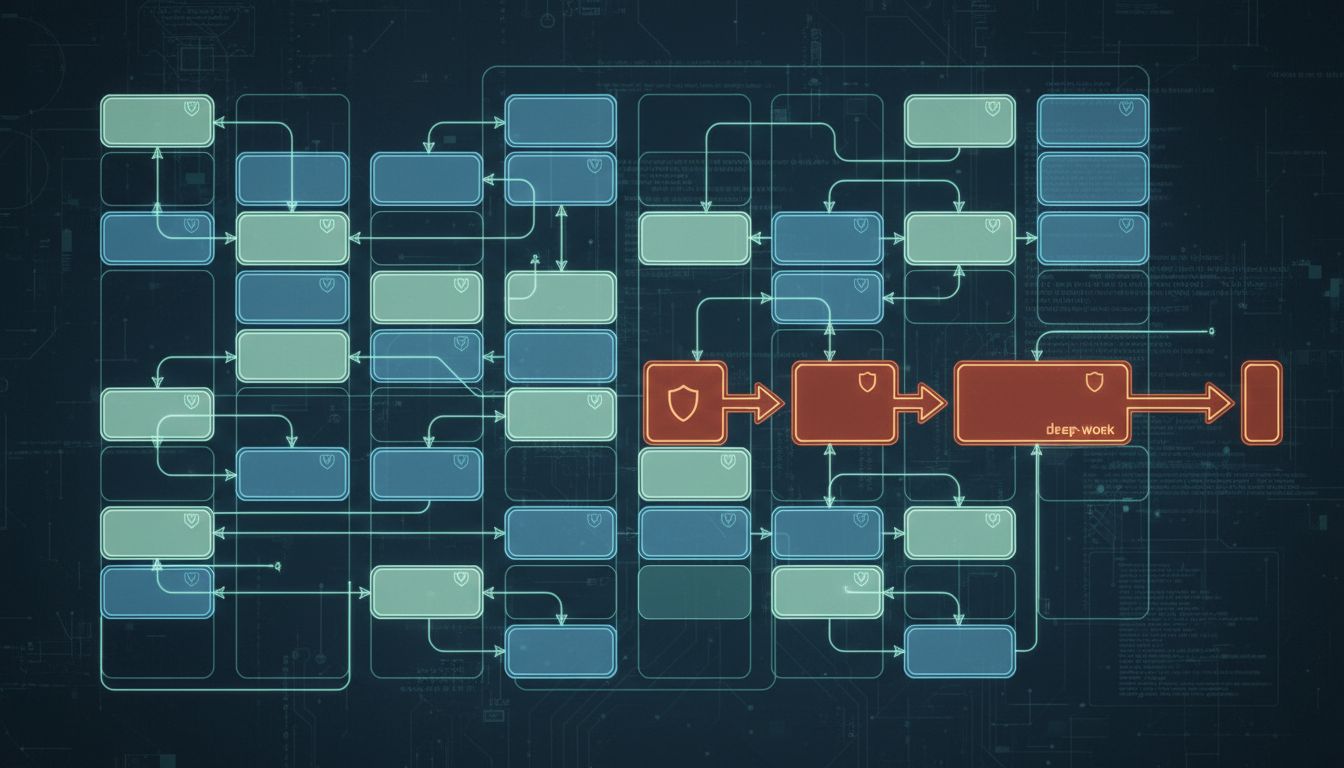
Basecamp's approach to structured time blocks offers a concrete model for anyone whose calendar has drifted into chaos.

Every time you switch tasks, a fragment of your attention stays stuck on what you just left. Tech companies have started designing work systems around this, and the results are uncomfortable to look at.
The shower, the walk, the drive — these aren't interruptions to your thinking. They're where the actual thinking happens.
Protecting focused work time is not about work-life balance. It is a structural advantage that compounds over time and most companies are too afraid to claim it.
The 40% productivity penalty from multitasking is real, and the mechanism behind it explains why the fix is counterintuitive.
Synchronous communication feels productive but destroys the deep work that actually moves things forward. Here's the mechanics of why async wins.
Chronic multitasking doesn't just split your attention. It rewires how your brain handles focus, and the damage compounds over time.
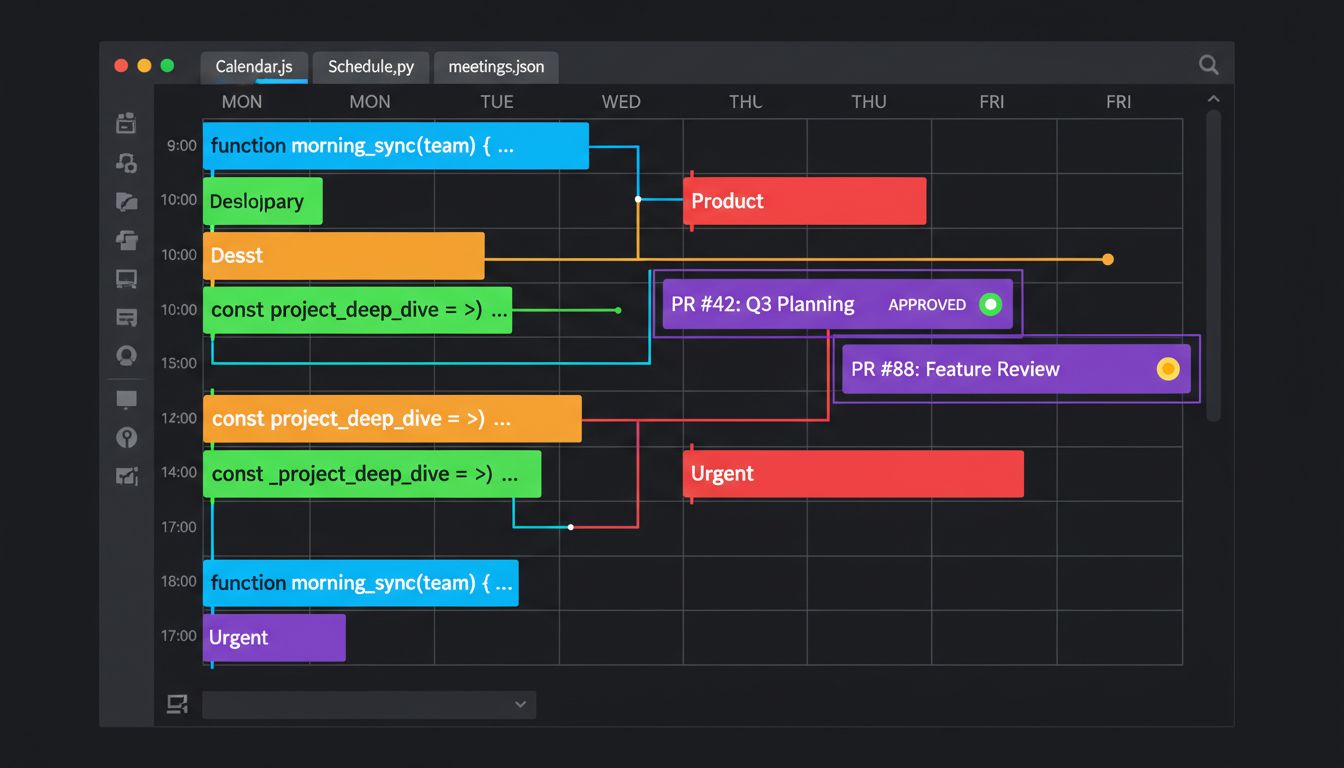
Your calendar isn't a record of commitments. It's a program that runs your life. Here's what happens when you start treating it like one.
Every new system feels like the answer until it doesn't. The failure isn't the system. It's what you're asking the system to do.

Reading on screens and reading on paper activate different cognitive modes. Understanding which one you're in explains a lot about why digital reading often feels like it didn't stick.
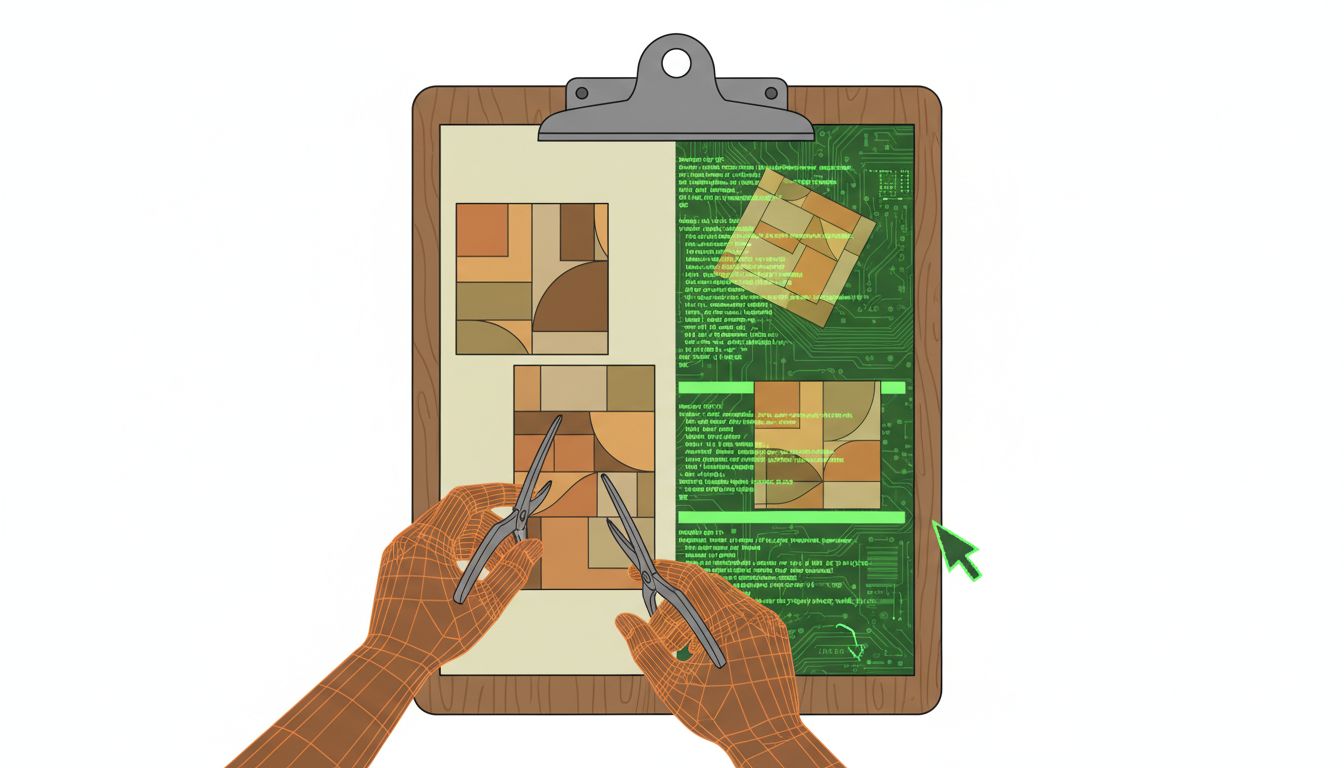
Larry Tesler invented cut, copy, and paste in the 1970s. The computing establishment nearly rejected it for a reason that reveals something uncomfortable about how we evaluate useful ideas.
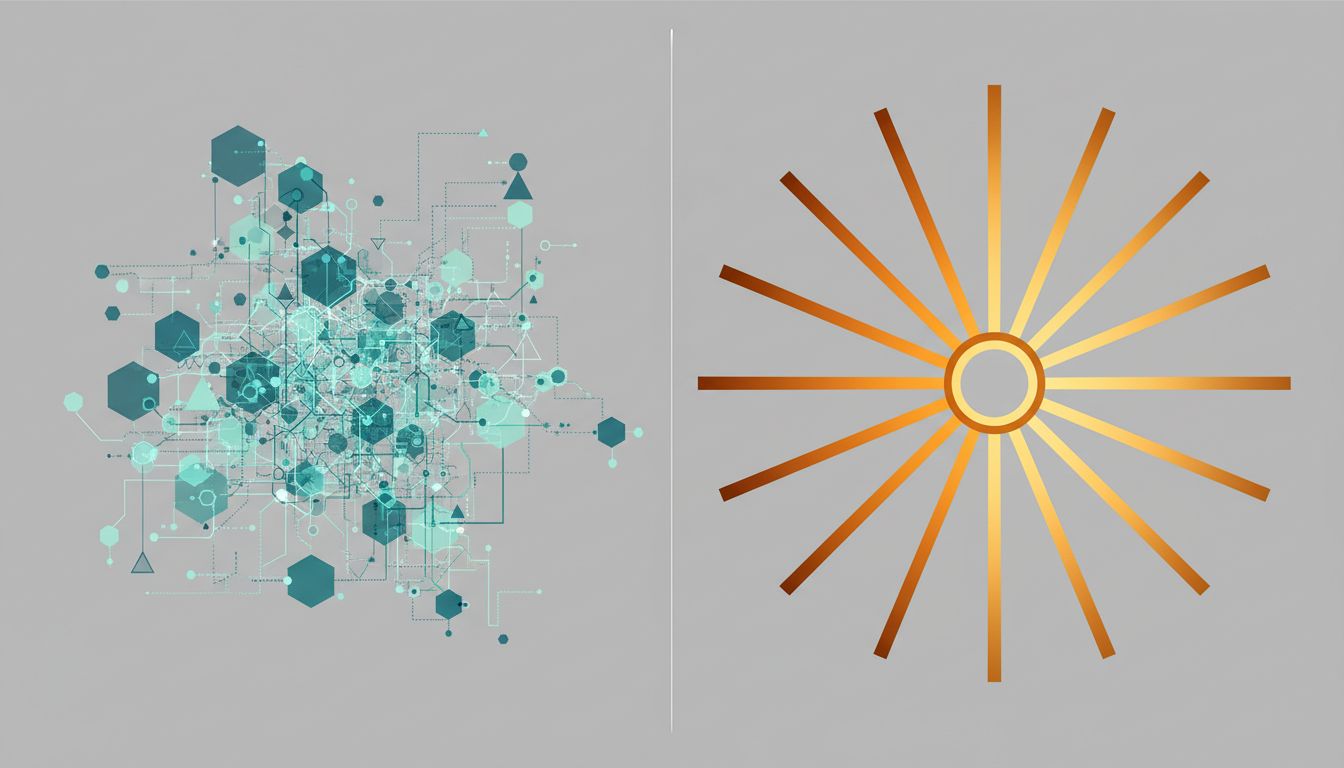
The monitor count on your desk reflects the structure of your work, not your status. Here's what that split actually reveals.

The best developers and engineers aren't avoiding hard problems when they wander off task. They're running a background process most people don't know how to start.
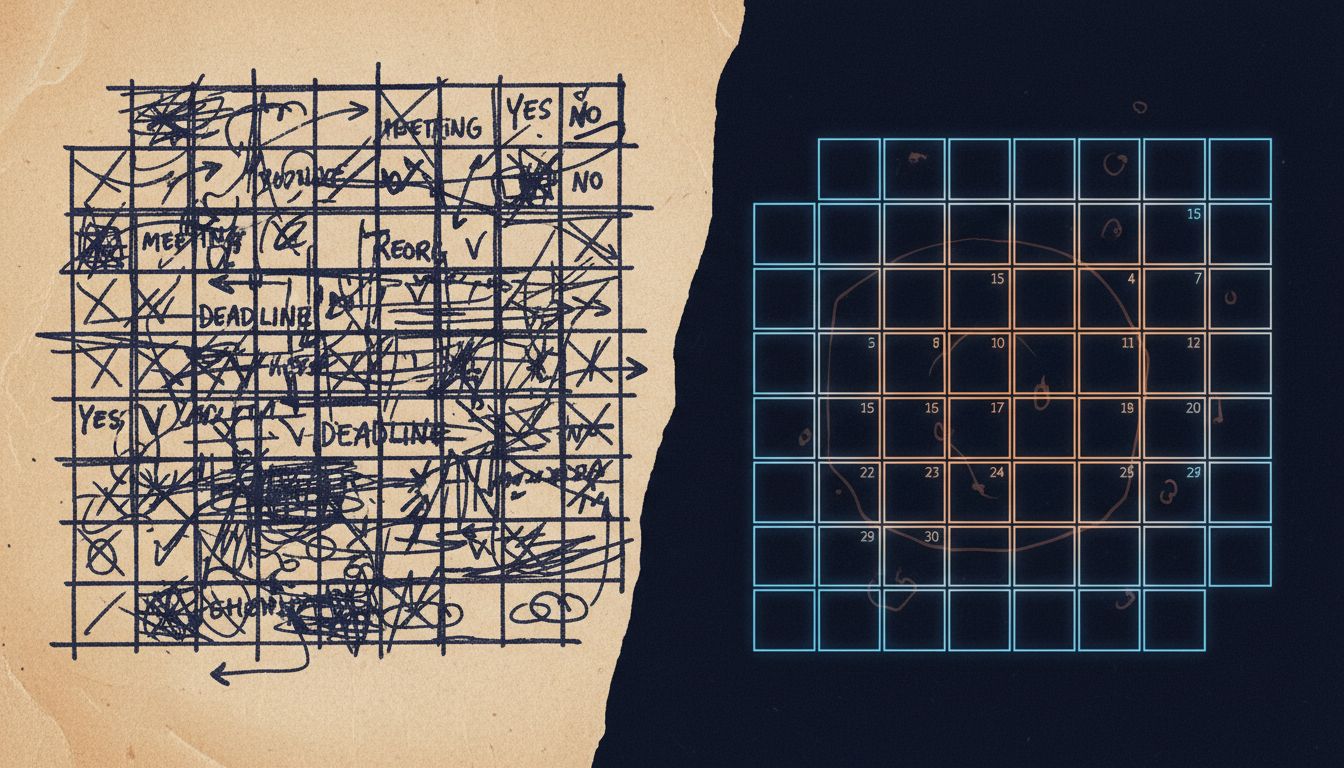
Paper planners aren't better because they're analog. They're better because writing forces you to decide. Digital calendars let you skip that part entirely.
The multi-monitor setup isn't about screen real estate. It's about a fundamentally different cognitive mode that executives don't need and developers can't live without.

Digital minimalism isn't about doing less. It's a deliberate strategy that high-output professionals use to protect the kind of attention that actually produces results.
Join thousands of readers who get our weekly breakdown of the most important stories in technology.
Free forever. Unsubscribe anytime.