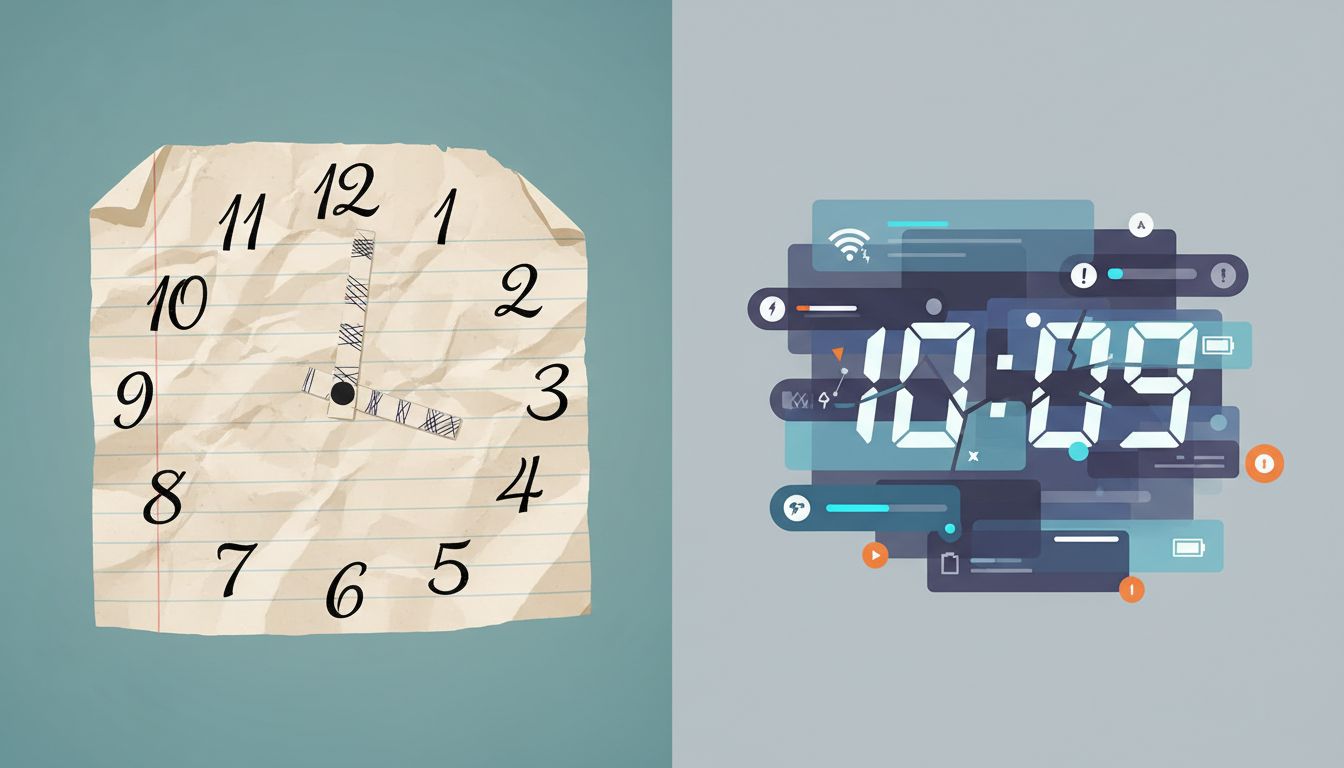
Digital Calendars Make You Less Punctual Than Paper Planners, and the Reason Is Buried in How Reminders Actually Work
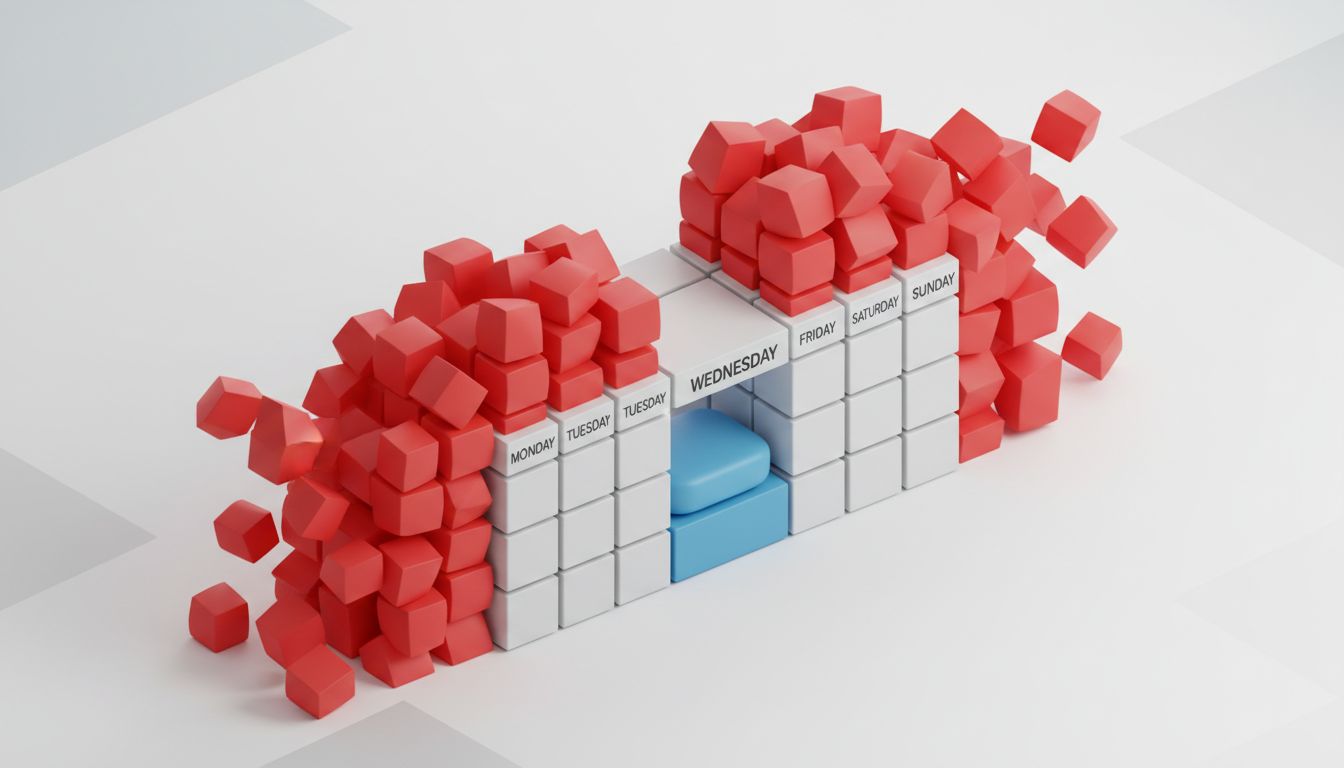
Your phone's calendar is technically more capable than any paper planner. It's also quietly training you to be late.
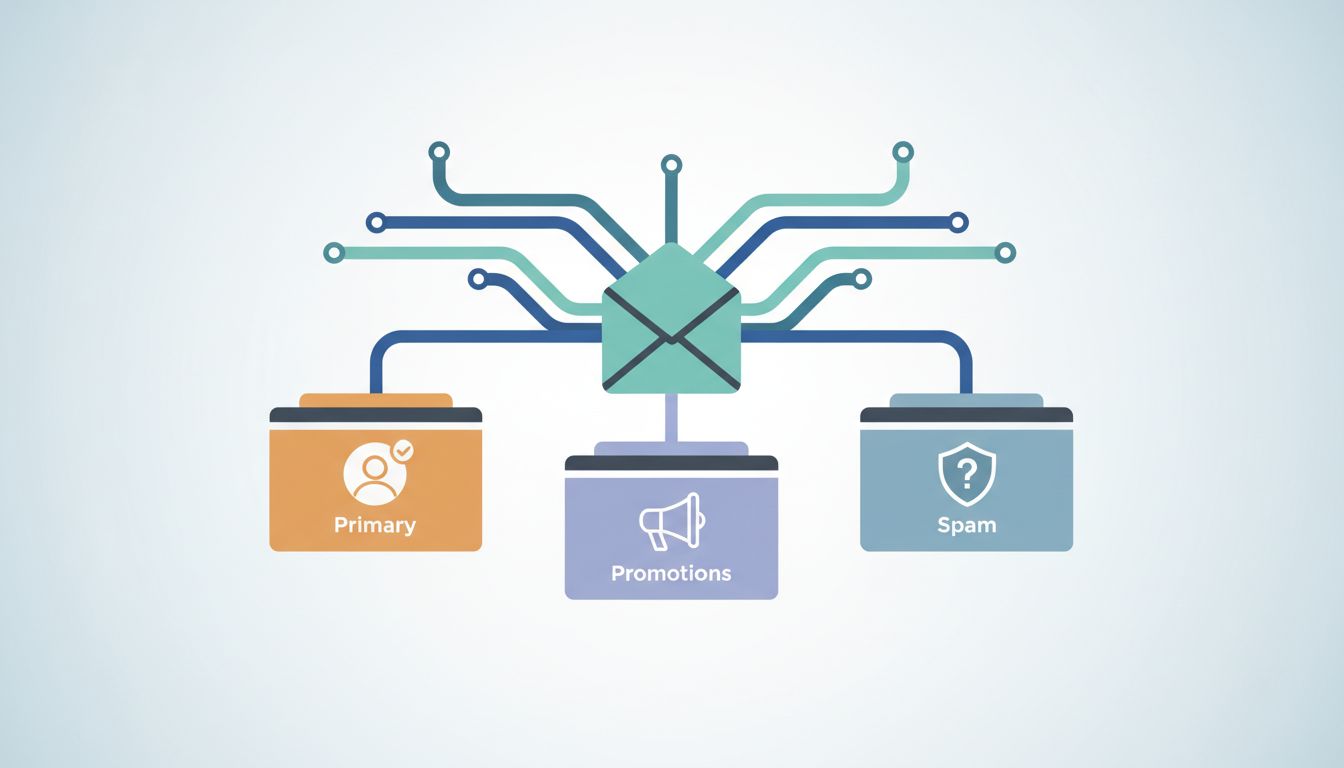
Tools, workflows, and strategies for getting more done with technology.
Your phone's calendar is technically more capable than any paper planner. It's also quietly training you to be late.
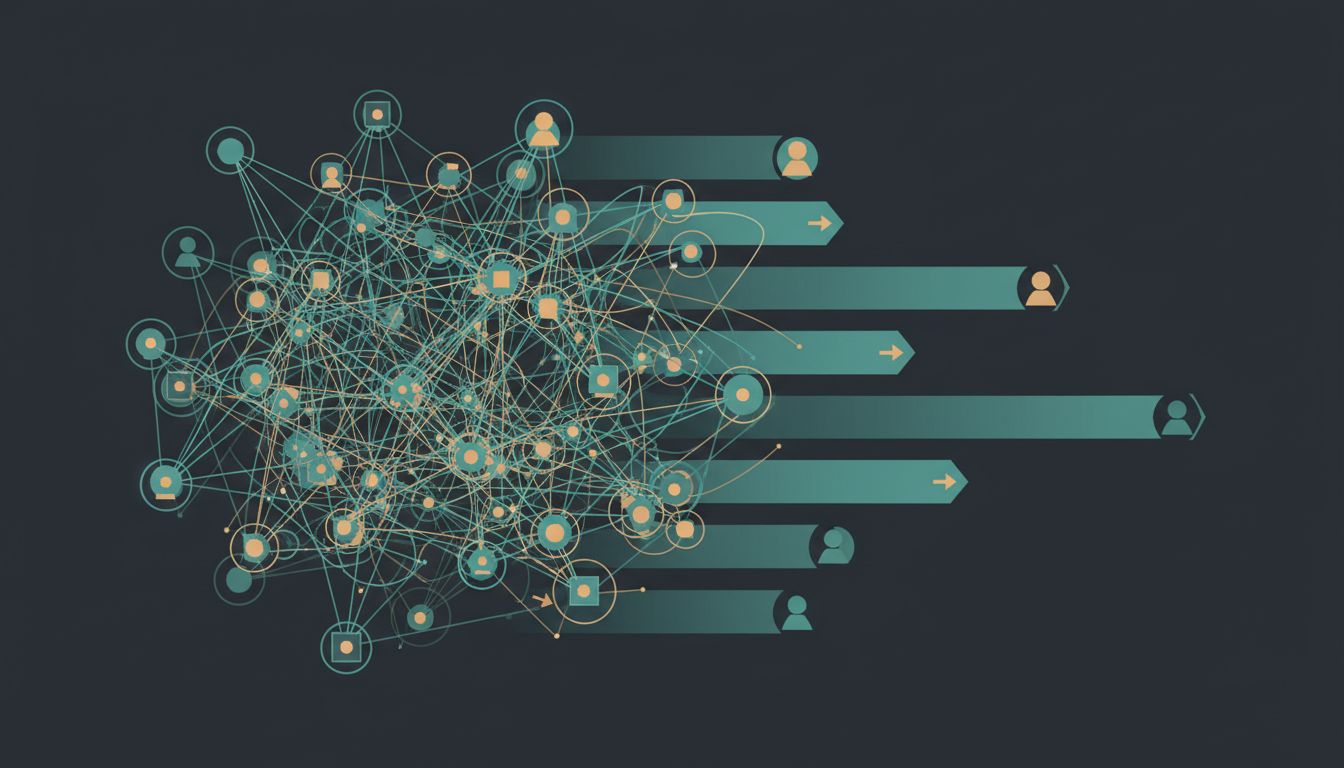
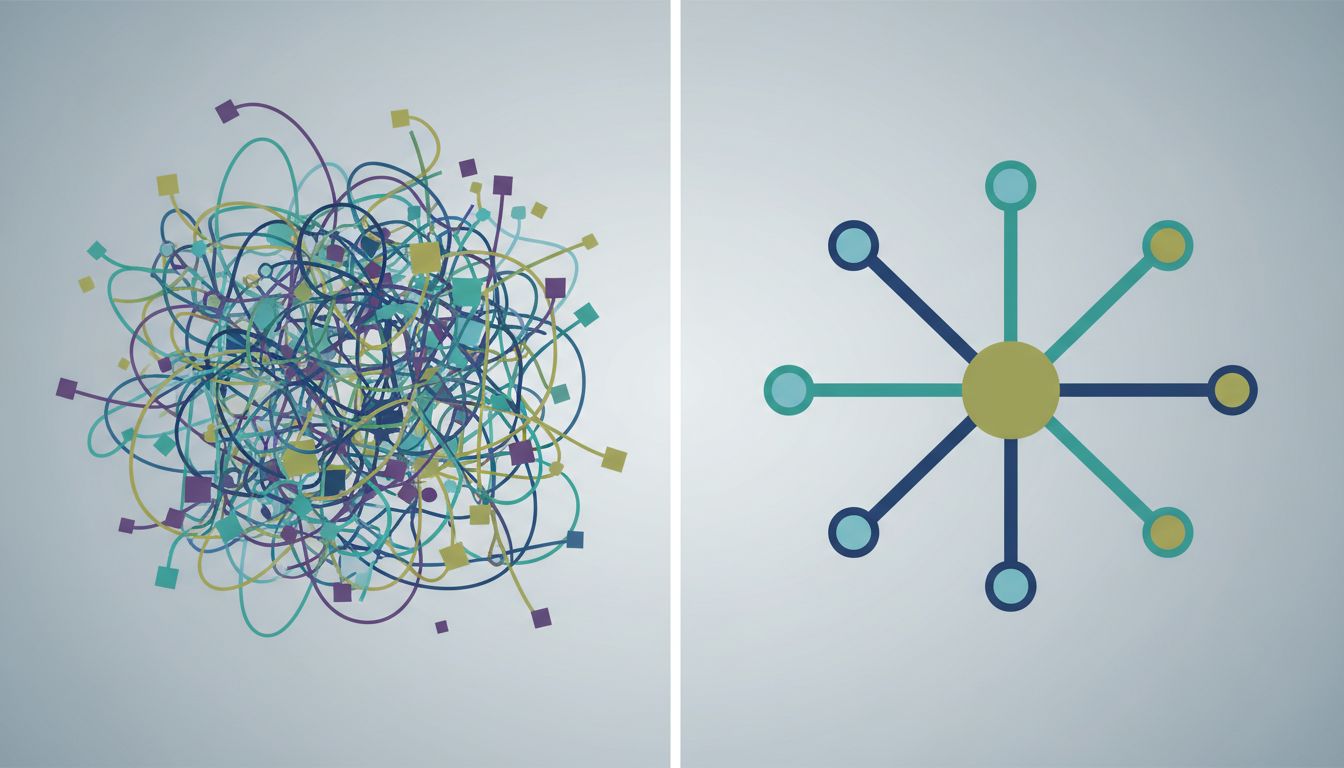
Using one email address for everything is like routing all your application traffic through a single untagged queue. The architecture is the problem.
Asynchronous communication isn't a remote-work consolation prize. For teams that do it deliberately, it's a structural advantage over offices.
Your notes app is a filing cabinet. Your brain is not. The gap between those two things explains why you can't find what you learned.
Blocking one day from meetings while logging 70-hour weeks isn't a productivity strategy. It's a coping mechanism dressed up as one.
Keeping one browser tab open at a time sounds absurd until you understand what multiple tabs are actually doing to your working memory.
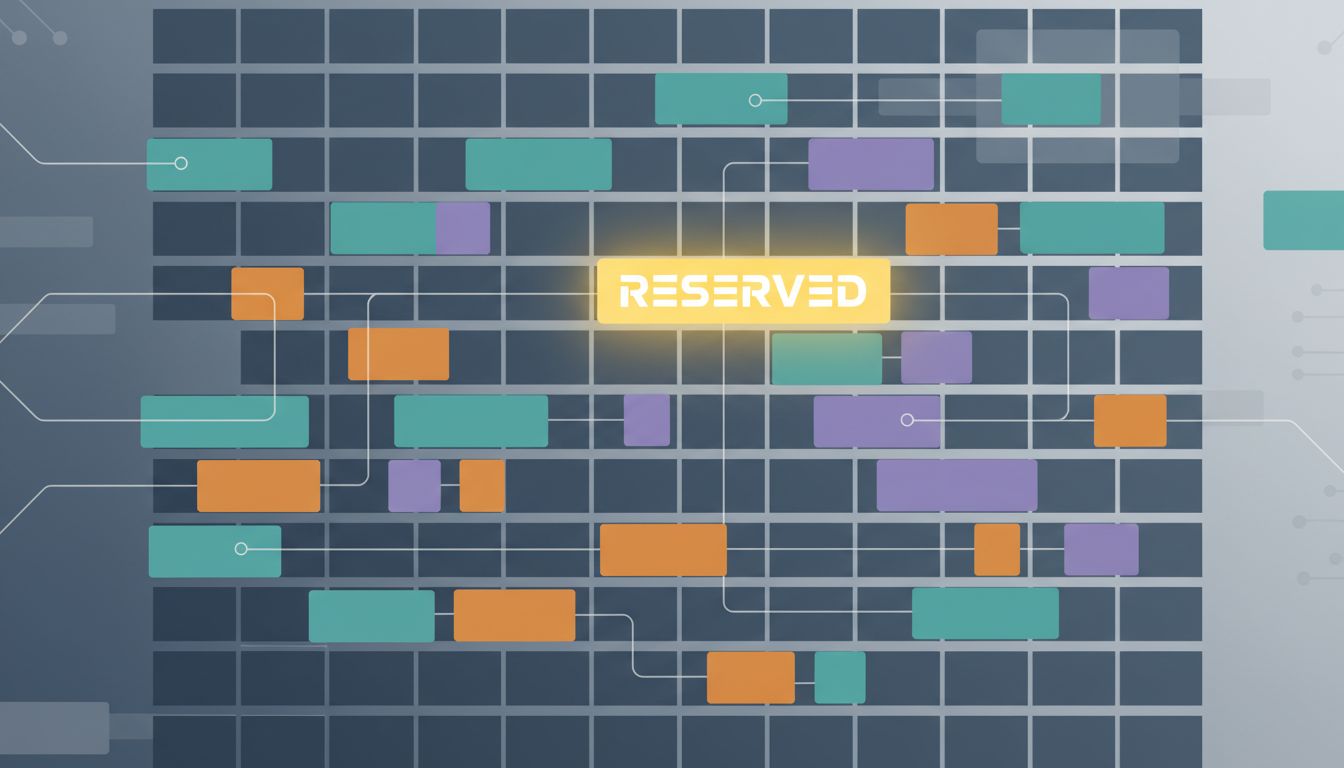
Blocking your calendar with invented meetings isn't a quirky habit. It's a workaround for a fundamental flaw in how shared calendars allocate attention.
A mid-sized design agency stripped its toolkit from 47 apps to 9. What happened next challenges everything productivity culture tells you about tools.
The cost of multitasking isn't just lost time. Each switch teaches your brain to crave interruption, making sustained focus physically harder over time.
The productivity optimization community has it backwards. The people outperforming them aren't using better systems. They're using fewer ones.
It's not about aesthetics. The productivity gains from a clean workspace come from specific cognitive mechanisms you can actually control.
Tech workers swear by one full offline day per week. The productivity math is fuzzier than the headlines suggest, but the cognitive science underneath it is real.
There's a real neurological reason why the best time for hard cognitive work clusters around mid-morning. It's not a productivity hack. It's circadian biology.
Slack and its competitors are optimized for engagement, not productivity. The teams shipping the most work figured this out years ago.
Elite programmers deliberately step away from their hardest problems. This isn't avoidance. It's a technique with a real cognitive basis.
Every productivity system works at first. That's not a coincidence. It's a warning sign you're optimizing the wrong thing.
Adding monitors feels like an upgrade. The research and the psychology say otherwise. Here's what's actually happening to your attention.
The people who build attention-hijacking products often go to elaborate lengths to stop those same products from hijacking their own attention. Here's what they actually do.
Join thousands of readers who get our weekly breakdown of the most important stories in technology.
Free forever. Unsubscribe anytime.