Digital Productivity
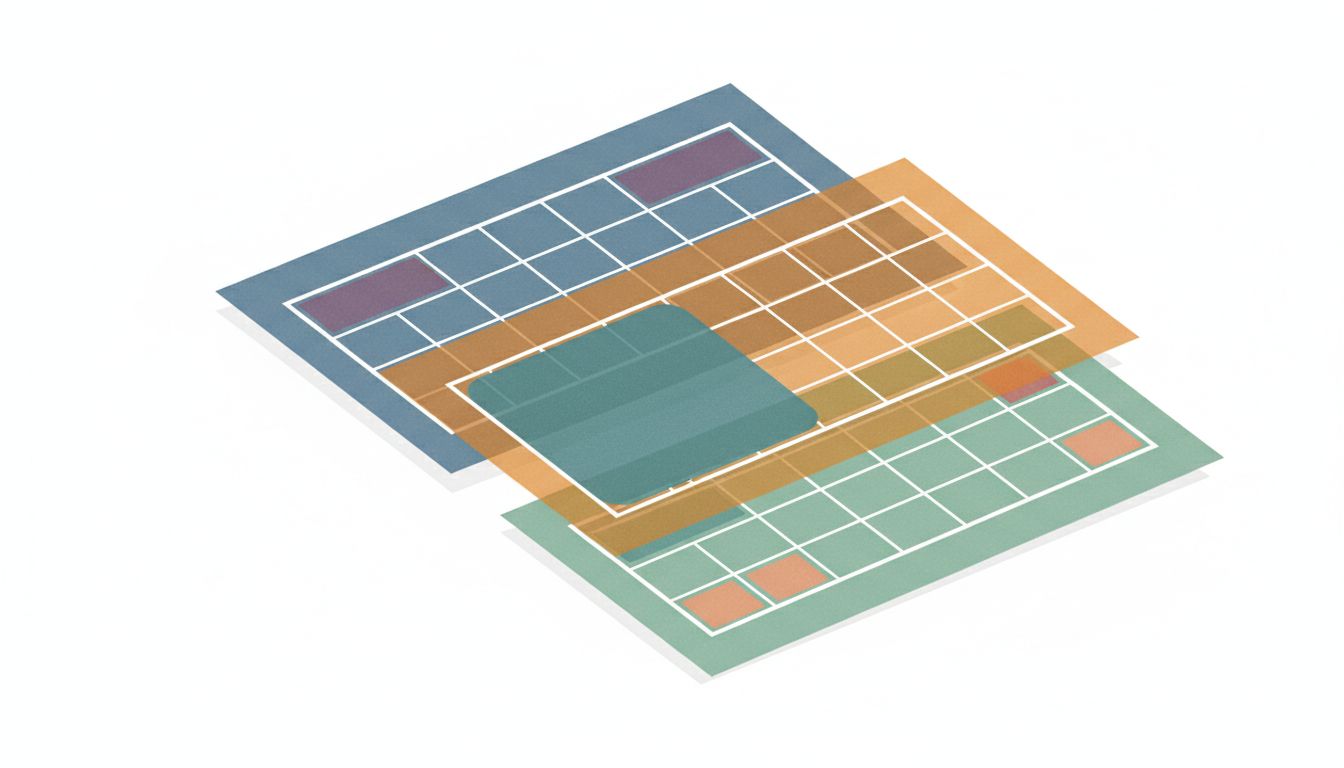
Productivity Experts Use Multiple Calendars Because One Calendar Cannot Do Two Different Jobs
A single master calendar sounds like the organized choice. The people who manage time best know it's actually a trap.
Tools, workflows, and strategies for getting more done with technology.
A single master calendar sounds like the organized choice. The people who manage time best know it's actually a trap.
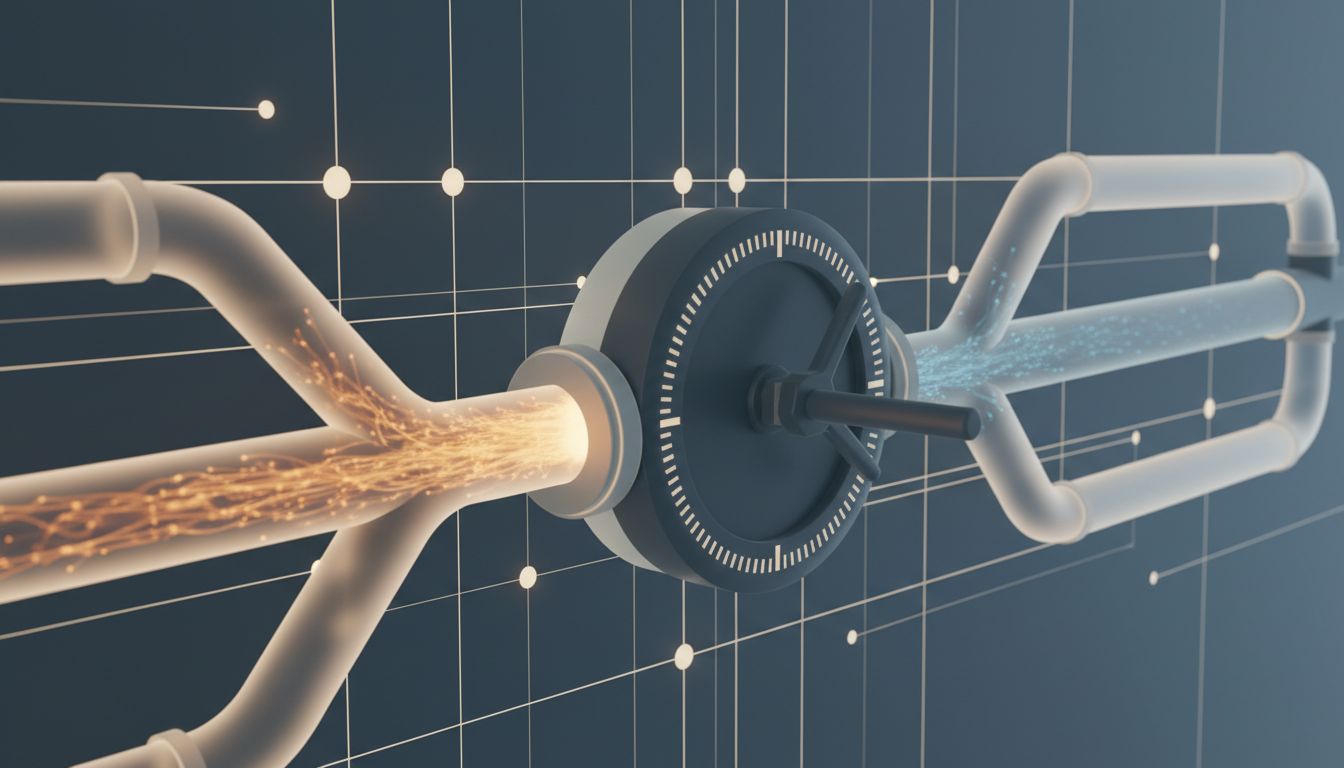
Choosing slower internet sounds counterproductive. Experienced nomads know it's one of the most effective focus tools available.
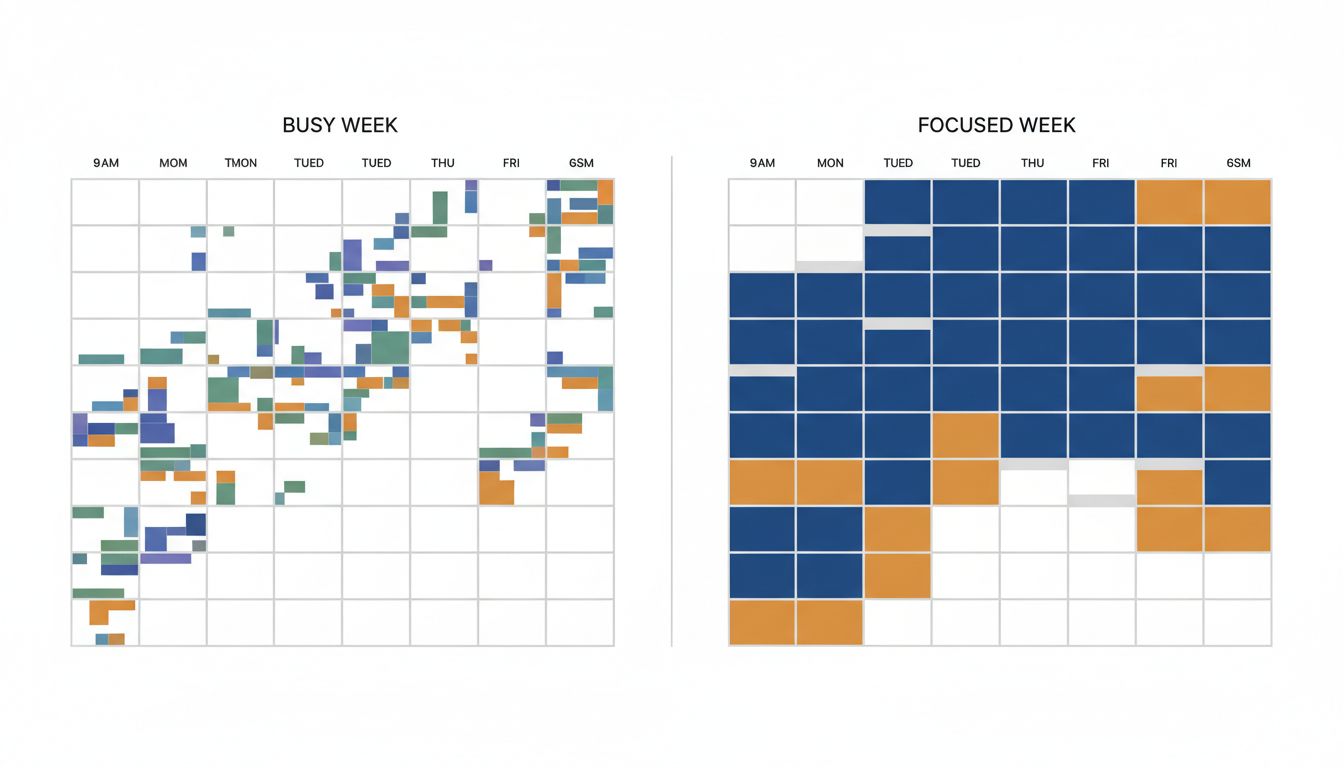
The reverse calendar method flips how developers plan their time, starting with protected deep work and building meetings around it instead of the other way around.
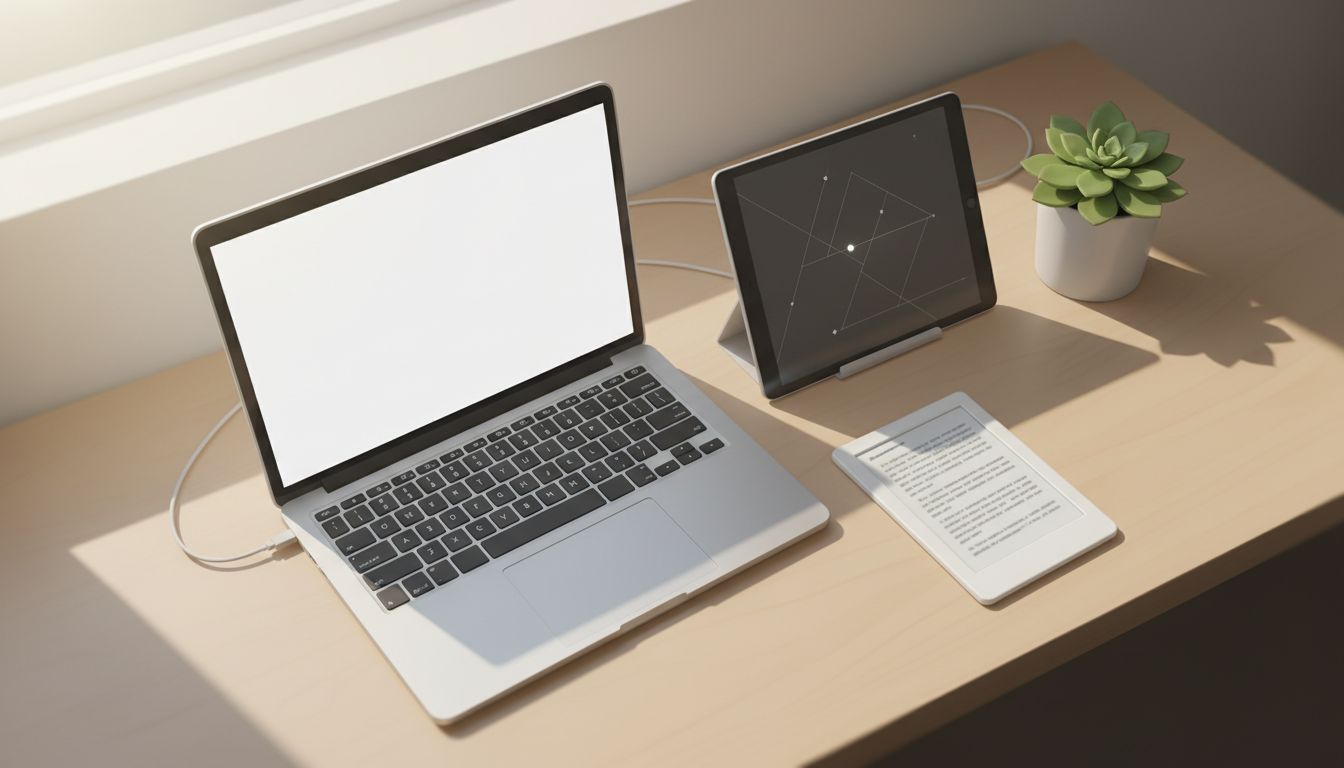
The people who preach doing more with less often own more devices than anyone. Here's the counterintuitive logic that actually makes it work.

Scheduling deliberate idle time sounds lazy. The data says it's the highest-leverage thing you can add to your calendar.
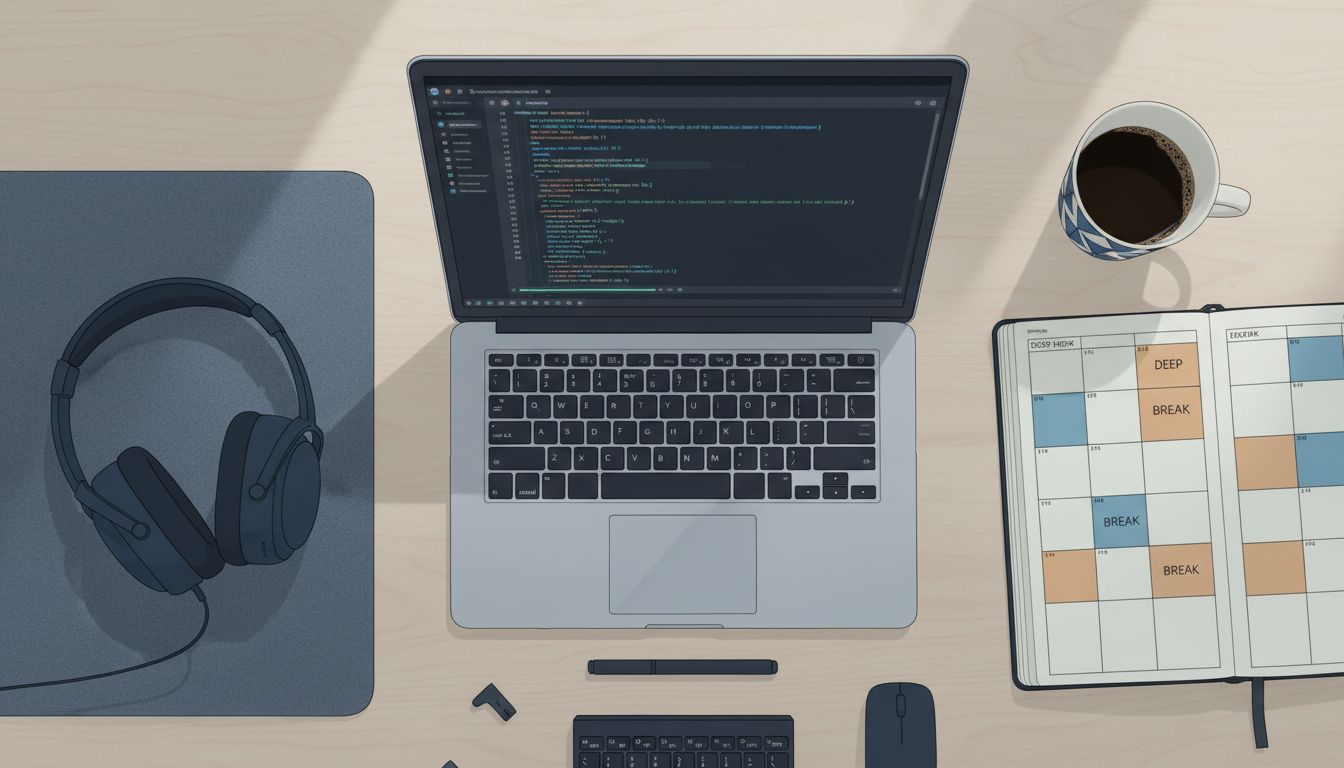
Avoiding interruptions sounds smart until you realize the brain doesn't work like uninterrupted code. Here's what top performers figured out.
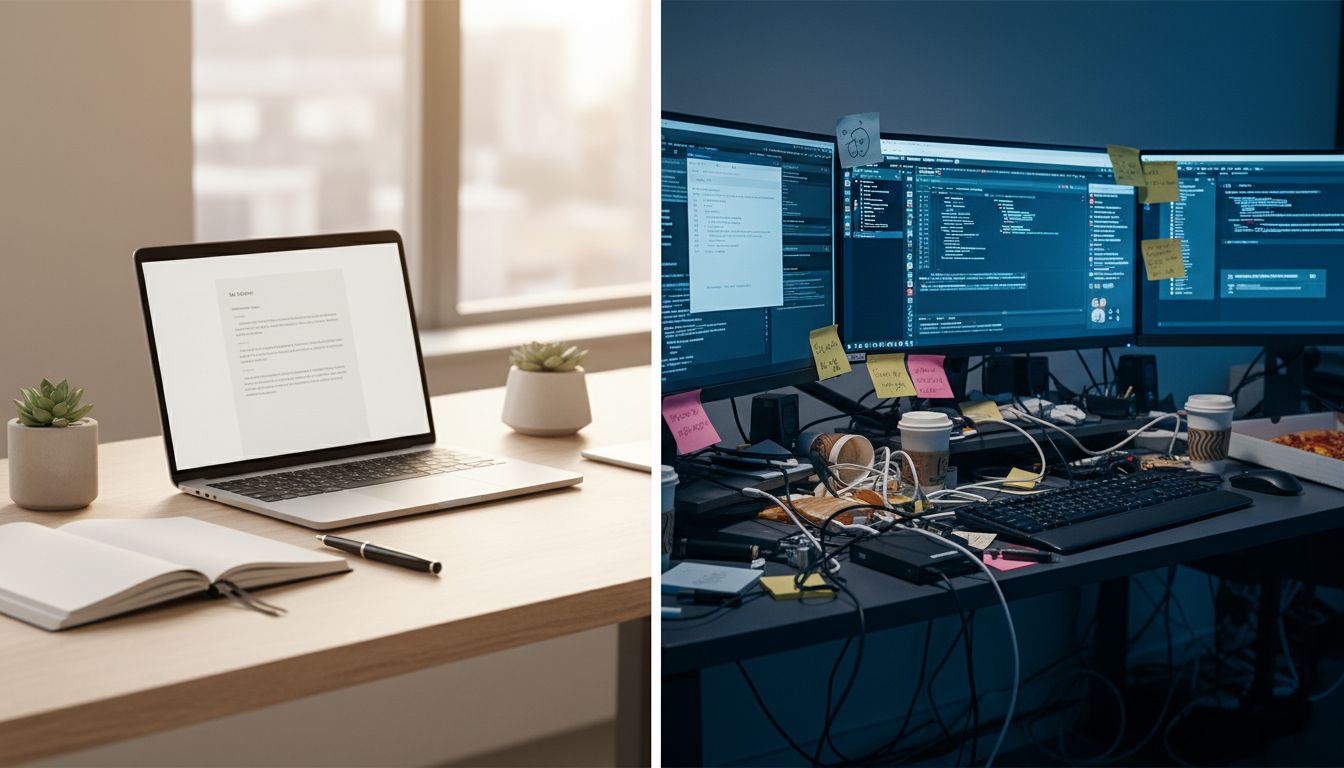
More apps don't mean more output. The people getting the most done are quietly using less, and the research backs them up.
The best digital performers don't just block distracting apps. They make them invisible by design, and the difference is profound.
Your Google Calendar isn't broken. It's working exactly as designed, and that design is subtly training you to be less punctual.
The best engineers don't just optimize their workflows. They periodically destroy them on purpose, and the productivity gains are real.
The best distributed teams aren't just surviving without offices. They're building a communication advantage that synchronous workplaces structurally cannot copy.
Digital notes are fast, searchable, and convenient. They're also quietly killing your creative thinking. Here's the science behind why paper still wins.
The monitor setup on your desk isn't just a preference. It's a signal about how your brain is being used, and whether that's working for you.
The best engineers and founders don't manage distraction. They architect their browser like a codebase, and one constraint changes everything.
Your calendar app isn't neutral. The way it's designed actively undermines how your brain processes time — here's what to do about it.
High-performing teams are quietly downgrading their communication stack, and the productivity gains are hard to argue with.
Lazy loading is a performance trick that top engineers swear by. Turns out, it works just as well on your to-do list as it does on your code.
In a world of infinite digital tools, smart tech workers keep printing things out. The reason is more neurological than nostalgic.
Join thousands of readers who get our weekly breakdown of the most important stories in technology.
Free forever. Unsubscribe anytime.