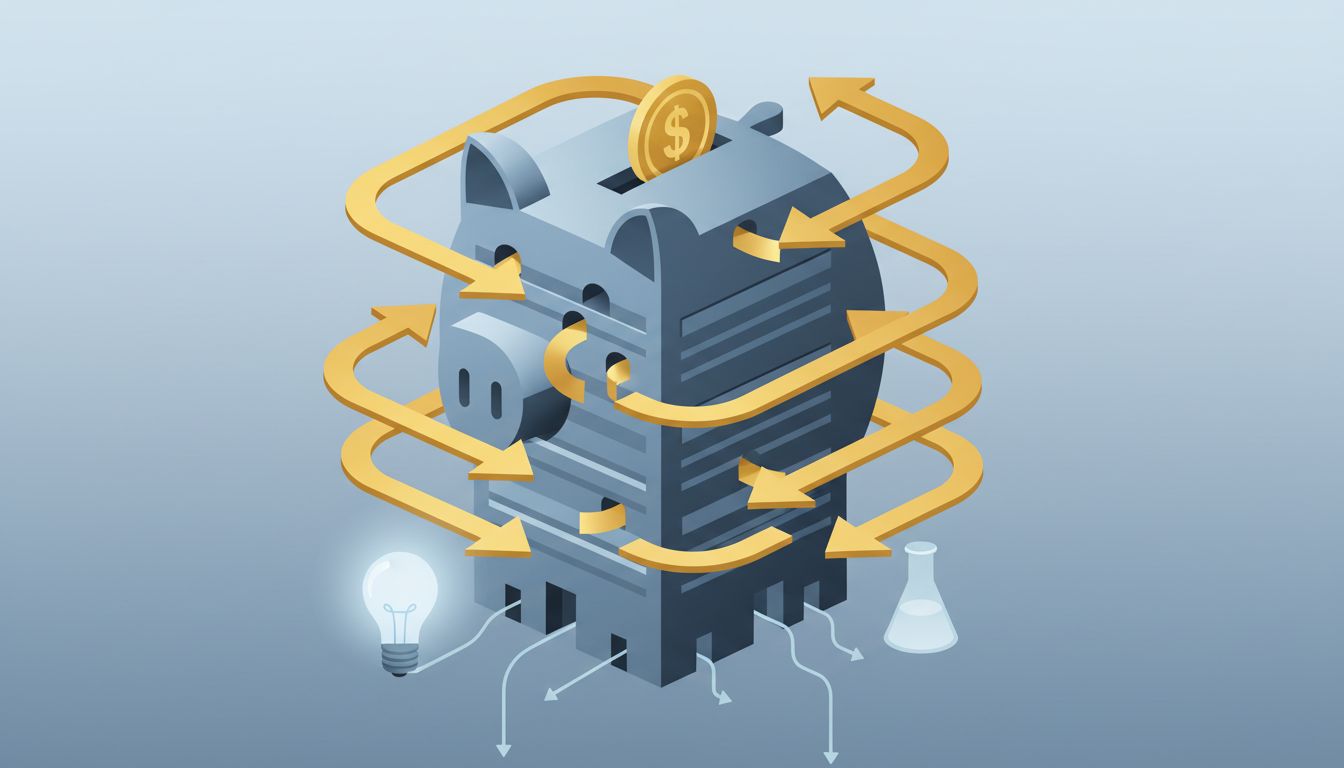
Successful Tech Companies Borrow Against Their Own Future on Purpose, and the Strategy Is Working
Technical debt isn't always a mistake. The best companies in the world treat it like a financial instrument, and the returns are staggering.
The business models, market forces, and financial dynamics driving the tech industry.
Technical debt isn't always a mistake. The best companies in the world treat it like a financial instrument, and the returns are staggering.
A terabyte on Amazon S3 costs roughly 50x more than a physical hard drive. The gap isn't explained by infrastructure. It's explained by power.
Bad API design isn't accidental. It's a revenue strategy hiding behind developer documentation and stack traces.
VCs aren't confused about traditional metrics. They're playing a completely different game, and once you see it, every absurd valuation makes perfect sense.
Platform monopolies design free trials to build switching costs, not showcase value. The psychology behind it is more calculated than you think.
Your $3,000 laptop runs $50,000 worth of software. That ratio isn't an accident. It's the whole business model.
The features you love most are often intentionally hobbled. Here's the cold economic logic hiding behind every artificial limit.
The lowest subscription tier at most SaaS companies isn't designed to make money. It's designed to do something far more valuable.
Planned obsolescence in software isn't a conspiracy. It's a carefully engineered revenue strategy hiding inside your update notifications.
The economics of software pricing have nothing to do with production costs. They never did.
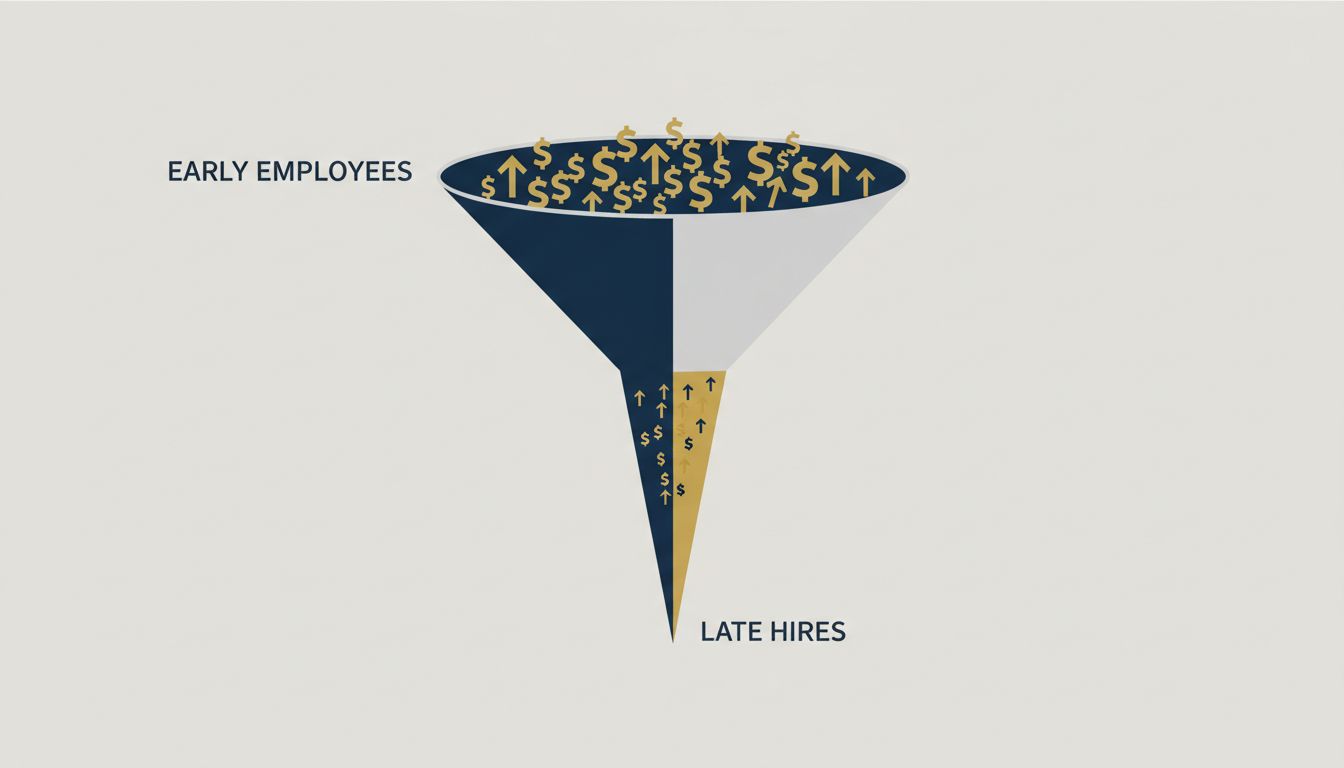
The boomerang employee trend is not nostalgia. It is a calculated economic strategy that makes hiring managers look irrational until you see the numbers.
Platform subsidies let Amazon, Google, and Apple sell products below cost. The losses are intentional. The payoff is enormous.
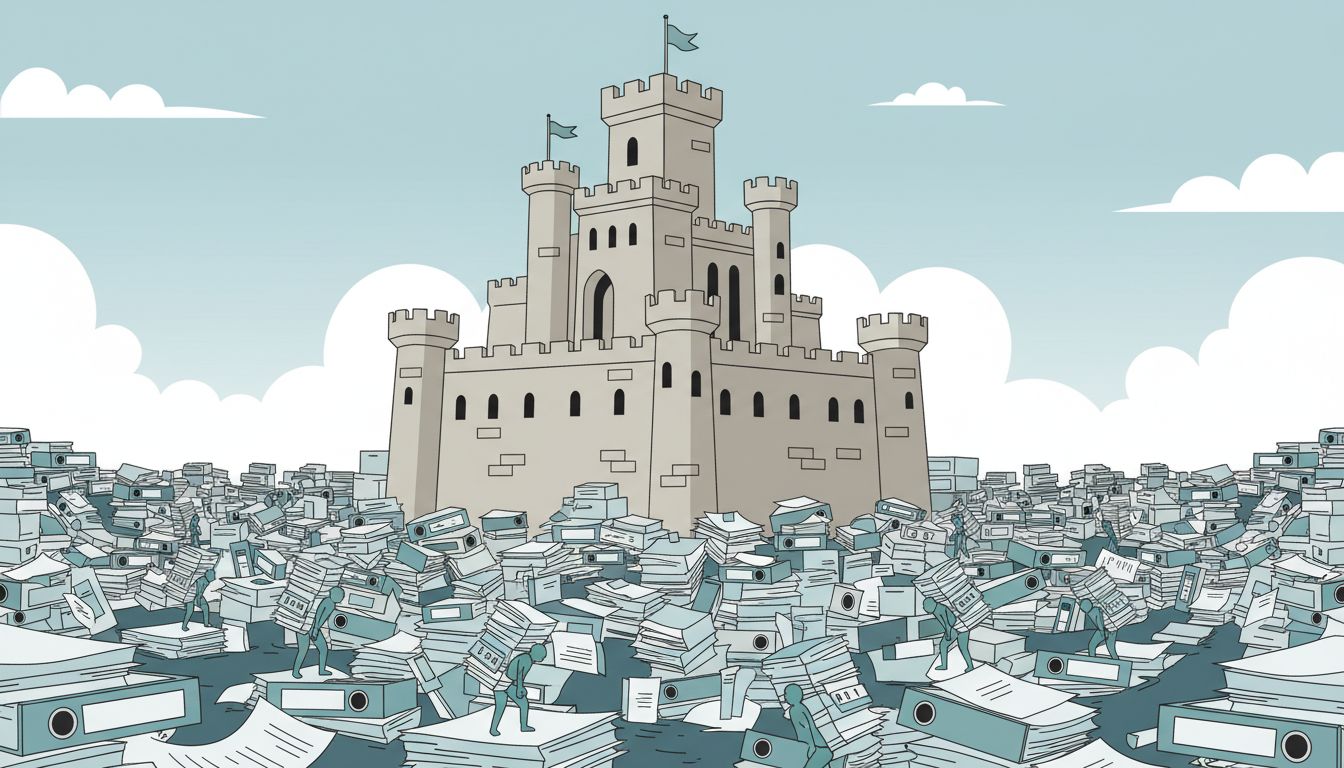
The real reason most digital transformations collapse has nothing to do with technology. It never did.
Planned obsolescence in software isn't a flaw or oversight. It's a carefully engineered revenue strategy hiding in plain sight.
How giants like Apple, Google, and Microsoft weaponize patents to strangle competitors before they even get started.
The Monday crash pattern is real, measurable, and almost entirely caused by human systems, not technical ones. Here's the economics behind it.
Losing money on purpose sounds like bad business. For the most profitable tech companies, it is their most reliable growth strategy.
The conventional wisdom has the causality backwards. Here's what's actually driving both tech compensation and urban housing costs simultaneously.
Join thousands of readers who get our weekly breakdown of the most important stories in technology.
Free forever. Unsubscribe anytime.