
Tech Economics
Open Source Software Runs the World and Almost Nobody Pays for It
The software powering most of the internet was written by people who weren't paid to write it. Here's why that's stranger than it sounds.
The business models, market forces, and financial dynamics driving the tech industry.
The software powering most of the internet was written by people who weren't paid to write it. Here's why that's stranger than it sounds.
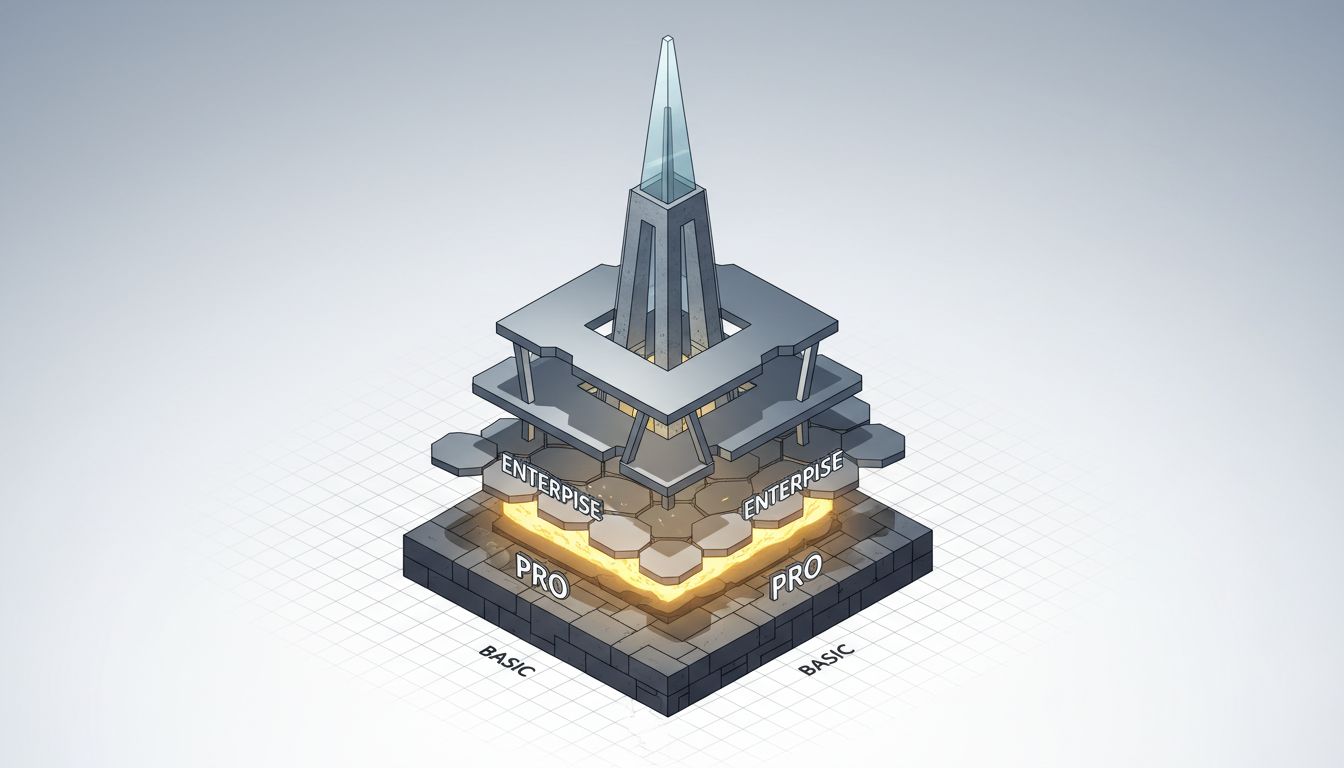
It's not the enterprise plan doing the heavy lifting. The real margin engine is one tier up from your cheapest option, and most founders never fully understand why.

SQLite is the most widely deployed database in history. Its creator spent decades making it correct, not fast. That sequence mattered.
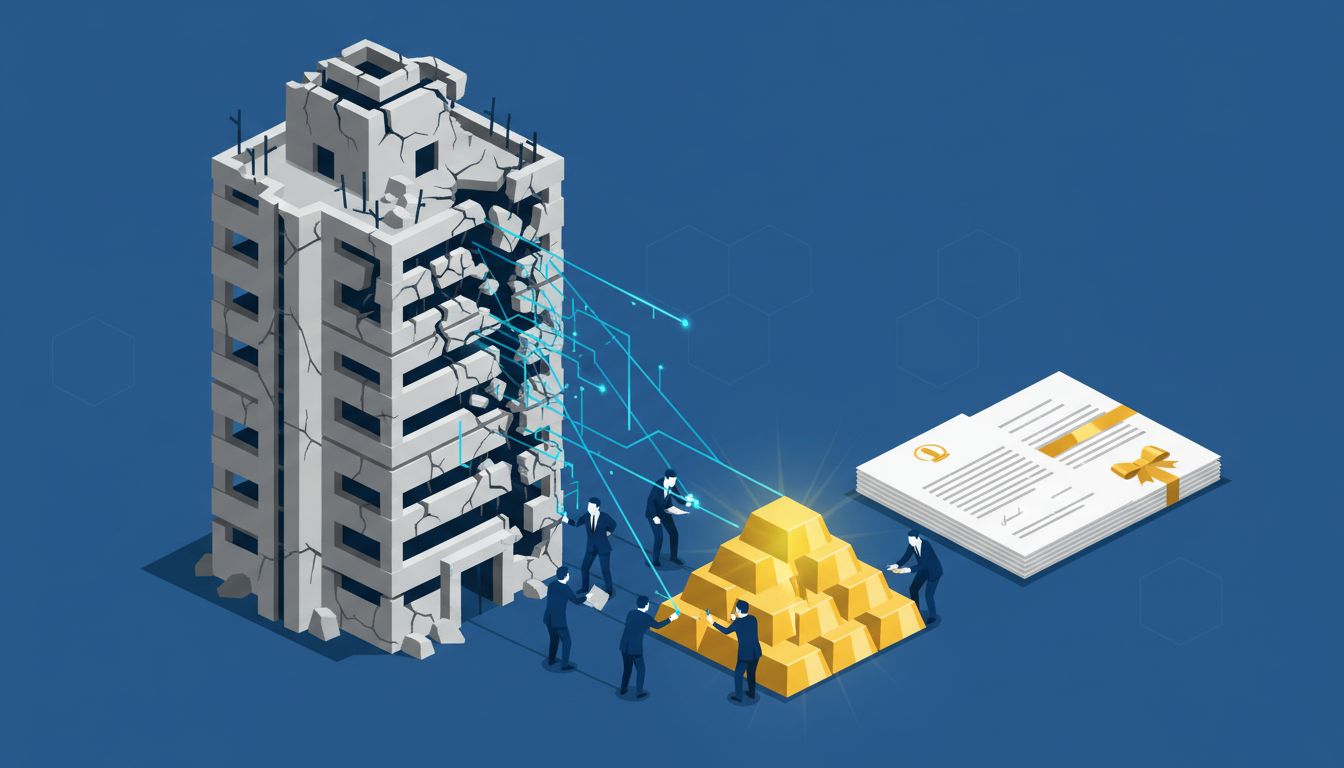
The Nortel patent auction wasn't a sad footnote to a corporate collapse. It was the business model working exactly as intended.
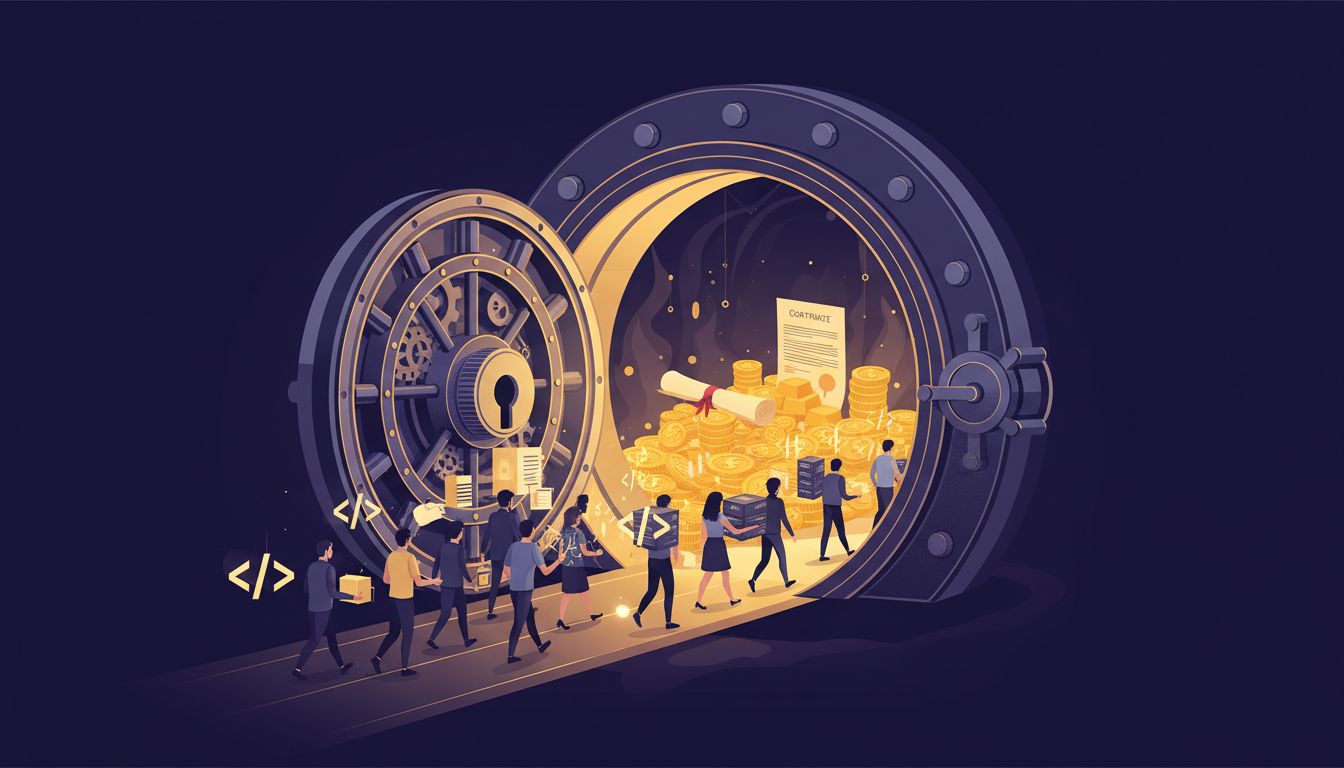
The companies that give their core product away for free are now worth more than the ones who locked it behind a paywall. Here's why the math actually works.

The most valuable engineers at high-growth tech companies aren't the ones shipping the most code. They're the ones stopping the wrong code from being written.

When a VC backs your competitor, it feels like betrayal. It's actually a deliberate portfolio strategy with a specific financial logic founders rarely see clearly.

How Meta's 'Year of Efficiency' became a masterclass in what tech companies actually optimized during the hiring boom — and what they were hiding.

The middle tier exists to make the top tier feel reasonable. The bottom tier exists to make you feel like you have a choice.

When Google led a $300M investment round in Anthropic, it looked like self-sabotage. The logic behind it reveals how large tech companies actually think about existential risk.
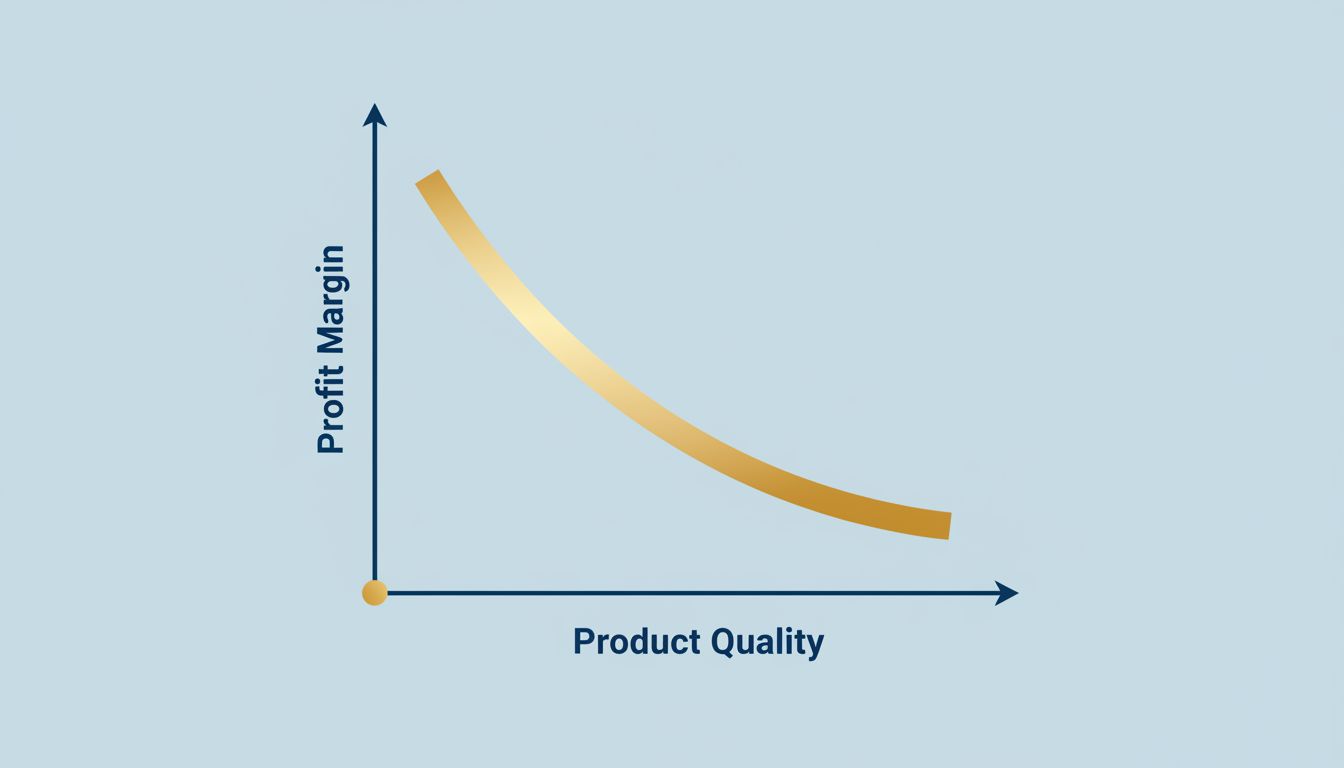
Tech's biggest companies don't maximize profit on their best products. They extract it from their worst ones. Here's the structural reason why.
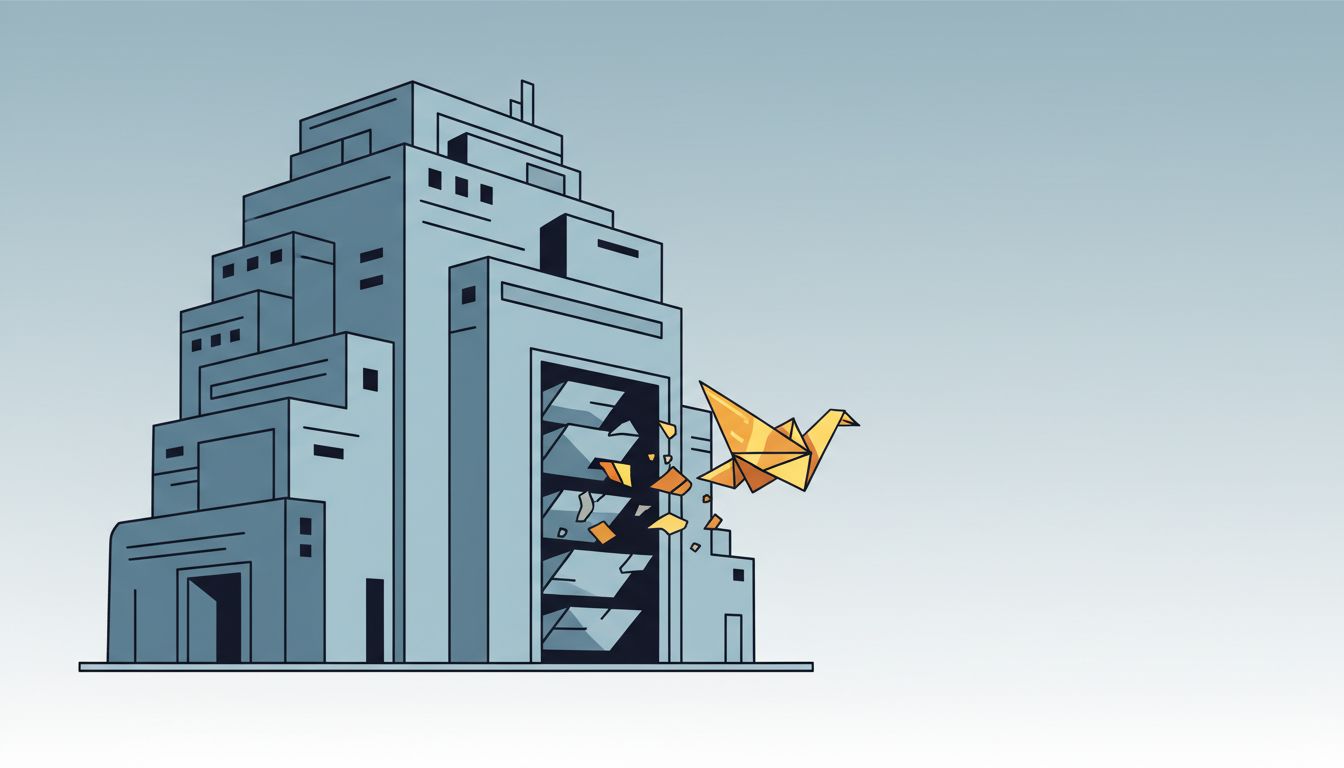
Every major tech acquisition failure has the same root cause. It has nothing to do with integration problems or culture clash.

Buybacks look like financial engineering. They are, but not in the cynical way most critics assume. The real logic runs deeper.

The richest companies in tech history built their fortunes without factories, fleets, or physical inventory. This is not a coincidence.
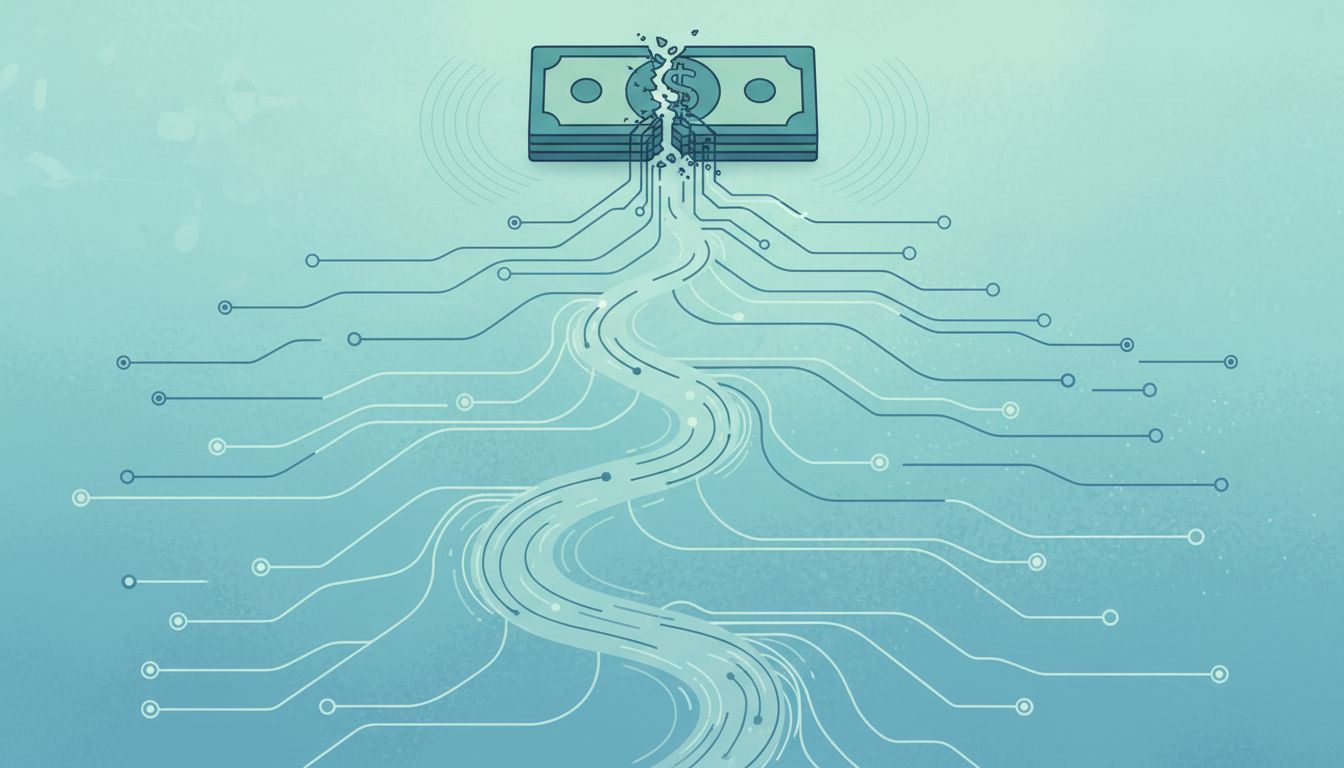
Software revenue recognition isn't an accounting quirk. It reflects something structurally true about what software actually is and when it actually gets delivered.

The real power of a patent portfolio isn't in the courtroom. It's in the conversations that never happen because the other side already did the math.

The labyrinthine exit clauses in enterprise software deals aren't bad legal writing. They're the product.

The fastest-growing SaaS companies often have the worst unit economics. Here's how the math gets hidden, and why investors keep funding it anyway.
Join thousands of readers who get our weekly breakdown of the most important stories in technology.
Free forever. Unsubscribe anytime.