
Tech Economics
Why Number Two Usually Makes More Money Than Number One
Market leaders capture share. Their closest rivals capture margin. The economics behind this pattern explain some of the most counterintuitive outcomes in tech.
The business models, market forces, and financial dynamics driving the tech industry.
Market leaders capture share. Their closest rivals capture margin. The economics behind this pattern explain some of the most counterintuitive outcomes in tech.

The tools your team pays nothing for tend to become the hardest to leave. Here's why cheap software is a trap, and how to spot it before you're inside.

Adding a second engineer feels like doubling your output. It usually isn't. Here's the friction you don't see coming.
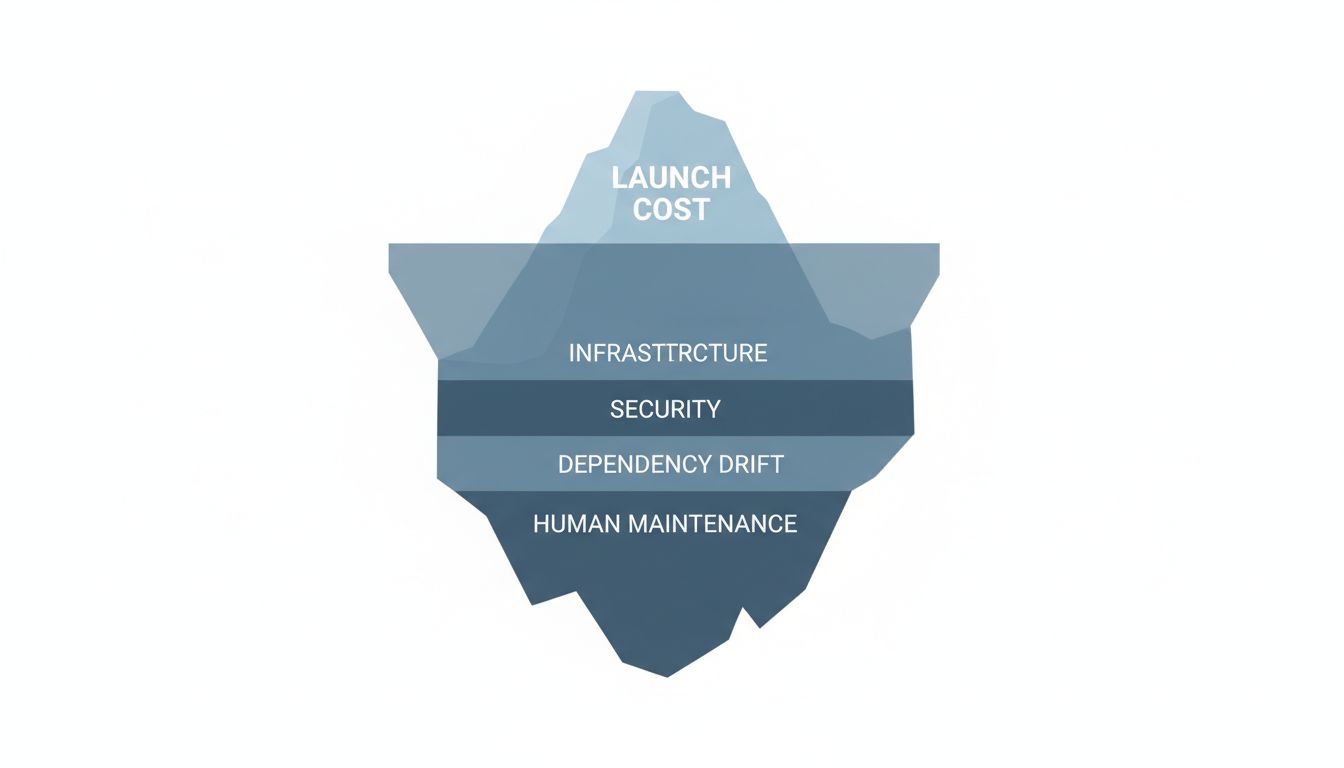
Shipping is the beginning of the expense, not the end. Most founders budget for launch and forget to budget for survival.

Being first gets you credit. Being second gets you customers. Here's why the pioneer rarely collects the prize.

Well-funded startups don't fail despite their money. They often fail because of it. Constraints aren't a handicap — they're a forcing function.

Being first sounds like an advantage. Historically, it's often a curse. Here's why the pioneer usually loses and the fast follower cashes in.

Acqui-hires look like exits but rarely pay like them. Understanding the structure before you sign tells you exactly how much your equity is worth: often close to nothing.

Open source projects can have millions of users and still fail to convert that into sustainable revenue. Here's why the economics work against them.

Cutting your AWS bill feels like discipline. For a mid-sized SaaS company, it turned into the most expensive decision they made all year.

Adding engineers to a small team doesn't multiply output. It divides attention, multiplies coordination, and often cuts velocity in half before it adds anything.

First movers get the glory in startup mythology. Second movers get the market share. Here's why the pattern holds, and what it means for founders.

Amazon's most productive engineers sometimes don't write code at all. The logic is counterintuitive but the economics are clear.
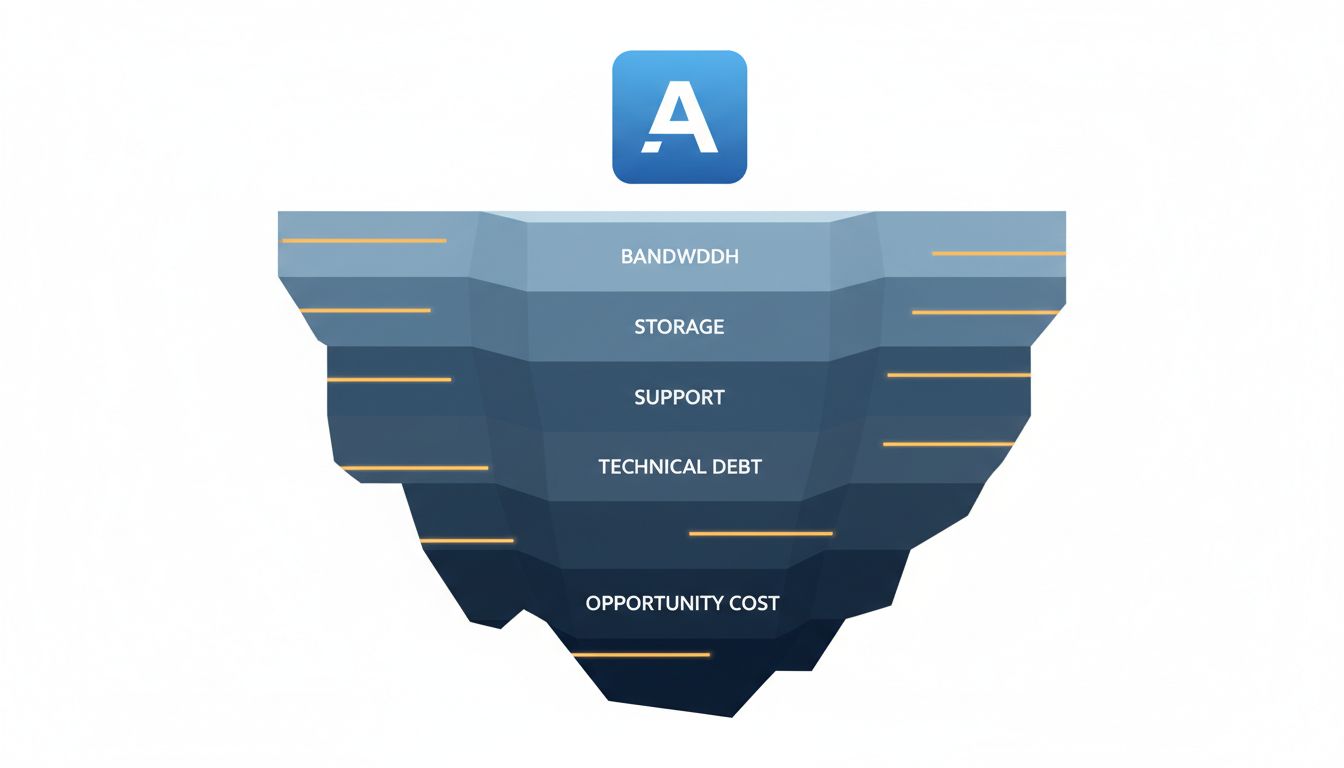
Overcast built a loyal audience with a free app and nearly went broke serving it. The math behind free is stranger than most founders expect.

Winning a tech market sounds great until you see the bill. The company just behind the leader is often extracting far more profit per dollar of revenue.

Acqui-hires look like talent deals. But what companies are really buying is far more fragile than any contract reveals.

A record-breaking quarter can quietly become a company's biggest obstacle. Here's the mechanism, told through Basecamp's growth story.

A startup picked the middle storage tier to save money. Two years later, they'd spent three times what premium storage would have cost. Here's the math.
Join thousands of readers who get our weekly breakdown of the most important stories in technology.
Free forever. Unsubscribe anytime.