
Tech Economics
The Unpaid Maintainer Behind Software Worth Billions
A single developer's burnout nearly broke a piece of infrastructure that half the internet depends on. The economics behind that story are worse than you think.
The business models, market forces, and financial dynamics driving the tech industry.
A single developer's burnout nearly broke a piece of infrastructure that half the internet depends on. The economics behind that story are worse than you think.
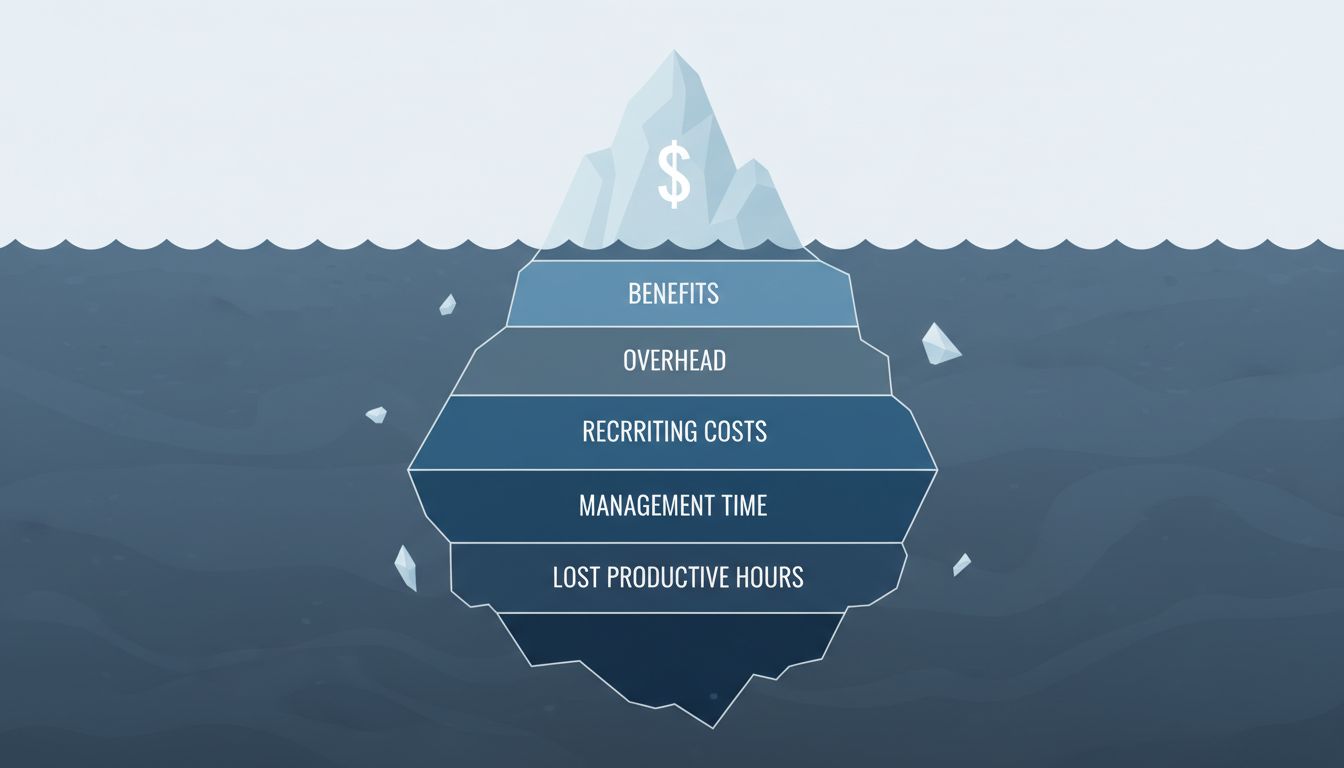
Salary is the starting point, not the answer. The true cost of a developer hour includes a long list of line items most engineering managers never total up.

Coming in under budget on a software project isn't a win. It's a confession that you didn't know what you were building.

The problem isn't that companies ignore cloud costs. It's that the structure of cloud pricing is designed to make accurate forecasting nearly impossible.

The software powering trillion-dollar companies was built by volunteers. Here's how that happened and why it keeps working until it suddenly doesn't.

When a SaaS company collapses, the founders move on. The customers are left holding broken software, locked data, and no good options.

Lines of code is the worst metric in software economics. Here's what actually predicts whether an engineer makes your team faster or slower.
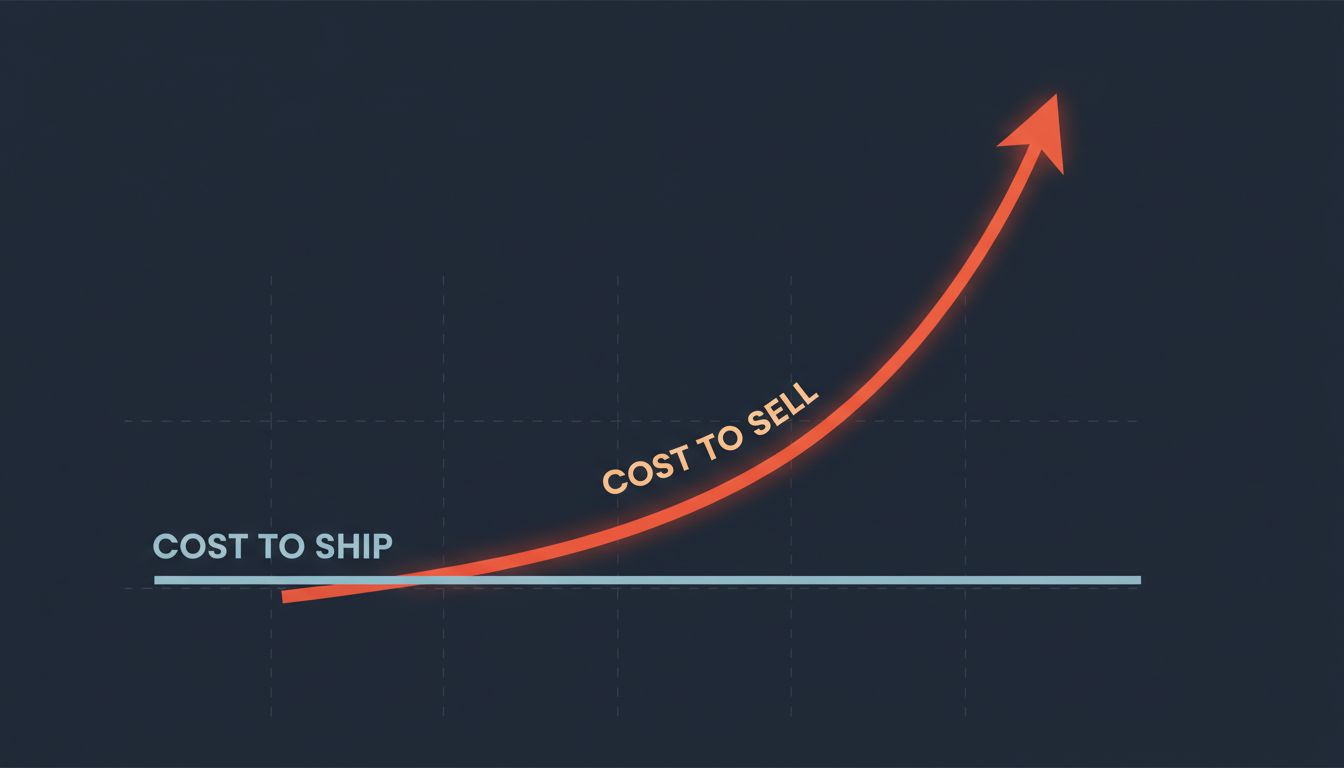
Founders fixate on zero marginal cost as the magic of software. But the cost of acquiring, convincing, and keeping customers doesn't scale the same way the product does.

Acqui-hires are sold to employees as soft landings. For founders and investors, sometimes they are. For everyone else, the math is brutal.
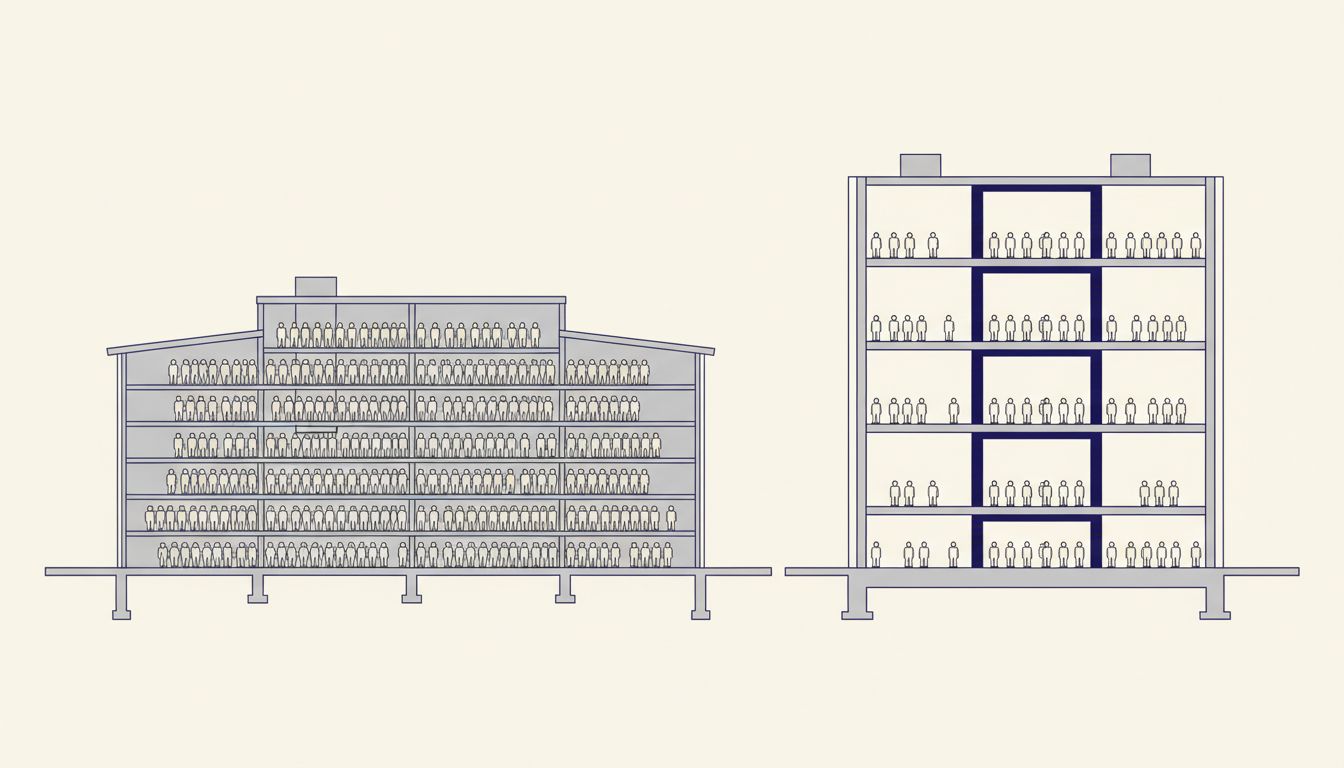
High prices aren't a growth obstacle. For B2B software, they're often the engine. Here's why the math works the way it does.

Counterintuitive but consistent: higher API prices often attract more serious buyers, reduce support burden, and improve retention. Here's the mechanism behind each.

The software holding up the internet is often maintained by unpaid volunteers. Here's why that's a structural problem, not a gratitude problem.
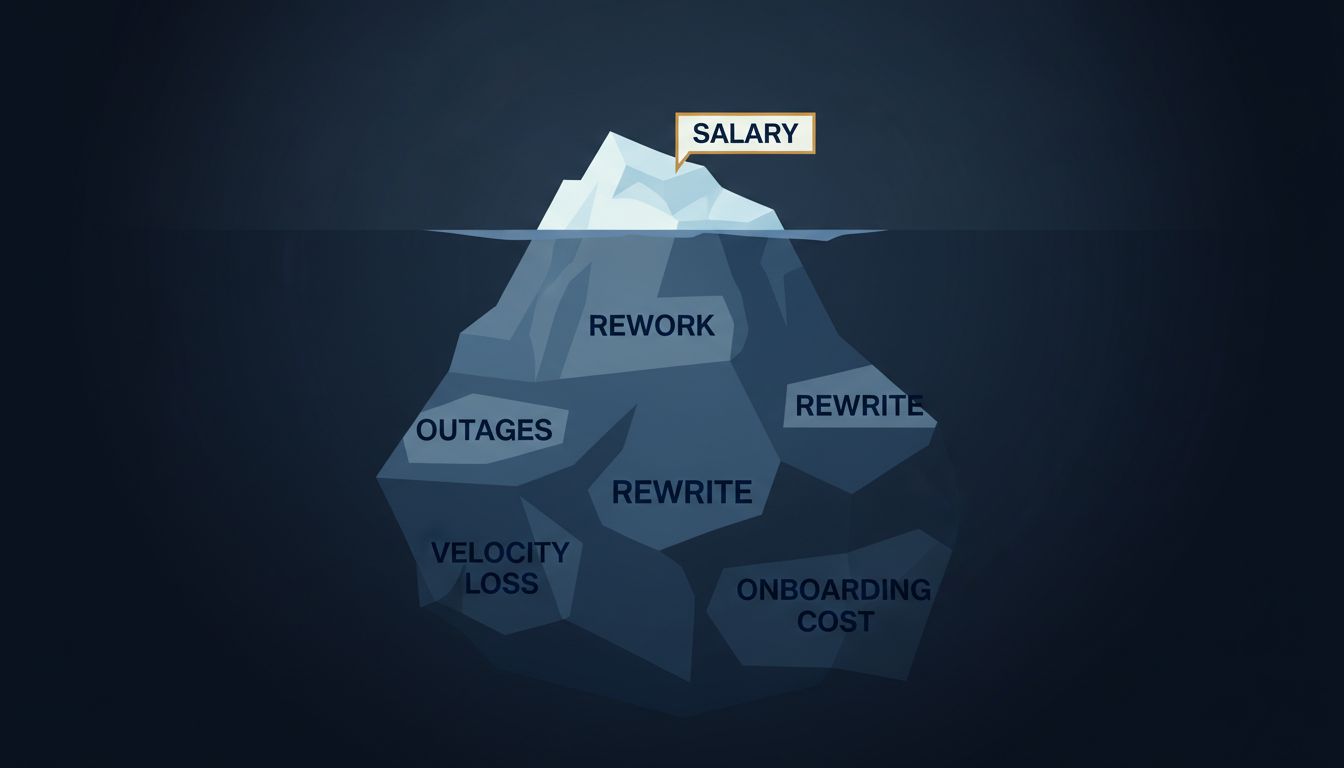
The salary number on an offer letter is the least important variable in engineering economics. Most companies never learn this until the damage is done.

Most startups that survive their first product die on their second. It's not bad luck. It's a set of structural traps that repeat with eerie consistency.

When HashiCorp flipped Terraform to a non-compete license in 2023, it revealed a structural problem the industry has been ignoring for decades.

Salary is the wrong unit of measurement for engineering talent. The real cost is in what doesn't get built, what breaks, and what slows everyone else down.

The acquisition offer isn't always about ownership. Sometimes it's about neutralization. The economics of competitive suppression explain more tech history than most people realize.

Burn rate tells you what a founder believes about the future. Here is how to read the signal correctly.
Join thousands of readers who get our weekly breakdown of the most important stories in technology.
Free forever. Unsubscribe anytime.