Technology
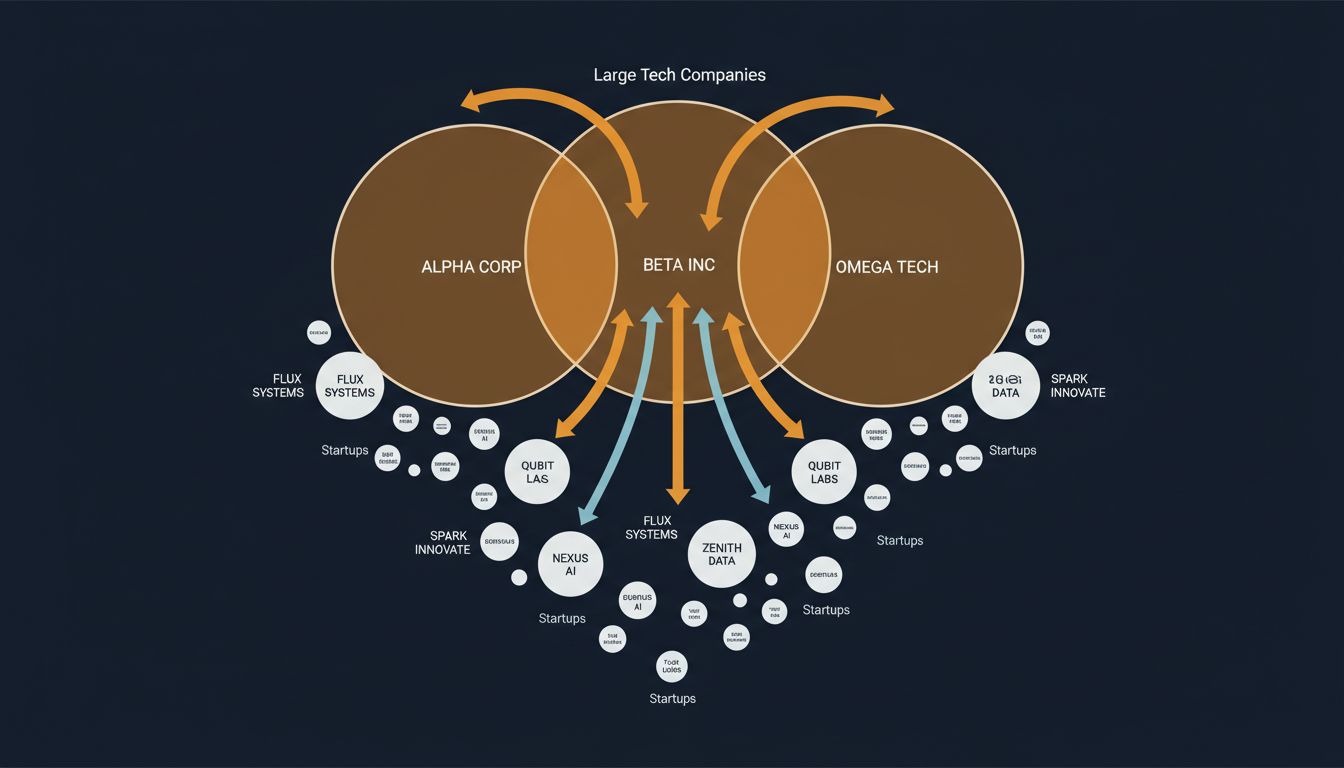
Big Tech Funds Its Competitors Because Winning the Market Is Less Valuable Than Shaping It
Microsoft invested in OpenAI. Google funded Anthropic. This looks like charity. It is the opposite.
Deep dives into the technology that shapes our world, from hardware breakthroughs to platform strategies.
Microsoft invested in OpenAI. Google funded Anthropic. This looks like charity. It is the opposite.

Planned obsolescence in tech isn't negligence or short-termism. It's a precise, rational strategy that most companies execute deliberately and well.

Contact list access isn't about making apps work better for you. It's about building a shadow graph of human relationships that no one consented to share.

The features that keep you online longest aren't accidents of good design. They are the product, and you are the inventory.

Tech companies have repackaged artificial scarcity as exclusivity, and we keep falling for it. The waitlist is not capacity management. It is manufacturing desire.

Every major platform added dark mode within two years of each other. The timing wasn't a coincidence, and user comfort wasn't the reason.

The bug backlog isn't a failure of discipline or resources. It's a feature of how software economics actually work.

The Batterygate scandal wasn't a cover-up of planned obsolescence. It was a window into how tech companies make decisions that hurt users while believing they're helping.
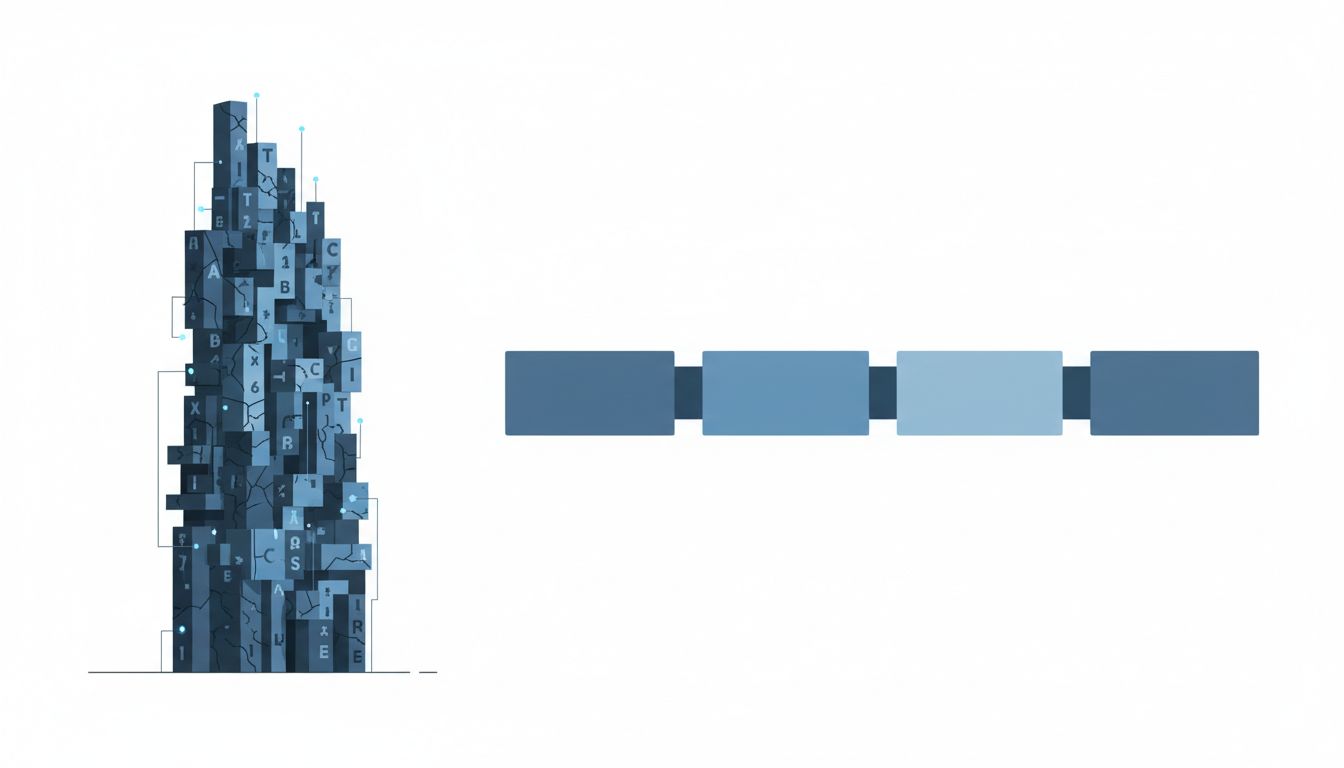
The rules that produced Tr0ub4dor&3 turned out to be worse than the rules they replaced. Here's what the research actually shows.

Planned obsolescence gets blamed on greed. The real explanation is more structural, and more troubling.
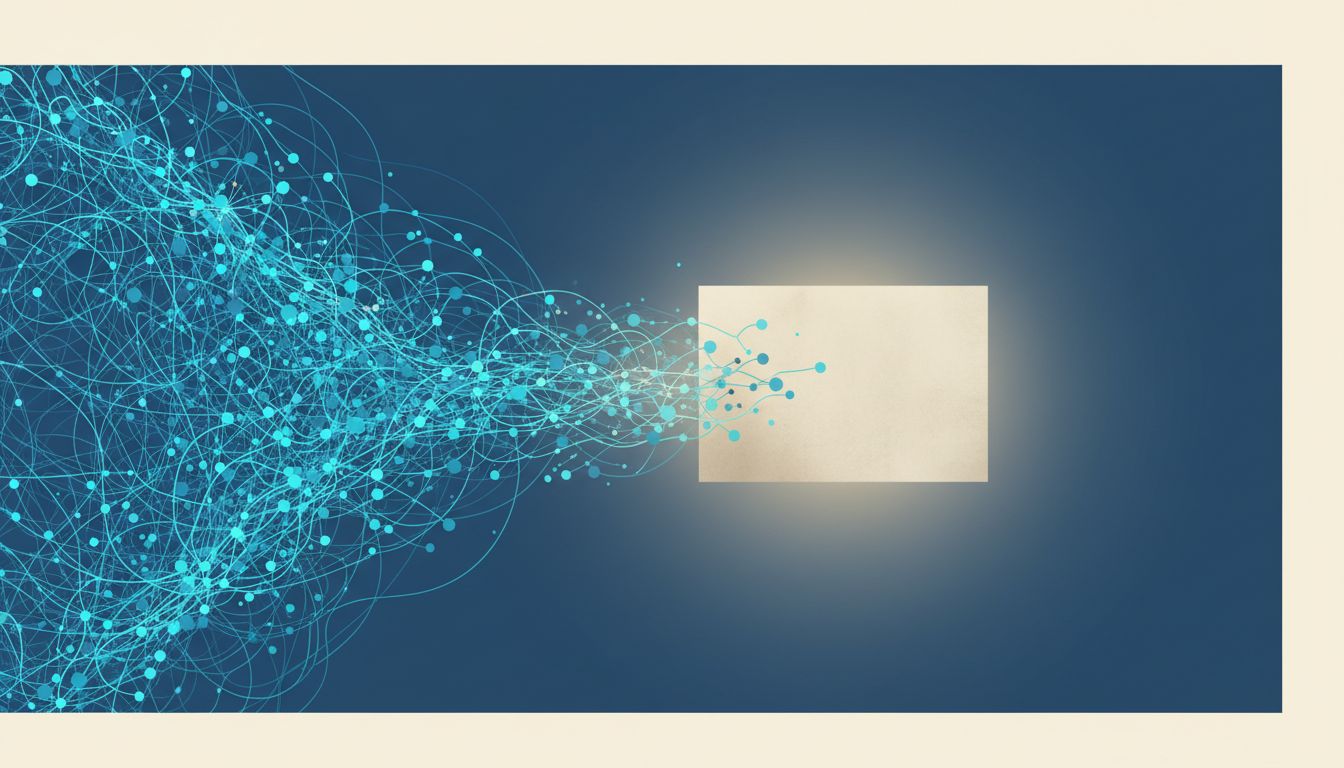
Digital security has become so sophisticated that it has created a new vulnerability: everything is connected. Paper is not a backup plan. It is the actual plan.

The 'I Agree' button is not a contract. It is a liability shield engineered to look like one.
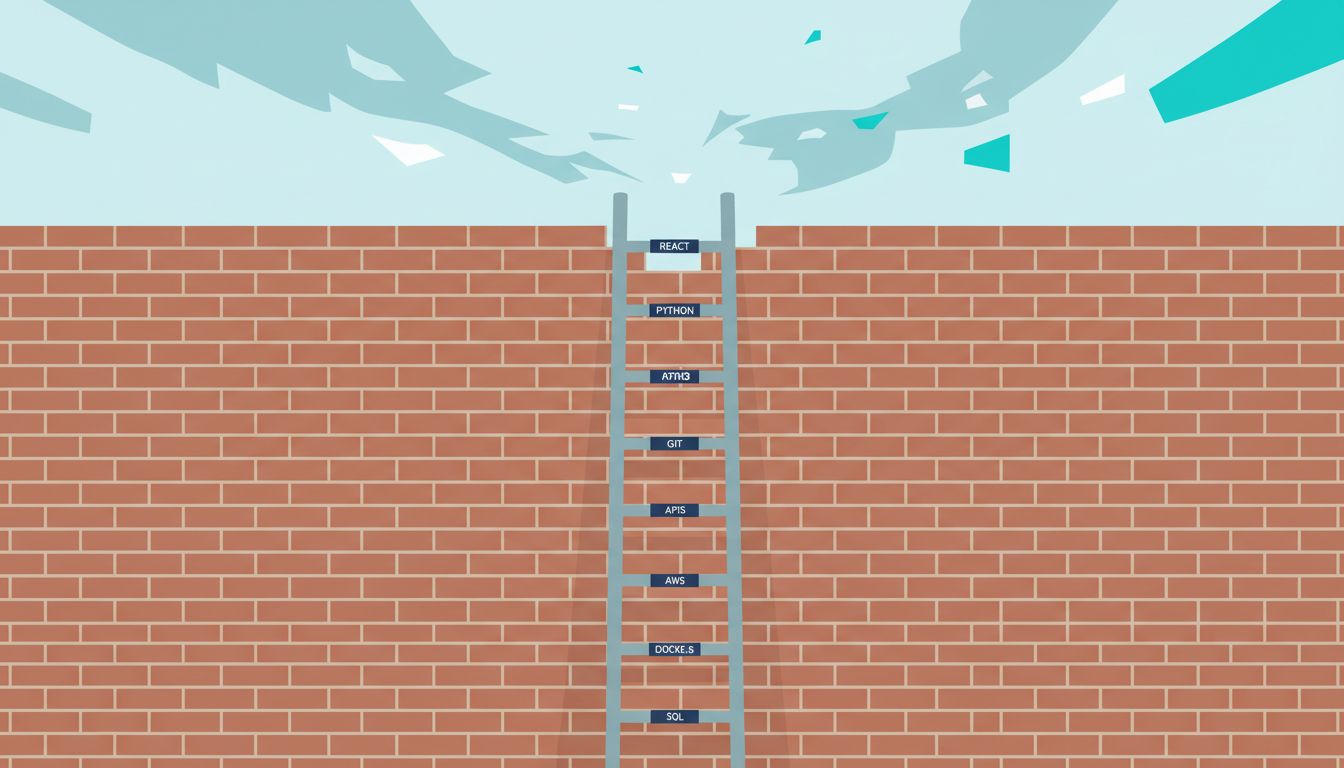
The coding bootcamp industry has a placement problem it refuses to name. The graduates who fail aren't failing to learn syntax. They're failing to learn something the curriculum never teaches.

The simple story is that Apple throttles your old iPhone to sell you a new one. The real story is messier, and more damning.

Rebooting isn't a lazy fix. It's the most reliable solution to a class of problems that modern software engineering has largely decided not to solve.
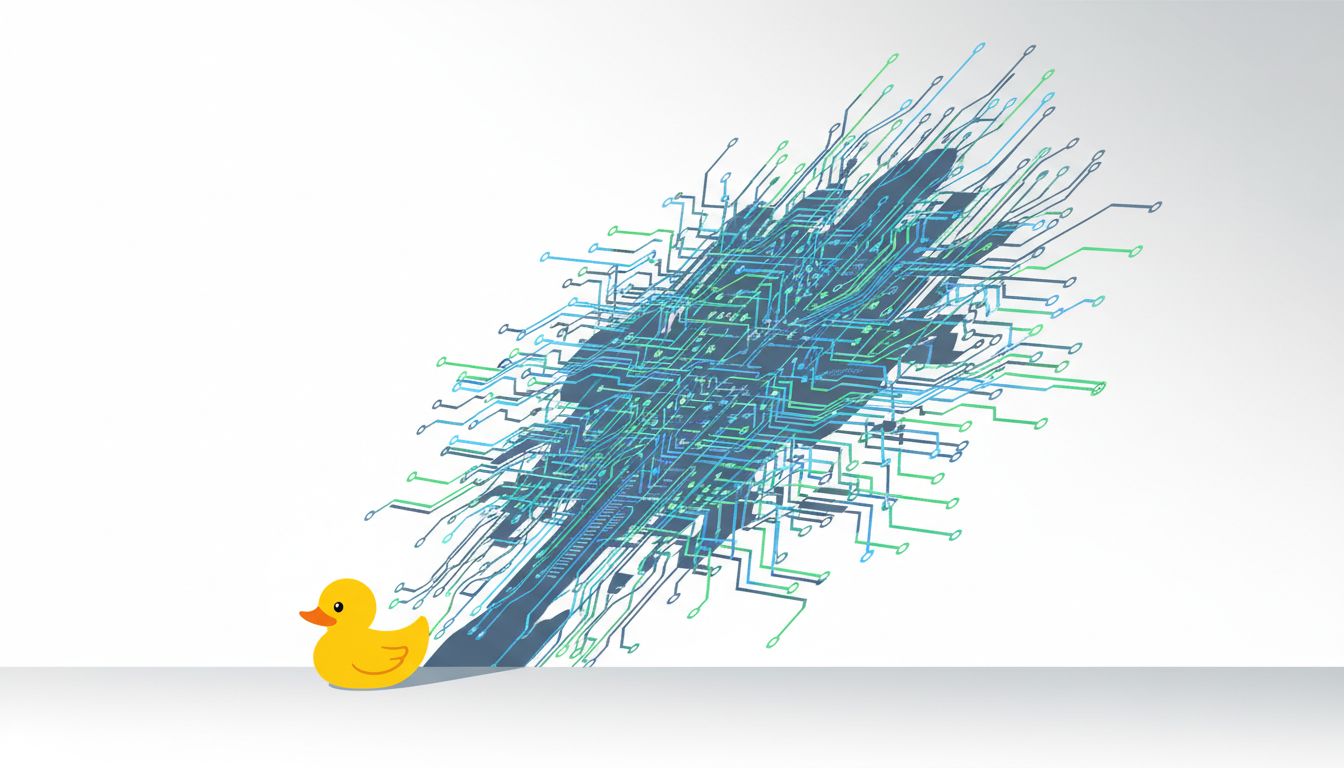
Rubber duck debugging sounds like a programmer's folk remedy. It turns out to be one of the most reliable problem-solving techniques in software, and the reason why tells you something important about how expert cognition actually works.

A Google infrastructure study revealed something embarrassing: user stress is visible in battery telemetry. Here's the physics of why.
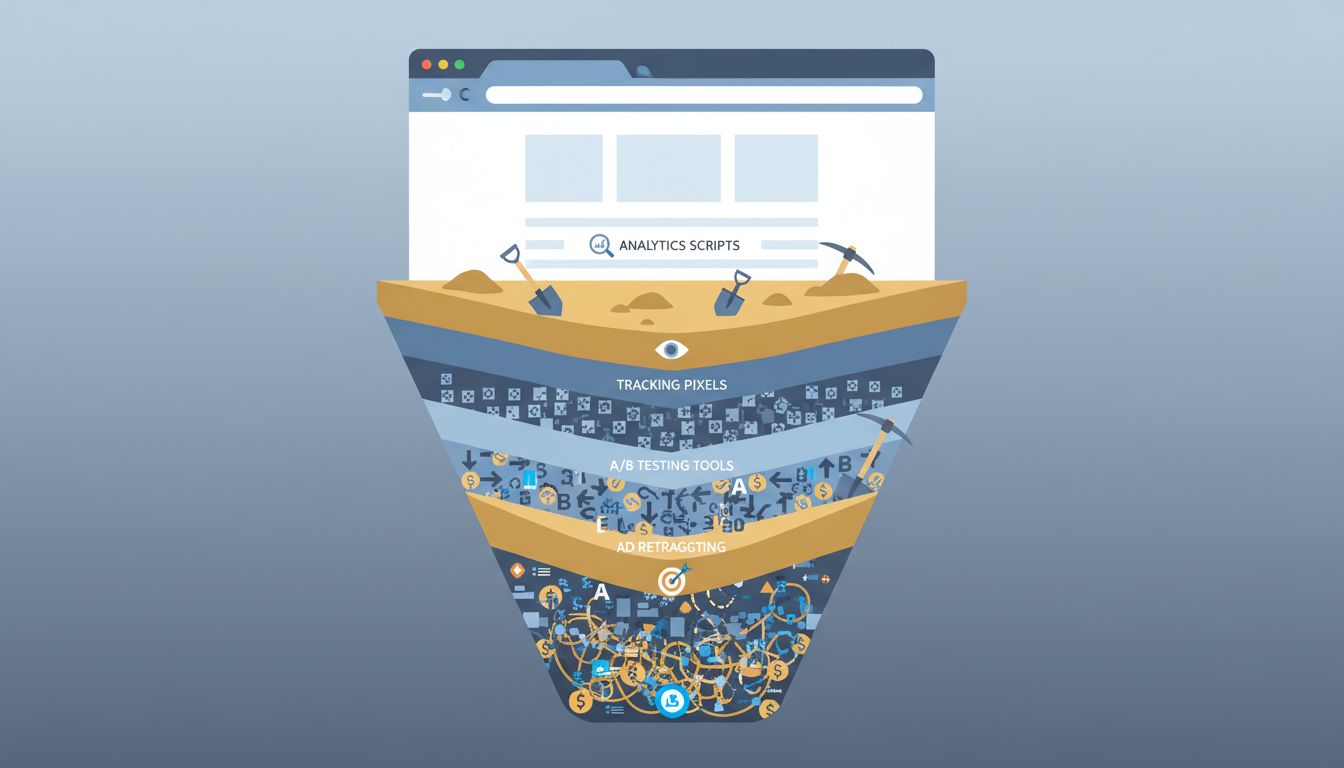
Your favorite apps load slower than they could. That's not negligence. It's a set of deliberate tradeoffs with a clear financial logic.
Join thousands of readers who get our weekly breakdown of the most important stories in technology.
Free forever. Unsubscribe anytime.