Technology
Tech Companies Bury Their Best Features Three Menus Deep on Purpose and the Reason Is Not What You Think
It looks like bad design. It's actually a deliberate business decision with a specific logic behind it.
Deep dives into the technology that shapes our world, from hardware breakthroughs to platform strategies.
It looks like bad design. It's actually a deliberate business decision with a specific logic behind it.

The middle option on a pricing page isn't a compromise. It's a trap built on decades of behavioral research.
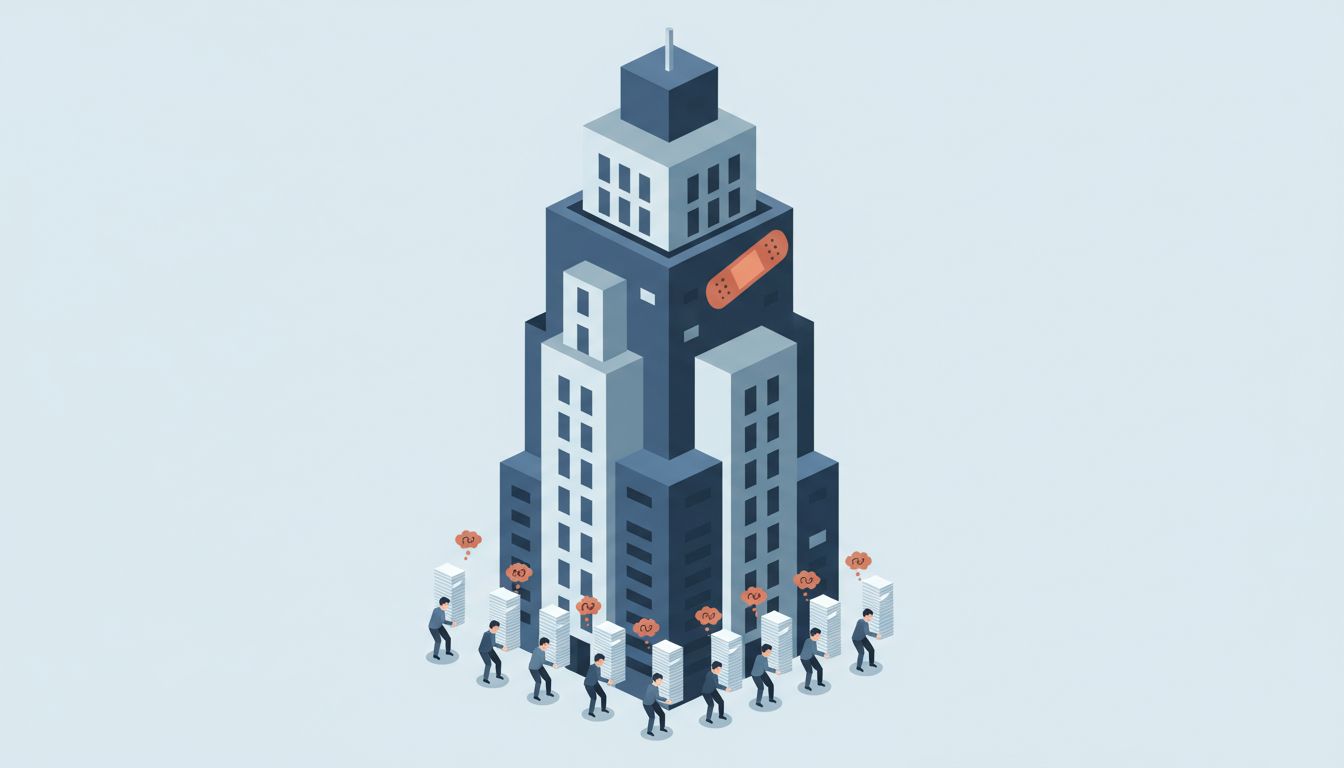
Companies lose your data, apologize, offer a year of credit monitoring, and their stock recovers within weeks. Here's why the system works exactly as designed.

Scarcity by design isn't a bug or a conscience. It's a retention strategy that works better than infinite scroll.

Planned obsolescence isn't a flaw in how tech companies operate. It's a core feature of how they make money.

When Google buys a startup or Meta acquires a social app, the official story is speed-to-market. The real story is control over what never gets built.

Feature creep is not a growth strategy. The apps that dominate their categories do so by reducing the core interaction to its irreducible minimum.

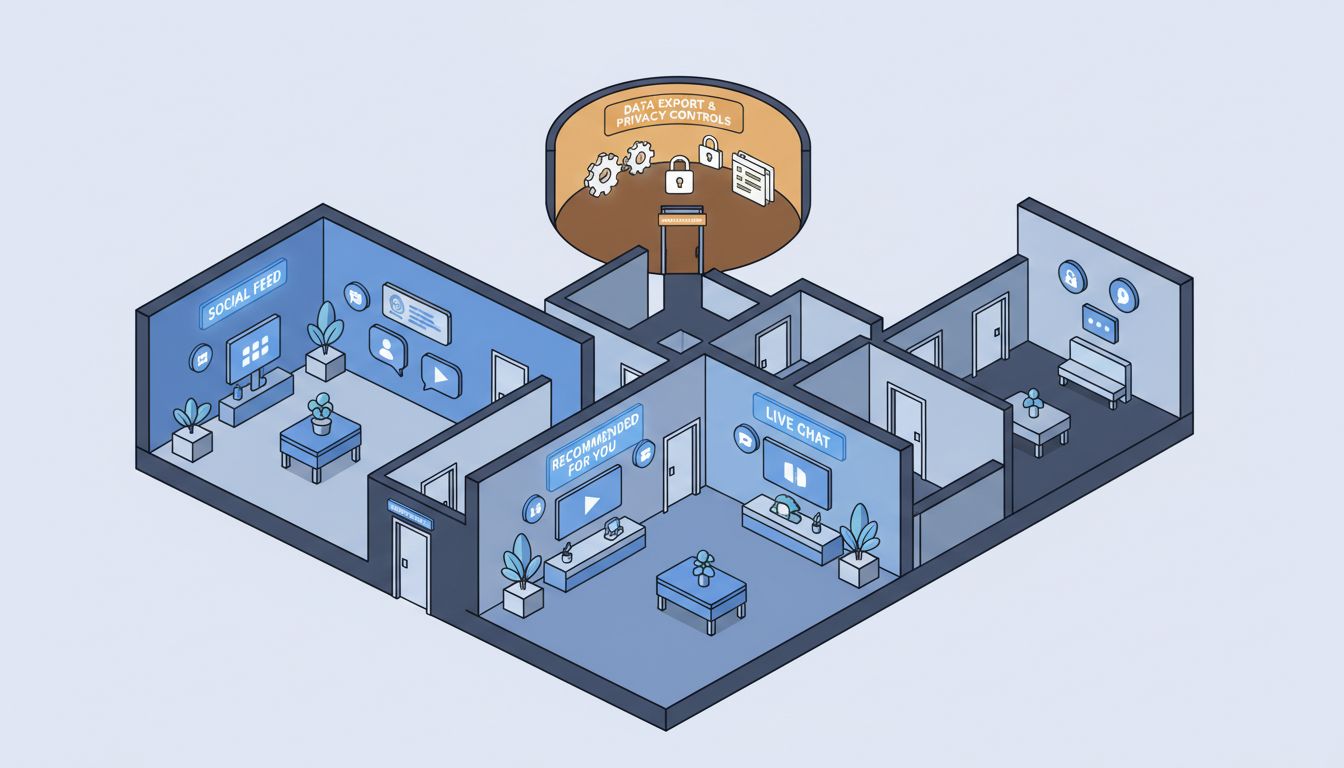
That powerful privacy control buried four menus deep isn't hard to find by accident. It's hard to find on purpose.

Software ships with cryptographic fingerprints designed to catch corruption and tampering. Most users and developers ignore them entirely. That's a security failure hiding in plain sight.

The most successful apps in history were built around a single action. The pattern is consistent enough to be a design principle, not a coincidence.
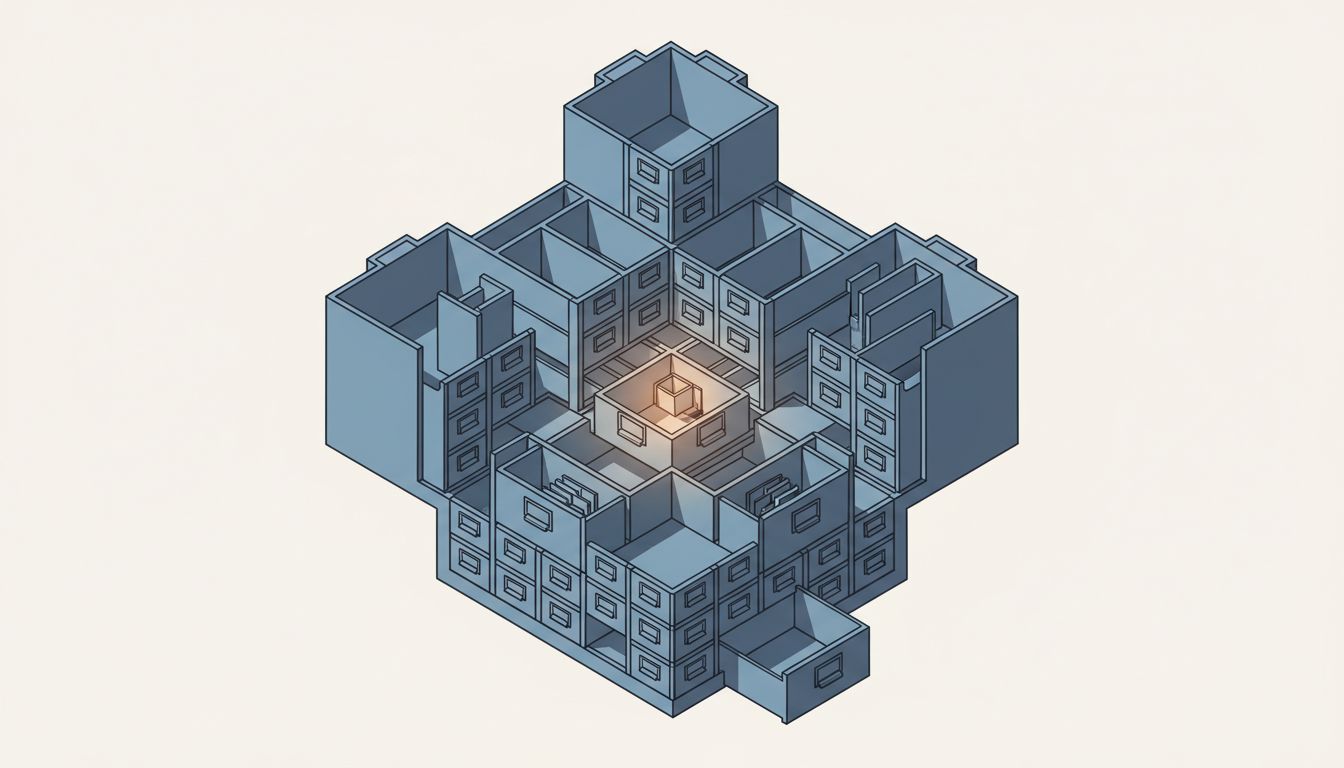
The real reason tech companies hide powerful features isn't bad UX. It's a business model decision dressed up as a design decision.
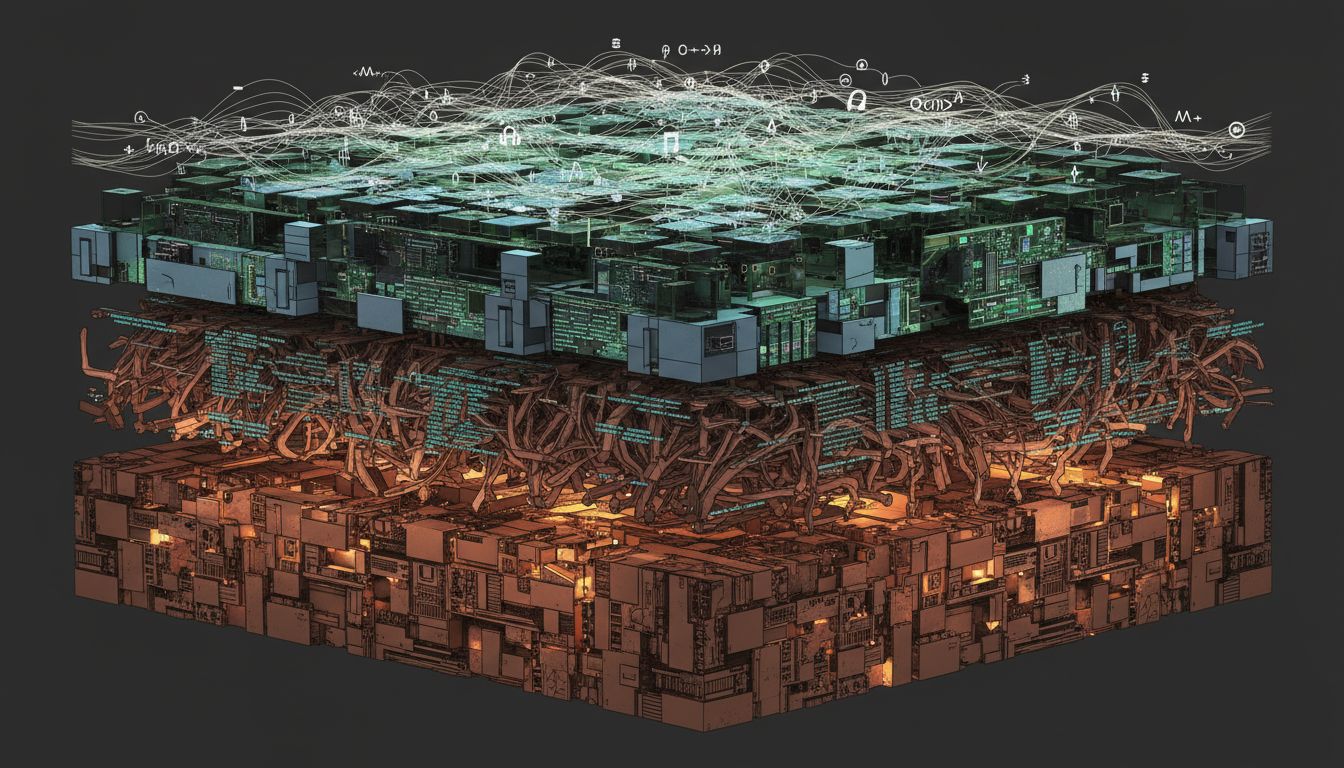
The code running your ATM, your flight, and the power grid was written decades ago. That's not a problem. It's the point.

Planned obsolescence looks like waste. It's actually a capital allocation strategy that most users never see coming.
The story tech companies tell about dark mode is about comfort and battery life. The real story is about competitive signaling and design authority.

The password advice you grew up with is wrong. Memorability and security pull in opposite directions, and your brain is the weakest link.

Tech companies routinely build products they intend to retire. The reason isn't waste. It's control.

No marketing campaign reaches 100% of users. Default settings do. Here's how tech companies use that to quietly shape behavior at scale.
The password advice you ignored for years was actually correct. The problem was never your memory. It was the system asking you to use it.
Join thousands of readers who get our weekly breakdown of the most important stories in technology.
Free forever. Unsubscribe anytime.