Tech Companies Hire the Hackers Who Attacked Them Because the Alternative Is Worse
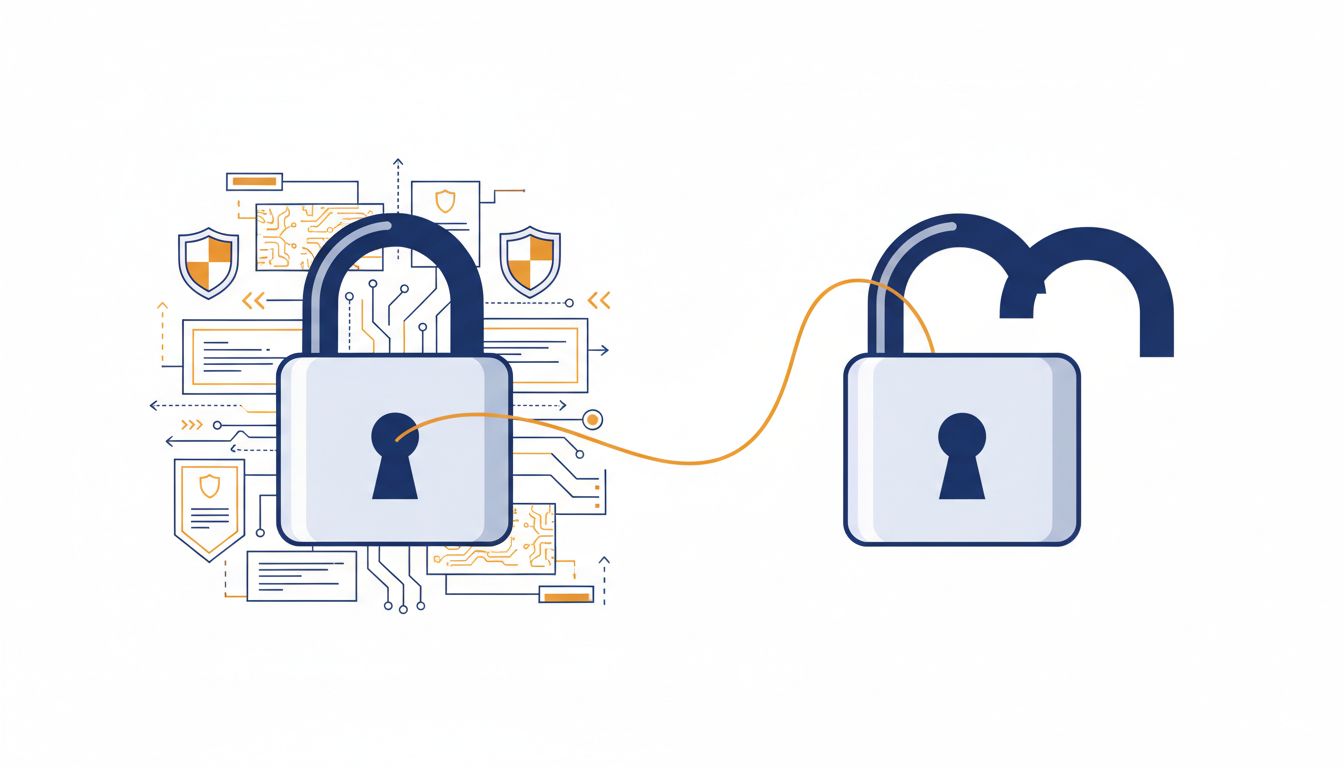
Hiring the person who just broke into your systems feels like rewarding bad behavior. It's actually one of the more rational decisions in security.

Deep dives into the technology that shapes our world, from hardware breakthroughs to platform strategies.
Hiring the person who just broke into your systems feels like rewarding bad behavior. It's actually one of the more rational decisions in security.

The physical location of cloud servers isn't just about latency. It's a real-time economic sensor grid that predicts market shifts weeks in advance.
The best developers don't comment code for their colleagues. They comment it for a future version of themselves, and that distinction changes everything.
A confusing API isn't an accident. It's often a calculated filter designed to attract exactly the right developers and lock them in for good.
The Pomodoro Technique seems too simple to matter. The data on how it affects debugging says otherwise.
The industry standard for data center cooling is set far below what hardware actually requires. The gap between spec and practice reveals something uncomfortable about how tech infrastructure really works.
The best product teams don't study their users. They are their users. Here's the quiet hiring strategy behind some of tech's biggest wins.
The real reason developers leave programming languages has nothing to do with technical merit. The economics behind language death are colder than most engineers realize.
Slack, AWS, and Shopify weren't built for the market. They were built for the team next door. The pattern reveals something counterintuitive about how great software actually gets made.
Your software isn't aging poorly by accident. The slowdown is engineered, the economics are ruthless, and the playbook is older than the iPhone.
Fixing every bug costs more than leaving some alone. The companies that understand this math win. The ones that don't, spiral.
Millions of dollars in engineering time goes into software features users will never see. The reasons are more strategic than you'd think.
The patents worth billions aren't the complex ones. They're the ones that make engineers say 'anyone could have thought of that.'
The 10x developer myth is mostly fiction. But the engineers who study it carefully are extracting something real and useful from it.
The countries where major apps quietly launch first aren't random. They're chosen using a calculated strategy that most users never notice.
Some bugs aren't accidents. They're calculated business decisions hiding in plain sight inside the products you use every day.
Languages like COBOL were supposed to be dead decades ago. They still run the global economy. Here's why programming languages almost never truly die.
The data on software bug costs has been clear since the 1970s. So why do companies keep shipping broken code anyway?
Join thousands of readers who get our weekly breakdown of the most important stories in technology.
Free forever. Unsubscribe anytime.