Technology
Tech Companies Deliberately Design Slow Loading Screens and the Psychology Behind It Is Unsettling
That spinning wheel isn't a bug. It's a calculated design decision backed by behavioral science and business strategy.
Deep dives into the technology that shapes our world, from hardware breakthroughs to platform strategies.
That spinning wheel isn't a bug. It's a calculated design decision backed by behavioral science and business strategy.
Adding more engineers should mean fewer bugs. Instead, bug counts climb. The reason has nothing to do with skill and everything to do with math.

The same skills that make someone dangerous enough to breach a company make them invaluable enough to protect it. Silicon Valley figured this out decades ago.
Strategic ignorance isn't a bug in great product leadership — it's the feature. Here's how the best in the industry weaponize what they choose not to know.
The progress bar that frustrates you most may be the one making you smarter. Here's the cognitive science behind why forced pauses unlock creative breakthroughs.
The 5-year software cliff isn't a bug. It's an engineered revenue strategy hiding inside your support contract.
Top engineers don't write complex code to prove their skill. They use a simple mental rule to make their code outlast everyone else's.
The forced pause of a software update isn't wasted time. Neuroscience and productivity data suggest it's when your best thinking actually happens.
Shipping half-finished features isn't laziness or incompetence. For most tech companies, it's a calculated strategy with measurable returns.

The best tech leaders deliberately make their most important meetings as dull as possible. The reason reveals a lot about how good decisions actually get made.

Password managers solve the wrong problem. The real obstacle is baked into how authentication was designed decades ago.

The fastest version of a website is rarely the one shown to test users. The reason is counterintuitive and changes how good products get built.

Defensive coding isn't paranoia. It's the invisible architecture that separates software that survives from software that collapses.
Most new programming languages vanish not because they're bad, but because of a single, predictable failure that almost no one talks about.

The features that make power users loyal are often invisible to beginners. That's not an accident — it's a calculated onboarding strategy worth billions.

The features keeping you locked into platforms aren't the ones you can see. They're the ones you stopped noticing years ago.

The most beloved apps took a decade to build not because complexity is hard, but because simplicity is harder. Here's the real engineering behind that.
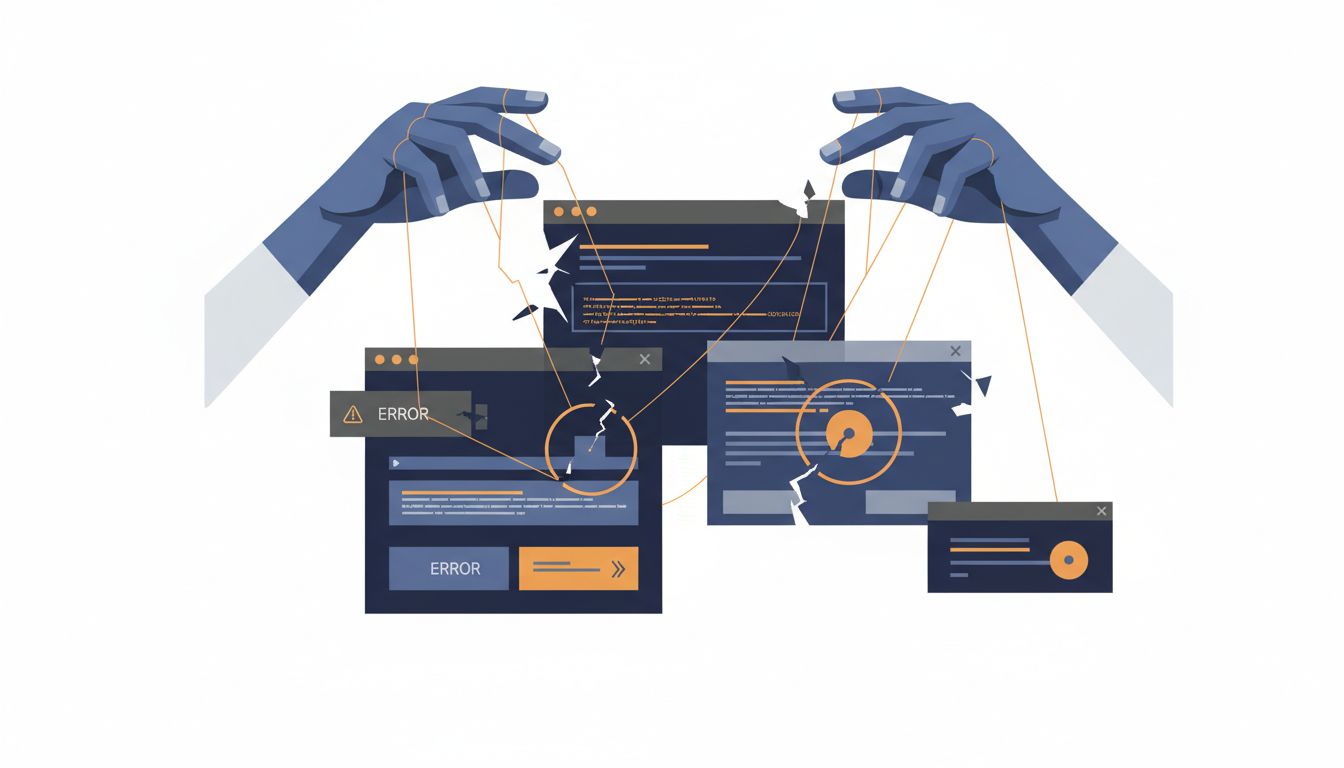
The bugs and outages that frustrate you most aren't accidents. They're architectural decisions with a business model attached.
Join thousands of readers who get our weekly breakdown of the most important stories in technology.
Free forever. Unsubscribe anytime.