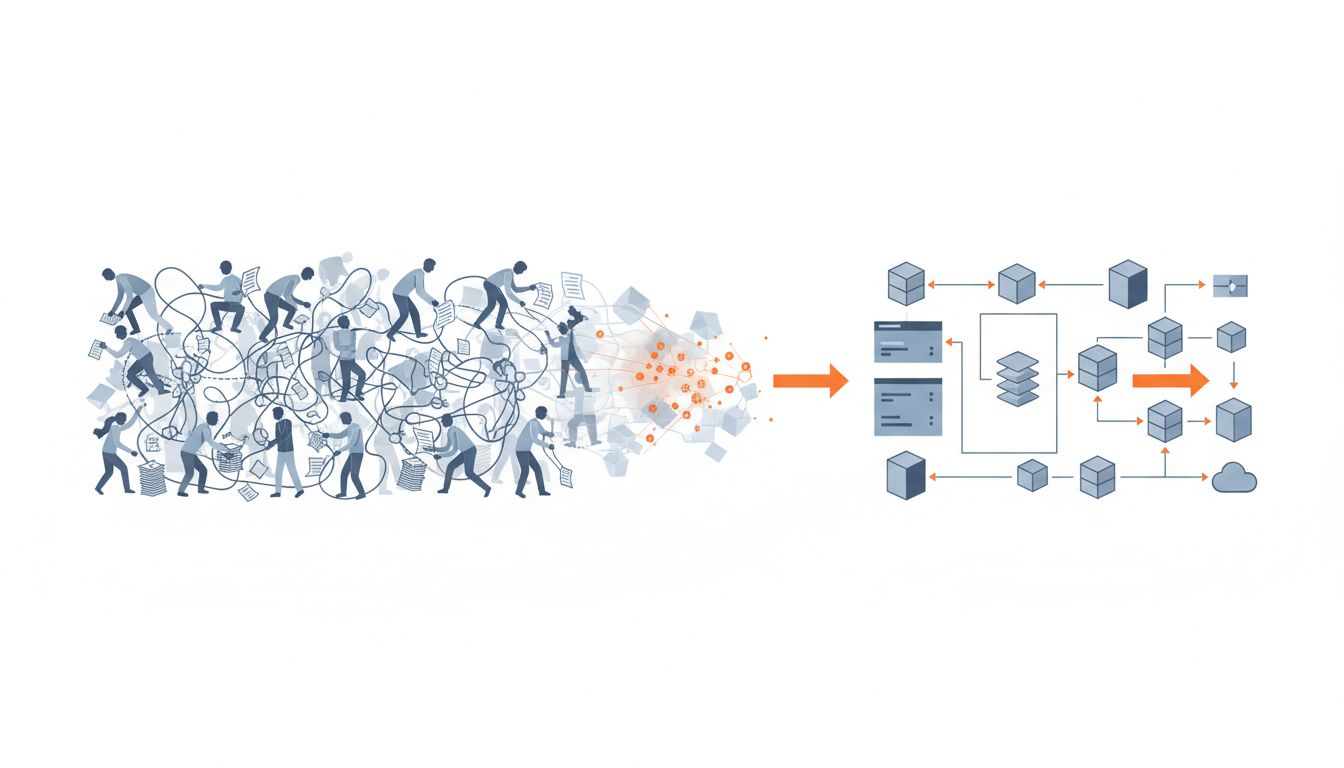
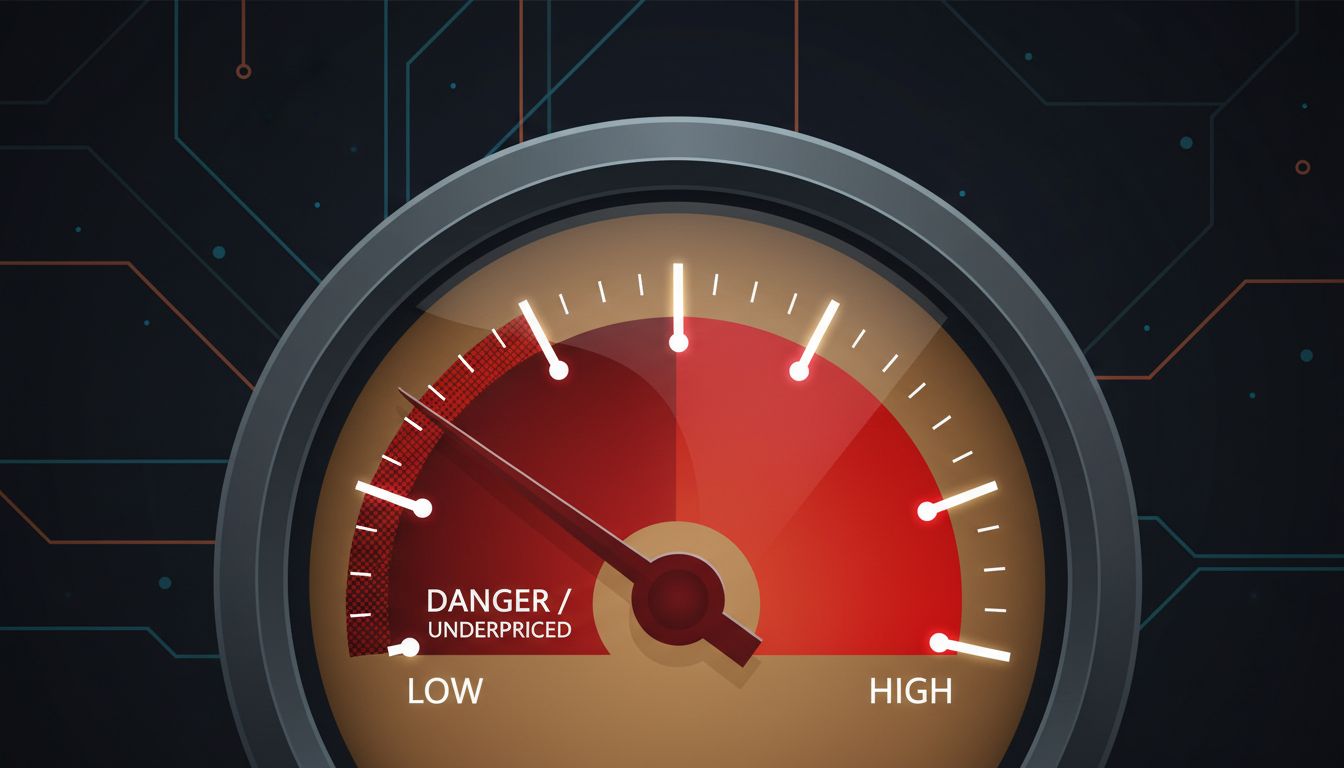
A founder I know spent eighteen months building a project management tool for creative agencies. Good product, loyal early users, reasonable churn. She priced it at $9 per seat per month because she was scared. Scared of rejection, scared of seeming greedy, scared that a higher number would cause prospects to hang up the phone. By month twenty, she was out of runway and the company was dead. The product worked. The pricing didn’t.
This story is not unusual. It is, in fact, so common that most founders I’ve talked to recognize it immediately, usually because they’ve lived it or watched someone else live it. The instinct to underprice is almost universal among first-time founders, and it is almost universally destructive.
Why Founders Underprice in the First Place
The psychology here is worth understanding because it’s not irrational on its face. Early on, you have nothing. No case studies, no logos on the website, no proof that the thing works at scale. Charging less feels like a fair trade for that missing credibility. You’re asking customers to take a risk, so you make the financial risk smaller for them.
The problem is that low pricing doesn’t actually reduce perceived risk the way founders think it does. For B2B buyers especially, price is a proxy for seriousness. A $9 tool feels like something a developer built over a weekend. A $90 tool feels like infrastructure. The same product, different signal. Buyers are not just buying the software, they’re buying their own confidence that the vendor will be around to support it.
There’s also the fear of the no. A higher price means a harder sale, which means more rejection, which means founders have to confront directly whether their product is actually worth buying. Underpricing is, in many cases, a way to avoid that test. It’s more comfortable to get 200 customers at $9 than to find out whether 40 customers would pay $45.
The Math Kills You Before the Market Does
Let’s set psychology aside and look at the arithmetic. A SaaS company with strong unit economics might spend anywhere from six to eighteen months of revenue to acquire a customer. At $9 per month, you need that customer to stay for years just to recover acquisition cost. One bad quarter of churn can wipe out months of growth. There’s no buffer.
Meanwhile, every dollar of revenue you’re leaving on the table is a dollar that doesn’t go into product, into sales, into the infrastructure that keeps you competitive. You watch better-funded competitors ship faster. You can’t hire the engineer who would have fixed the integration that’s been losing you customers. You can’t afford the sales rep who would have closed the enterprise deals that would have changed the trajectory of the company.
The irony is that cheap pricing often produces worse customers. Price-sensitive buyers churn faster, complain more, and require more support relative to the revenue they generate. The customers who push back hardest on a $200 price point are frequently the ones who ghost you after 90 days at $20. When firing your biggest customer is the right move is a real conversation in healthy companies. Startups that underprice never get to have it, because they’re desperate for every dollar from every customer regardless of fit.
Raising Prices Later Is Harder Than You Think
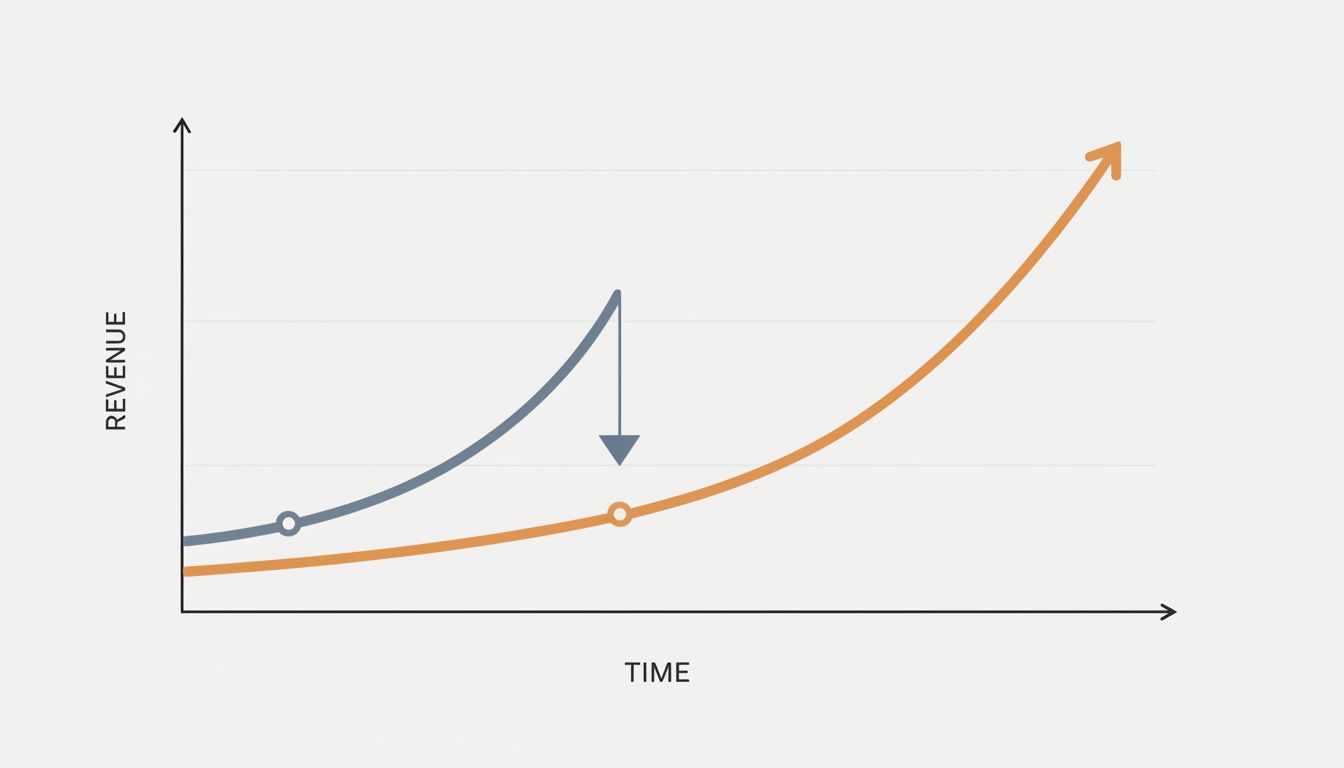
The classic advice is to start cheap and raise prices once you have traction. The logic sounds reasonable. Get in the door, prove value, then reprice when you have leverage.
In practice, this almost never goes smoothly. Early customers feel betrayed by significant price increases, and they’ll say so loudly in the communities where your next customers are listening. You’ve also trained your sales team to sell at the low price, which means they’ll resist the raise harder than prospects will, because they know exactly how many conversations will suddenly end in objection. Your positioning has calcified around being the affordable option, and now you’re trying to reframe as a premium product without the brand investment that would support that story.
Some companies pull it off. Basecamp raised prices significantly over its lifetime and survived it. But Basecamp had a decade of goodwill and a user base that was genuinely evangelical. Most startups don’t have that cushion. The ones that try to reprice aggressively often lose enough customers to set back growth by a year, which is a year they frequently don’t have.
Building a good pricing page that holds at higher price points is real engineering, both technical and psychological. The engineers behind pricing pages earn their pay precisely because pricing architecture is load-bearing. Getting it right from the start is dramatically easier than retrofitting it onto a customer base that signed up for something different.
What Pricing Right Actually Looks Like
The founders who get pricing right early tend to share a few habits. They talk to customers about budget before they ever show a pricing page. They find out what the problem costs to live with, not just what someone might pay to solve it. They anchor on value delivered, not on cost of goods or competitor pricing. A tool that saves a marketing team ten hours a week is worth more than $9 per month. It’s worth a fraction of what those ten hours cost, and that fraction is almost certainly in the hundreds, not the tens.
They also run real pricing experiments rather than making one nervous decision. A/B testing at the pricing page level is underused by most startups, particularly early-stage ones who assume their sample sizes are too small to learn from. Even a handful of conversations where you quote a higher number and watch what happens will teach you more than a year of data at the price you were too scared to raise.
And they pay attention to where deals close without friction. If every prospect says yes immediately, that’s not a sign of great sales execution. It’s a sign that you left money on the table. Healthy friction in a sales process means you’re at the edge of what the market will bear, which is exactly where you want to be.
The Surviving Companies Priced Like They Planned to Survive
The startups that make it through the first three years and into something resembling a real business almost always had pricing that gave them room to breathe. Not necessarily high pricing, but pricing that was honest about what the product was worth and realistic about what the business needed to survive.
That founder with the project management tool? She rebuilt it eighteen months later with a new company, new name, starting price of $49 per seat. Same core product, same target customer. Different result. She closed her first ten customers faster than she ever had before, because the price told a story about the product that $9 never could.
You can fix a lot of things about a startup: the product, the team, the market focus. Pricing is fixable too, but only if you’re still alive to fix it. Die before you get there, and the lesson doesn’t matter.