
A founder I know built a project management tool for architecture firms. Solid product, real customers, genuine love from users. He priced it at $19 per seat per month because he was scared. Scared nobody would pay more, scared competitors would undercut him, scared that asking for real money would expose him to real rejection.
Two years later, he had 400 paying seats and was burning cash. His support costs were eating his margins because architects, it turned out, needed a lot of hand-holding. His best customers kept asking for features he couldn’t afford to build. He’d attracted a user base that had been self-selected for price sensitivity, which meant every renewal conversation was a hostage situation. When he finally tried to raise prices, he lost 30 percent of his accounts in a quarter.
He hadn’t built a business. He’d built a charity with a payment processor.
The Asymmetry Nobody Talks About
Founders treat overpricing and underpricing as mirror-image problems. Charge too much, lose customers. Charge too little, get more customers. The second outcome feels safer, almost virtuous. You’re accessible. Democratic. Not greedy.
This framing is wrong, and it causes real damage.
Overpricing is a negotiation problem. You put a number on the table, prospects push back, you learn where resistance lives, you adjust. The sales cycle is slower, conversion is lower, but the feedback loop is tight and the fix is legible. Drop the price, restructure the packaging, add a lower tier. Done.
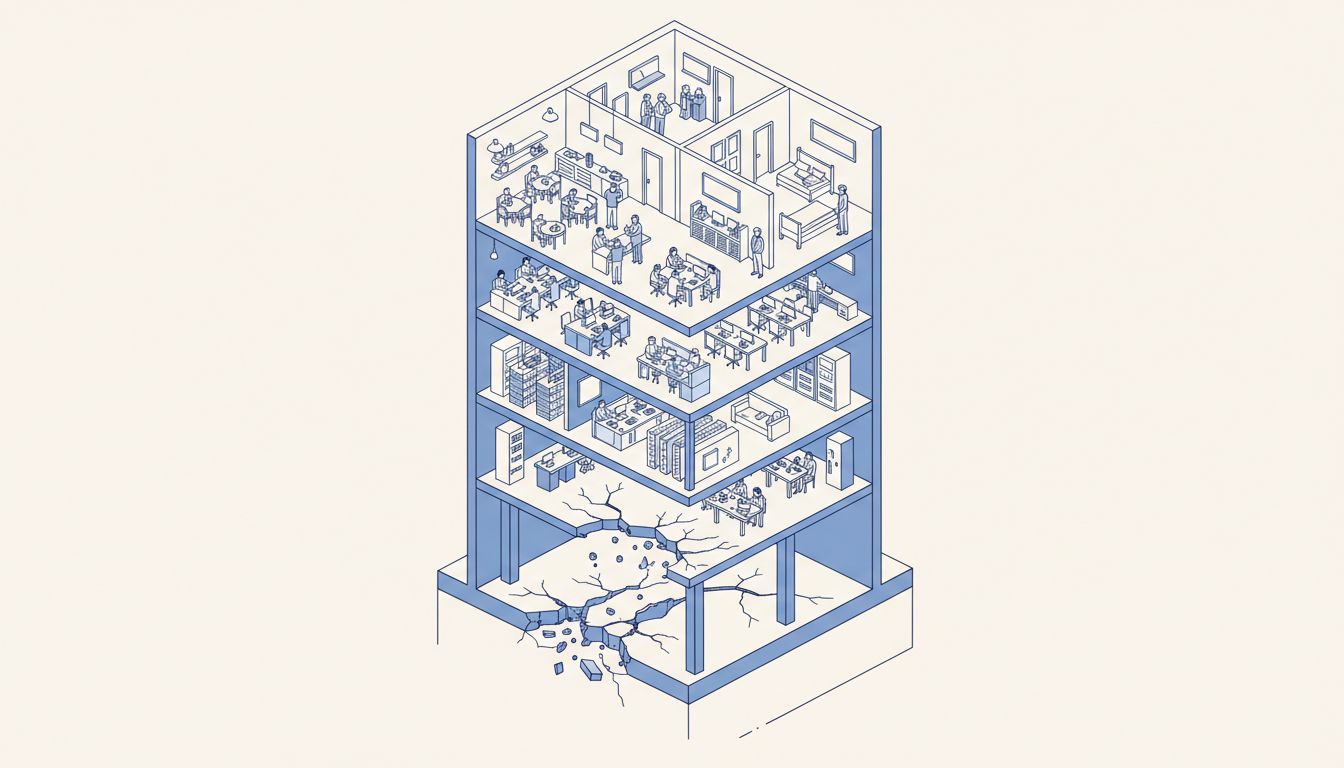
Underpricing is a structural problem. It doesn’t just affect your revenue line. It infects your cost structure, your customer mix, your product roadmap, your hiring capacity, and the expectations of every single person who has ever given you money. By the time you realize the price is wrong, you’ve built an entire company around the wrong number. Fixing it means changing almost everything at once.
How Underpricing Compounds
Low prices attract customers who are optimizing for low prices. This sounds obvious, but founders routinely fail to internalize it. When you charge $19 a seat, you are not getting the same customers you’d get at $79 a seat who are also delighted to be saving money. You are getting a fundamentally different customer: one whose primary selection criterion was cost, who has alternatives in the same price range, and who will leave the moment something cheaper appears.
These customers also have different support needs, different feature expectations, and different tolerance for product gaps. They expect white-glove service at commodity prices. They escalate faster. They churn at higher rates for reasons unrelated to your product quality.
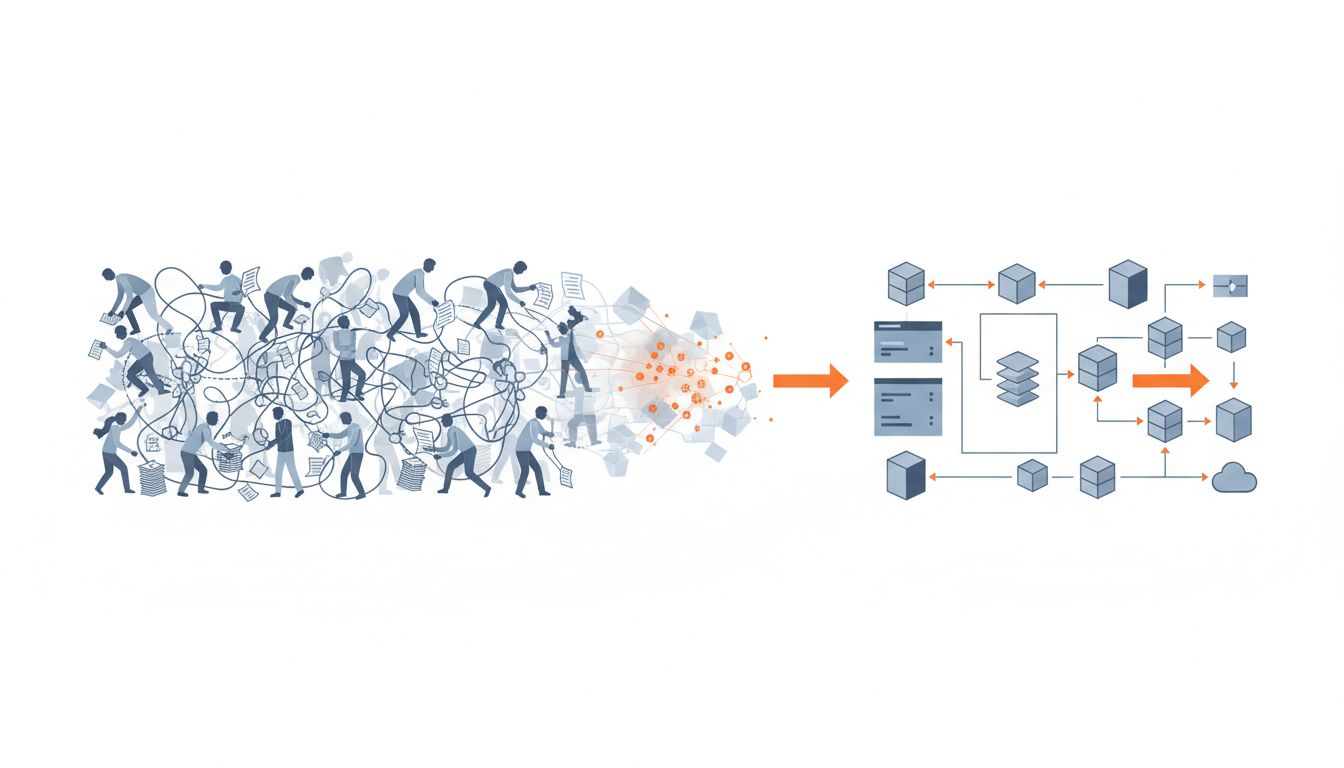
Meanwhile, your cost structure reflects the volume you need to sustain. To make $79 per seat economics work on $19 pricing, you need roughly four times the customers. Four times the support tickets. Four times the infrastructure. Four times the onboarding friction. Four times the sales touches. Your operational complexity scales with your customer count in ways that compound faster than your revenue does.
This is how you end up with a startup that looks healthy on the surface (hundreds of customers, growing MRR) and is functionally underwater.
The Credibility Problem Is Worse Than the Revenue Problem
Here’s the part that doesn’t show up in spreadsheets. Low prices signal something to the market, and it’s not humility. It’s uncertainty.
When enterprise buyers evaluate software, price is a proxy for durability. A $19-per-seat tool that a company becomes dependent on is a liability. Will that vendor survive? Can they afford good security practices? Do they have the resources to stay compliant with regulations that matter to us? The pricing itself is evidence the answer is no.
Freshbooks spent years being the “affordable” accounting tool for freelancers, which was an accurate and honest position. But as they tried to move upmarket toward small businesses with more complex needs, they had to fight the perception that they were a budget product. Repricing while repositioning is a two-front war.
The credibility problem cuts the other direction too. If you’re sitting in a sales conversation with a mid-market company and your pricing makes you look like a personal project, you’ve already lost the deal before the demo ends. Pricing wrong kills startups in ways that are rarely legible until it’s too late, and one of the most common failures is pricing yourself out of the customer segment that would actually sustain you.
Why Raising Prices Is So Hard Once You’ve Underpriced
You might think: fine, just raise prices. Add a new tier, grandfather existing customers, move forward.
This works in theory and fails in practice for several interconnected reasons.
First, your existing customers bought a specific value proposition at a specific price point. They made budget decisions based on that number. When you raise it, you’re not just asking for more money. You’re retroactively changing the deal they agreed to, which damages trust and credibility even among customers who genuinely love your product.
Second, the customers who stayed through your low-price period are disproportionately the most price-sensitive ones. The customers who would have been fine paying more have already churned to competitors who looked more serious, or never converted because you didn’t signal credibility. You’ve filtered your customer base toward exactly the people least likely to absorb a price increase. Month-one churners often tell you something your long-term customers won’t, and one thing they frequently signal is that your positioning didn’t match the customer profile you actually needed.
Third, every integration, every workflow, every internal process your customers have built around your tool was costed at the old price. A 4x price increase on a tool that’s become embedded in operations isn’t just a budget line adjustment. It’s a procurement review, a vendor evaluation, and a reason to finally look at alternatives. You’re handing your competitors their best sales pitch at exactly the moment you’re most vulnerable.
The Investors Are Wrong Too
Venture-funded startups get additional pressure toward underpricing because growth metrics are the primary currency. Get to 10,000 customers fast, figure out monetization later. This logic has worked exactly often enough that it persists as received wisdom.
What it obscures is the difference between growth that creates optionality and growth that destroys it. If you’re growing at low prices into a customer base that is structurally incompatible with the prices you’ll eventually need to charge, your growth is not creating optionality. It’s creating obligation. You are accumulating commitments, dependencies, and expectations that will constrain every future decision.
The companies that make the “grow first, monetize later” strategy work are generally ones where network effects mean each new user makes the product more valuable to all users. If your product doesn’t have that property, low-price growth is often just a slow path to the same cliff.
What Getting Pricing Right Actually Requires
The correct move is not to charge as much as possible. It’s to charge what reflects the actual value you deliver to the specific customer who benefits most from your product. These are not the same thing, and the distinction matters.
This requires knowing who your best customer is before you set prices, not after. It requires talking to prospects who didn’t convert and understanding whether price was the real objection or a proxy for something else. It requires resisting the gravitational pull of “let’s just get customers first.”
If you’re already underpriced and trying to fix it, the path forward is painful but navigable. You need to raise prices on new customers first, create a genuine forcing function for existing customers (new features gated to the new tiers, a clear sunset of legacy pricing with a reasonable transition window), and accept that you will lose some portion of your base. The question is whether you lose them now, on your terms, or later when the alternative is running out of money.
The founder with the architecture tool eventually raised prices to $65 per seat. He lost customers he expected to lose. He also discovered that the customers who stayed were dramatically less support-intensive, renewed at higher rates, and referred other architects who were similarly unbothered by the price. He rebuilt the business in about 18 months.
It took him two years of operating at the wrong price point to get there. That’s two years of evidence he didn’t need to collect.
What This Means
Underpricing feels conservative. It’s actually one of the most aggressive bets a founder can make, because you’re betting that you can fix the problem later without destroying what you’ve built. Sometimes you can. Often you can’t.
Overpricing tells you something fast. A deal dies in week two because the number was wrong. You adjust. Underpricing tells you nothing useful until the structural damage is already done, the customer base is already the wrong one, and the credibility signal has already done its work in the market.
The startup that charges too much is in a negotiation. The startup that charges too little is in a trap.