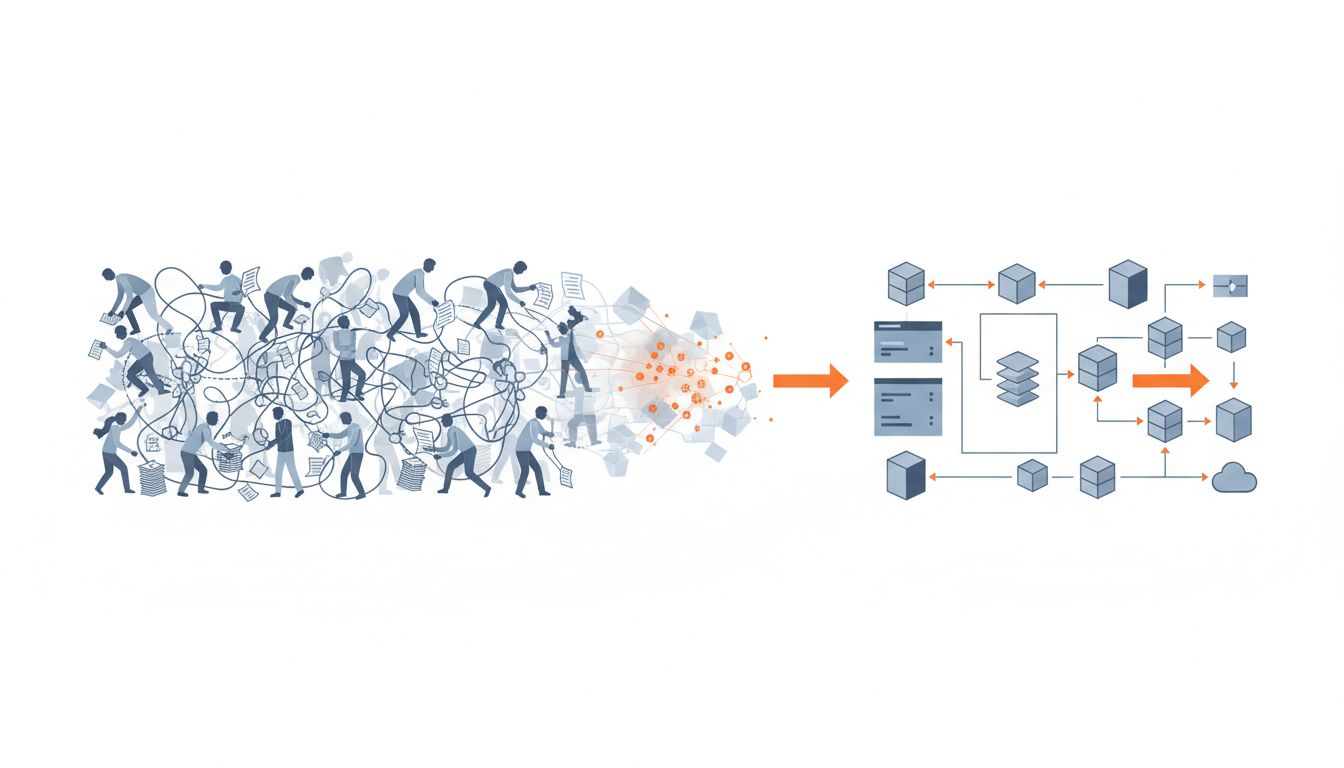
A founder I know closed a deal worth more than all his other contracts combined. He called me from the parking lot after the signing dinner. He was not celebrating. “I think I just made a terrible mistake,” he said.
He was right. Within eight months, that customer owned his product roadmap, his support queue, and the sleep cycles of his best engineers. When he eventually tried to raise a Series A, investors kept asking why his software looked like it was built for one company. Because it was.
The Revenue Number Lies to You
When a customer represents a large chunk of your ARR, you see the number every time you open your dashboard. It is a comfort object. It signals traction, legitimacy, product-market fit. The story you tell yourself is that this is proof the product works.
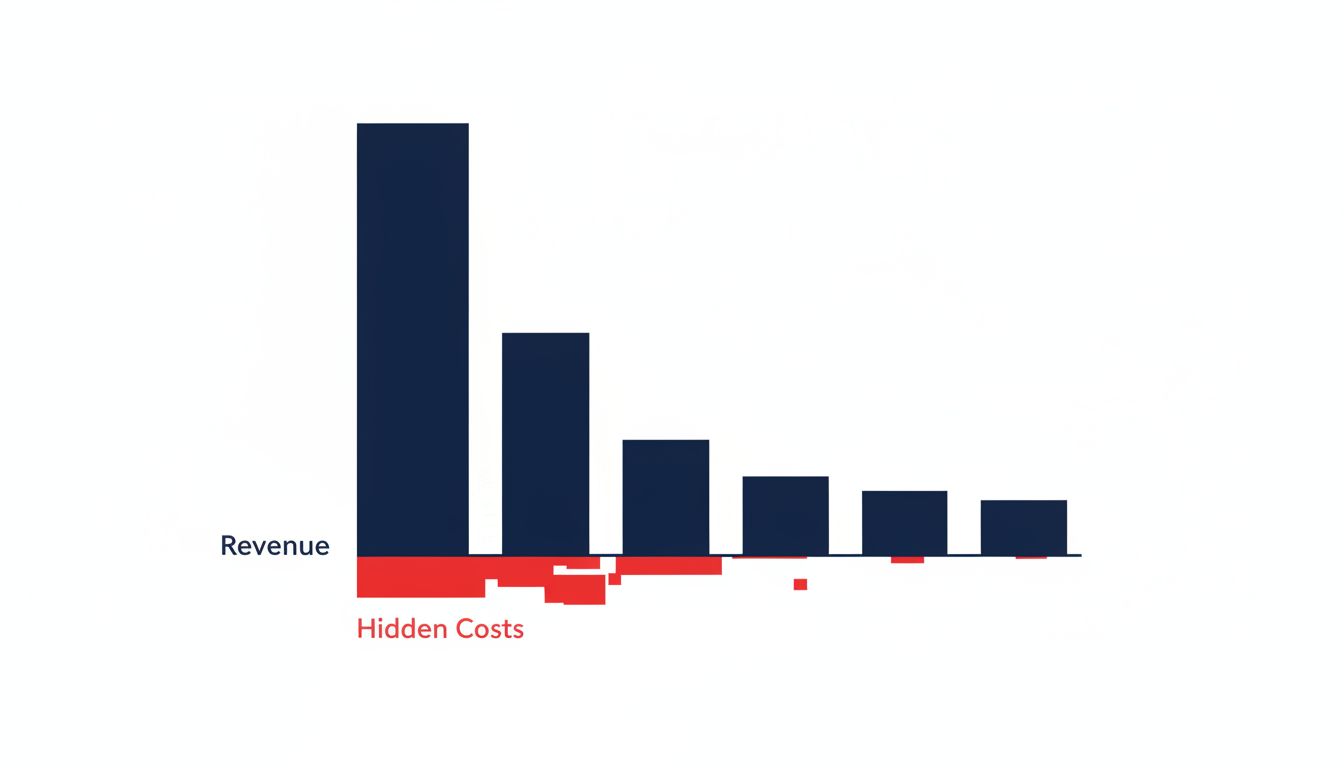
What the number doesn’t show is the true cost structure beneath it. Enterprise customers, particularly ones paying unusually large amounts relative to your book, almost always extract value beyond the invoice. They demand custom integrations that only they will use. They escalate to your CEO for bugs that your other customers would file a ticket for and forget. They negotiate contract terms that give them leverage over your pricing for years. They get invited into product planning calls and slowly, without anyone intending it, become a de facto member of your leadership team.
The result is a product shaped like a key for one lock. Which means every other potential customer is implicitly the wrong size.
Concentration Is a Risk Category, Not Just an Inconvenience
Venture investors have a term for this: customer concentration risk. When a single customer accounts for more than roughly 20 percent of revenue, it shows up as a red flag in due diligence. Not a yellow flag. Red.
The reason is mechanical. If that customer churns, renegotiates, or gets acquired by a company with a competing vendor relationship, you lose a fifth of your revenue overnight. You may not survive that. The business that looks healthy on a top-line basis is one bad renewal conversation away from a crisis.
But the concentration risk that doesn’t get talked about enough isn’t just financial. It’s strategic. The product you built to keep that customer happy is often not the product the rest of the market wants. You’ve been getting paid to build the wrong thing, and the check cleared every month so nobody noticed. Churn tells you hard truths your NPS score won’t, but your biggest customer’s continued renewal can obscure an even bigger truth: your product is drifting away from the market.
Why It’s So Hard to See While It’s Happening
The feedback loops in this trap are all pointed the wrong direction. The customer is paying. The team is busy, which feels like productivity. The account manager has a strong relationship and calls it a win. The CEO feels good about the logo on the website.
Meanwhile, three things are happening quietly. The first is roadmap capture: the big customer’s feature requests get prioritized because they have leverage and because saying no to them feels financially dangerous. The second is support gravity: your best people get pulled toward the loudest problems, which belong disproportionately to the customer with the most demanding contract. The third is culture distortion: the team starts optimizing for what this customer values, which becomes the internal definition of what good looks like.
By the time the damage is visible, it’s structural. You can’t just fire the customer and go back to who you were. The codebase has their fingerprints on it. The team has been trained to their preferences. The product vision has been quietly replaced by their product vision.
The Customers Who Actually Build Your Company
The customers who make you better are usually not your largest ones. They’re the ones who buy for the reason you thought you were selling, use the core product without asking for exceptions, and tell you when something doesn’t work without demanding that you fix it by Thursday or they’ll invoke an SLA penalty.
These customers teach you what the product actually does in the real world. They generate the signal you need to improve. They refer other customers who look like them. They are the foundation of a repeatable business.
Larger, louder customers often have the opposite effect. They generate noise that drowns out signal. They refer other large demanding customers, which compounds the problem. They make your support costs unpredictable and your roadmap hostage to their particular use case.
This is not an argument against having enterprise customers or pursuing upmarket deals. It’s an argument for knowing what you’re getting into, pricing the true cost accordingly, and keeping your eyes open about what you’re trading when you sign. The wrong customer mix has killed companies that looked healthy from the outside.
When to Have the Hard Conversation
Some of these relationships are worth having. A large, demanding customer can fund your early infrastructure, force you to build things you should have built anyway, and give you credibility in the market. The problem isn’t the customer. The problem is accepting a price that doesn’t account for the real cost, and failing to set limits on what their money buys them.
If you’re already in this situation, the question is whether the relationship can be rebalanced. That usually means an honest internal accounting: how much engineering time is going to this account, how many support hours, how much of the product roadmap. Put a real number on it. Compare it to what they’re paying. You will frequently find the effective margin on that account is far lower than the headline revenue suggests, and sometimes it’s negative.
The founder from the parking lot eventually had that conversation with his customer. He raised prices significantly to reflect the real cost of the relationship, drew a clear line around custom development, and gave up the account when they walked. It was brutal for about a quarter. Then he rebuilt on a healthier foundation, raised his round, and built a company that didn’t belong to any one customer.
The check that saved you in year one can become the check that owns you in year three. The number on the dashboard is not the whole story.