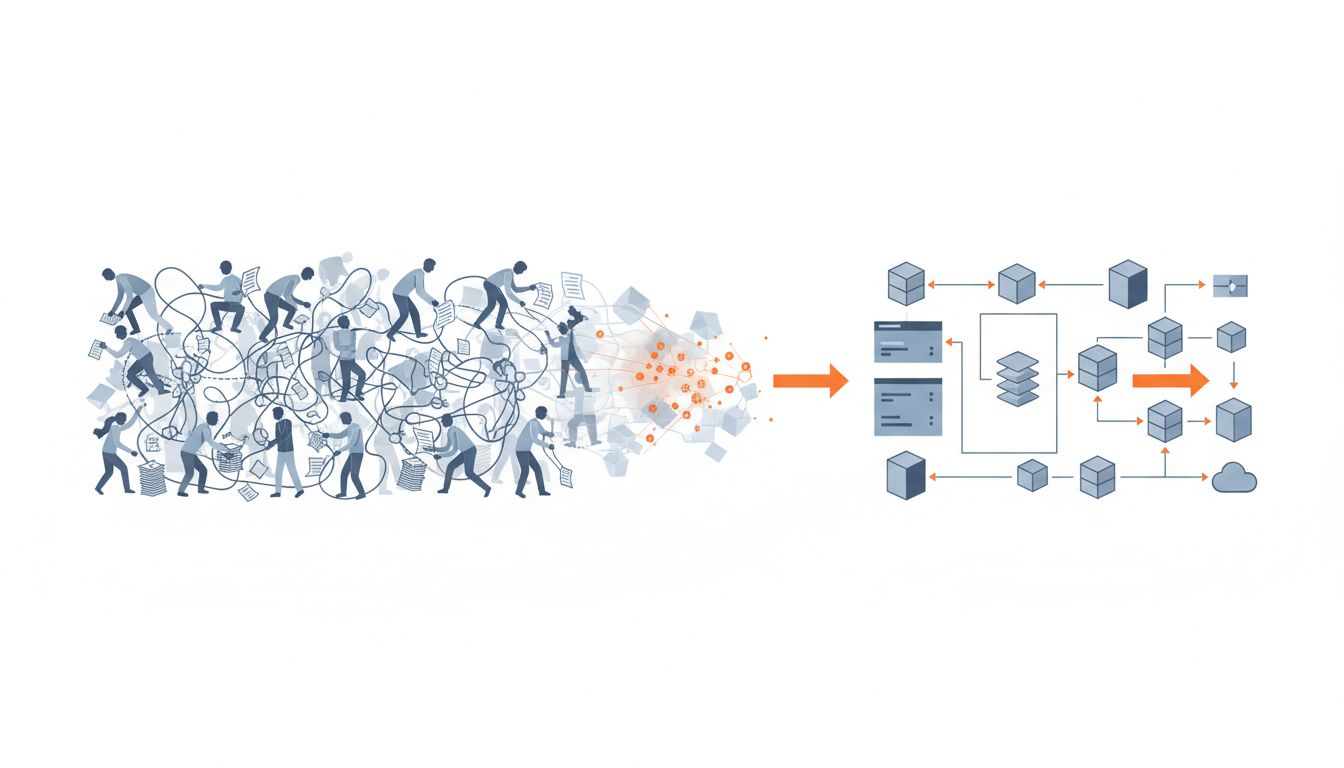

A founder I know spent six months chasing a partner at a mid-tier VC. Good meetings, warm intros, genuine product interest. Then the feedback: “We love the space, love the team. Come back when you have more traction.” He went back three months later with double the users. Same answer. He finally stopped going back, raised from angels, and grew the business. The VC eventually cold-emailed him asking to reconnect.
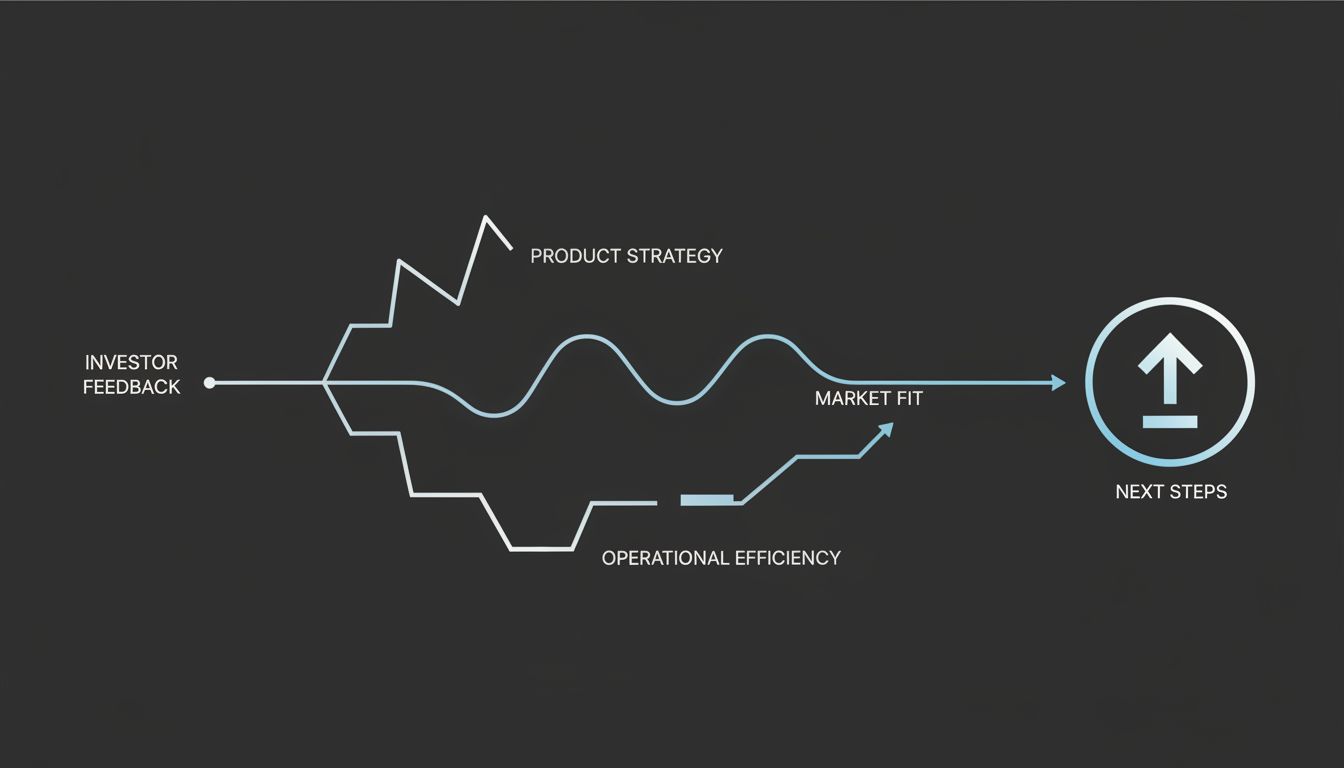
That phrase, “come back when you have more traction,” is one of the most overused pieces of non-feedback in venture capital. It sounds like direction. It isn’t. Here’s what investors are actually signaling, broken down by the real message underneath each version of that line.
1. They Don’t Believe the Market Is Big Enough
VCs running a portfolio model need outliers. Not good businesses, outliers. A company growing steadily toward $20M ARR is a fine outcome for founders but a waste of fund allocation for a firm swinging at billion-dollar returns. When they ask for more traction, sometimes what they mean is: “We don’t think this market can produce the return profile we need, and we’re waiting to see if we’re wrong.”
More traction won’t fix this. If they have a mental model of your market ceiling and it’s too low, no amount of user growth changes the math. What you need is either a different investor (one whose fund size makes your outcome compelling) or a credible argument that your market is significantly larger than it appears. Traction helps with the latter, but only if it reveals unexpected expansion patterns, new verticals, surprising enterprise uptake. Growth that confirms their small-market thesis does nothing.
2. They Don’t Believe You Can Sell to Anyone Except Early Adopters
Early traction often comes from a specific type of customer: technically sophisticated, high pain tolerance, willing to use rough software because they understand the underlying problem intimately. Crossing from that cohort to mainstream buyers is where most startups stall, and investors know this.
When they ask for more traction, they may be asking: can you sell to the second wave? To customers who won’t configure anything, who need polished onboarding, who buy with procurement teams and security reviews? If your existing numbers are all from the same founder-network, design-community, or developer-adjacent demographic, that’s what they’re sensing. The traction they want to see isn’t just more of the same. It’s evidence of expansion into less obvious customer profiles.
3. They Are Running a Passive Option on Your Success
This is the one nobody says out loud. Telling a founder to come back with more traction is a low-cost way to stay in the deal flow without committing. If you figure it out, they can re-engage claiming a prior relationship. If you fail, they’ve lost nothing. It’s rational behavior for investors, but it means the advice itself is structurally useless to you.
The tell is whether they give you anything specific. “More traction” is vague. “We’d want to see three months of consistent 20% month-over-month growth with net revenue retention above 100%” is a real benchmark. If they can’t or won’t name the actual threshold, they’re not seriously evaluating you. They’re managing optionality.
4. They Have Concerns They Won’t Say Directly
Sometimes “more traction” is code for something they don’t want to articulate: concern about a co-founder dynamic they observed in the room, skepticism about a specific team member’s background, worry about a pending competitor they know about that you don’t, or a portfolio conflict they can’t disclose. Traction doesn’t fix any of these.
If you keep getting the same soft rejection from multiple investors, consider whether the issue is the signal they’re all reacting to but nobody is naming. Ask someone who knows the space and will be honest with you. Not for validation, for diagnosis.
5. They Are Right and You’re Not Ready to Hear It
Here’s the uncomfortable version: sometimes the feedback is correct. Not the phrasing, which is lazy, but the underlying signal. If you’re pre-product-market fit, if your retention numbers are poor, if customers are using the product once and leaving, more time in market will reveal this clearly. Investors who’ve seen hundreds of pitches often read these patterns faster than founders who are deep in the work.
Month-one churn in particular is a brutal diagnostic. If a significant portion of new users aren’t coming back within thirty days, you don’t have a distribution problem. You have a product problem. No amount of additional fundraising solves this.
The founders who waste the most time are the ones who respond to “come back with more traction” by optimizing for traction metrics without asking whether those metrics reflect genuine value creation. Growing your email list or top-of-funnel signups to impress investors while ignoring activation and retention is exactly the wrong move. It produces numbers that temporarily satisfy the ask and then collapse under scrutiny.
6. The Specific Number They Have In Mind Is Probably Arbitrary
There is no universal traction threshold. SaaS investors think differently about ARR than marketplace investors who think differently than consumer investors. A seed-stage fund has different conviction requirements than a Series A fund with a $500M vehicle. The benchmark that matters is specific to the investor’s model, stage focus, and current portfolio construction.
This is why “more traction” without a specific benchmark is nearly meaningless. $10K MRR is irrelevant to one investor and impressive to another. Fifty enterprise pilots could be exciting or a sign of a slow-moving sales process depending on who’s reading it. Before you spend six months chasing a number in your head, ask the investor directly: “What specifically would you need to see to take a real meeting?” Their answer, or their inability to answer, tells you everything about whether this conversation is worth continuing.
7. Your Best Move Is Rarely to Go Back
The startup mythology around persistence is real but misapplied here. Going back to an investor who passed with incrementally better numbers rarely converts to a term sheet. The cases where it works are usually cases where the investor was genuinely on the fence and a specific milestone resolved a specific concern. That’s different from running in circles chasing a vague directive.
Better use of that energy: find investors whose thesis actually fits your company at your current stage, build the business to the point where investors come inbound, or raise from people who can make a decision now based on what exists today. The founder I mentioned at the start raised a successful round without that VC. They didn’t need the validation. They needed the capital.