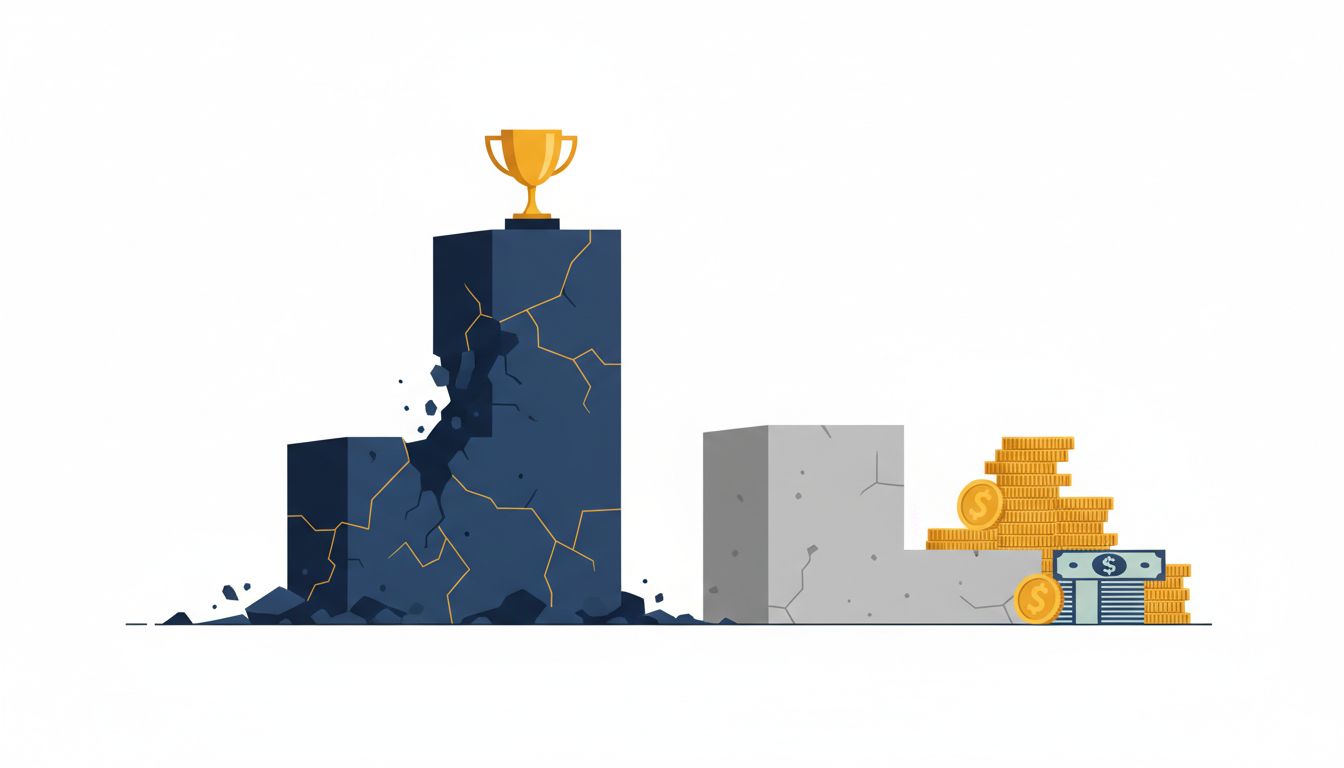
A friend of mine spent three years at a bank. Not building the new mobile app everyone was excited about. Maintaining the COBOL batch-processing system that actually moved money. He was, by his own admission, bored out of his mind. He was also paid more than almost anyone on the new-features team, had job security that bordered on absurd, and got called personally by a VP every time anything looked wrong. When he left, they had to hire two people to replace him.
This is not a quirk. It’s a pattern. And the economics behind it are worth understanding, because they cut against almost everything the industry tells junior engineers about where to aim.
1. Scarcity Is the Only Lever That Really Matters
Supply and demand is boring to say and almost always true. There are tens of thousands of engineers who can build a React frontend or stand up a REST API. They graduate from bootcamps, comp sci programs, and self-teaching pipelines every year. The market for new-code skills is genuinely competitive, which compresses salaries toward something reasonable.
The market for someone who understands a 1990s Sybase database schema, the undocumented edge cases in a legacy billing engine, or the specific way a thirty-year-old C codebase handles memory is approximately one person deep. That person is whoever has been maintaining it. When they leave, the company panics. Panic is a better negotiating position than a strong portfolio.
This is the same dynamic that makes one line of code give a vendor infinite pricing power. Switching costs and irreplaceability compound into leverage. The engineer who maintains critical old code is a one-person vendor the company cannot easily replace.
2. New Code Is Cheap. Running Code Is Expensive.
Building software is a one-time cost. Running software, and keeping it running, is perpetual. Most companies dramatically underestimate the second number when they commission the first.
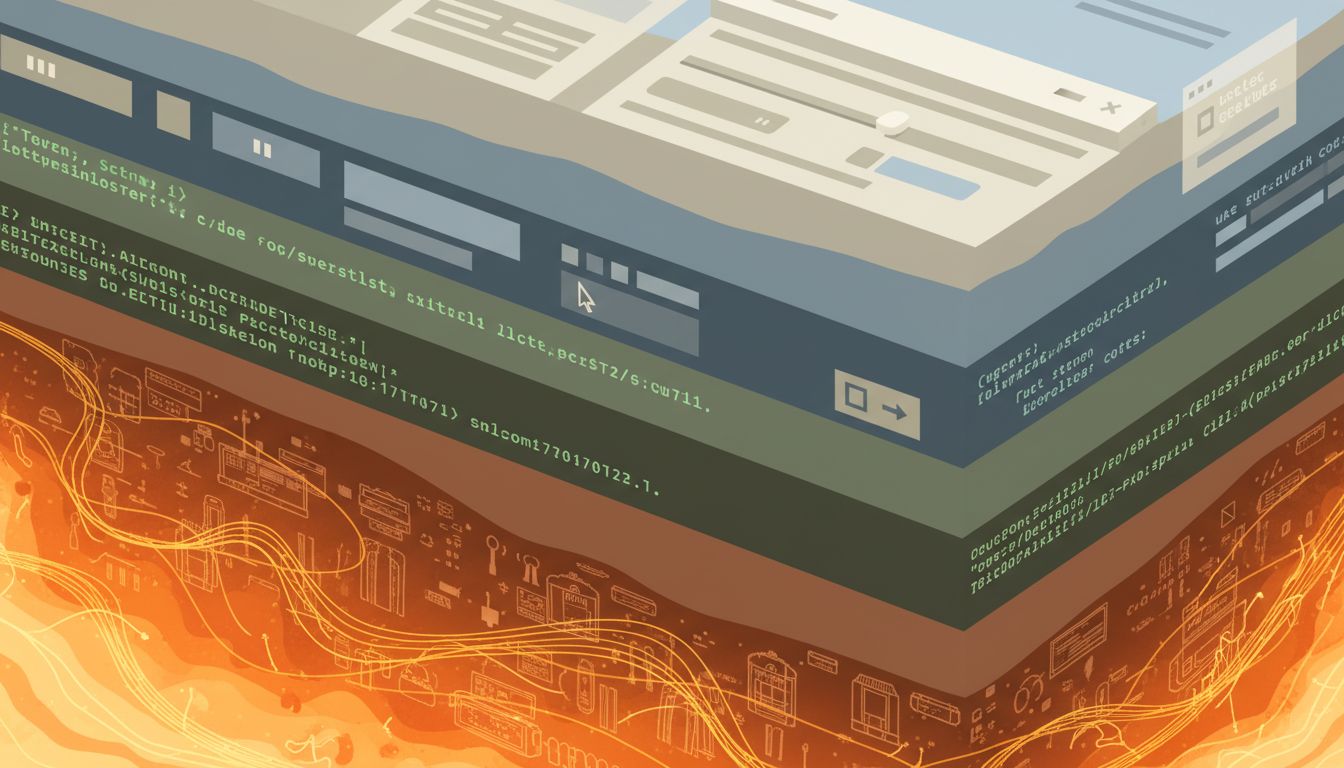
A system that processes payroll, handles insurance claims, manages air traffic, or settles financial transactions cannot go down. The people responsible for keeping it up are not interchangeable with whoever wrote it. They’ve accumulated context that lives mostly in their heads: why this table has a column that seems unused but isn’t, what happens during daylight saving time transitions, which third-party integration silently drops records on Tuesdays. That context took years to build and cannot be transferred in an offboarding document.
Companies pay for reliability. The engineer who can guarantee a system keeps running is providing something the engineer who builds the next feature cannot. One role is additive. The other is existential.

3. The Stakes Asymmetry Tilts Compensation
When a new feature ships late, someone is annoyed. When the payment processing system goes down for four hours, someone is fired, regulators get involved, and journalists write stories. The downside risk of maintenance failure is categorically different from the downside risk of new development delays.
High-stakes work commands higher pay, or it should. Engineers who maintain critical infrastructure are often being compensated not just for their time but for their liability. They are the last line before something very bad happens. That’s a different job than building the next dashboard feature, and the market, slowly and imperfectly, prices it that way.
4. Greenfield Work Ages Into Legacy Work Whether You Want It To
Every exciting new system being built today will be a legacy system in ten years. The engineers who write it will mostly have moved on. The ones who stay will become the irreplaceable maintainers. This is not pessimism. It’s just how software ages.
The engineers who understand this dynamic tend to make different career decisions. They invest in understanding systems deeply rather than accumulating surface-level familiarity with many tools. They stay long enough to become the person who knows why things are the way they are. That knowledge compounds in a way that job-hopping for greenfield roles doesn’t.
As we’ve noted before, the highest-paid engineers write the least code. The pattern holds here. The maintenance engineer isn’t spending their day in a creative coding flow. They’re reading old code, debugging strange behavior, and making careful, minimal changes to systems they cannot afford to break. That restraint is the skill.
5. Organizations Are Bad at Valuing Prevention
Most companies are structurally optimized to reward visible output. A new feature ships, someone gets credit. A system stays running without incident, nobody notices. This is a well-documented failure mode in how organizations allocate recognition and compensation.
The result is that maintenance engineers are systematically undervalued at junior and mid-levels, then overvalued once the knowledge concentration becomes a crisis. The company ignores the person keeping the lights on until the lights flicker, and then they give them a raise and a retention bonus and start genuinely worrying about what happens when they retire.
The engineers who play this correctly are the ones who understand the dynamic early. They get into critical systems, stay long enough to accumulate irreplaceable context, and wait for the organization to realize what it has. It’s not glamorous. It works.
6. AI Makes This Worse, Not Better
The current wave of AI coding tools is genuinely good at generating new code. Give a model a well-specified problem and it will produce a reasonable starting implementation faster than most humans. This compresses the value of new-code skills further.
What these tools are bad at is understanding the accumulated, undocumented, contradictory state of a real production system that has been running for fifteen years. They don’t know why the database schema looks like this. They can’t tell you whether it’s safe to refactor this function without checking four other systems. They produce confident, plausible code that may be completely wrong for this specific context.
Maintenance work requires the kind of deep system-specific knowledge that doesn’t exist in any training set. The humans who hold that knowledge become more valuable, not less, as AI handles more of the generic new-code work that used to differentiate junior and mid-level engineers.
7. The Market Is Finally Catching Up
For a long time, the gap between what maintenance engineers were worth and what they were paid was wide. Companies got away with undervaluing them because the alternatives seemed manageable. Rewrite the system. Hire contractors. Document everything better.
Those strategies have a bad track record. Rewrites are famously expensive and often fail to capture the edge cases the original system handled correctly. Contractors don’t stay long enough to develop real context. Documentation is never as complete as it looks.
Slowly, the industry is internalizing this. The engineers who specialize in keeping critical old systems alive are commanding salaries that reflect their actual leverage. If you’re early in your career and trying to figure out where to build real, durable value, you could do a lot worse than finding a critical system and becoming the person who understands it better than anyone else.