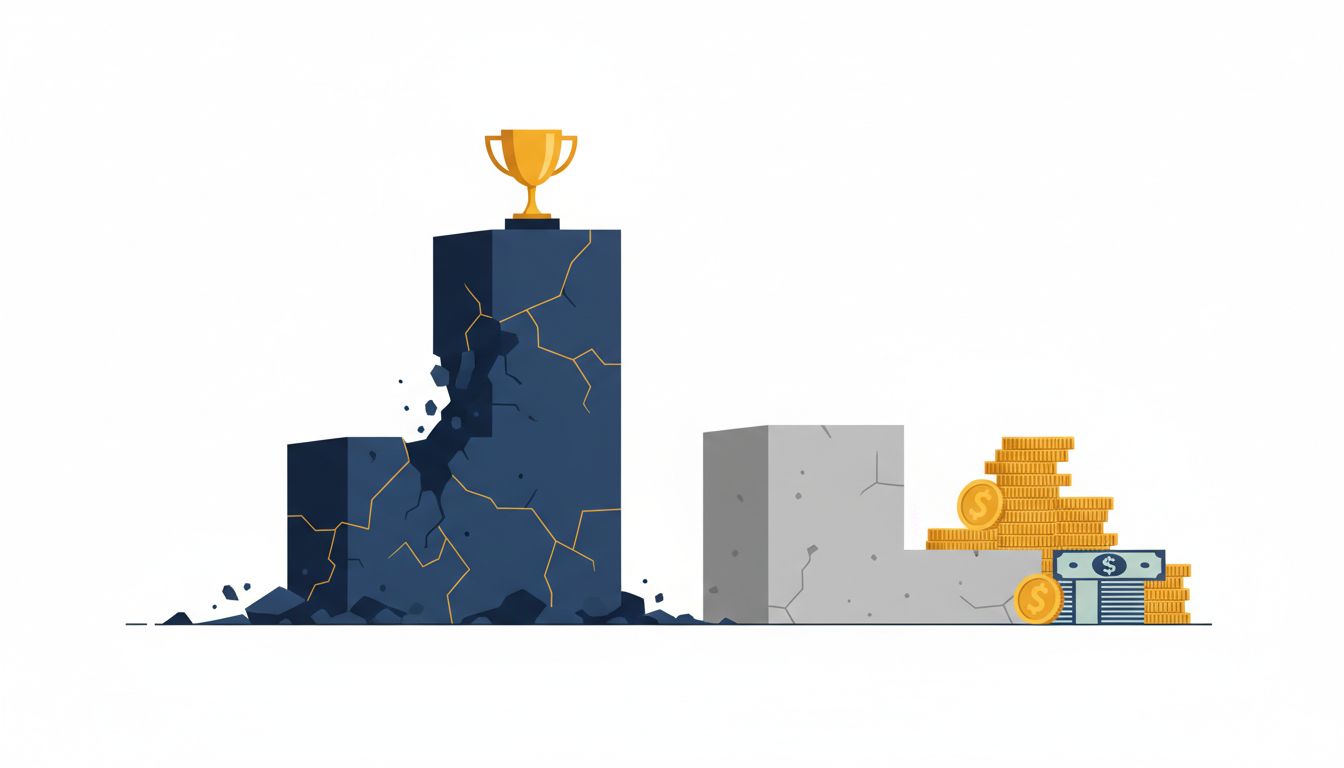

The history of technology is littered with companies that built the best product and lost anyway. Xerox invented the graphical user interface. Alta Vista built a better search engine than anything before it. Palm created the template for the smartphone. The pattern is consistent enough that it deserves a name: the pioneer’s penalty.
The company that wins a market is often not the one that deserves to win it on technical merit. It is the one that figured out the business model, the distribution, and the timing. Product quality, past a certain threshold, becomes a secondary variable. This is not cynicism. It is the central lesson of tech economics, and ignoring it has killed more well-funded startups than bad engineering ever could.
The Pioneer’s Real Problem
Being first means educating the market at your own expense. Every dollar Netscape spent teaching people what a browser was helped Microsoft ship Internet Explorer. Every dollar TiVo spent explaining what a DVR could do helped cable companies bundle their own version into subscriber packages.
This is the market-creation tax, and it is brutal. The pioneer bears the full cost of customer acquisition in a world where no one yet understands why they need the product. They hire evangelists, not salespeople. They build explainer websites before landing pages. Their sales cycles are measured in months because every conversation starts from zero.
The second-best competitor walks into a market where someone else paid that tax. Customers already know the category exists. They have opinions about what the first product got wrong. They are, paradoxically, easier to convert precisely because they have already been converted once.
Why “Good Enough” Beats “Best”
The economics of software amplify this dynamic. Distribution is nearly free, which means the company with the better channel wins over the company with the better code. Microsoft’s Office suite was never the most technically impressive productivity software in any era it dominated. Lotus 1-2-3 had a more powerful spreadsheet than early Excel. WordPerfect had features Word wouldn’t match for years. What Microsoft had was Windows, and Windows had the enterprise relationships.
The “good enough” threshold is lower than engineers believe and higher than pure business people assume. A product needs to clear the bar of functional adequacy, a bar that varies enormously by category. Enterprise software buyers will tolerate a lot of friction if the procurement and support relationships are solid. Consumer software buyers will switch for a marginally nicer interface. But in neither case does “technically superior” guarantee victory once adequate alternatives exist.
This is why the most valuable engineering investment is often not in the core product feature set but in the infrastructure that makes the product reliable, fast, and easy to integrate. Those properties compound into distribution advantages. Stripe’s API was not the first payment API, but it was the first one developers genuinely enjoyed working with. That developer affinity became viral distribution.
The Innovator’s Dilemma, Revisited
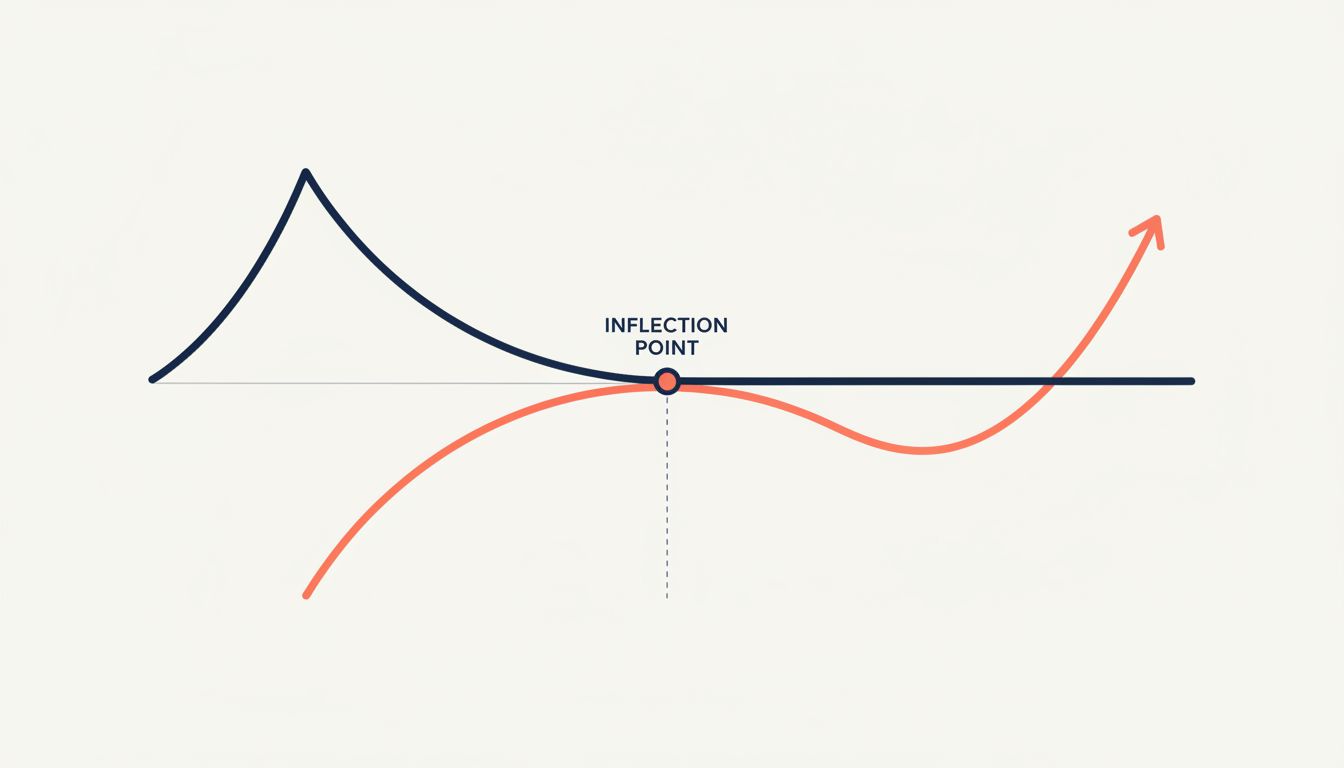
Clayton Christensen’s framework for disruptive innovation is widely cited and widely misunderstood. The disruption he described was not about building a worse product. It was about building a cheaper product that serves an overlooked segment, then improving it until it cannibalizes the incumbent from below.
The second-best company in this model is not trying to beat the pioneer at their own game. They are reframing the game entirely. The question stops being “who has the most features” and starts being “who has the lowest cost to serve a customer who only needs 80% of the functionality.”
This is how Google Docs eroded Microsoft Office’s dominance in a segment the Office team did not initially value: students, small teams, anyone for whom collaboration mattered more than advanced formatting. Google Docs was worse than Word for almost every serious power user task for years. It did not need to be better. It needed to be good enough for the people Microsoft was not paying attention to, and free.
The pivot point comes when the “good enough” product improves faster than the incumbent can respond. At that point, the pioneer’s technical lead is a liability: they are optimizing a product for customer needs that are increasingly irrelevant while the second mover has been optimizing for the customers who matter tomorrow.
Distribution Is the Moat
The companies that build durable businesses out of second-mover positions almost always do it through distribution advantages, not product advantages. Android was not a better mobile operating system than iOS in 2008 or 2009. It became the dominant mobile platform because Google’s relationship with handset manufacturers and carriers gave it distribution iOS could never have. Apple controlled its supply chain; Google got every other manufacturer’s supply chain.
This pattern repeats across categories. Salesforce was not the first CRM. It won by being the first one that worked over a browser without an enterprise IT procurement process, which was a distribution insight more than a product insight. The product followed the distribution strategy, not the other way around.
The implication is uncomfortable for product-focused founders: the best use of engineering resources is often not building features but building the infrastructure that enables distribution. APIs that are easy to integrate. Pricing models that align with how customers want to buy. Onboarding flows that eliminate friction at the moment of commitment. These are engineering problems, but they are primarily distribution problems wearing engineering clothes.
When the Pioneer Wins
The pioneer’s penalty is not universal, and it would be a mistake to read this as an argument for always being a fast follower. There are categories where being first compounds into permanent advantage.
Network effects can make the pioneer’s early user base structurally unassailable. The first player in a market with strong network effects is not just ahead, they are running a different race. The value of being on the platform that everyone else is already on can outweigh almost any product disadvantage. This is why no one has successfully displaced Facebook’s social graph despite years of attempts by technically superior alternatives.
Brand trust in high-stakes categories can function similarly. The first company to establish credibility in a domain where trust is the product (financial services, healthcare, security) has an advantage that is genuinely hard to replicate. It is not impossible, but it requires either a major trust failure by the incumbent or a regulatory shift that resets the playing field.
Proprietary data compounds over time in ways that product features do not. If your product generates proprietary data that makes the product better, and if being first means you have more of that data, then first-mover advantage is real and growing. This is the actual dynamic behind most of the credible AI moat arguments.
The Timing Variable Nobody Talks About
There is a third option beyond “be first” and “be second-best.” It is being early, failing, waiting, and re-entering when the market infrastructure catches up.
Apple did not invent the MP3 player, the smartphone, or the tablet. In each case, the category had been attempted before and failed, not because the idea was wrong but because the surrounding infrastructure, cellular networks, broadband penetration, component costs, was not ready. Apple’s timing in each case was an exercise in reading infrastructure readiness, not product innovation.
The companies that failed in those markets first were not bad companies. They were correct about the destination and wrong about the departure date. Being right about a market that is five years away is economically indistinguishable from being wrong about a market.
This makes timing the most underrated variable in tech economics. A product that arrives before the market is ready will educate the market and then watch a better-timed competitor collect the returns. The question founders rarely ask, and investors rarely pressure-test, is not “is this the right product” but “is the world ready for this product right now.”
What This Means
The pioneer’s penalty is not an argument for mediocrity or cynicism. The world needs people who build first, who educate markets, who take the arrows. Without them, no market matures.
But the economics are what they are. If your goal is to build a durable, profitable business, the strategic implications are clear: understand what threshold of product quality unlocks the category, build to that threshold quickly, and then invest heavily in the distribution and business model advantages that compound. Chasing product perfection past the point of customer adequacy is expensive vanity.
The companies that have turned this into a repeatable playbook, those that study why the second company into a market usually wins it, treat the pioneer’s work as a gift: free market research, free customer education, and a clear map of the mistakes to avoid. The pioneer builds the road. The second-best product drives on it, charges tolls, and retires early.