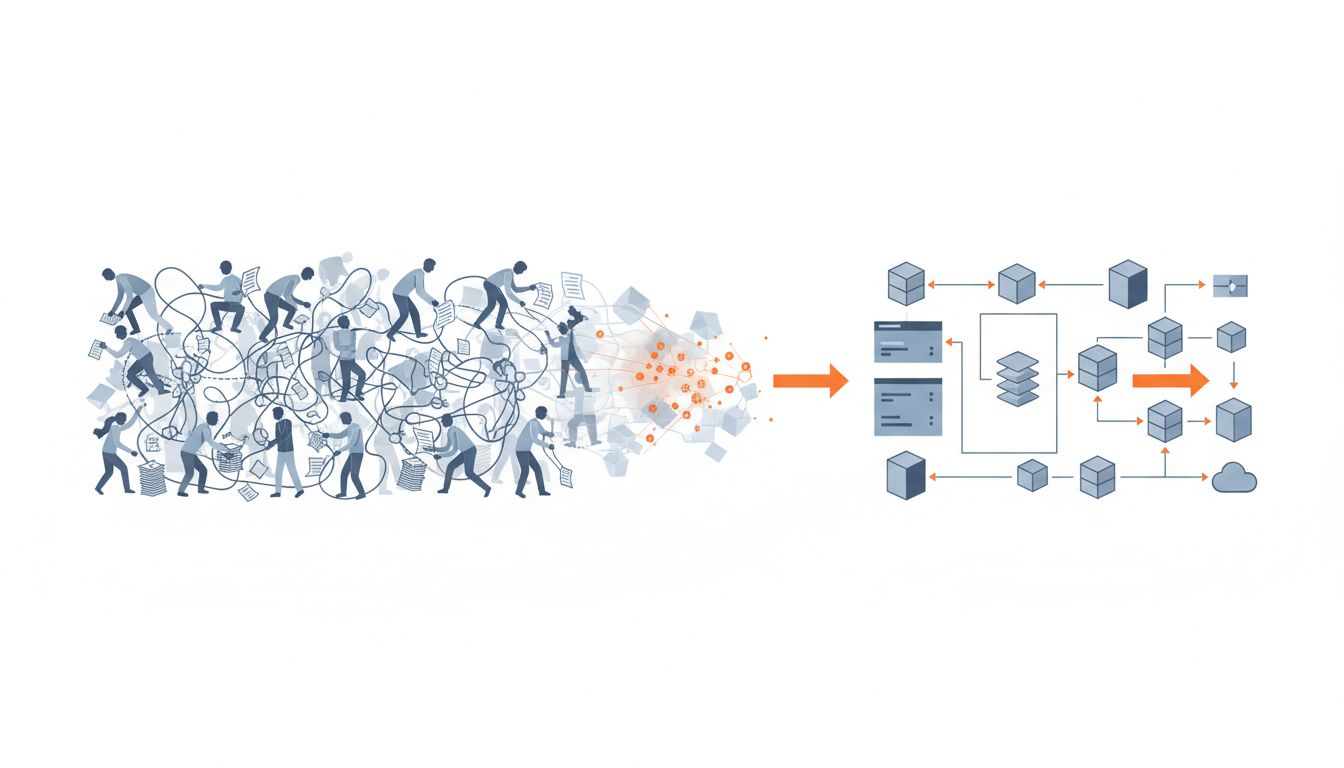

The simple version
The customers who cause the most friction early on tend to care the most about your product. That caring, badly managed, destroys you. Well managed, it builds you.
Picture this: six months in, you have maybe thirty paying customers. One of them emails you almost every day. They’ve filed more support tickets than your other twenty-nine customers combined. They’ve asked for three features that don’t exist, complained that your onboarding is confusing, and once got your personal cell number and called you on a Saturday. Your co-founder wants to refund them and move on. You’re tempted.
Then you find out they’ve referred four other companies to you in the past two months.
This is one of the most disorienting early experiences in building a startup, and almost nobody talks about it honestly. The customer who is costing you the most time is often, simultaneously, your most effective growth channel. Understanding why that’s true, and what to do about it, is one of the more practically useful things you can internalize before you scale.
Why the difficult ones care so much
Customers who don’t care about your product don’t complain. They churn quietly. They don’t file tickets, they don’t call on Saturdays, they don’t send three-paragraph emails about a UI problem that affects maybe ten percent of workflows. They just stop logging in, and one day you notice their renewal didn’t come through.
The person hammering your inbox is doing so because your product is embedded in something they actually care about, usually their job, sometimes their livelihood. The friction they’re experiencing is real and consequential to them. Their complaints aren’t noise. They’re a fairly precise signal about where your product falls short for the customer profile that cares most.
This is why that same customer is also your most credible reference. When they tell another potential buyer that your product is worth using, they mean it. They’ve been through the rough edges. Their endorsement isn’t casual. Anyone who has been in sales long enough knows that a lukewarm reference from a satisfied customer moves no one. A passionate recommendation from someone who visibly struggled and stayed anyway is a different thing entirely.
The failure mode nobody warns you about
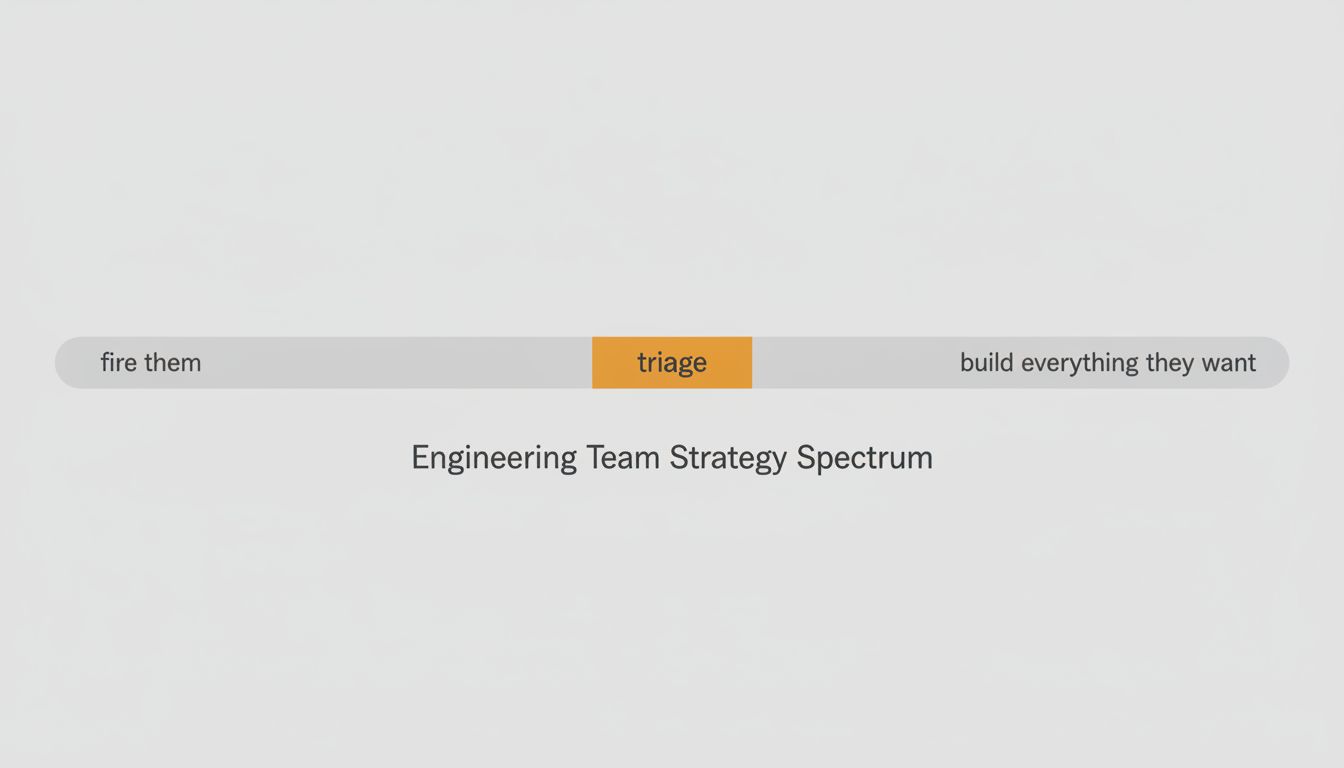
Here’s where startups go wrong. They either fire the difficult customer too early, or they over-rotate toward them completely.
Firing them feels like the obvious move when you’re resource-constrained and exhausted. But you’re not just losing a customer, you’re losing a signal source and a potential evangelist, often before you understand which of their complaints are specific to them and which are symptoms of a real product gap affecting many people.
Over-rotating is the opposite problem and it’s more insidious. You start building exclusively for your loudest voice. Your roadmap becomes a list of that one customer’s feature requests. Three months later you have a product that’s perfectly tuned for one unusual use case and meaningfully worse for everyone else. This is how startups end up with products that mislead them at scale.
The right response sits between those two failure modes, and it requires you to do something founders are not naturally good at: triage.
The triage you actually need to do
Not all complaints from a high-engagement customer deserve equal weight. Some of what they want is genuinely universal. Some is idiosyncratic to their workflow. Some is just venting. Getting these categories confused is expensive.
The questions worth asking when a difficult customer brings you a problem:
Does this complaint appear anywhere else in your data? If you have other customers doing similar work and none of them have raised this, that’s a clue. If the exact same friction shows up in your support queue from three other companies, that’s a different story.
Would fixing this make the product worse for anyone? Some feature requests are genuinely zero-sum. A heavy customization that works for one segment breaks the experience for another. You need to know before you build.
Is the root cause what they’re describing? Difficult customers are often right about the symptom and wrong about the fix. Someone complaining that your export feature is broken might actually be describing a deeper problem with how you model their data. Take the complaint seriously without necessarily accepting the proposed solution.
How to convert friction into referrals
The conversion from difficult customer to vocal evangelist doesn’t happen automatically. It happens when that customer feels heard and then sees evidence that you acted.
This doesn’t require you to build everything they ask for. It requires you to close the loop. Tell them what you’re building and why. Tell them what you’re not building and why. Most founders go silent when they can’t give a customer what they want, which is exactly backwards. The silence is what poisons the relationship.
When you do solve a real problem for this customer, even a partial solution, they remember it disproportionately. They’ve been frustrated for weeks or months. The moment the frustration resolves, the emotional intensity doesn’t disappear. It flips. That’s the person who writes the five-star review, who takes the reference call at 8am, who posts about your product on LinkedIn without being asked.
The dynamic here isn’t complicated, but it requires you to resist two strong instincts: the instinct to avoid the difficult customer, and the instinct to give them everything they want to make them stop being difficult.
What this means for how you structure early customer relationships
If you accept the premise that high-friction early customers are often your most valuable signal sources and eventual evangelists, it changes how you should think about customer success in the early stage.
First, track engagement intensity as a metric alongside satisfaction. A customer who contacts you constantly is not equivalent to a customer who never contacts you. Both have high satisfaction scores if you’re not careful about how you measure. But they are completely different animals.
Second, when you’re doing reference calls for new prospects, your difficult-customer-turned-evangelist is often more persuasive than your easiest, happiest user. The easy customer’s experience isn’t what your prospect is worried about. Your prospect is worried about what happens when things go wrong. A reference who can speak to that directly is worth more than you think.
Third, don’t let whoever handles your support queue make the call on whether to keep a difficult customer. That decision involves information about usage, referrals, and strategic fit that doesn’t live in a ticketing system. Keep it at a level where someone has the full picture.
The customer who almost broke your team in month four is, in a lot of cases, the one standing on stage at your next conference talking about how great you are. You just have to not fire them first.