Deleting a Feature Is Harder Than Building One
Adding features feels like progress. Removing them is where the real engineering work happens, and most teams never do it.
You're not paying for better software. You're paying for something far more valuable, and once you see it, you can't unsee it.
Your apps didn't get slower by accident. The degradation is intentional, strategic, and more profitable than you'd believe.
The best remote teams aren't just surviving without meetings. They're building systems that make synchronous offices look inefficient by comparison.
That frustrating learning curve in your favorite app isn't a bug. It's a carefully engineered business decision — and once you see it, you can't unsee it.
The person with 47 browser extensions and a six-app workflow isn't winning. The person with three tools they know cold is.
The product was never meant to succeed. It was meant to teach the company something it couldn't learn any other way.
The founders obsessing over the perfect domain name are losing to founders who shipped yesterday with an ugly URL nobody remembers.
Dark launches let tech giants run live experiments on massive user bases silently. Here's exactly how it works and why you've already been a test subject.
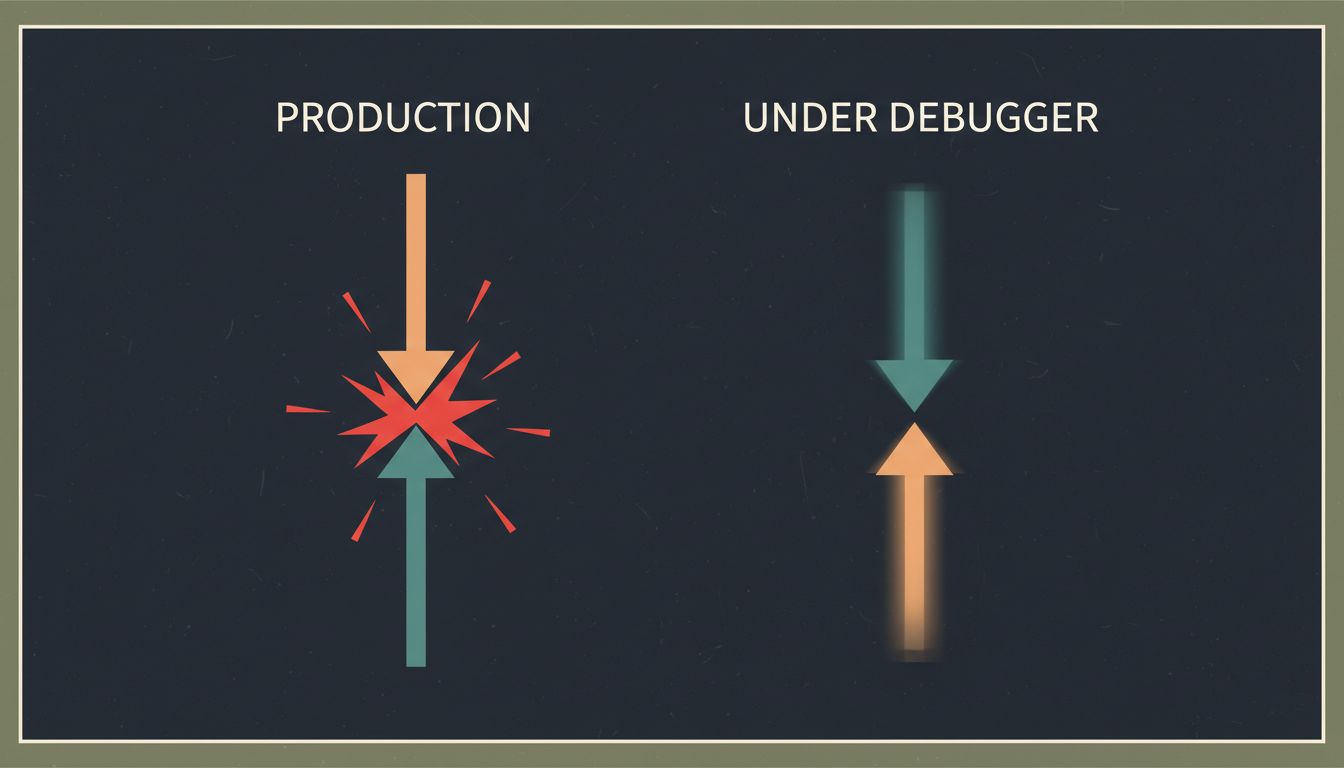
The real cost of a bug isn't the fix itself. It's everything that has to stop, reverse, and restart around it.
Asking an AI to explain its reasoning sounds like a smart move. It often backfires badly, and the reason changes how you should use these tools.
Top engineers don't write complex code to prove their skill. They use a simple mental rule to make their code outlast everyone else's.
The forced pause of a software update isn't wasted time. Neuroscience and productivity data suggest it's when your best thinking actually happens.
Shipping half-finished features isn't laziness or incompetence. For most tech companies, it's a calculated strategy with measurable returns.
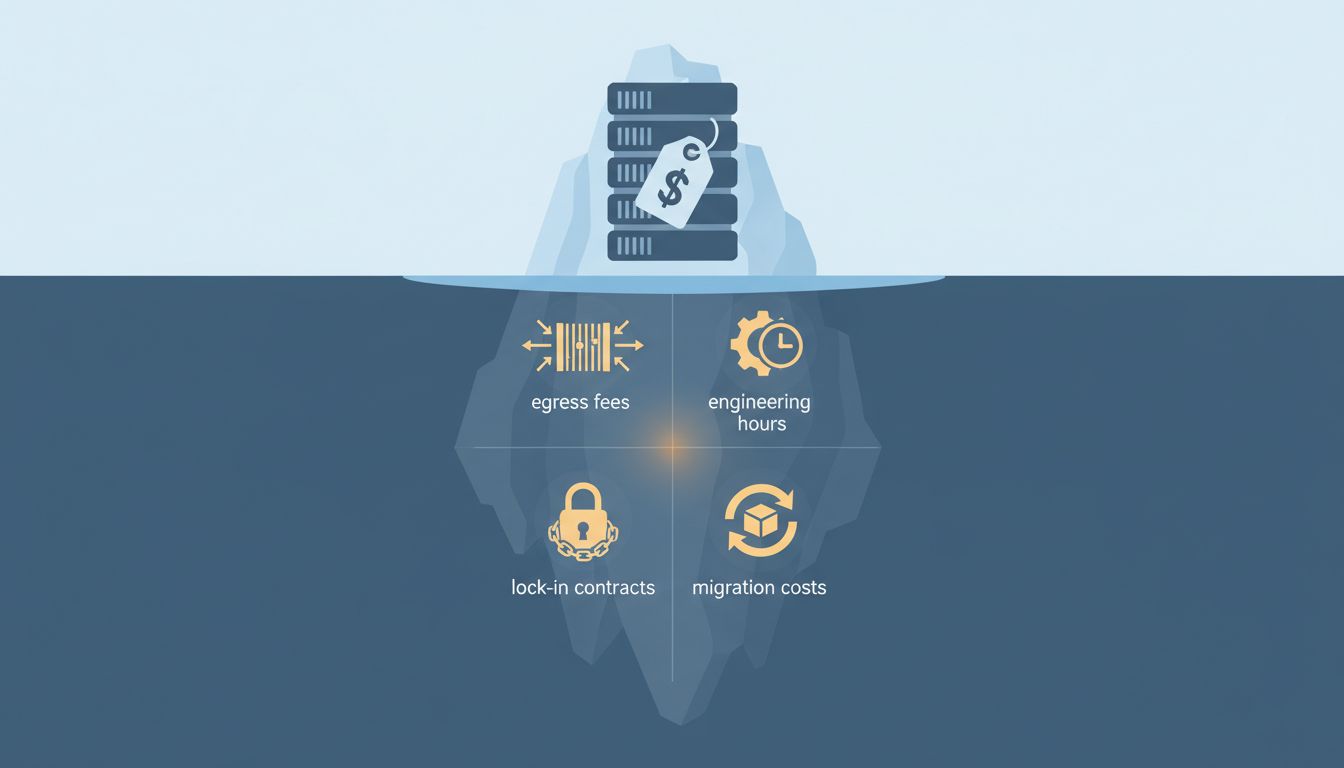
The biggest cloud providers are masters of geographic arbitrage. Here's exactly how they do it, and why your bill keeps climbing.
The planning fallacy doesn't explain chronic software delays. The real culprit is invisible, systematic, and almost never discussed in sprint retrospectives.
Past 100 employees, the best programmer isn't always the best hire. Here's the counterintuitive economics behind why scaling companies overpay for mediocrity.
The apps promising to help you do more are built on a neuroscience flaw that guarantees you'll do less. Here's what's actually happening.
More tools should mean more output. But the highest-performing engineering teams keep proving the opposite, and the reason is rooted in systems theory.
Join thousands of readers who get our weekly breakdown of the most important stories in technology.
Free forever. Unsubscribe anytime.