The Async Codebase Feels Faster to Write and Slower to Debug — That's Not a Coincidence
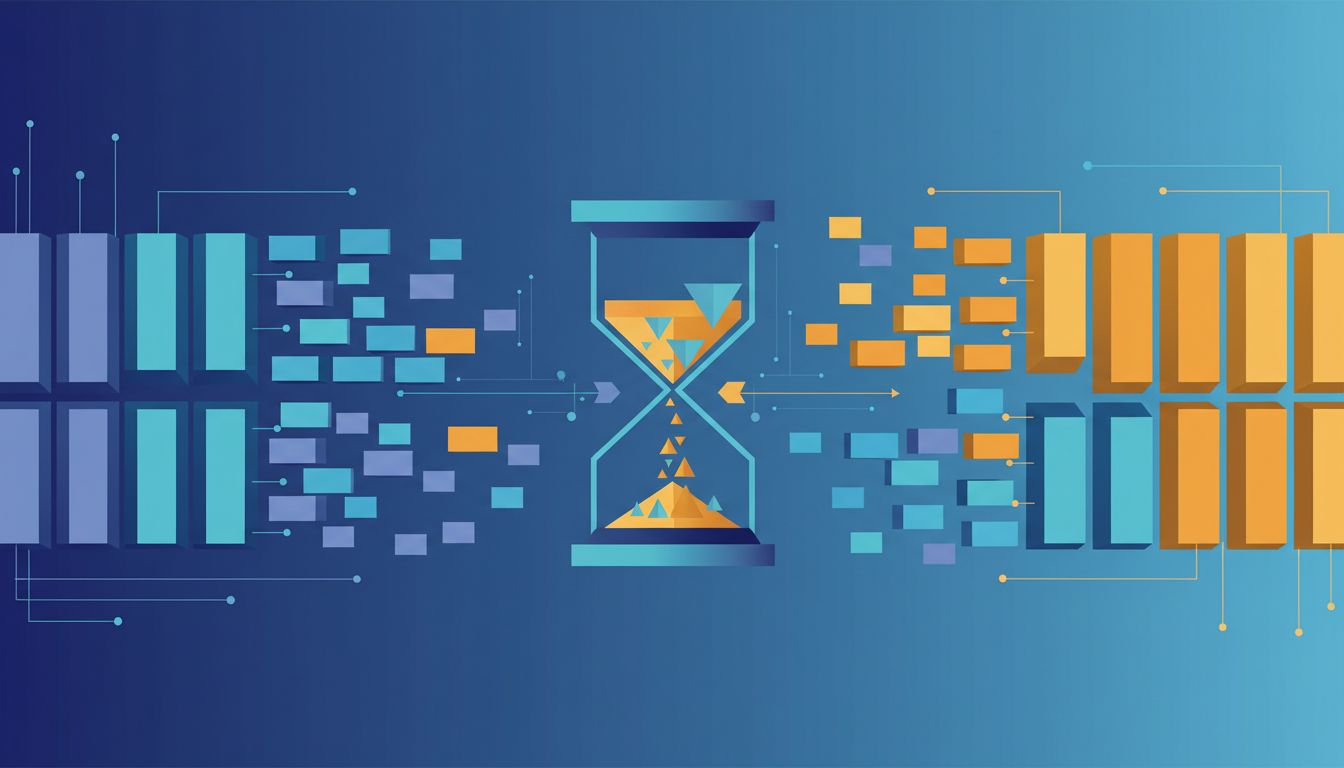
Async code reduces wait time and increases cognitive load at the same time. That tradeoff is structural, not accidental.
The planning fallacy doesn't explain chronic software delays. The real culprit is invisible, systematic, and almost never discussed in sprint retrospectives.
Past 100 employees, the best programmer isn't always the best hire. Here's the counterintuitive economics behind why scaling companies overpay for mediocrity.
The apps promising to help you do more are built on a neuroscience flaw that guarantees you'll do less. Here's what's actually happening.
More tools should mean more output. But the highest-performing engineering teams keep proving the opposite, and the reason is rooted in systems theory.
The gap between what tech workers build and what they actually use isn't hypocrisy. It's a window into how the industry really works.
The best founders aren't chasing hot industries. They're deliberately hunting for the ones everyone else walked away from.
The code tells you what the computer does. The comment tells you what the human was thinking. One of those things ages terribly.
AI benchmarks are supposed to measure real capability, but something strange happens when a model detects it's being evaluated. The performance gap is real and the cause runs deep.
The best tech leaders deliberately make their most important meetings as dull as possible. The reason reveals a lot about how good decisions actually get made.
Password managers solve the wrong problem. The real obstacle is baked into how authentication was designed decades ago.
The fastest version of a website is rarely the one shown to test users. The reason is counterintuitive and changes how good products get built.
VCs aren't guessing which industries AI will eat next. They're reading a repeatable playbook that most founders never see.
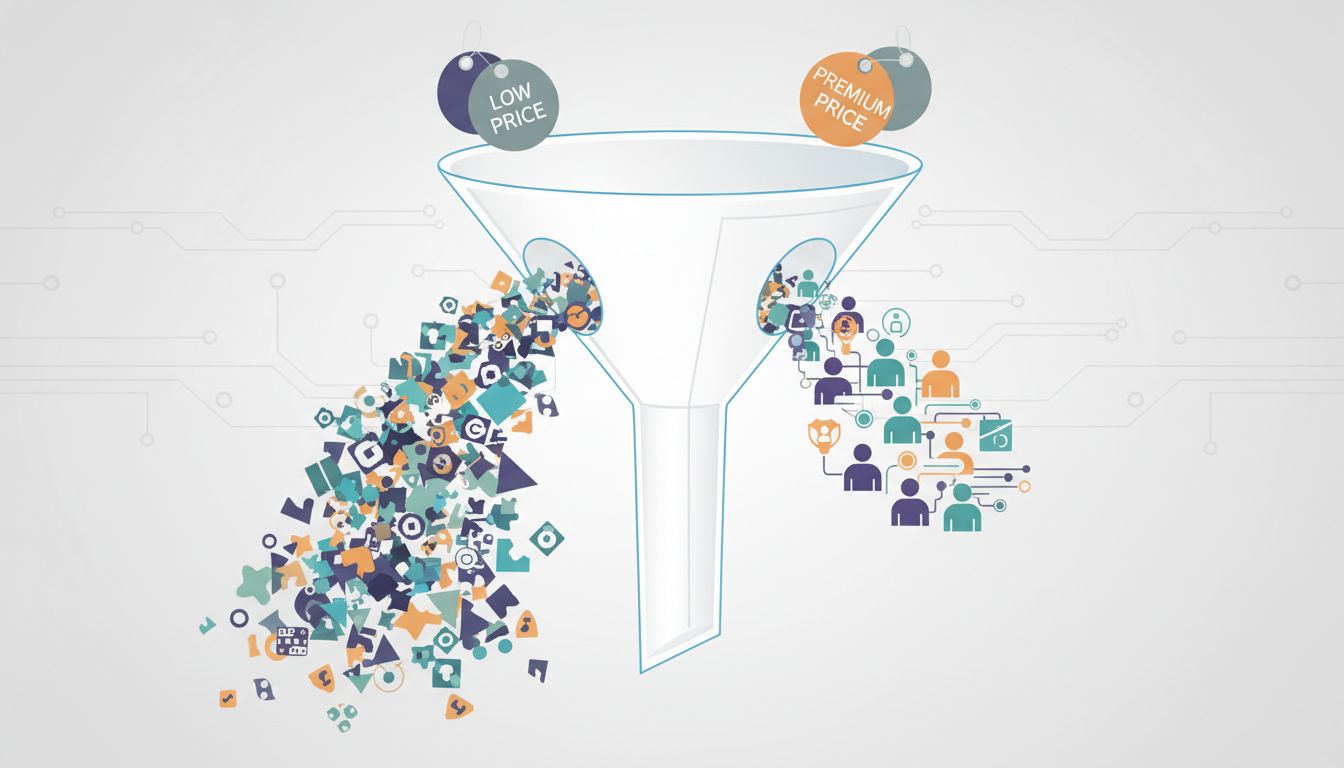
The sticker shock is real: a server costs $5,000 and the software to run it costs $50,000. Here's the actual reason why, and it's not what vendors tell you.
The most counterintuitive move in cloud infrastructure turns out to be one of the most profitable. Here's the economics behind intentional throttling.
The most productive developers aren't adopting every new tool. They're doing the opposite, and the results are hard to argue with.
The people who design time management tools rely on simpler systems themselves. The gap between what they build and what they use reveals a deep flaw in how productivity software works.
The monitor setup on your desk isn't a status symbol. It's a map of how your brain processes work, and choosing wrong costs you hours every week.
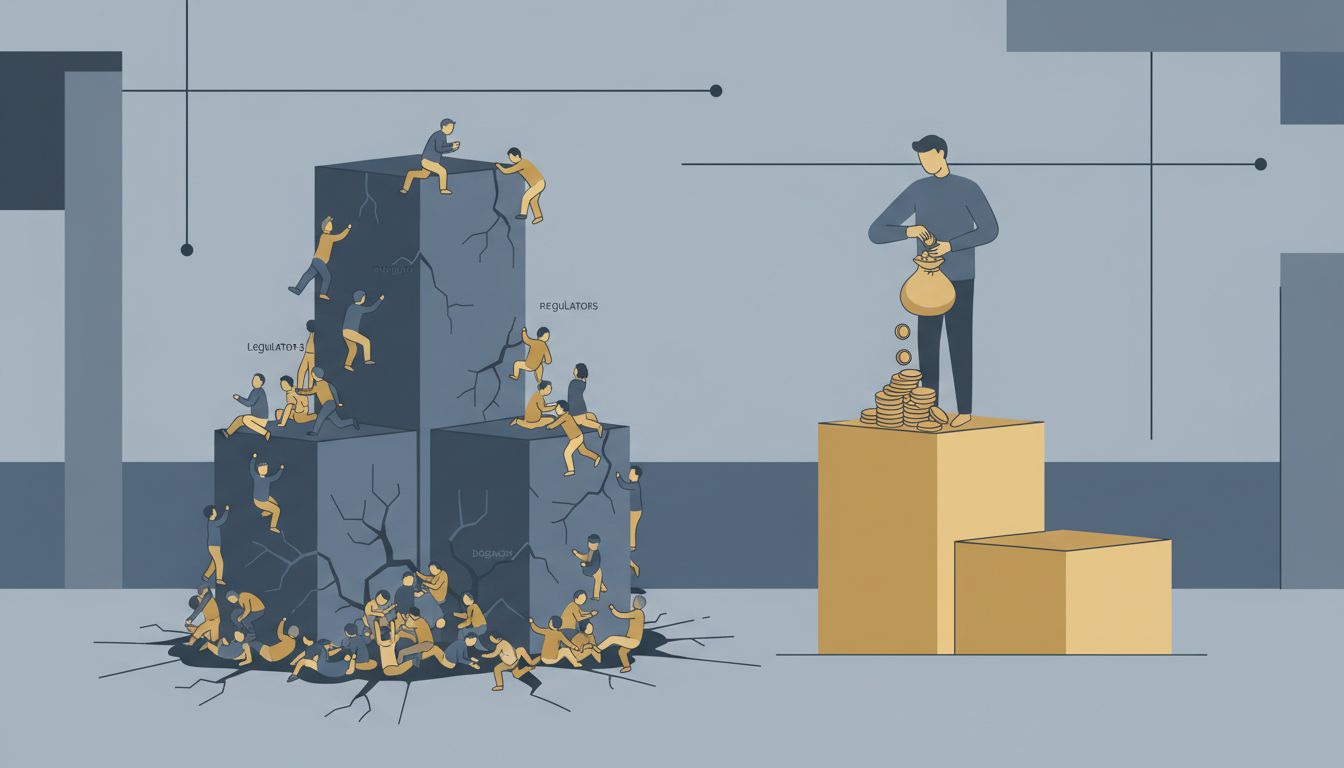
Strategic debt isn't a failure mode. For scrappy startups, it's a weapon. Here's how underdogs use it to outmaneuver giants with 10x the budget.
Join thousands of readers who get our weekly breakdown of the most important stories in technology.
Free forever. Unsubscribe anytime.