Digital Productivity
Context Switching Doesn't Just Slow You Down
The cost of switching tasks isn't just lost minutes. It changes the ceiling on what you can actually produce.
Digital Productivity
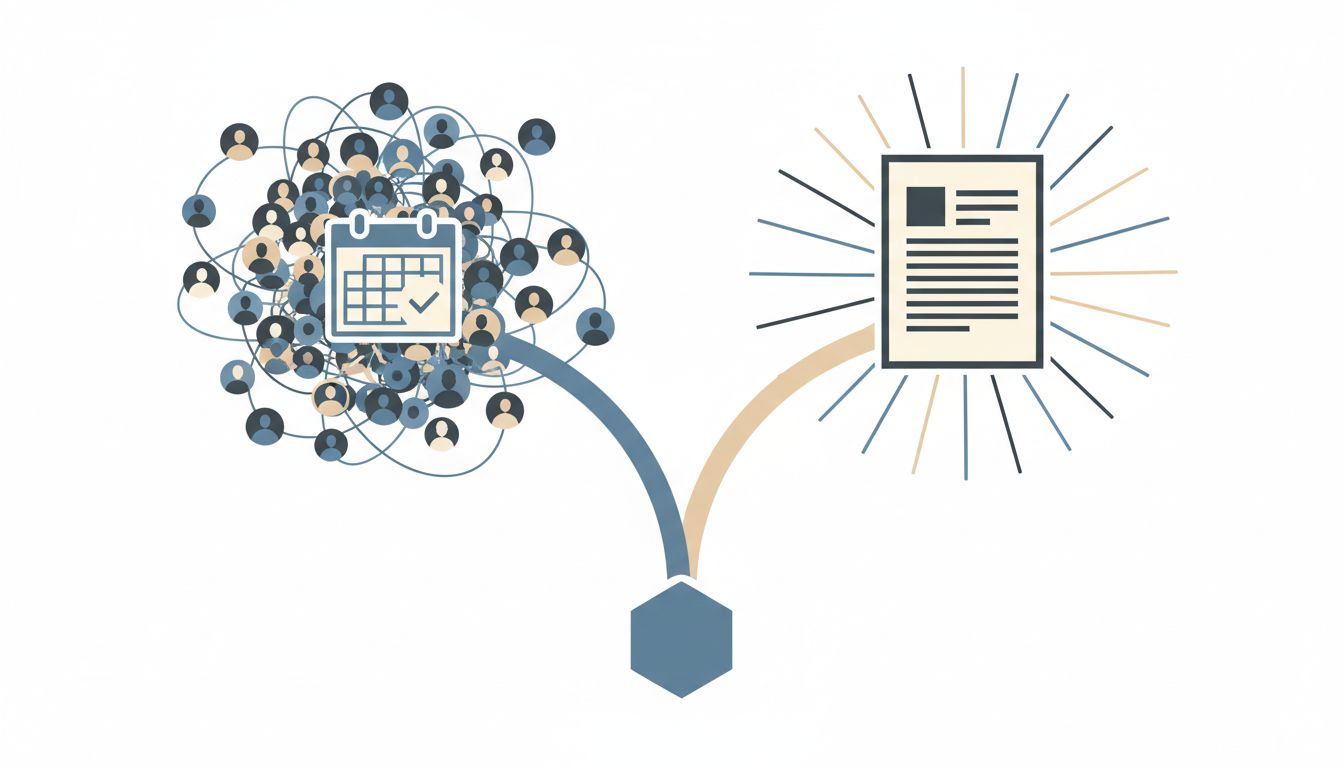
Seven Signs Your Meeting Should Have Been a Document
Not every meeting is a waste of time, but most of them are. Here's how to tell which kind you're in before you schedule it.
Startup Strategy
What to Do When a Bigger Competitor Copies Your Product
A giant just cloned your startup. Before you panic or pivot, here's what founders who survived this actually did.
Don't miss the signal.
Get a weekly dose of the stories shaping technology — delivered straight to your inbox.
No spam. Unsubscribe anytime.
Startup Strategy
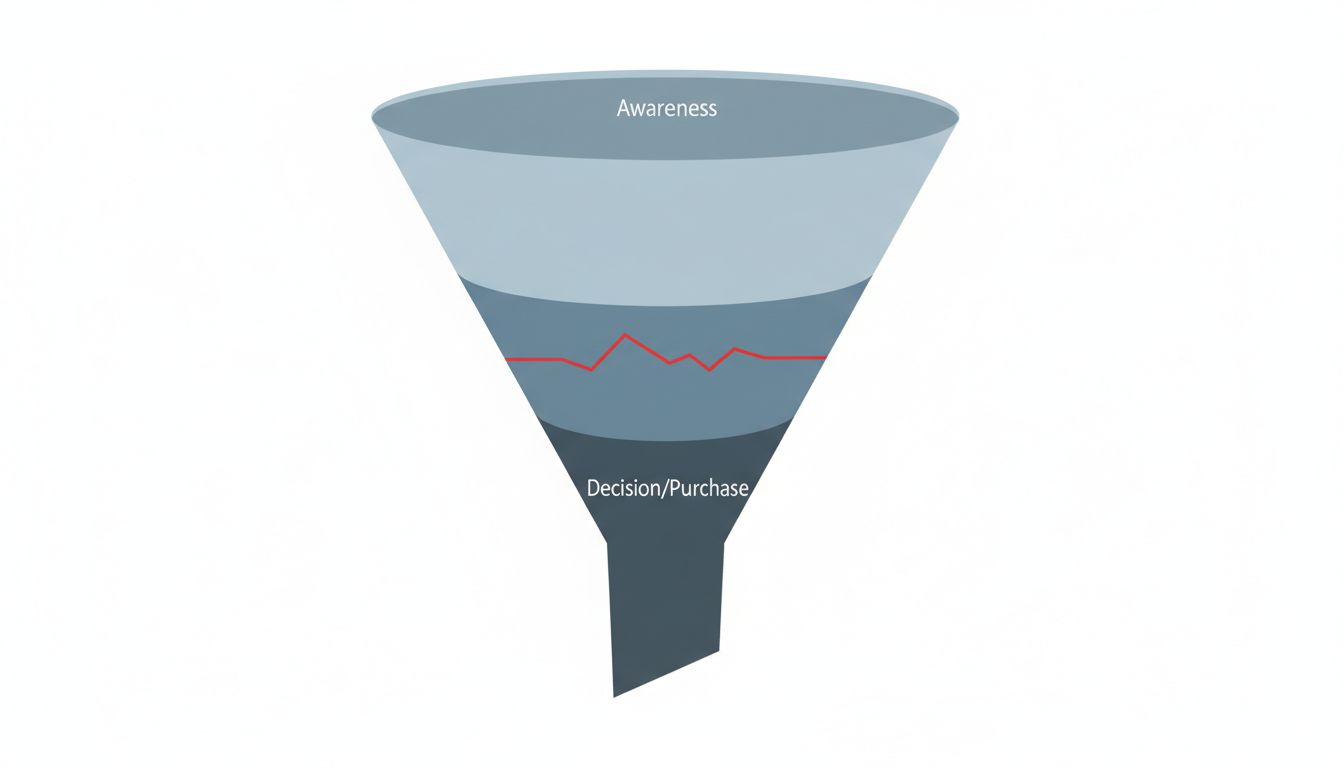
Month Two Churn Is a Sales Problem, Not a Product One
When customers leave six weeks after signing up, founders blame the product. The real culprit is usually sitting in your CRM celebrating a closed deal.
AI & Software
Compilers Have Been Doing What You Think AI Invented
Static analysis, dead code elimination, loop unrolling — your compiler has been making intelligent decisions about your code for decades. Here's what that history tells you about AI.
AI & Software
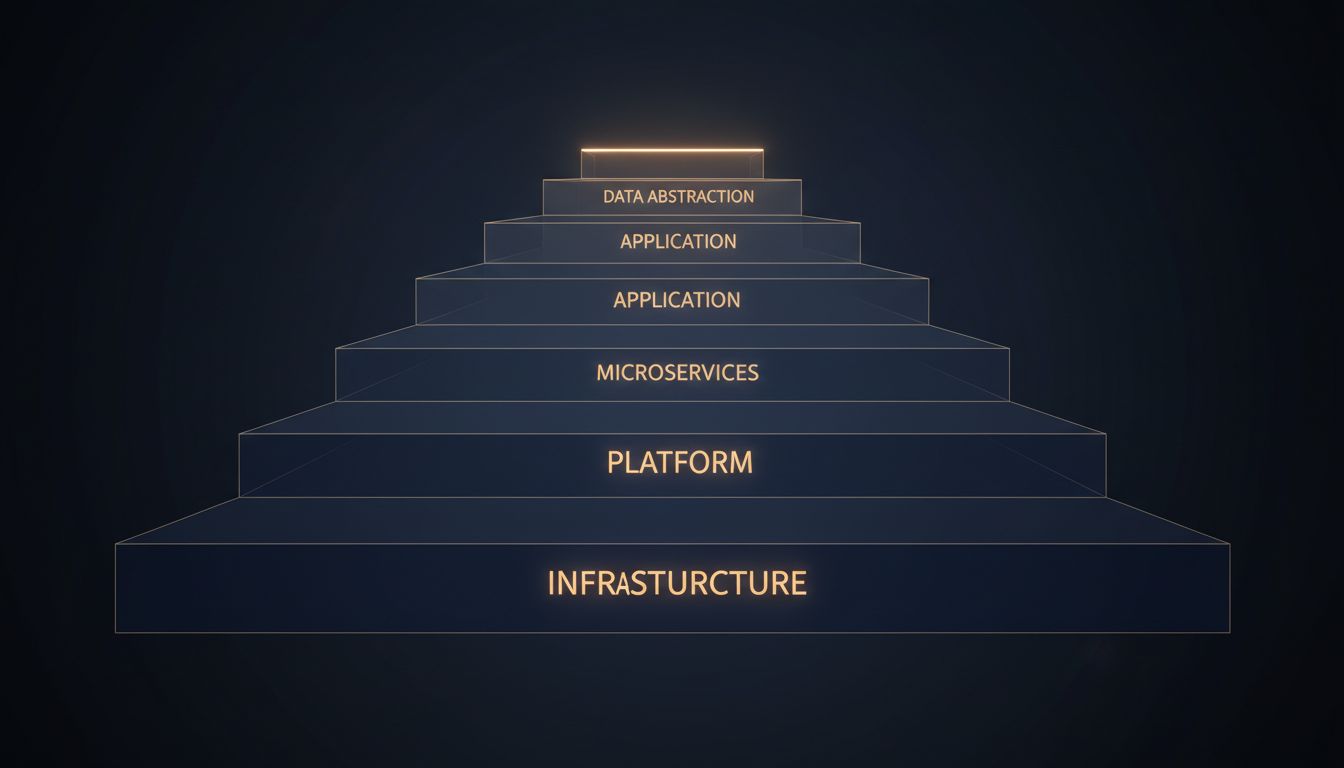
What Actually Happens When You Deploy a Model to Production
Shipping a machine learning model isn't like shipping software. The failure modes are different, subtler, and far more expensive to debug.
Technology
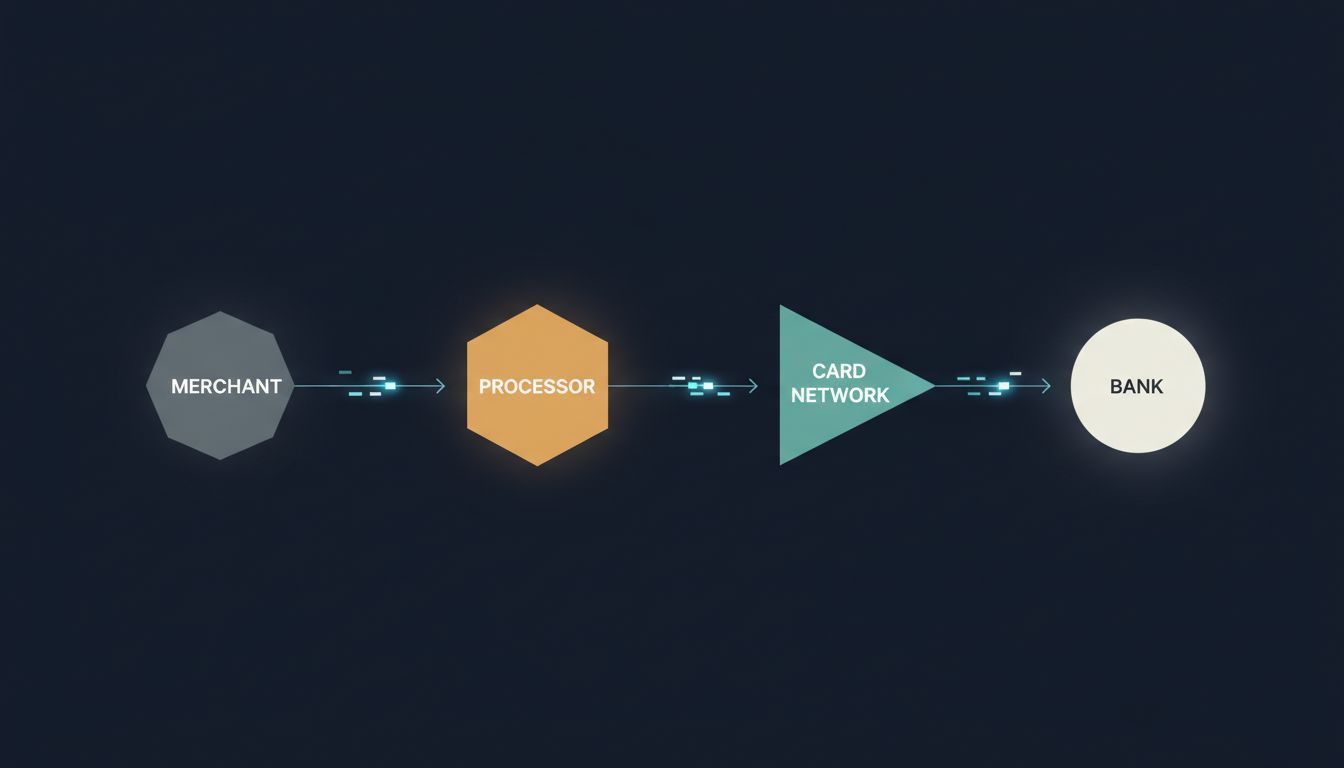
What Actually Happens Between Clicking Pay and Bank Approval
Your payment clears in under two seconds. The chain of systems that makes that possible is older, stranger, and more fragile than you'd expect.
Technology
The Server That Does Nothing Is Your Most Critical One
Standby servers, hot spares, and failover nodes sit idle for months. That idleness is exactly what makes them worth more than the machines doing actual work.
Tech Economics
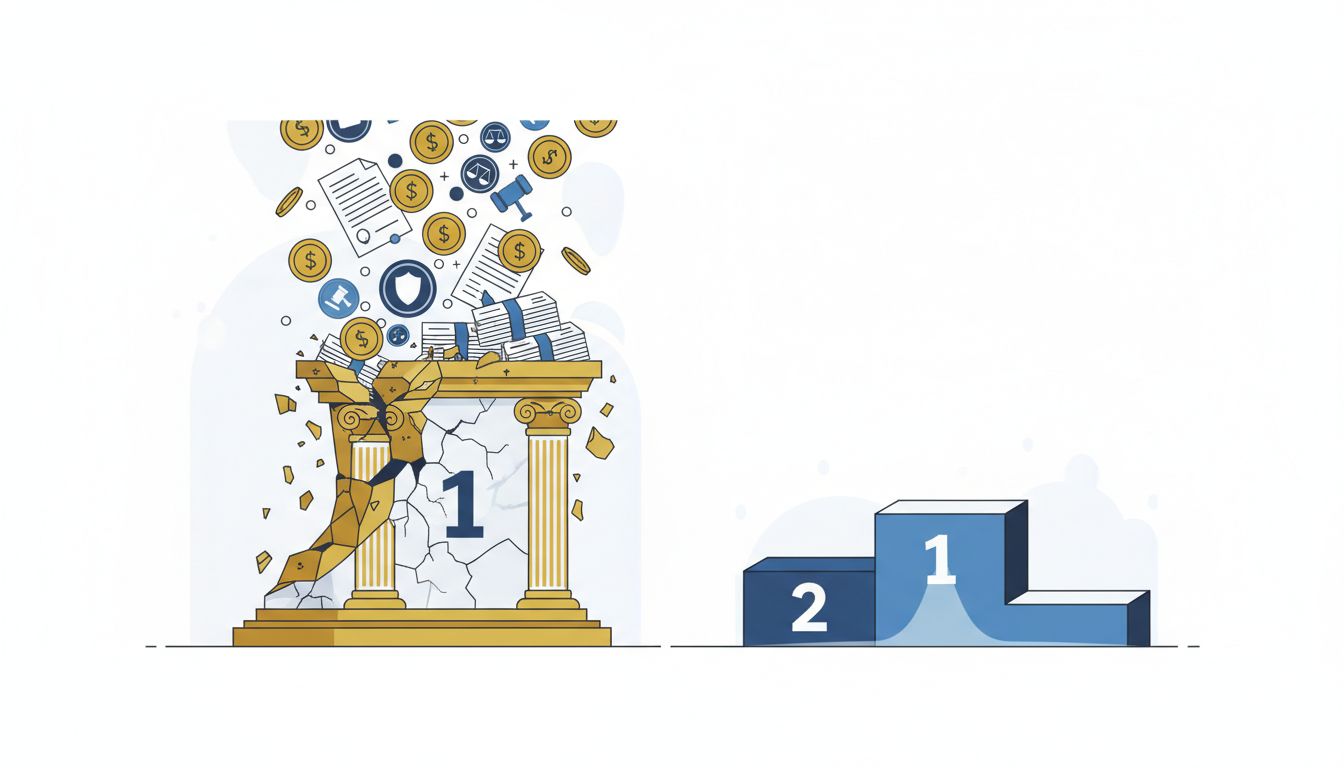
Why the Second-Place Tech Company Is Worth More
Market leaders in tech burn capital defending their position. The company just behind them often keeps more money, faces fewer regulators, and builds more durable margins.
Digital Productivity
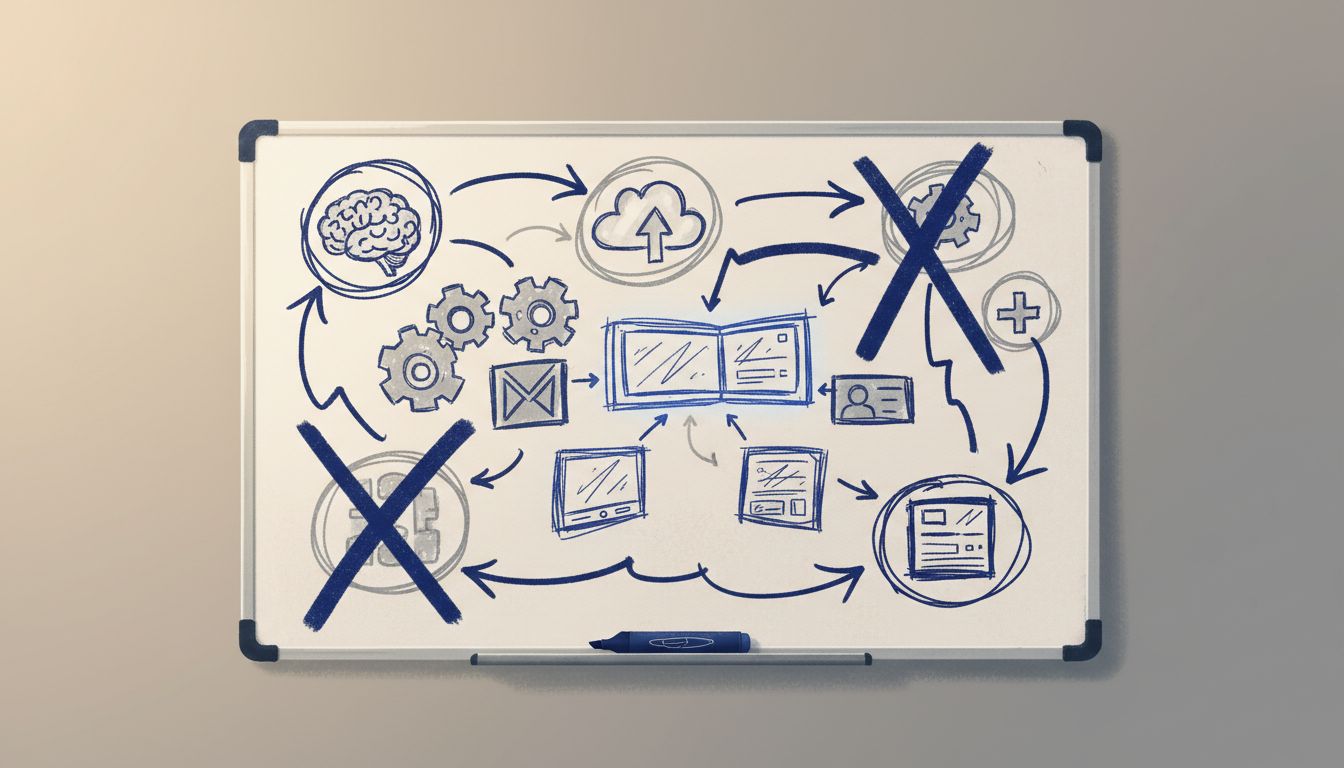
Your Most Important Work Never Makes the Task List
Todo apps are great at tracking discrete actions. They're terrible at capturing the thinking, deciding, and noticing that actually moves things forward.
Startup Strategy
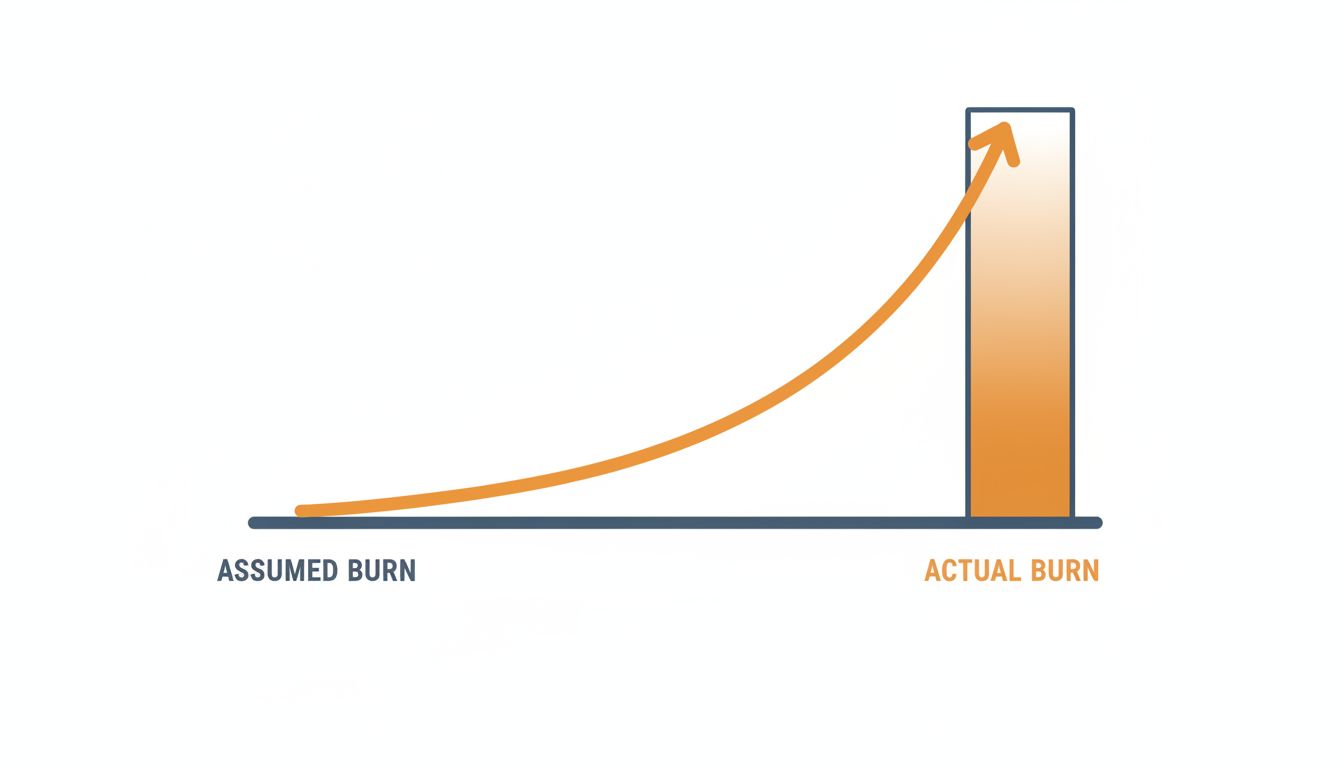
Your Runway Number Is Wrong and Here Is Why
Most founders calculate runway from current burn. The number that actually matters is different, and most boards never ask for it.
Startup Strategy
What You Actually Own When You Buy a Software Company
A cautionary story about acquiring software businesses and discovering too late that the real assets walked out the door on day one.
AI & Software
Prompt Engineering Is Built to Make Itself Unnecessary
Prompt engineering feels like a permanent new skill. It isn't. Here's why that's actually the point, and what comes after it.
Technology
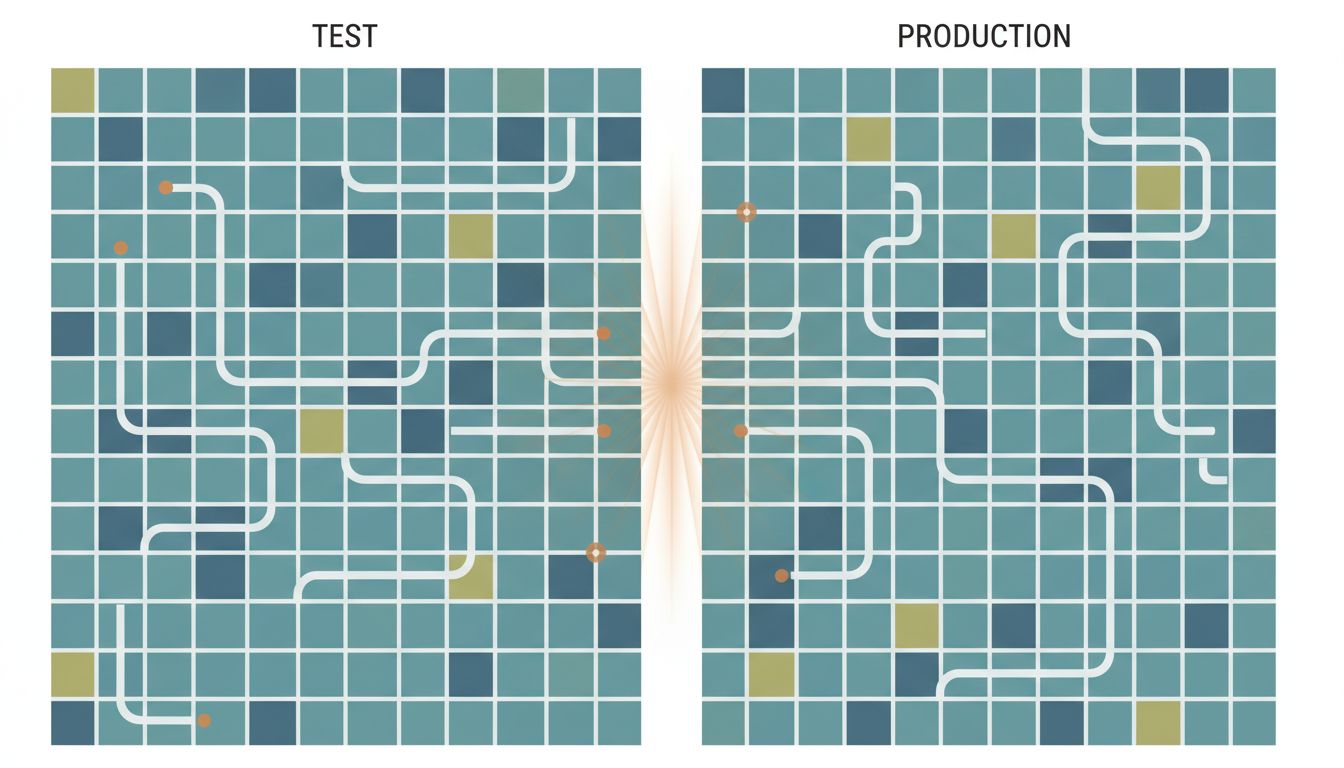
The Bug That Only Appears in Production Indicts Your Tests
When a bug surfaces in production but not in testing, the natural response is to fix the bug. The real problem is what that bug reveals about your test suite.
Technology
How Your Computer Pretends to Do Two Things at Once
Your CPU can only do one thing at a time. Everything else is an elaborate, carefully coordinated illusion — and the machinery behind it explains most of the bugs that are hardest to fix.
Tech Economics
The Software Nobody Bought Turned Out to Be Worth More
Free and open-source software built the internet, runs your cloud, and powers most of the world's most valuable companies. It just wasn't designed to capture any of that value.
Digital Productivity
The Meeting With No Agenda That Saved the Project
A product team at Basecamp kept shipping the wrong thing. The fix wasn't better planning. It was a deliberately unstructured conversation.
Startup Strategy
Why Founders Always Miscalculate Their Runway
Founders build runway models from spreadsheets. Reality spends from a different document entirely. Here's where the math breaks down.