Notifications Didn't Kill Deep Work. Your Recovery Time Did.
A software team cut notifications by 80% and got worse. The problem was never the interruption. It was what happened in the 23 minutes after.
Founders chasing 'sexy' markets fight over crowded tables. The ones building quietly in boring industries are cashing out first.
The most dangerous thing a startup can do is take established players seriously. Here's why deliberate ignorance is a competitive weapon.
The 'scratch your own itch' advice dominates startup culture. The data tells a completely different story.
The best co-founder relationships aren't built on shared vision. They're built on productive friction, and the data backs it up.
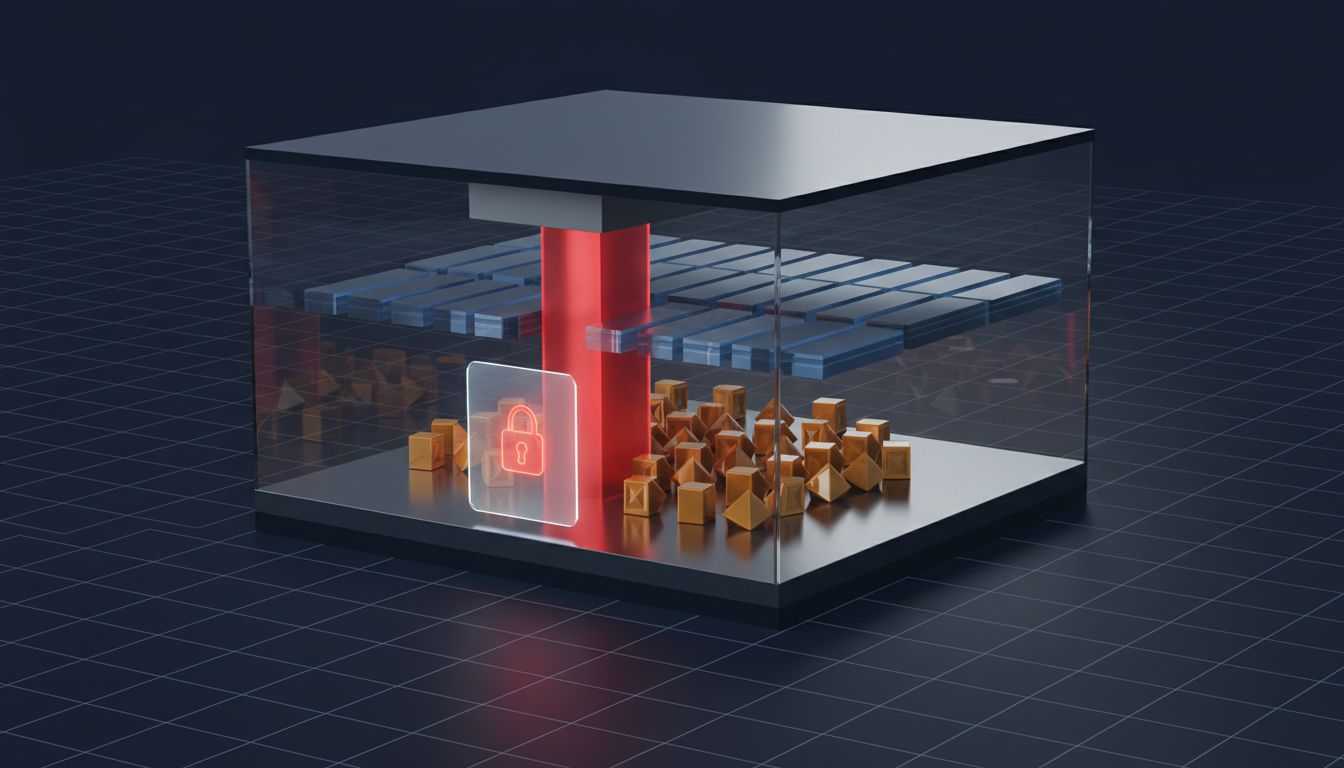
Your password manager might store a copy of your master password. That's not a bug — it's the whole point.
The datasets we feed AI models don't just shape algorithms. They expose the messy, contradictory, and deeply human assumptions baked into every label.
That doomed product launch wasn't a mistake. It was a calculated move, and once you see the strategy, you can't unsee it.
Unreadable code isn't always incompetence. Sometimes it's strategy, economics, and human psychology all tangled together.
A growing number of top engineers are listing their biggest failures alongside their wins. Hiring managers say it's the most honest signal they've ever seen.
The best apps disappear into your routine. That invisibility is not a design accident — it is the whole strategy.
The features your software could deliver instantly are held back on purpose. The reason reveals how the entire industry actually makes money.
VCs aren't confused about traditional metrics. They're playing a completely different game, and once you see it, every absurd valuation makes perfect sense.
Platform monopolies design free trials to build switching costs, not showcase value. The psychology behind it is more calculated than you think.
Your $3,000 laptop runs $50,000 worth of software. That ratio isn't an accident. It's the whole business model.
The features you love most are often intentionally hobbled. Here's the cold economic logic hiding behind every artificial limit.
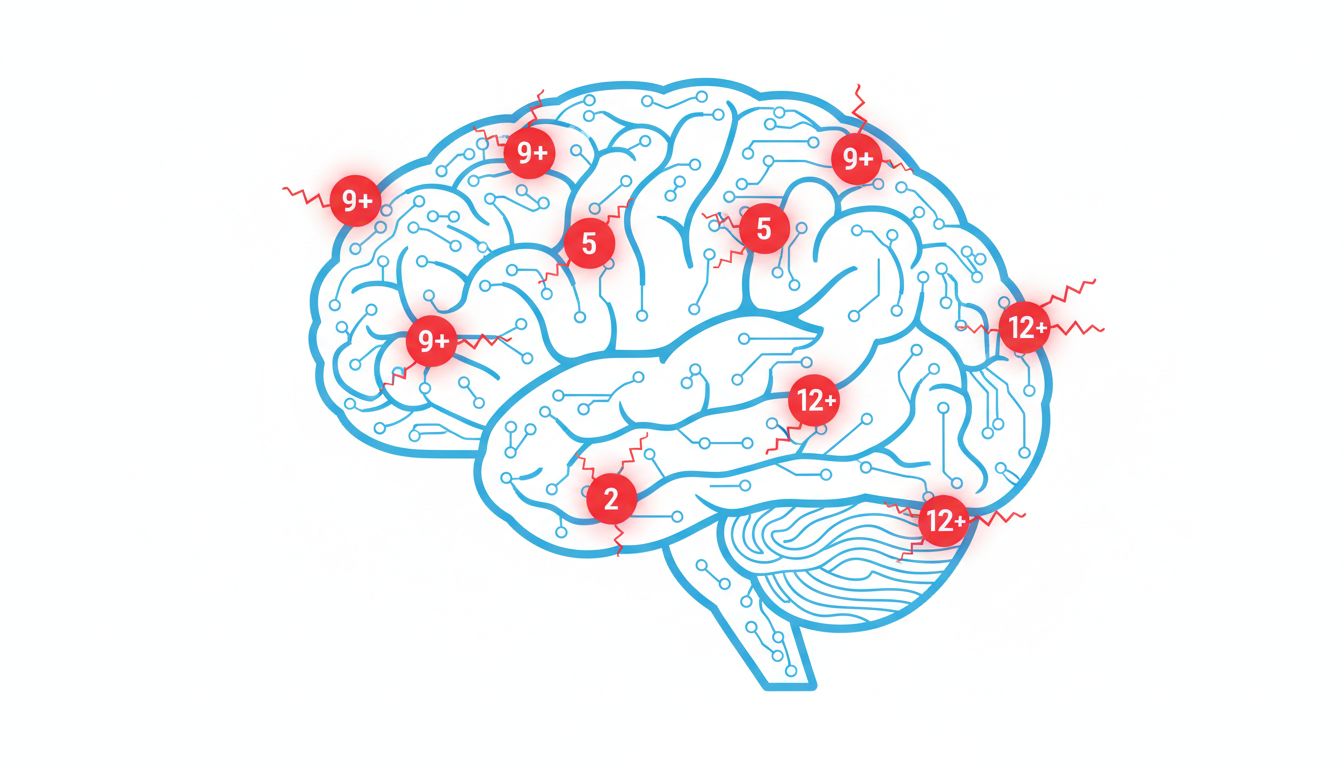
Every time you switch tasks, your brain pays a hidden cost. Here's how the best knowledge workers account for it and build their day around it.
More tools, more tabs, more plugins. Power users think complexity is an advantage. The data says otherwise, and the reason lives deep in cognitive architecture.
Real-time collaboration feels productive. Shared async documents actually are. Here's the technical and cognitive case for slowing down to speed up.
Join thousands of readers who get our weekly breakdown of the most important stories in technology.
Free forever. Unsubscribe anytime.