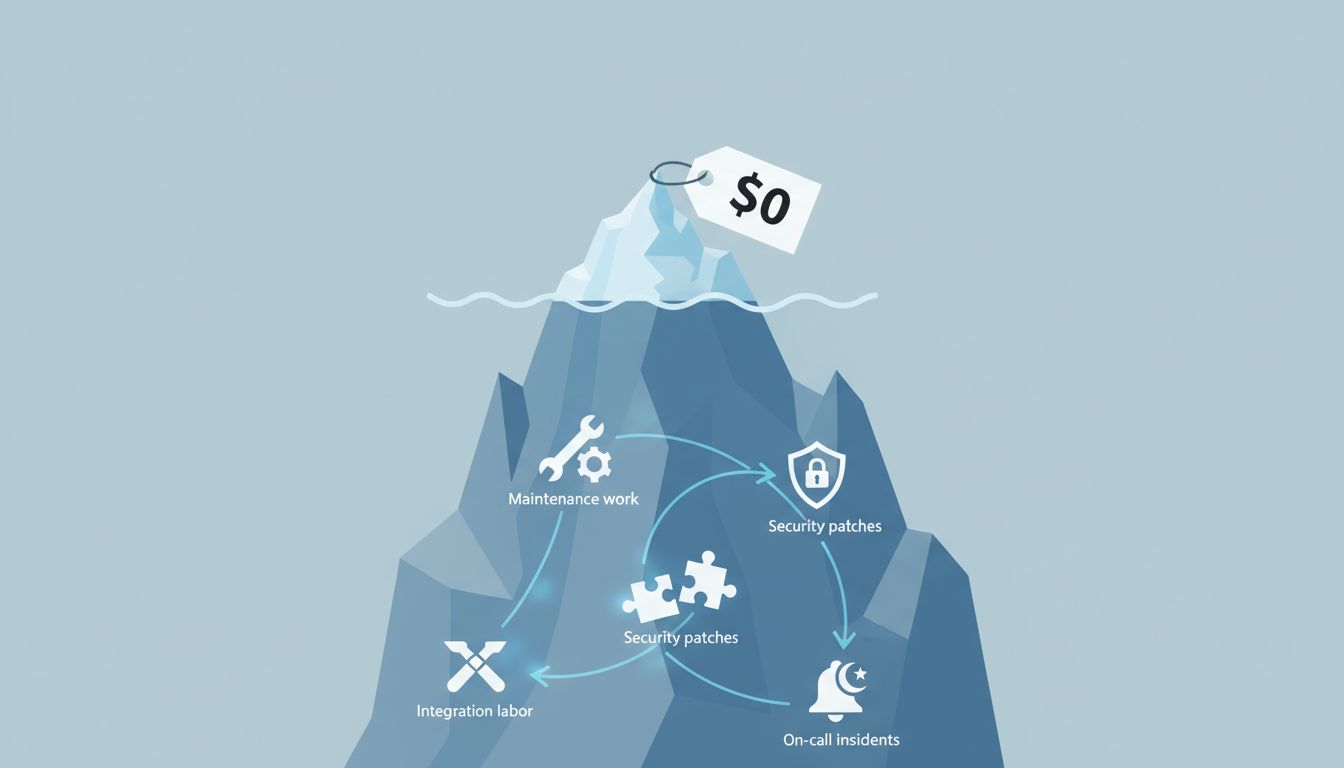
Open Source Maintainers Are Doing the Work That Keeps the Internet Running, for Free
The software powering trillion-dollar companies was built by volunteers. Here's how that happened and why it keeps working until it suddenly doesn't.
Failed features aren't accidents. They're calculated moves that reveal how the smartest tech companies actually compete.
The founders who ship 'good enough' products on purpose aren't cutting corners. They're playing a completely different game than you think.
Dark patterns are user interface tricks engineered to override your judgment. Here's how they work, why they're so effective, and how to spot them.
Shipping broken software isn't negligence. For most companies, it's the most rational decision they can make. Here's the math behind it.
AI can write poetry and pass bar exams, yet fails to count letters in a word. Here's the surprisingly simple reason why.
The worst version of a great app is usually the most important one. Here's the counterintuitive math behind why.
Your aging smartphone isn't just getting old. It's being managed. Here's the business logic, the legal cover, and what you can actually do about it.
The economics of software pricing have nothing to do with production costs. They never did.
The boomerang employee trend is not nostalgia. It is a calculated economic strategy that makes hiring managers look irrational until you see the numbers.
Cognitive Load Theory explains why some apps feel like a breeze and others leave you exhausted. Here's how the best companies apply it.
More tools, more tabs, more plugins — yet less gets done. The science behind why minimal setups consistently outperform maxed-out ones.
Failure isn't a bug in the product launch playbook. For the smartest tech companies, it's the whole point.
Counterintuitive naming isn't a mistake. It's a deliberate filter that separates the committed from the casual, and billion-dollar companies built their brands on it.
The real reason engineers prefer dark mode goes deeper than eye strain. It's about cognition, contrast, and how the brain processes code.
It's not a bug. The randomness baked into AI language models is a deliberate design choice, and understanding it changes how you use these tools.
The apps that changed industries didn't start with everything. They started with almost nothing, on purpose.
Unreleased features aren't wasted effort. They're deliberate moves in a competitive game most users never see.
Platform subsidies let Amazon, Google, and Apple sell products below cost. The losses are intentional. The payoff is enormous.
Join thousands of readers who get our weekly breakdown of the most important stories in technology.
Free forever. Unsubscribe anytime.