Startups Find Product-Market Fit Mostly by Accident
The founders who claim they engineered product-market fit are usually rewriting history. Most stumble into it while looking for something else.
The end-of-day productivity surge isn't magic. It's what focus looks like when everything else finally stops competing for your attention.
More apps, more integrations, more workflows. The power user has it all. The digital minimalist has better output. Here is why constraints win.
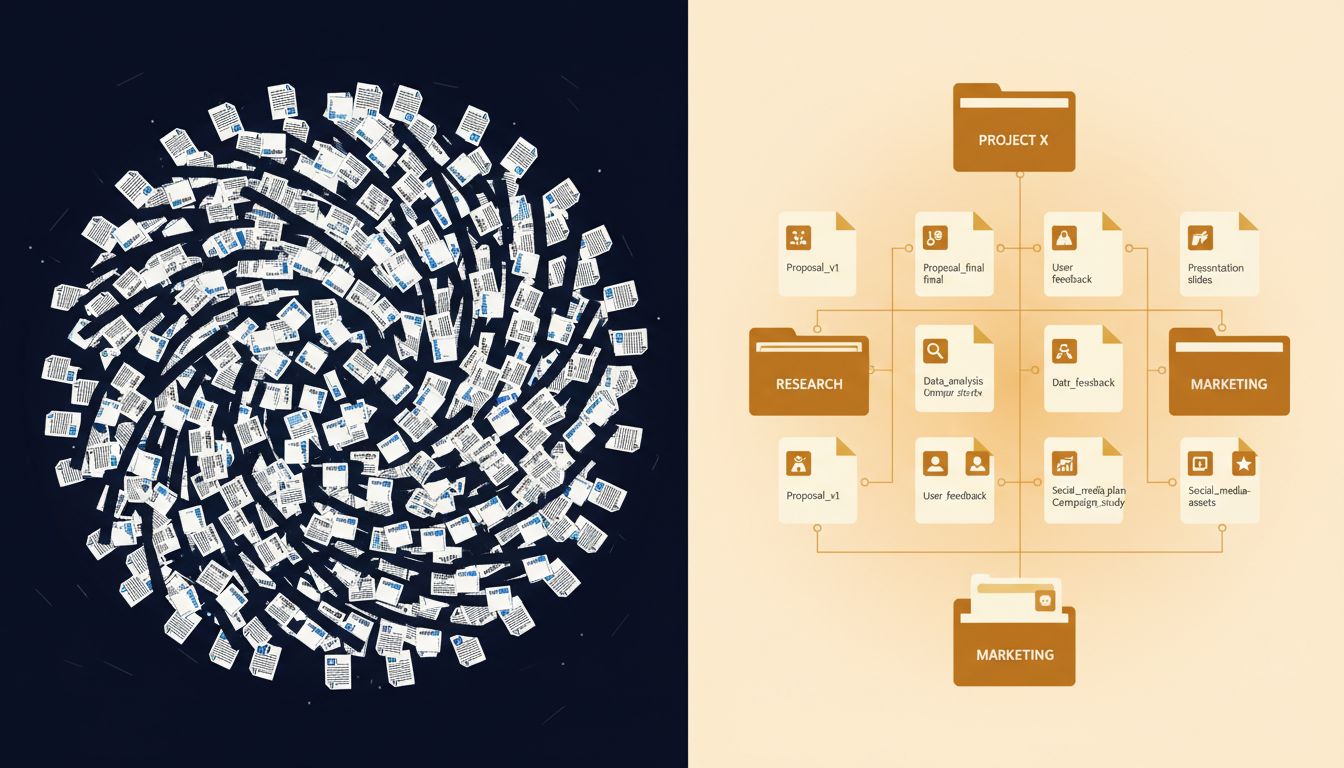
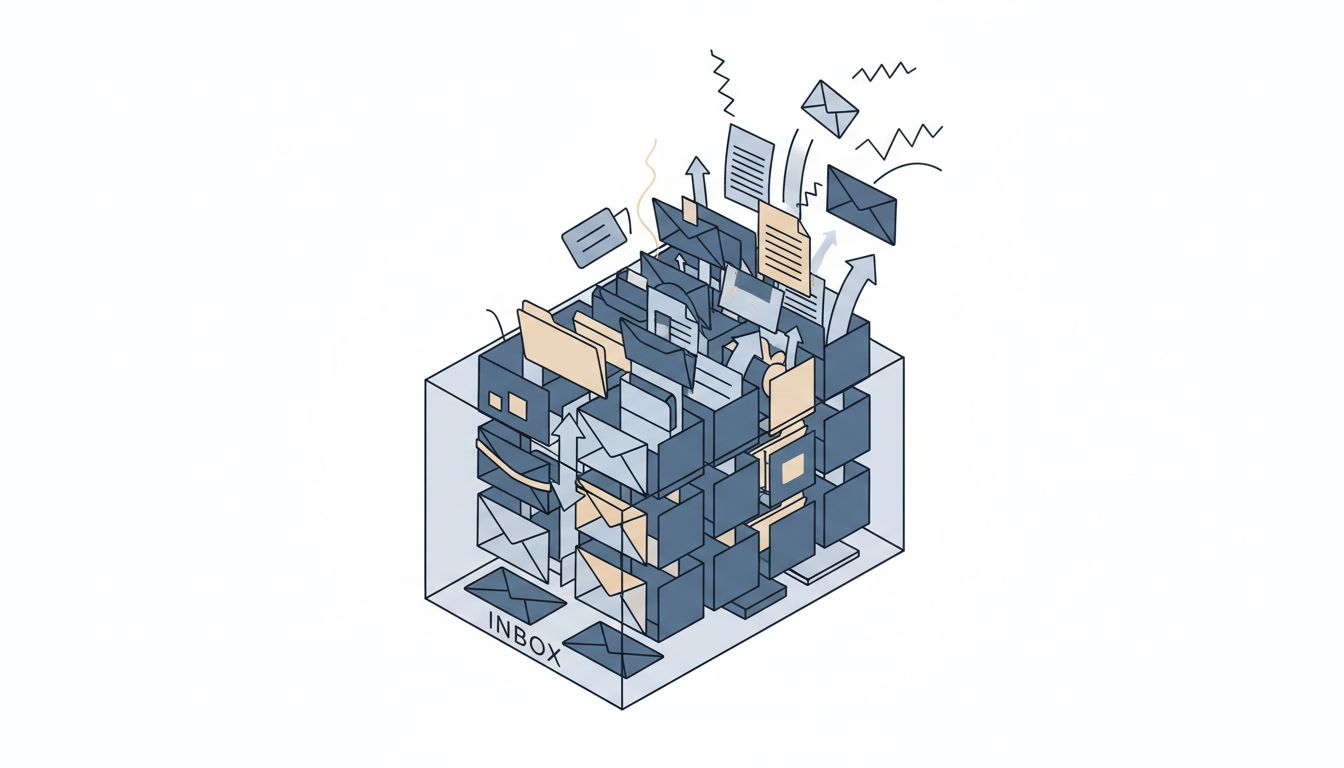
Every open tab is an unfinished thought. Here is what that costs you, and how to stop paying it.
Basecamp's approach to structured time blocks offers a concrete model for anyone whose calendar has drifted into chaos.
Before Airbnb had algorithms, hosts had strangers sleeping in their spare rooms while the founders personally photographed apartments. That wasn't a limitation. It was the strategy.
The companies that looked like they were wandering into random markets weren't wandering at all. They were following a logic most observers missed entirely.
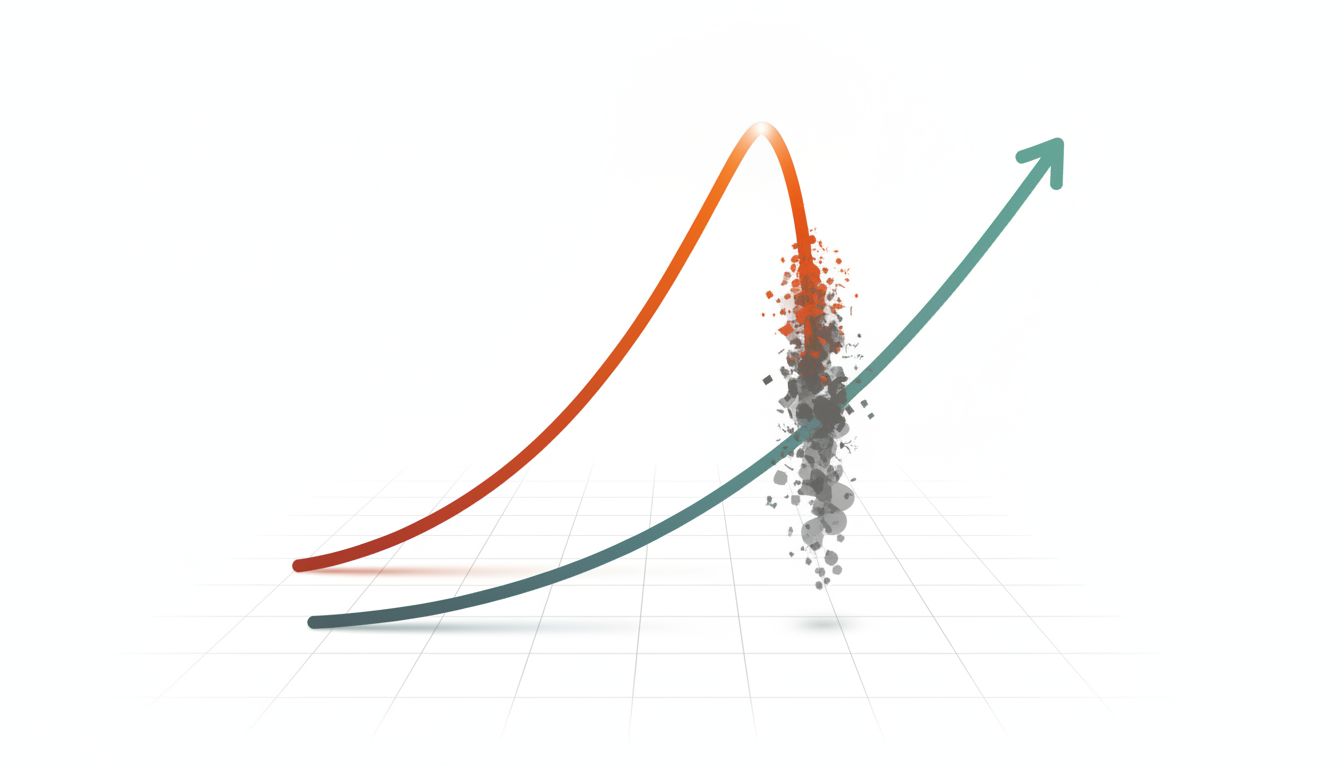
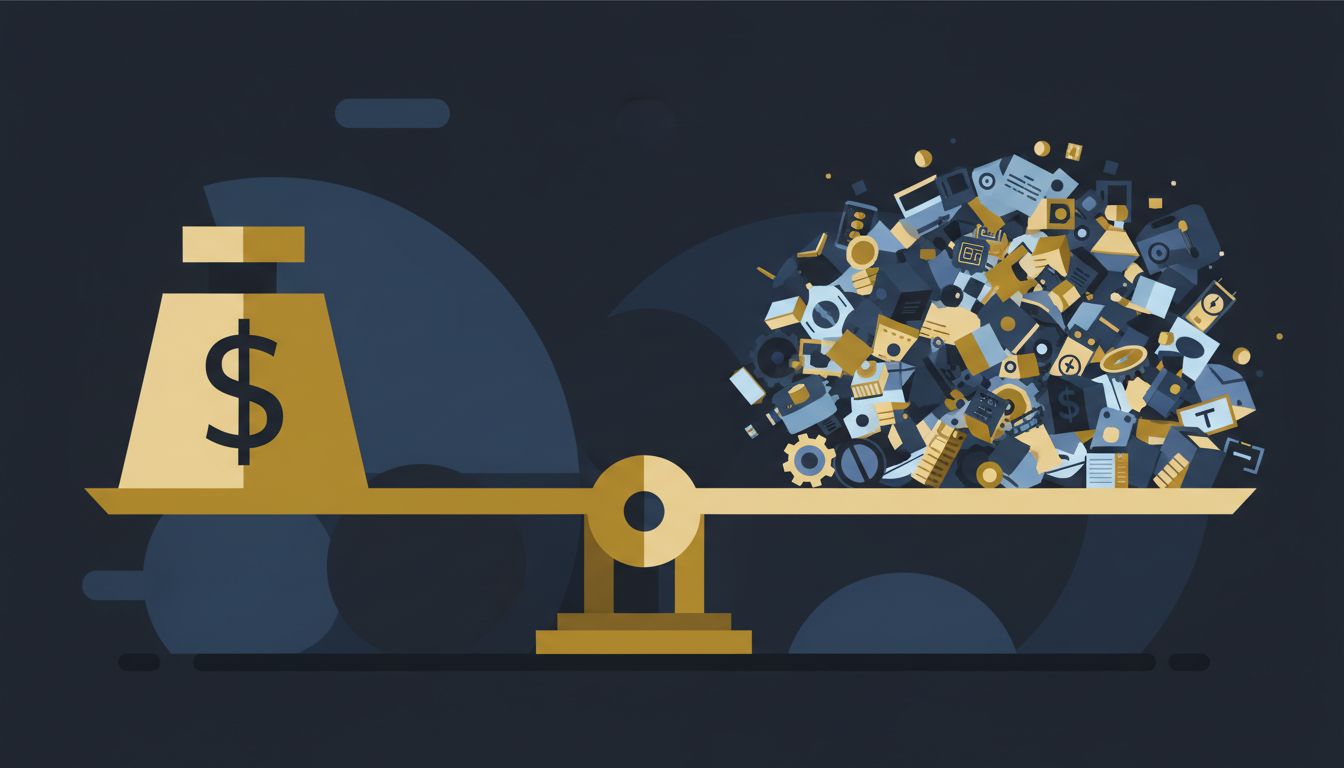
The real reason underfunded startups win isn't scrappiness. It's that money buys options, and too many options is a product strategy killer.
When ChatGPT says 'I think' or 'I believe,' that's not humility. It's a calculated product decision with legal, psychological, and technical roots.
The most powerful design choices in software aren't buttons or colors. They're the options users never see because they were already chosen for them.
Why do tech companies ship AI features users openly distrust? The answer has less to do with optimism and more to do with who's actually watching.
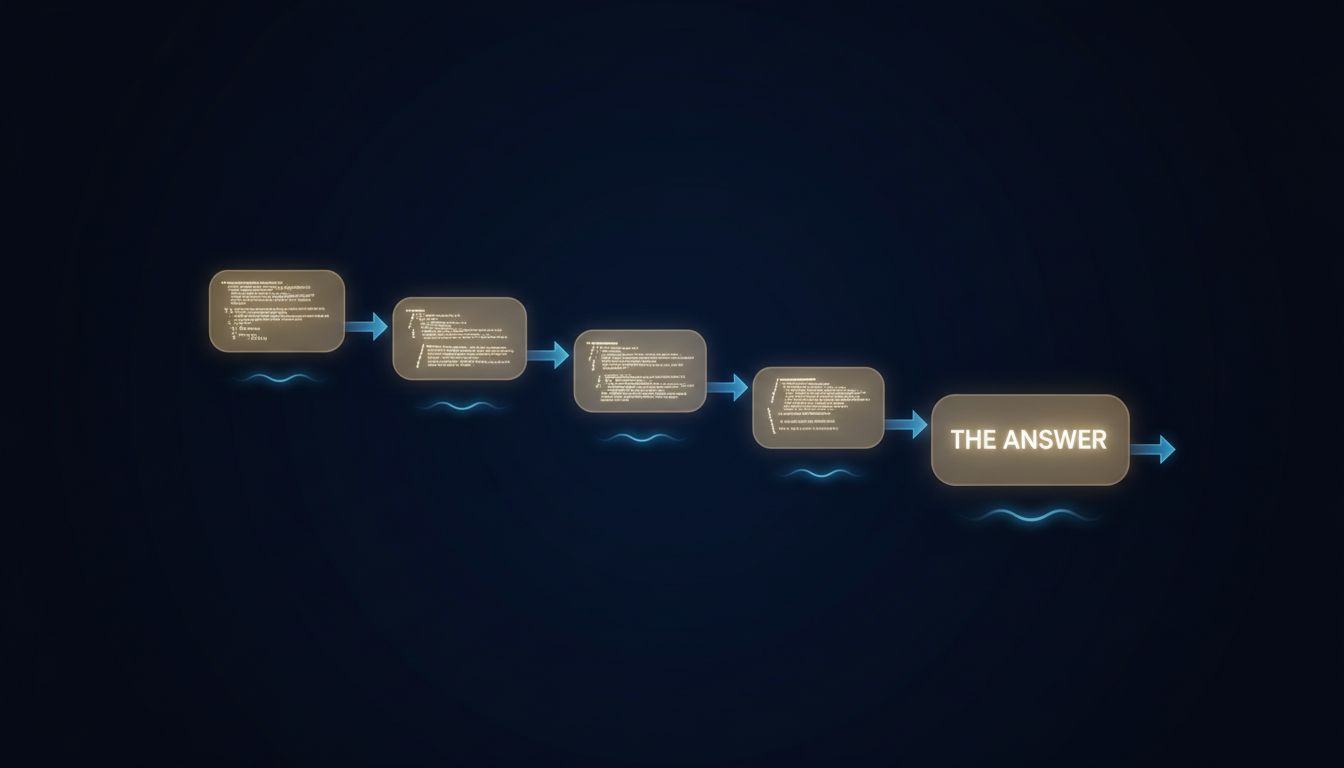
The assumption that bigger datasets produce better models is one of the most persistent and costly mistakes in modern AI development.
No marketing campaign reaches 100% of users. Default settings do. Here's how tech companies use that to quietly shape behavior at scale.
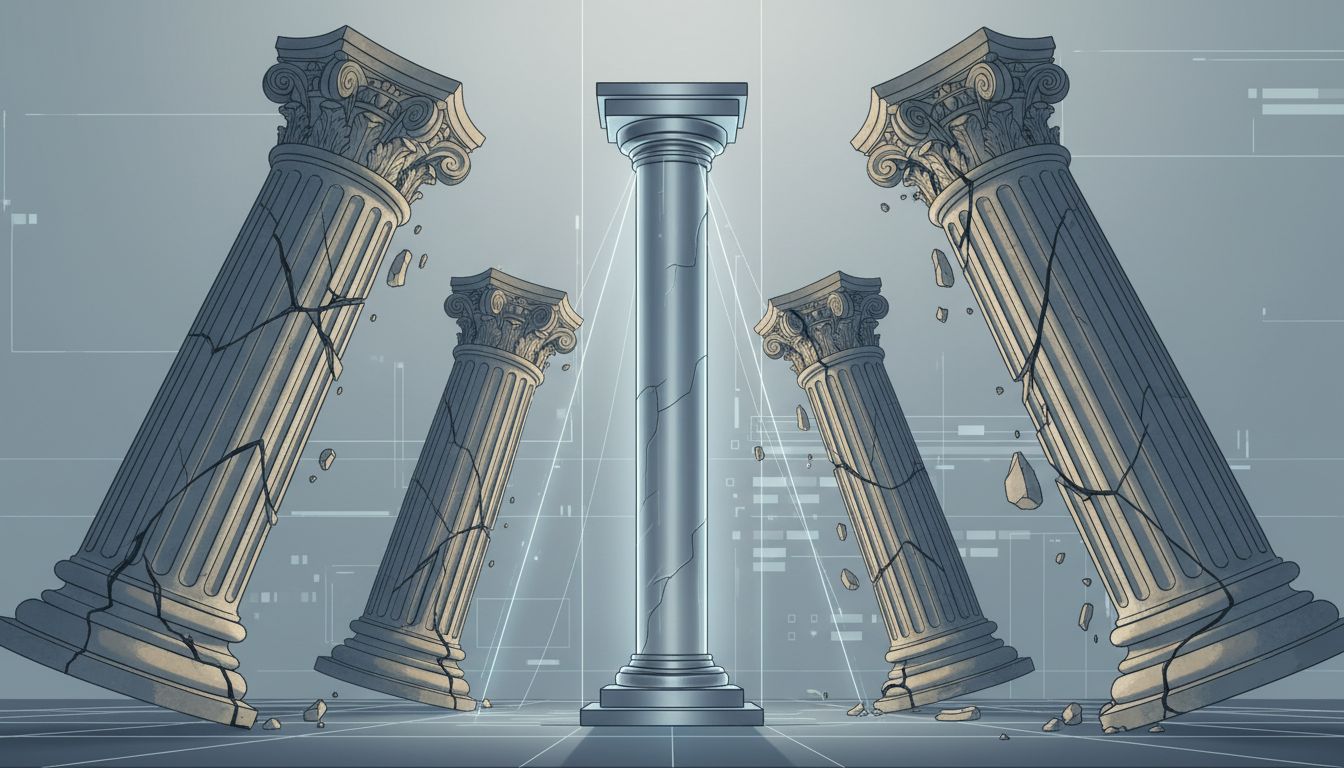
The password advice you ignored for years was actually correct. The problem was never your memory. It was the system asking you to use it.
Microsoft invested in OpenAI. Google funded Anthropic. This looks like charity. It is the opposite.
Planned obsolescence in tech isn't negligence or short-termism. It's a precise, rational strategy that most companies execute deliberately and well.
The biggest winners in tech didn't satisfy existing demand. They manufactured awareness of a problem, then sold the solution.
Amazon, Google, and Apple don't price hardware to make money on hardware. Here's the actual business model hiding behind the discount.
SaaS companies don't charge per seat because it's simpler. They do it because it turns their customers into unwitting salespeople.
Join thousands of readers who get our weekly breakdown of the most important stories in technology.
Free forever. Unsubscribe anytime.