Seven Reasons Cloud Bills Keep Surprising Companies That Thought They Had Planned for Them
The problem isn't that companies ignore cloud costs. It's that the structure of cloud pricing is designed to make accurate forecasting nearly impossible.
The best remote workers aren't optimizing for frictionless tools. They're strategically adding friction to protect their focus.
The startups that actually make money weren't built under pressure. They were built in the margins, and that changes everything.
Most founders study competitors to copy them. The smart ones study competitors to find what they deliberately left behind.
The startup pivot is mythologized as a moment of genius. The reality is messier, more instructive, and hiding in plain sight.
Shipping incomplete products isn't a failure of execution. For the startups that win, it's the actual plan.
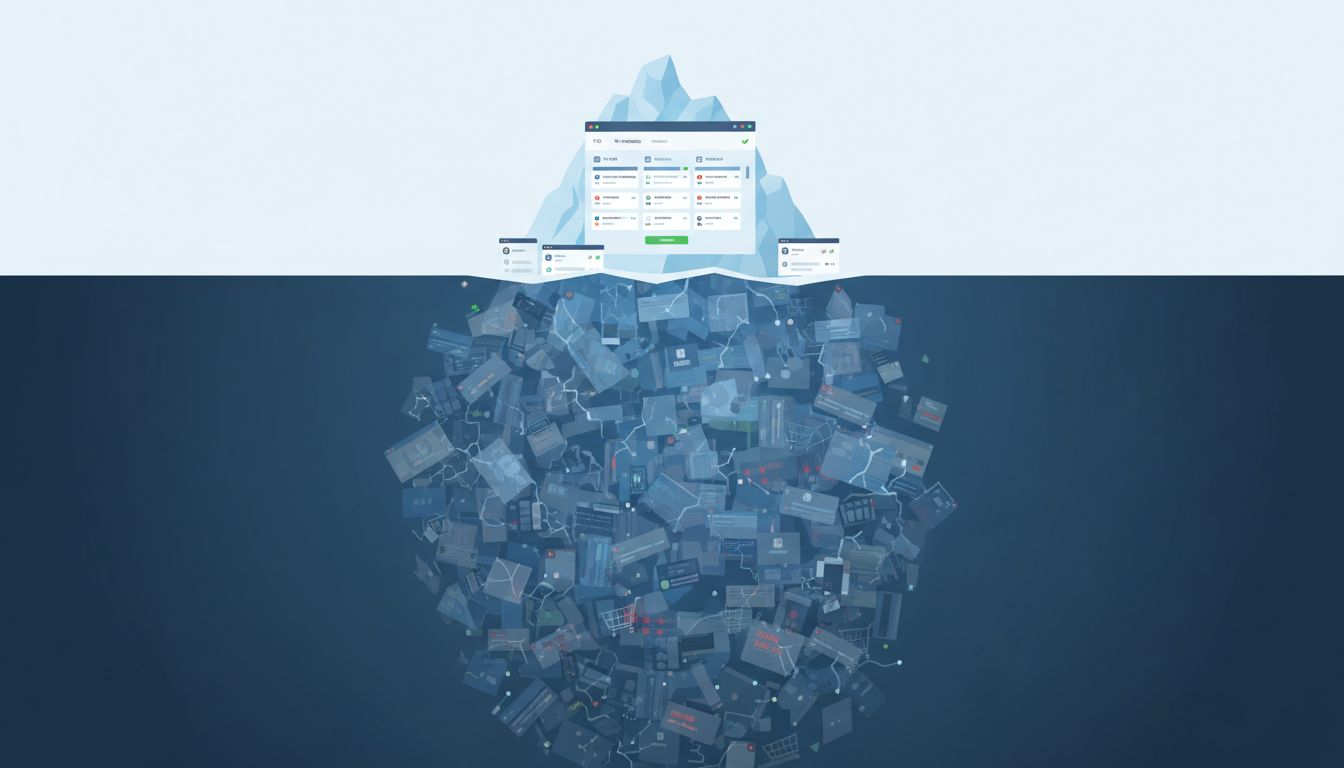
That weather app with three buttons? It took 40 engineers to build. Here's the real reason simple apps require massive teams.
Artificial scarcity is how software companies manufacture urgency and value for products that cost nothing to duplicate. Here's the playbook.
Your smart speaker understood you just fine. The confusion is a feature, not a bug, and the business logic behind it is surprisingly cold.
Your codebase isn't broken. So why does every engineering team eventually want to burn it down and start over? The answer is more rational than you think.
The best product breakthroughs often come from people who don't know what's 'impossible.' Here's why top tech firms are quietly raiding other industries.
The slowdowns, extra clicks, and confusing menus in your favorite apps aren't bugs. They're precision tools designed to reshape your behavior.
Companies spent decades building security around physical offices. Remote work didn't break that model — it exposed how fragile it always was.
The software engineers at major tech companies use internal tools that outperform their public products. The reason why reveals a lot about how tech really works.
The graveyard of promising startups swallowed by Google, Meta, and Microsoft reveals a pattern that has nothing to do with incompetence.
The most powerful tech moats aren't built with better products. They're built before rivals even know a war has started.
Subscriptions aren't just a pricing change. They're a fundamental restructuring of who owns the relationship between software and user.
Paying a $400K engineer to write a three-line script sounds absurd. It's actually one of tech's smartest competitive moves.
The secret isn't discipline or better apps. It's a filtering architecture that mirrors how good software handles queues.
Join thousands of readers who get our weekly breakdown of the most important stories in technology.
Free forever. Unsubscribe anytime.