Being Second in Tech Is Often More Profitable Than First
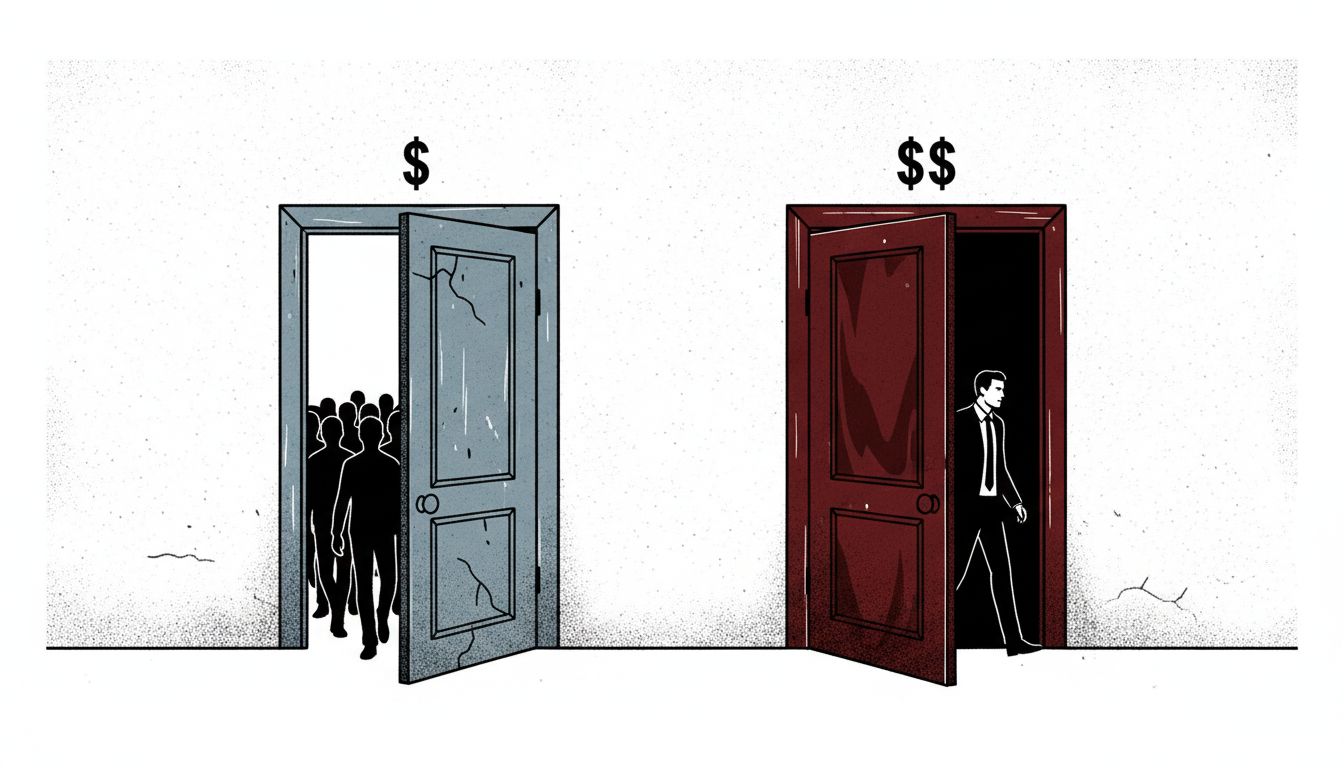
Market leaders set the agenda and pay for it. The second-biggest player collects the rewards without the bill.
Amazon, Google, and Microsoft sell core products below cost. It's not charity — it's a calculated takeover strategy hiding in plain sight.
The real reason enterprise software costs a fortune has nothing to do with development costs. It's about leverage, and once you see it, you can't unsee it.
It's not paranoia. Device slowdown is a calculated business strategy hiding inside software update notes. Here's how it actually works.
The best distributed teams aren't just surviving without offices. They're building a communication advantage that synchronous workplaces structurally cannot copy.
Digital notes are fast, searchable, and convenient. They're also quietly killing your creative thinking. Here's the science behind why paper still wins.
The monitor setup on your desk isn't just a preference. It's a signal about how your brain is being used, and whether that's working for you.
The best founders aren't solving today's problems. They're building for a world that doesn't exist yet, and the pattern behind how they do it is hiding in plain sight.
The most successful startups don't outspend incumbents. They out-ignore them, skipping the 'right' questions to ask entirely different ones.
The product graveyard isn't a sign of failure. For most tech companies, it's the whole point.
The best startup founders aren't building for themselves. They're building for someone they fundamentally misunderstand, and that gap is the whole point.
The best features in software history weren't planned. They were stumbled upon, misunderstood, and almost deleted. Here's why that keeps happening.
Designed obsolescence in software is more deliberate than you think, and the business logic behind it is hiding in plain sight.
The most successful software products aren't bug-free. They're built by teams that learned to turn failure into a feedback engine.
AI doesn't memorize answers. It learns the shape of problems. Here's the surprisingly elegant reason it can confidently handle things it's never encountered.
The patents worth billions aren't the complex ones. They're the ones that make engineers say 'anyone could have thought of that.'
The 10x developer myth is mostly fiction. But the engineers who study it carefully are extracting something real and useful from it.
The countries where major apps quietly launch first aren't random. They're chosen using a calculated strategy that most users never notice.
Some bugs aren't accidents. They're calculated business decisions hiding in plain sight inside the products you use every day.
Join thousands of readers who get our weekly breakdown of the most important stories in technology.
Free forever. Unsubscribe anytime.