The Meeting You Canceled Did More Work Than the One You Attended
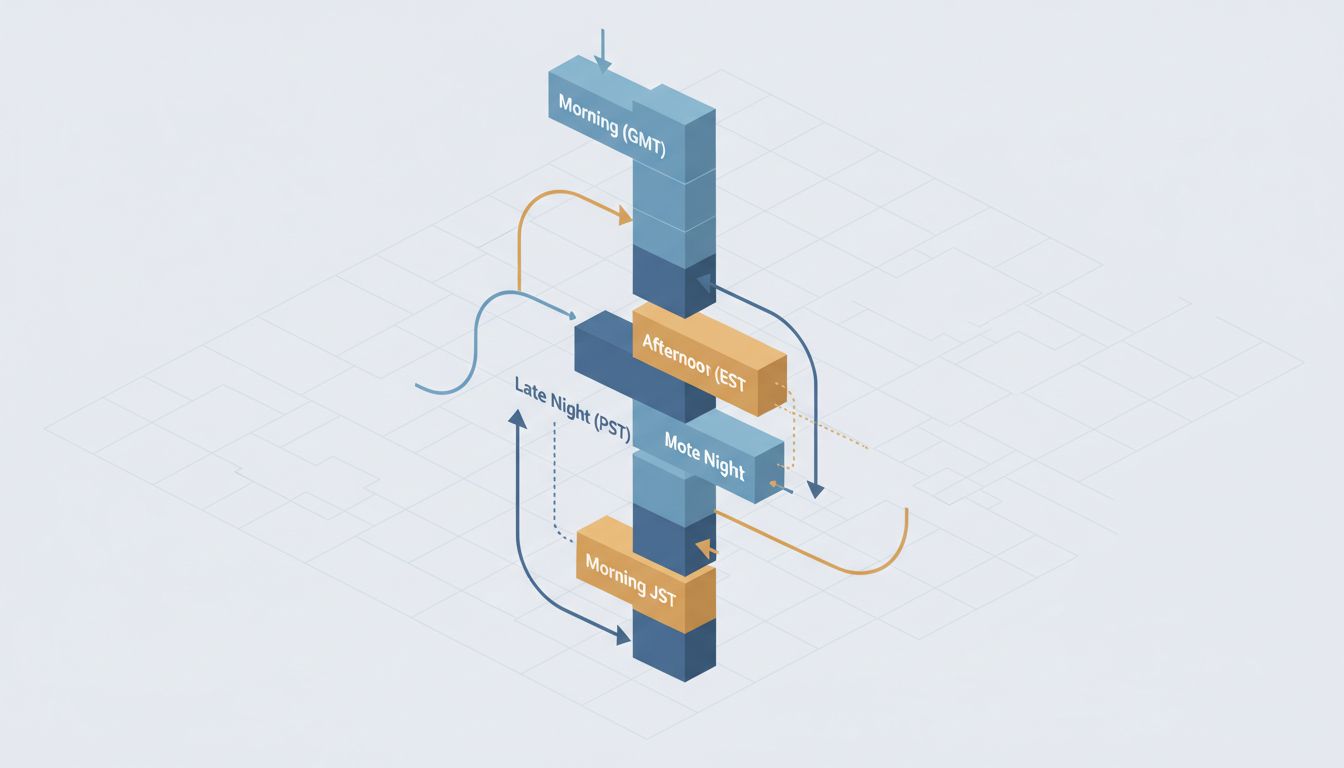
Canceling a meeting isn't procrastination. It's often the most productive decision you'll make all day, and here's the mechanism that explains why.
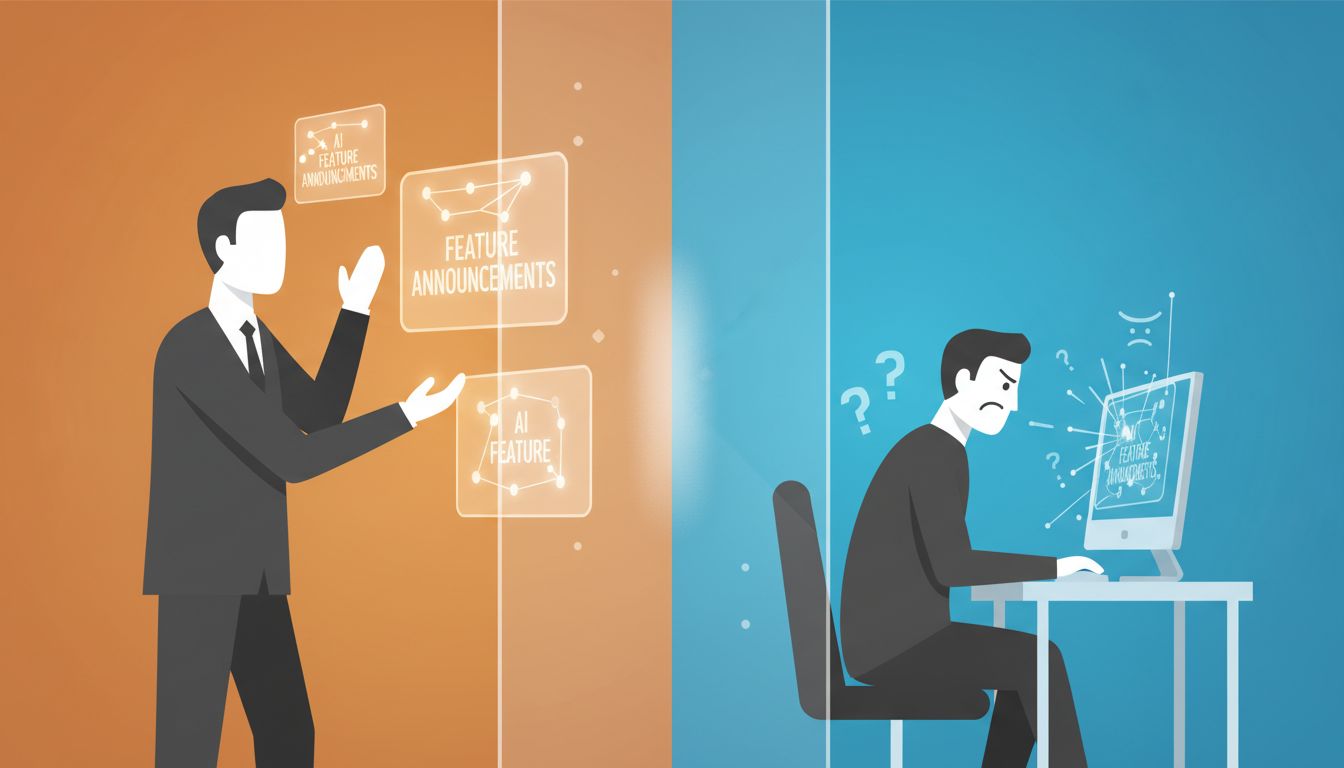
The features generating the most revenue are often the ones companies least want you to understand. Here's the economic logic behind the concealment.
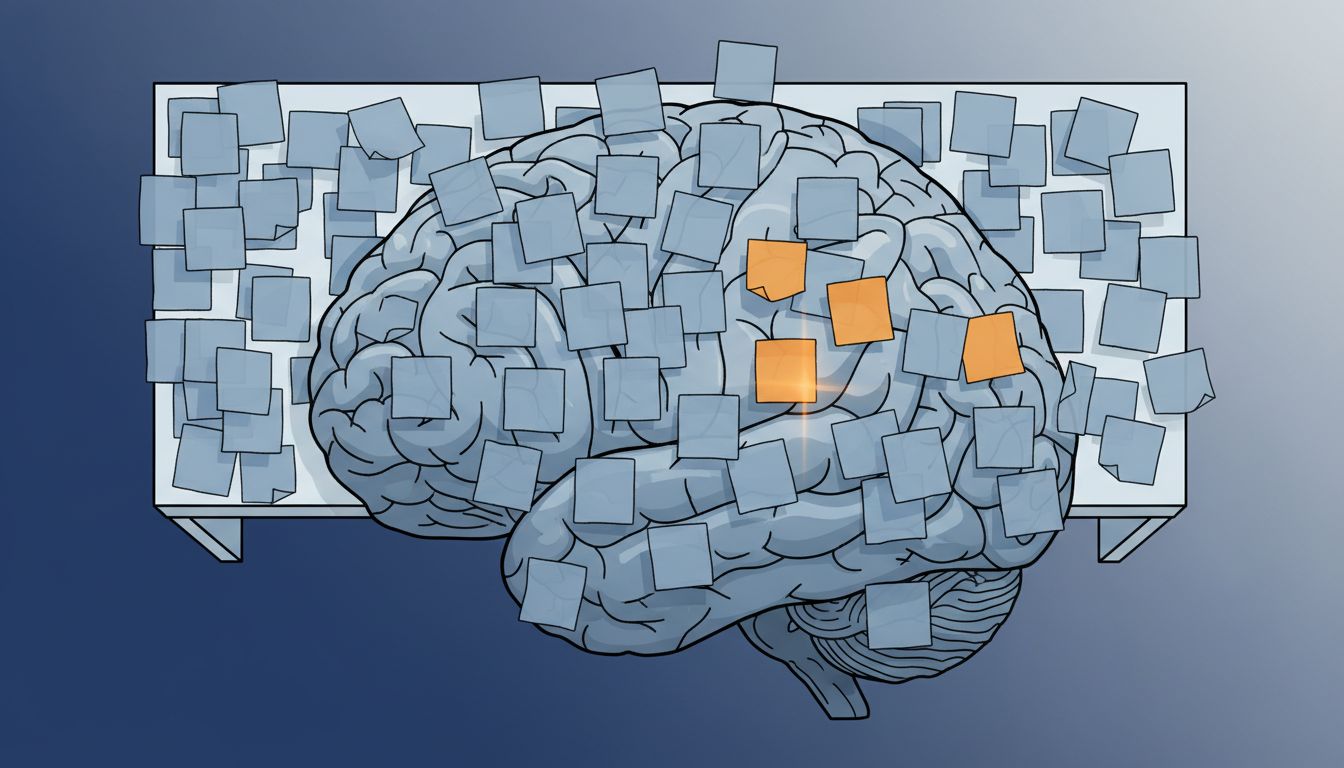
The best developers and engineers aren't avoiding hard problems when they wander off task. They're running a background process most people don't know how to start.
Paper planners aren't better because they're analog. They're better because writing forces you to decide. Digital calendars let you skip that part entirely.
The multi-monitor setup isn't about screen real estate. It's about a fundamentally different cognitive mode that executives don't need and developers can't live without.
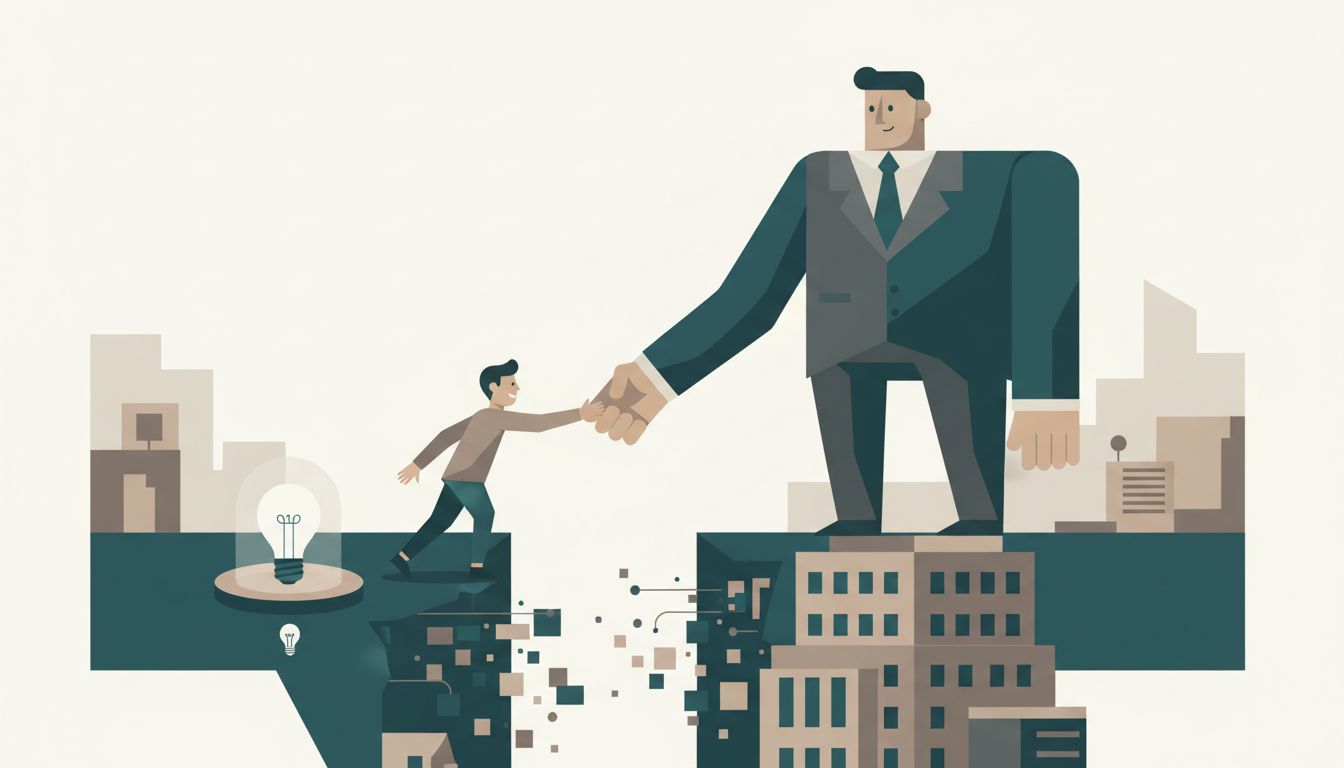
The knowledge that makes established companies competent is often the same knowledge that makes them slow. Here's how smart startups exploit that gap.
The mythology says founders hire critics to stay humble. The reality is colder and more strategic than that.
Breaking your product before launch isn't masochism. It's the only honest way to find out what you've actually built.
The bugs that hurt most are the ones you never imagined. Defensive programming is the discipline of writing code that survives contact with reality.
The real reason your new laptop runs old software sluggishly isn't hardware incompatibility. It's that abundant compute is an invitation to stop optimizing.
Confusing documentation, arbitrary rate limits, and broken free tiers aren't accidents. They're a sales funnel with extra steps.
Rebooting isn't a lazy fix. It's the most reliable solution to a class of problems that modern software engineering has largely decided not to solve.
Rubber duck debugging sounds like a programmer's folk remedy. It turns out to be one of the most reliable problem-solving techniques in software, and the reason why tells you something important about how expert cognition actually works.
A Google infrastructure study revealed something embarrassing: user stress is visible in battery telemetry. Here's the physics of why.
Your favorite apps load slower than they could. That's not negligence. It's a set of deliberate tradeoffs with a clear financial logic.
Loss leaders are how grocery stores move milk. In tech, they're how companies buy entire industries and lock out competition permanently.
The FBI's Sentinel project ran years late and hundreds of millions over budget. The reason wasn't bad engineers. It was a lie everyone agreed to tell.
Tech companies don't just slow old devices. They engineer upgrade pressure through software, security, and ecosystem design working in concert.
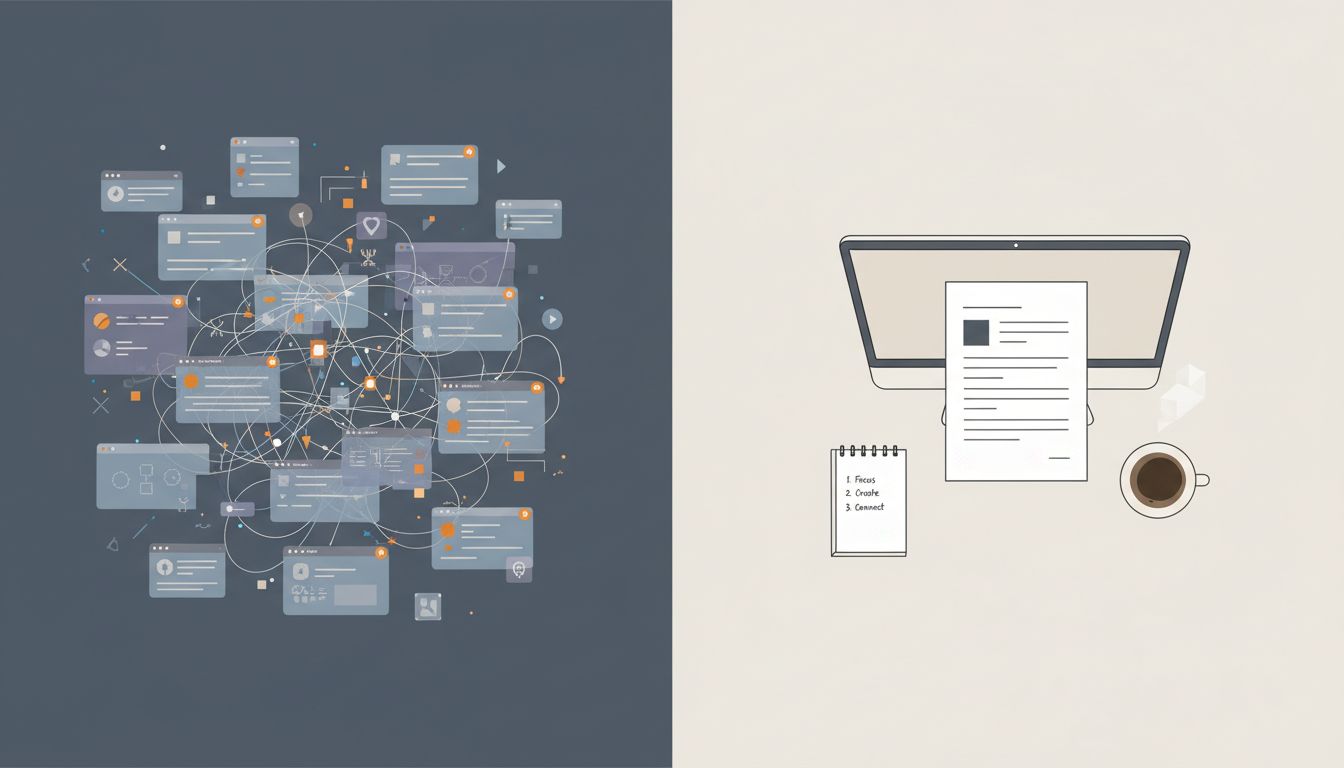
Digital minimalism isn't about doing less. It's a deliberate strategy that high-output professionals use to protect the kind of attention that actually produces results.
Join thousands of readers who get our weekly breakdown of the most important stories in technology.
Free forever. Unsubscribe anytime.