

The Setup
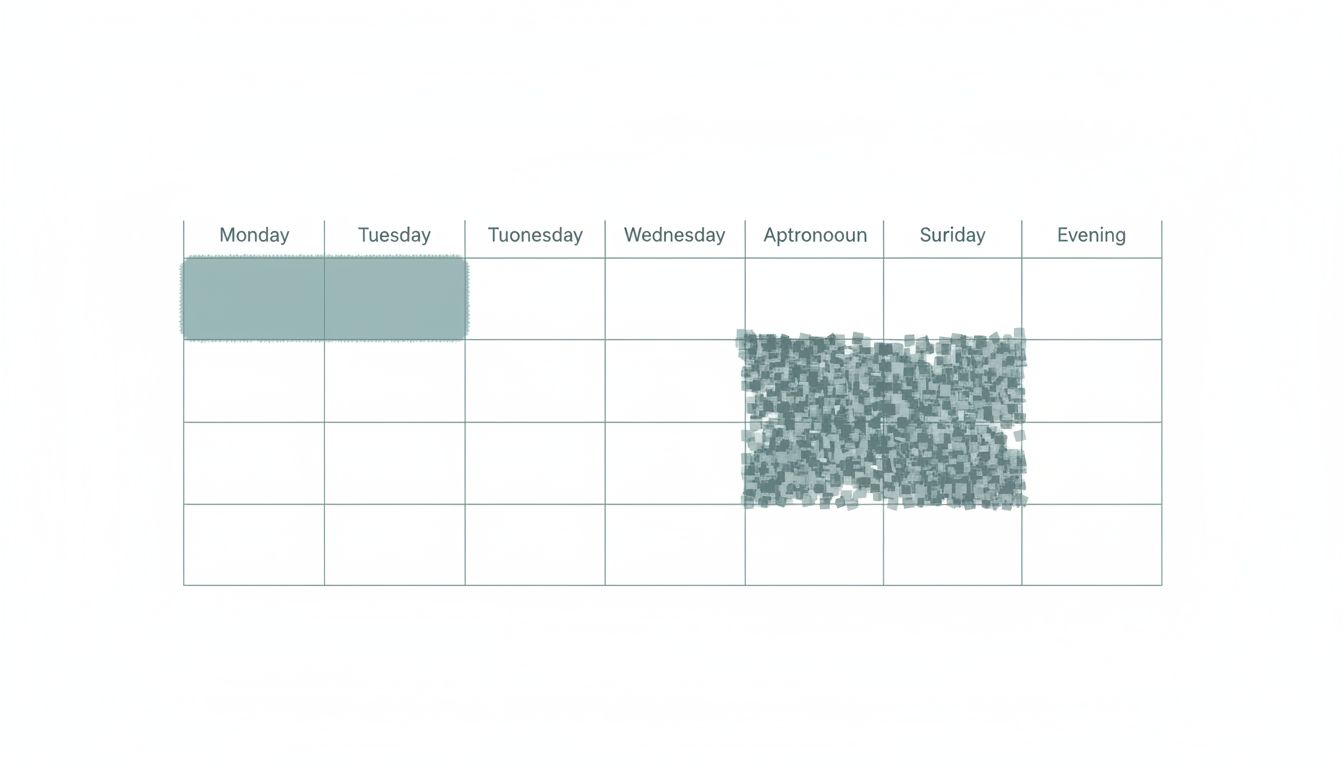
In early 2023, Shopify did something unusual. The company didn’t just cancel a few recurring meetings or tell managers to be more selective. It deleted, in one move, every recurring meeting with three or more people from every employee’s calendar. Gone. Hundreds of thousands of scheduled hours, wiped.
They also blocked out Wednesdays as no-meeting days and limited large group meetings to a single six-hour window on Thursdays.
The framing from leadership was direct: meetings had become the default response to organizational anxiety. Something uncertain? Schedule a sync. Something needs alignment? Book a call. Something might go wrong? Get everyone in a room. Meetings weren’t solving problems anymore. They were a way of feeling like problems were being addressed without actually addressing them.
What Happened
The immediate result was predictable: some meetings came back. Teams identified syncs that genuinely needed to exist and rescheduled them. But a substantial portion of those deleted meetings never returned. Nobody missed them. Nobody rescheduled them. They simply stopped existing, and work continued.
This is the part worth sitting with. These weren’t meetings someone decided to kill after careful analysis. They were meetings that died from the friction of having to be deliberately recreated. When the default flipped from “this meeting exists unless someone cancels it” to “this meeting doesn’t exist unless someone schedules it,” many of them couldn’t survive the scrutiny.
Shopify estimated the exercise would save something in the range of 322,000 hours of meeting time across the company annually. Whether that number is precise or a rough estimate, the directional point stands: organizations accumulate meeting debt the way codebases accumulate technical debt, and it compounds.
Why This Matters
Most productivity advice about meetings focuses on how you run them: shorter agendas, clearer owners, better facilitation. That advice isn’t wrong. But it’s treating a symptom. The more important question is why the meeting exists at all.
Meetings form for a few legitimate reasons: real-time decisions that require group input, relationship-building that doesn’t happen asynchronously, and time-sensitive coordination where a five-minute call genuinely beats forty emails. Outside of those categories, most meetings are filling a gap that better systems or clearer ownership would eliminate.
Here’s the organizational dynamic that makes this hard to fix gradually: meetings feel productive. You showed up, you talked, you left with a sense of progress. The cost is invisible because it’s paid in the work you didn’t do during that hour, the thinking you didn’t get to finish, the problem you didn’t solve because you spent the morning context-switching between five different syncs. You are wasting your best hours on easy work is a real phenomenon, and meetings are one of the primary mechanisms that make it happen.
The other dynamic is social. Canceling a recurring meeting can feel like a signal that you don’t care about the people in it, or that you’re not a team player, or that the work isn’t important. So meetings persist not because they’re useful but because canceling them requires navigating an implicit social cost. Shopify sidestepped this entirely by making deletion the default for everyone simultaneously. No individual had to be the one who decided the meeting didn’t matter.
What You Can Learn
You probably can’t do what Shopify did. If you’re not the CEO, you can’t unilaterally delete everyone’s calendar. But the underlying logic applies at every level of an organization, and you can apply it to the meetings you control.
Start with a zero-base audit of your recurring meetings. Not “which ones seem like a waste” but a genuine review where each meeting has to justify its existence from scratch. For each one, ask: what decision does this enable, what coordination does it provide, and what would actually break if it stopped? If the answer is vague, that’s your answer.
Pay attention to what meetings are actually for versus what they claim to be for. A weekly status meeting is often a trust problem in disguise. If the team lead needs a live rundown of progress every Monday, the underlying issue is usually that there’s no shared system where status is visible without a meeting. Fix the system; the meeting disappears naturally.
Use the friction of rescheduling as a signal. When you cancel a meeting, see if anyone reschedules it. If a week goes by and nobody does, that’s data. The meeting wasn’t load-bearing. This is a low-effort experiment you can run right now.
Protect time before you fill it. Shopify’s Wednesday rule is simple and it works because it forces meetings to compete for a smaller pool of time rather than expanding to fill whatever’s available. You can create a version of this for yourself: block two mornings a week and treat the block as an existing commitment. If someone asks to meet during that window, you’re already booked. After a few weeks, notice whether the meetings that couldn’t get that slot were actually needed.
Write things down. A significant portion of what happens in meetings could happen in a well-written document that people read and respond to asynchronously. The reason it doesn’t is usually that writing requires more upfront effort than talking. But the payoff is real: decisions get made with more thought, the record exists, and you get to work on your own schedule. If your team has a culture where written communication is rare, the meeting overhead is a downstream effect of that.
The Real Lesson
The Shopify story isn’t really about a bold corporate gesture. It’s about what happens when you stop letting defaults run your schedule. Most of your recurring meetings were created by a past version of your team, under circumstances that may no longer apply, to solve problems that may already be solved or solved differently now.
The meeting you canceled this morning might have been necessary. But if you’re honest with yourself, you probably already know whether it was. The harder question is what you’re going to do about the seventeen other ones still on your calendar that nobody has had the nerve to cancel yet.
Start there.