AI Summarizers Miss the Parts That Actually Matter
AI summarizers are fluent and fast, but they optimize for what's statistically central, not what's actually important. Here's what that costs you.
The most powerful tech moats aren't built with better products. They're built before rivals even know a war has started.
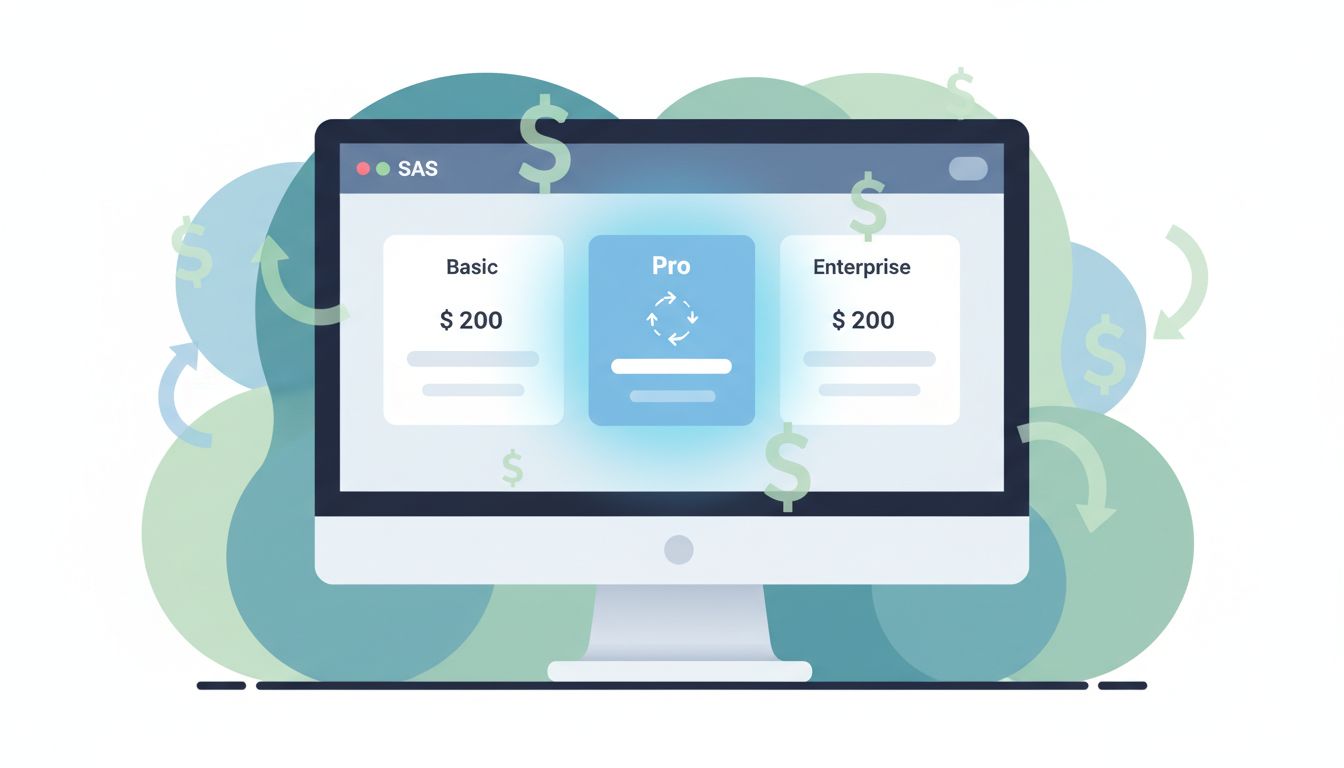
Subscriptions aren't just a pricing change. They're a fundamental restructuring of who owns the relationship between software and user.
Paying a $400K engineer to write a three-line script sounds absurd. It's actually one of tech's smartest competitive moves.
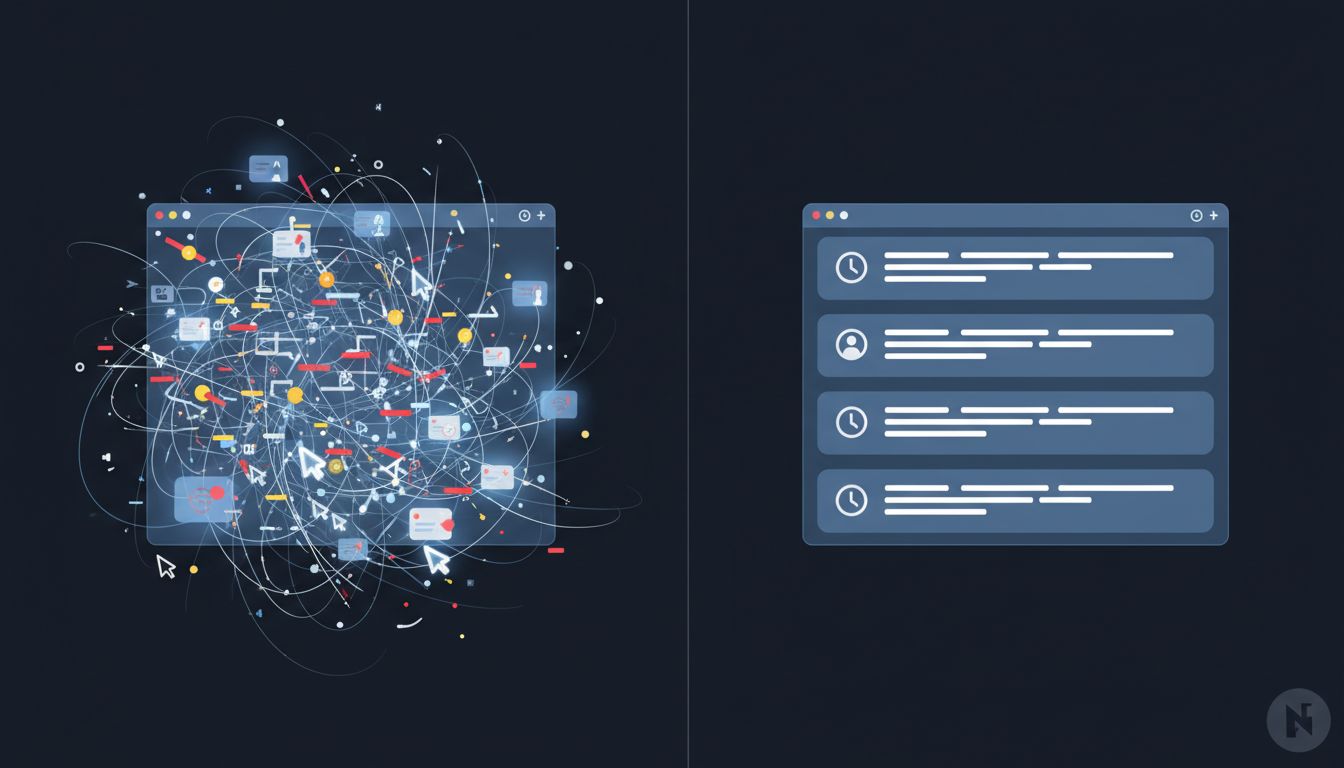
The secret isn't discipline or better apps. It's a filtering architecture that mirrors how good software handles queues.
You memorized Ctrl+Z in a week but still forget three-finger swipe after months. The reason reveals something fascinating about how your brain builds habits.
The secret productivity hack nobody's selling you: the most effective people aren't optimizing their tools. They're eliminating them.
The most successful startups didn't win by building complete products. They won by knowing exactly what to leave out.
The VCs who passed on Airbnb, Uber, and Stripe weren't stupid. They were using a framework that's almost perfectly designed to miss the next big thing.
The startups that survive aren't the ones using the newest stack. They're the ones using the stack that lets them ship on Tuesday.
The same engineers who built addictive interfaces are now designing tools to help you escape them. Here's the technical playbook behind both.
Every update that breaks something isn't a bug. It's the inevitable result of how modern software is actually built.
AI systems can defeat grandmasters and diagnose diseases, yet completely miss when someone says 'Oh great, another Monday.' Here's why that gap exists.
Passive sensors, machine learning, and years of behavioral data mean your phone may detect illness before your body sends you a single symptom.
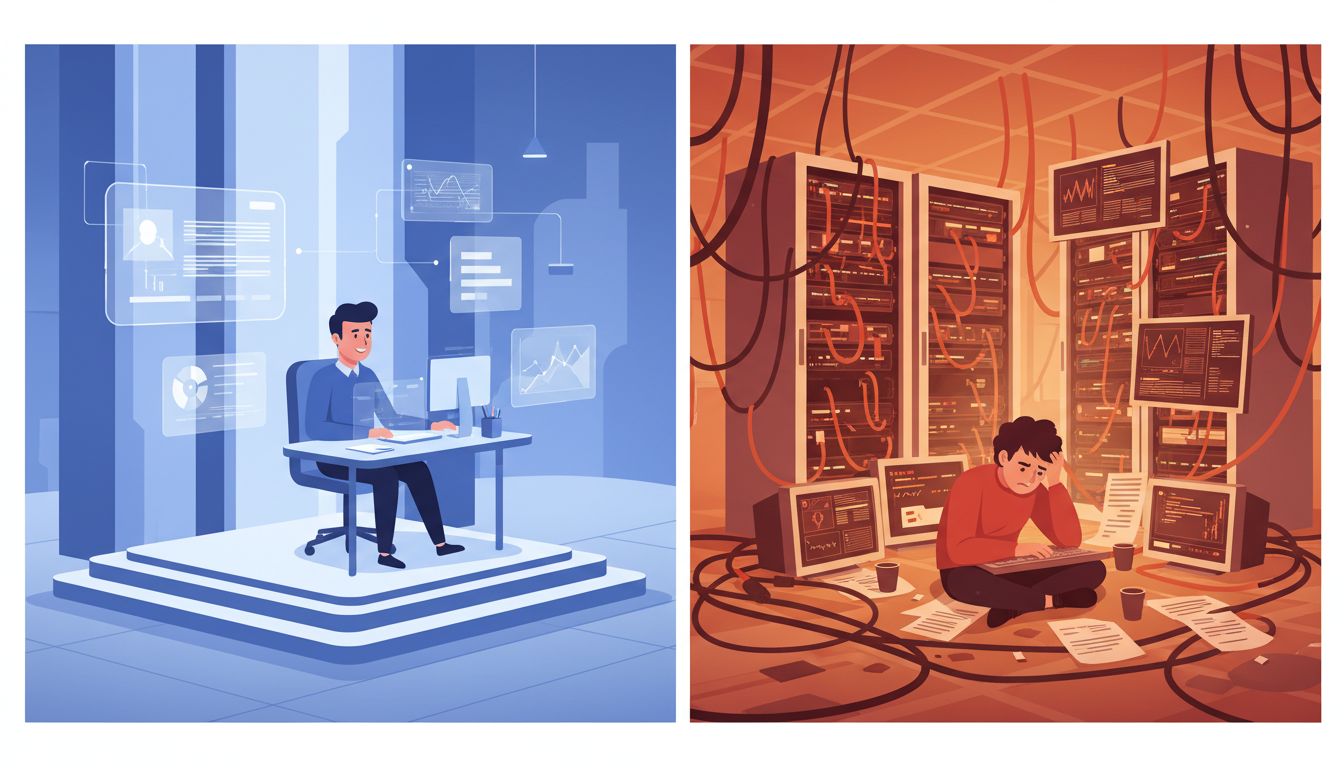
Enterprise software is notoriously ugly and clunky. The real reason has nothing to do with bad designers — it's pure economics.
Elon Musk reviews pull requests. Jeff Bezos wrote code well into Amazon's growth years. This isn't nostalgia. There's a precise strategic reason founders stay in the code.
The economics of 'free' software are counterintuitive and brutal. Building an app that charges nothing up front costs far more than one that doesn't.
The wage gap between engineers and support staff isn't a bug in tech culture. It's the entire business model.
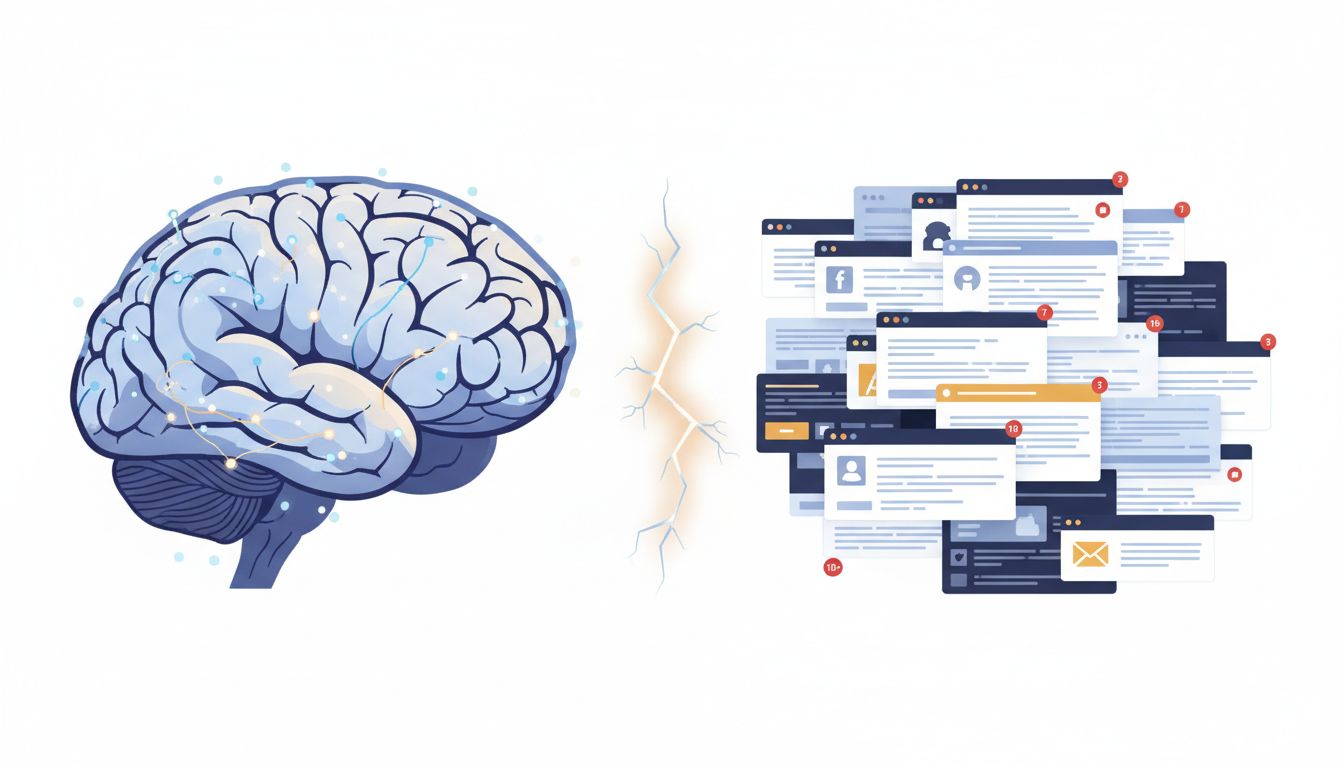
The more apps you add to your workflow, the less you get done. Here's the counterintuitive reason why, and what to do about it.
Join thousands of readers who get our weekly breakdown of the most important stories in technology.
Free forever. Unsubscribe anytime.