Tech Economics
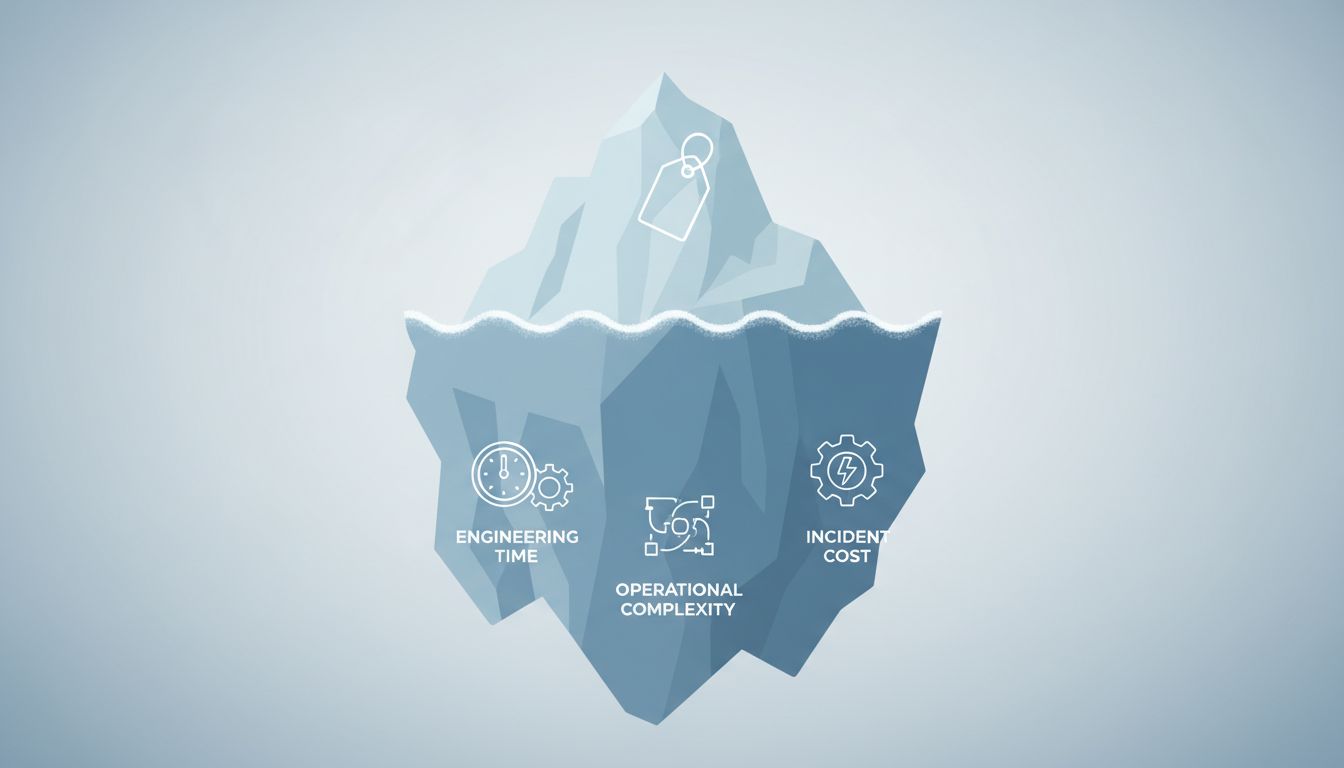
The Second-Cheapest Cloud Tier Usually Costs You More
Picking a mid-tier cloud plan to save money often triggers hidden costs that exceed what the premium option would have charged you. Here's why.

Marcus Webb covers Big Tech strategy and platform economics. A veteran technology journalist with over 15 years of experience, Marcus specializes in explaining the competitive dynamics and strategic thinking behind the moves of the world's largest technology companies.
Picking a mid-tier cloud plan to save money often triggers hidden costs that exceed what the premium option would have charged you. Here's why.

Clever code is a liability dressed up as a virtue. The programmer who writes it is optimizing for the wrong audience.
A small startup doubled its engineering team and watched velocity drop. The math behind why is older than software itself.
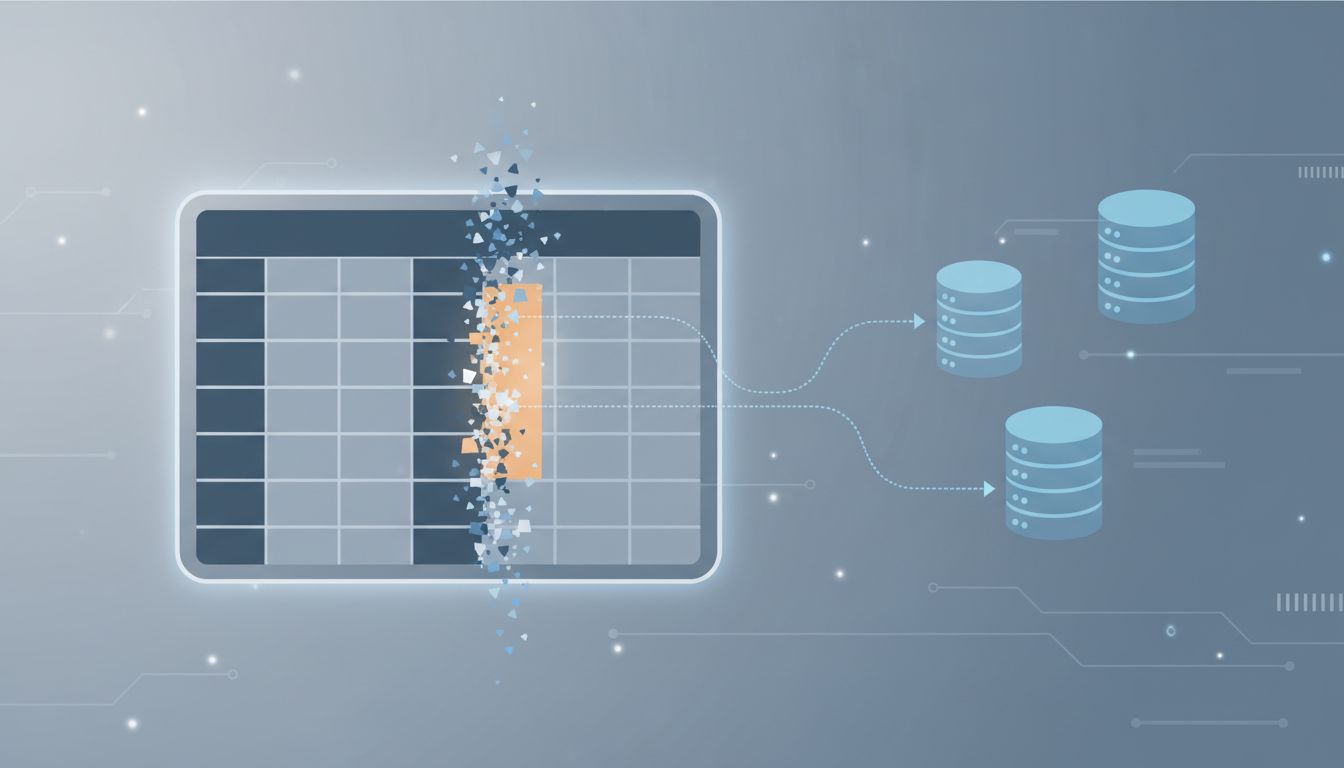
A column removal looks like a one-line change. It can take weeks, require multiple deployments, and still bring down production if you get the order wrong.
Raising a big round feels like winning. It often isn't. Here's the mechanism by which excess capital turns into a company's undoing.

The XZ Utils backdoor came within days of compromising most of the world's Linux servers. The real story is how close it came to working.

The most important infrastructure in your stack isn't the one handling requests. It's the one watching everything else and deciding what to do when things go wrong.

Your test suite passes every time. Your production system fails once a month. These are not the same problem, and no amount of unit testing will close the gap.

The best platform rarely wins. The one with the best distribution does. This pattern has repeated so often it's basically a law of tech economics.

Tony Hoare called null his billion-dollar mistake in 2009. The type-system fix existed before he made it. We just keep choosing not to use it.
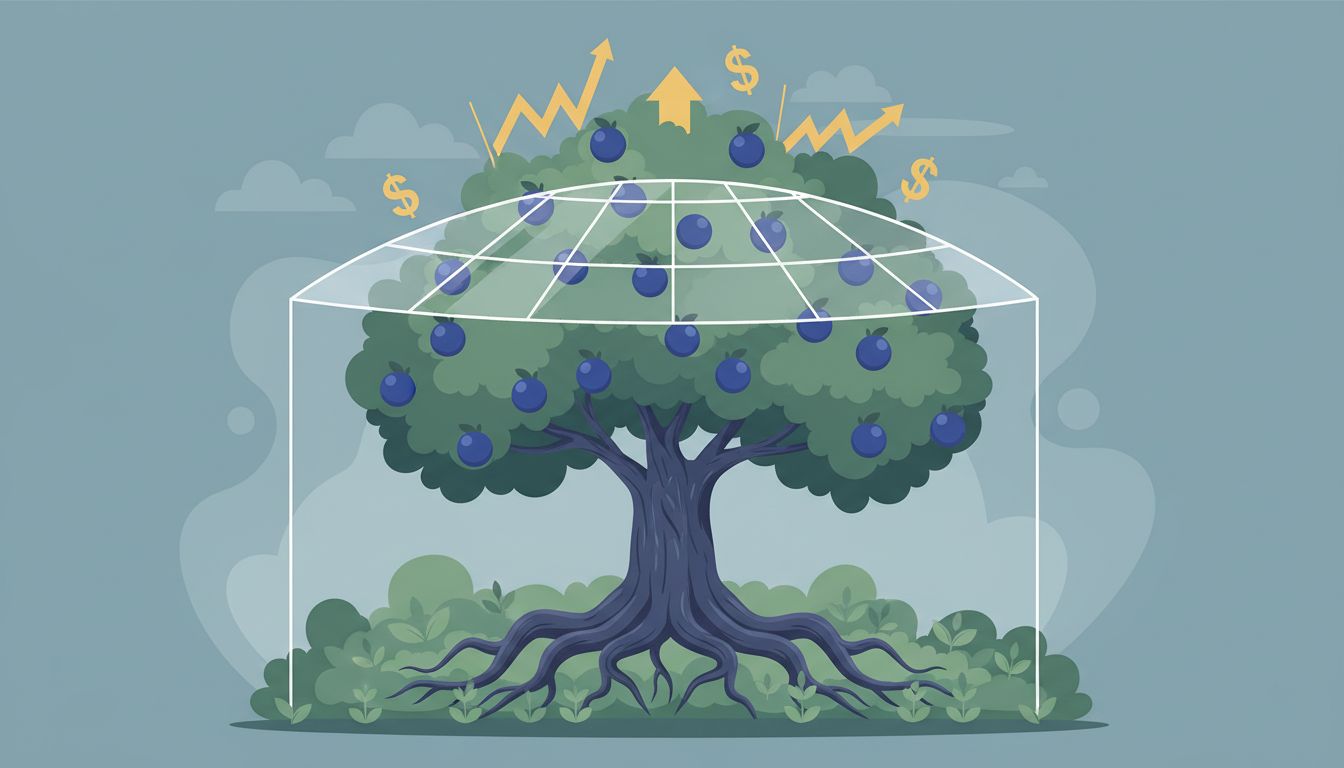
Open source projects can generate real revenue and still get passed over by investors. The reasons are structural, not accidental.

Performance optimization usually means making code faster. The better approach is usually making it unnecessary. Six principles engineers reach for last but should reach for first.

Durability guarantees cost real performance. The databases powering your favorite apps often skip them deliberately, and the tradeoffs are more defensible than you'd think.
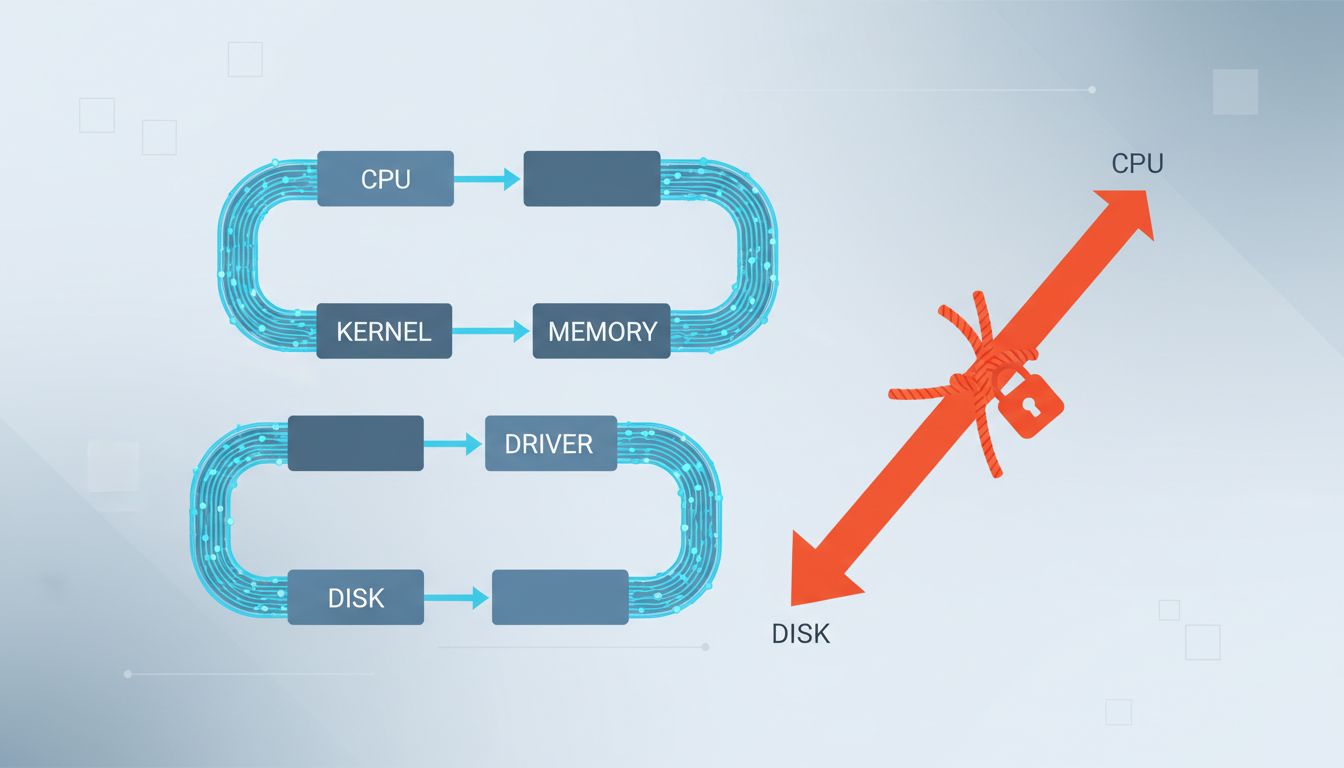
Your operating system reads every byte of a file and writes it again, even when the data never leaves the same disk. This is a design failure we've accepted as normal.

Technical superiority rarely determines which platform dominates a market. The winners play a different game entirely.

Every computer clock drifts. The protocols we built to fix this are fragile, political, and surprisingly close to breaking.
Adding features is celebrated. Removing them is avoided. The story of how Basecamp killed its most-used feature explains why subtraction is the real test of product discipline.

The internet doesn't send your data in one piece. It shreds it, ships the scraps separately, and reassembles them at the other end. Here's what actually happens.
Join thousands of readers who get our weekly breakdown of the most important stories in technology.
Free forever. Unsubscribe anytime.