
AI & Software
Prompt Engineering Is Just Structured Thinking Applied
The skills behind good prompting aren't new. They're the same ones that make you a better writer, manager, and problem-solver.
Inside the algorithms, tools, and systems powering the AI revolution and modern software.
The skills behind good prompting aren't new. They're the same ones that make you a better writer, manager, and problem-solver.

The more capable the model, the more convincing its mistakes. This isn't a bug that will get patched. It's a structural feature of how these systems work.

Most people treat AI models like colleagues who remember context. They don't. Understanding why changes how you work with them.

The model hasn't changed. Your results have. Here's what's actually happening when your prompts start working.
Developers routinely conflate two distinct performance metrics, then wonder why their optimizations make things worse. The confusion is fundamental, not cosmetic.

Retrieval-Augmented Generation is genuinely useful, but most teams deploy it expecting it to solve something it was never designed to fix.

A correct bug fix can introduce new failures. Here's how that happens, why large codebases are especially vulnerable, and what the Knight Capital collapse teaches us about it.
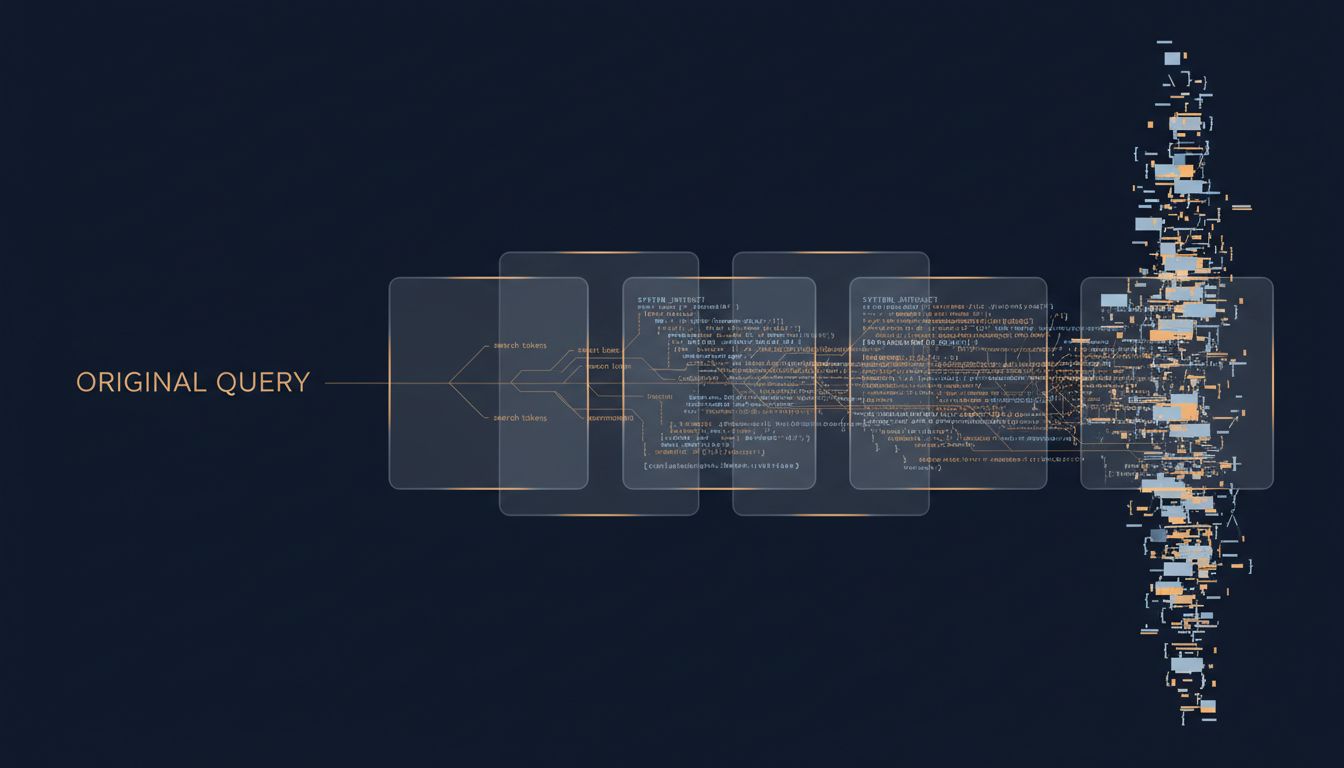
Between your text and the model's attention, a lot happens. Understanding that gap changes how you think about AI behavior entirely.
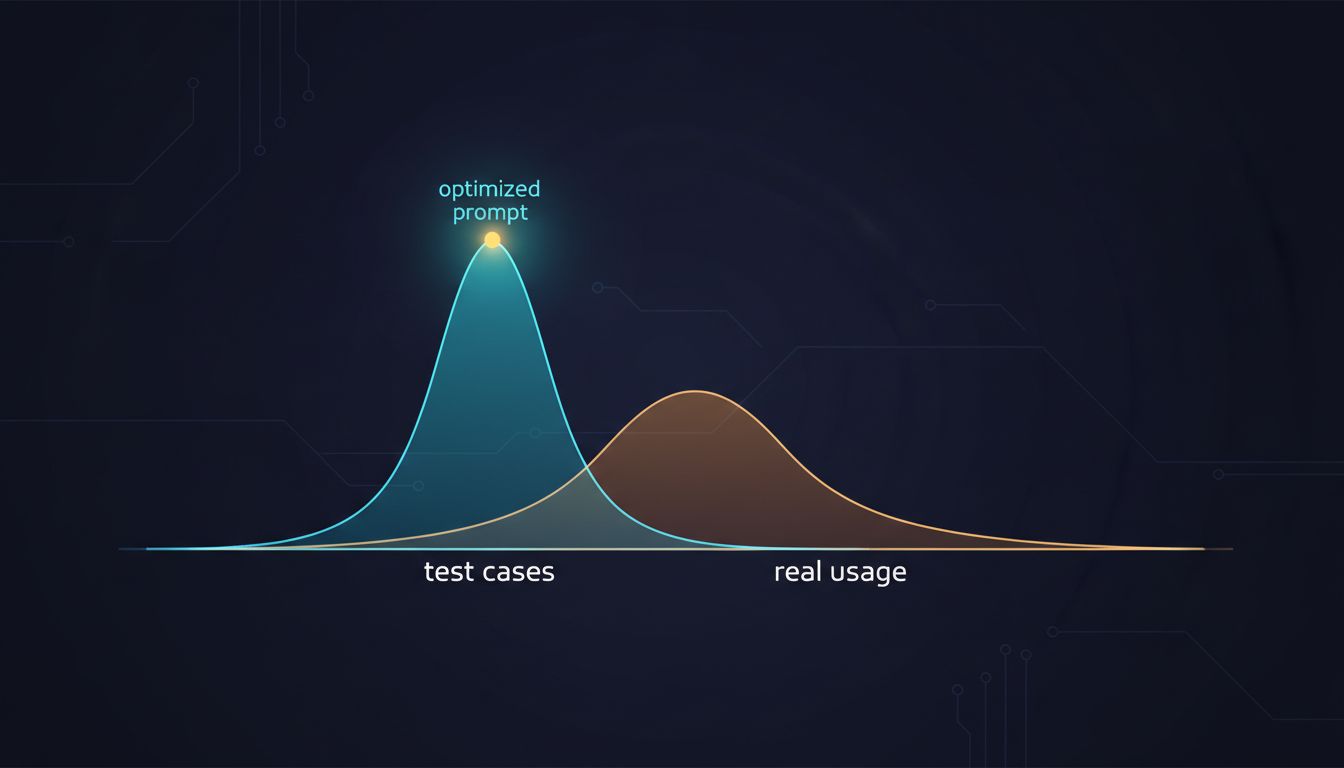
Most prompt engineering advice focuses on getting better outputs. That's the wrong goal. Here's what to optimize for instead.

Some bugs vanish the moment you try to find them. That's not bad luck — it's a structural property of complex systems. Here's what heisenbugs actually teach us.

Chain-of-thought prompting genuinely improves LLM reasoning, but not for the reasons most people assume. Here's the real mechanism.

Bigger AI models aren't always better. Smaller, specialized models are faster, cheaper, and often more accurate for the tasks that actually matter in production.

Vector databases don't understand language. They store coordinates. What happens between those two facts explains a lot about where AI search succeeds and fails.

Prompt engineering gets dressed up as a new discipline, but it's really just debugging a system whose source code you can't read.
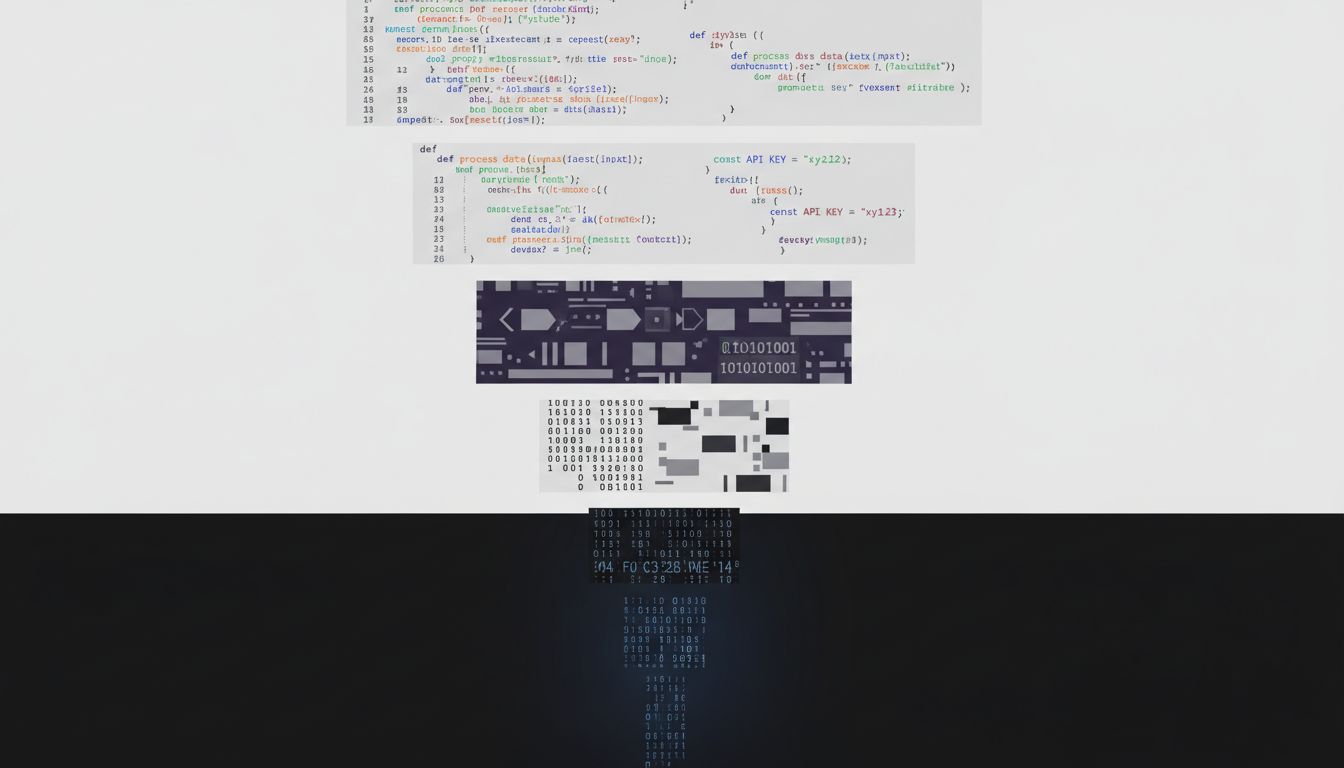
You write code in English-like syntax. The CPU speaks binary. Here's what happens in between, and why it matters more than you think.

When models train on AI-generated text, small errors compound into something worse than noise. This is a structural problem, not a data hygiene issue.

LLMs don't flag uncertainty, they just answer. That gap between confidence and accuracy is where real damage happens.

Fine-tuning promises to make a general model fit your specific needs. It frequently does the opposite. Here's why, and what to do instead.
Join thousands of readers who get our weekly breakdown of the most important stories in technology.
Free forever. Unsubscribe anytime.