AI & Software
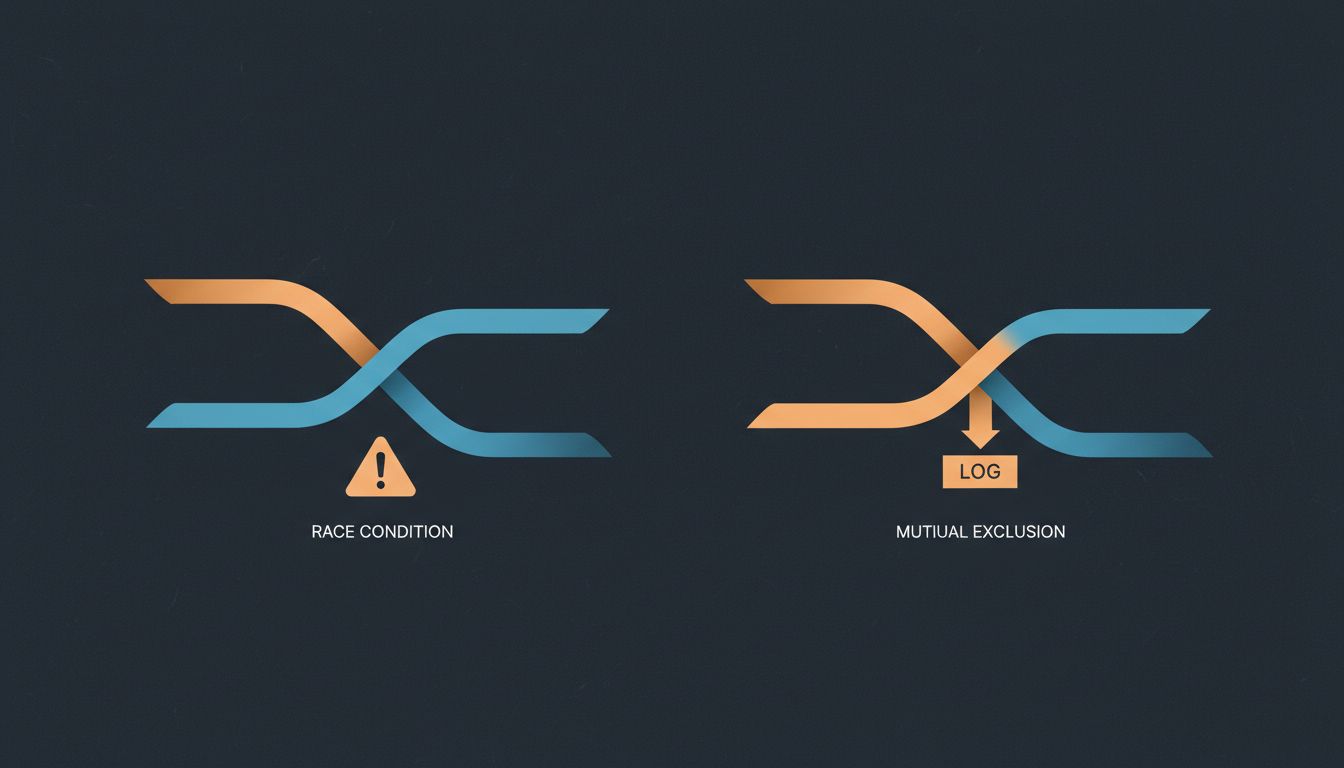
The Bug That Disappears When You Add Logging
Some bugs vanish the moment you try to observe them. This isn't magic — it's physics, timing, and a category of errors that your debugging tools can actively hide from you.
Inside the algorithms, tools, and systems powering the AI revolution and modern software.
Some bugs vanish the moment you try to observe them. This isn't magic — it's physics, timing, and a category of errors that your debugging tools can actively hide from you.
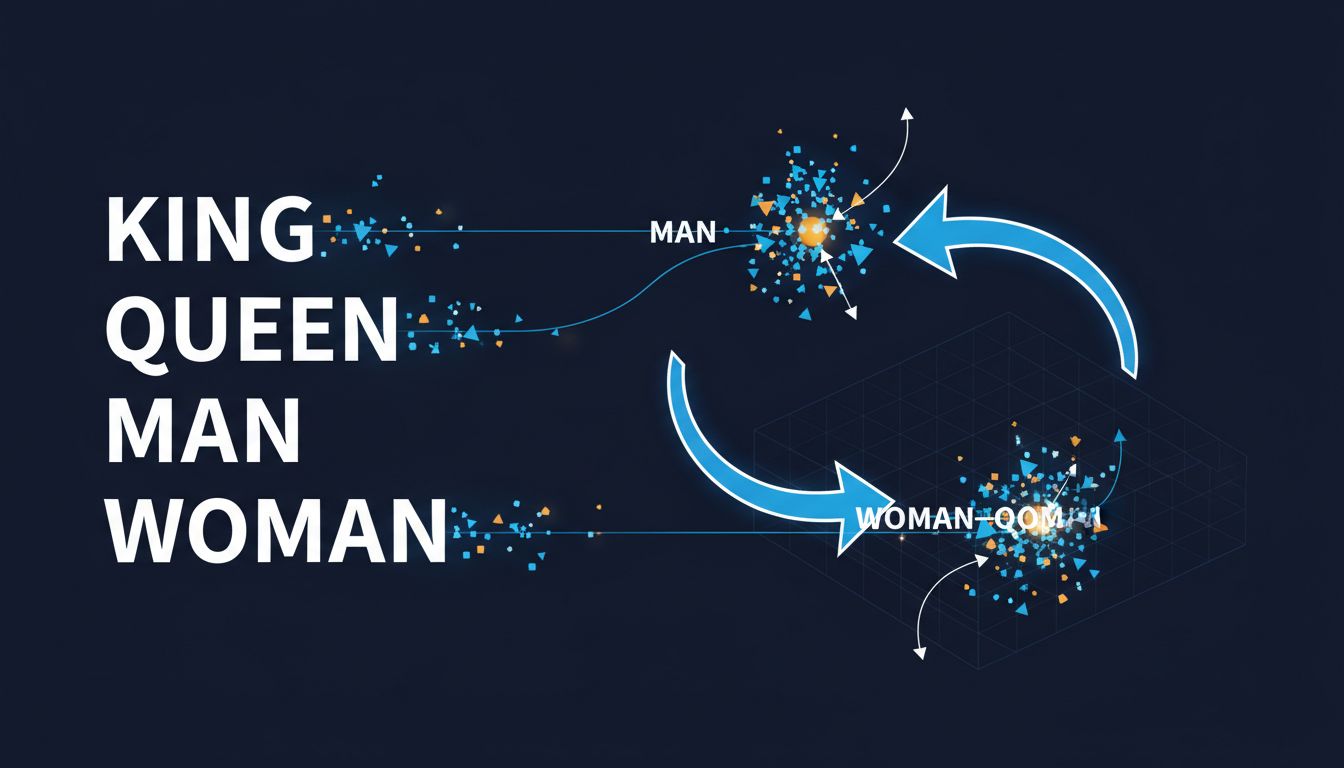
Spotify's recommendation problem reveals the core trick behind modern AI: words and concepts become vectors in geometric space, and similarity becomes distance.

A bug fix feels like progress. Sometimes it is. Sometimes it quietly breaks the three things that were working around the bug you just removed.

Spotify's recommendation engine didn't start with listening habits. It started with text. That choice reveals what embeddings actually are.

Engineers spend weeks optimizing inference. Meanwhile, the real latency culprit sits quietly in preprocessing, I/O, and orchestration code nobody's benchmarked.

Heisenbugs vanish the moment you try to observe them. Understanding why they exist is the first step to catching them.

When you craft a prompt carefully, you're not writing instructions. You're adjusting a model's behavior through its input layer. That distinction matters.
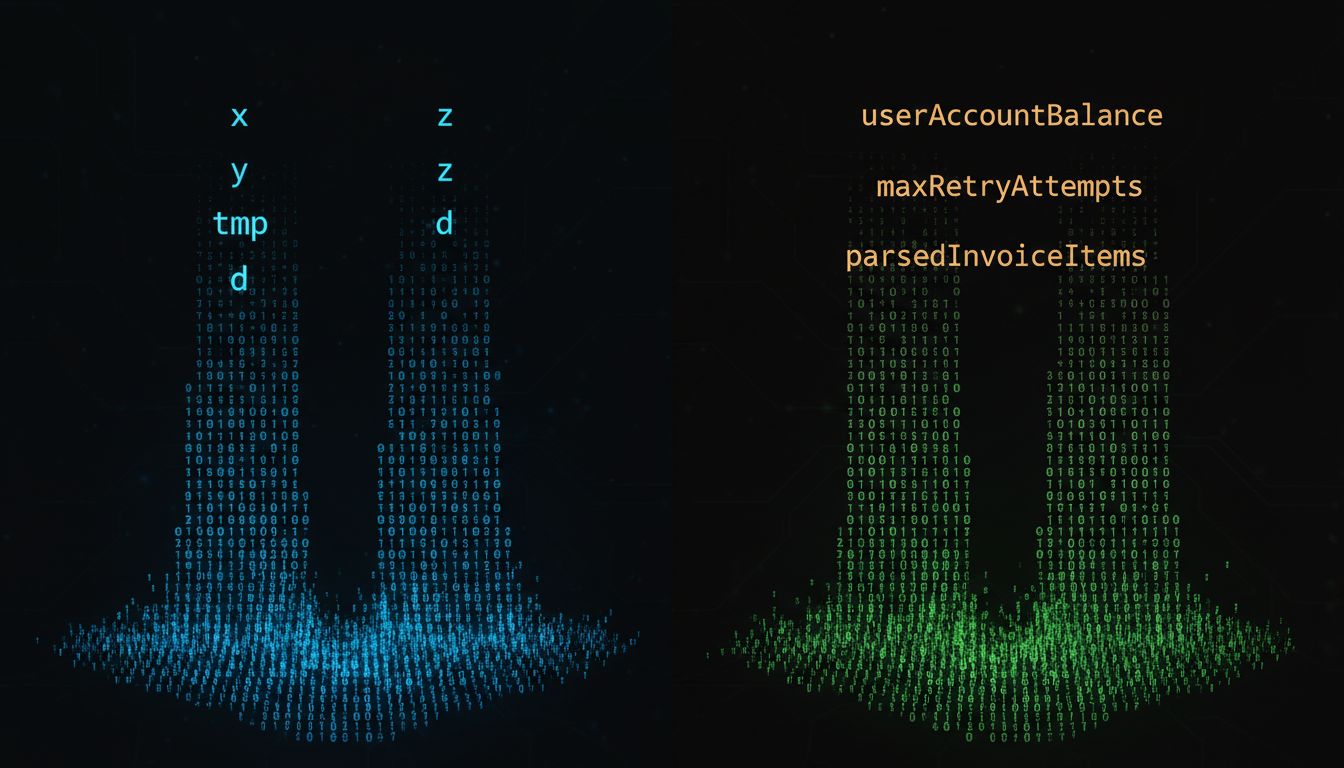
Your variable names mean nothing to the machine running your code. They mean everything to the person maintaining it at 2am.

Adding more information to your AI prompts seems like it should help. Often it makes things noticeably worse. Here's the mechanics of why.
Most AI output problems aren't model failures. They're prompt failures. Here's how to stop blaming the tool and fix the actual problem.

Most teams fine-tune a model expecting it to learn new information. That's not what happens. Here's what actually changes inside the model.
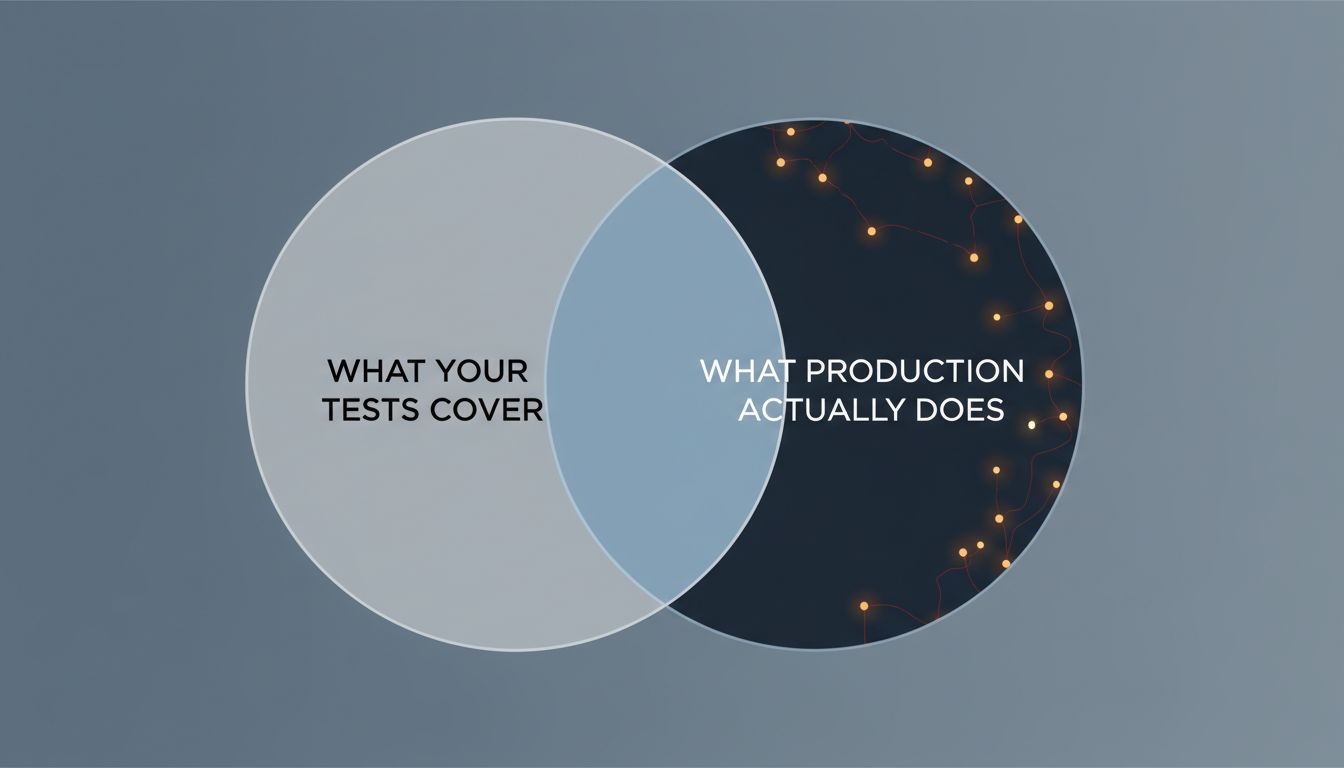
When a bug only appears in production, it's not bad luck. It's a signal that your test suite is modeling the wrong world.

Shipping a model isn't the finish line. It's where the interesting problems start. Here's what your model is silently doing (and suffering) in production.

Some bugs vanish the moment you look for them. That's not a coincidence — it's a signal about how your mental model of software is wrong.

Prompt engineering gets all the attention, but the real bottleneck is the flawed assumptions developers bring to every interaction with a language model.
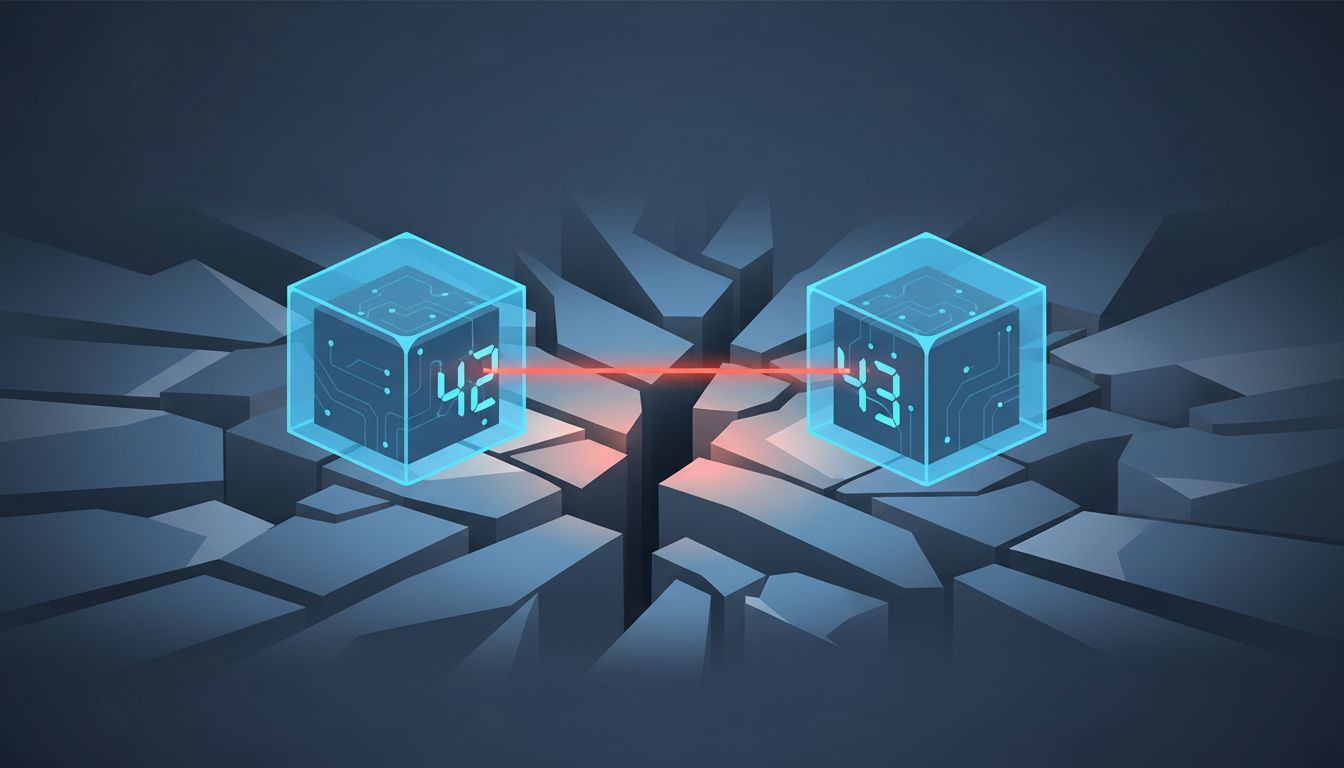
When two services hold conflicting versions of the same fact, most teams treat it as a bug to fix. It's actually a design decision you already made, whether you knew it or not.

Your prompt worked perfectly yesterday and produces garbage today. The model didn't change. Here's what actually did.

The seconds between your prompt and a response aren't waiting time. They're a specific, traceable sequence of operations worth understanding.
Join thousands of readers who get our weekly breakdown of the most important stories in technology.
Free forever. Unsubscribe anytime.