
Technology
Deleting a Feature Is Harder Than Building One
Adding features feels like progress. Removing them is where the real engineering work happens, and most teams never do it.
Deep dives into the technology that shapes our world, from hardware breakthroughs to platform strategies.
Adding features feels like progress. Removing them is where the real engineering work happens, and most teams never do it.
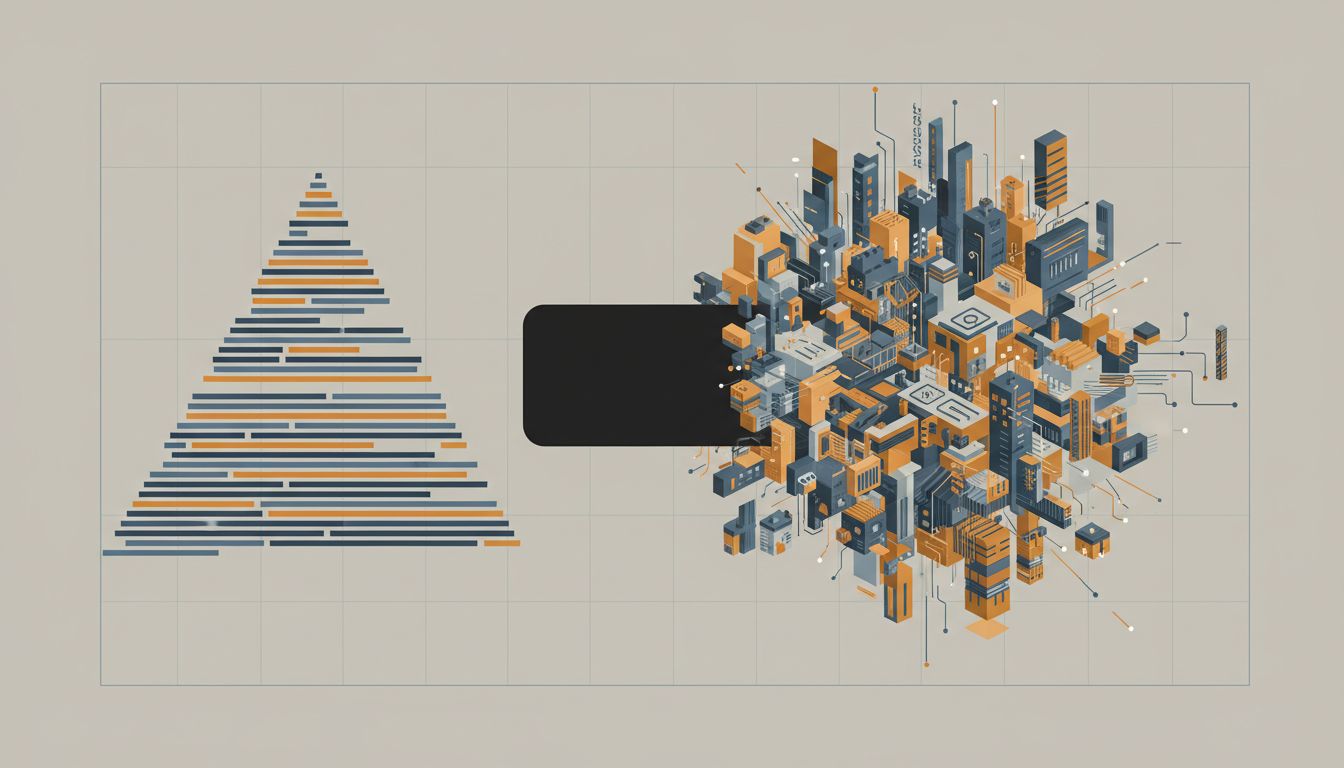
Your compiler doesn't just translate code into machine instructions. It rewrites your program, often substantially, before a single instruction runs.
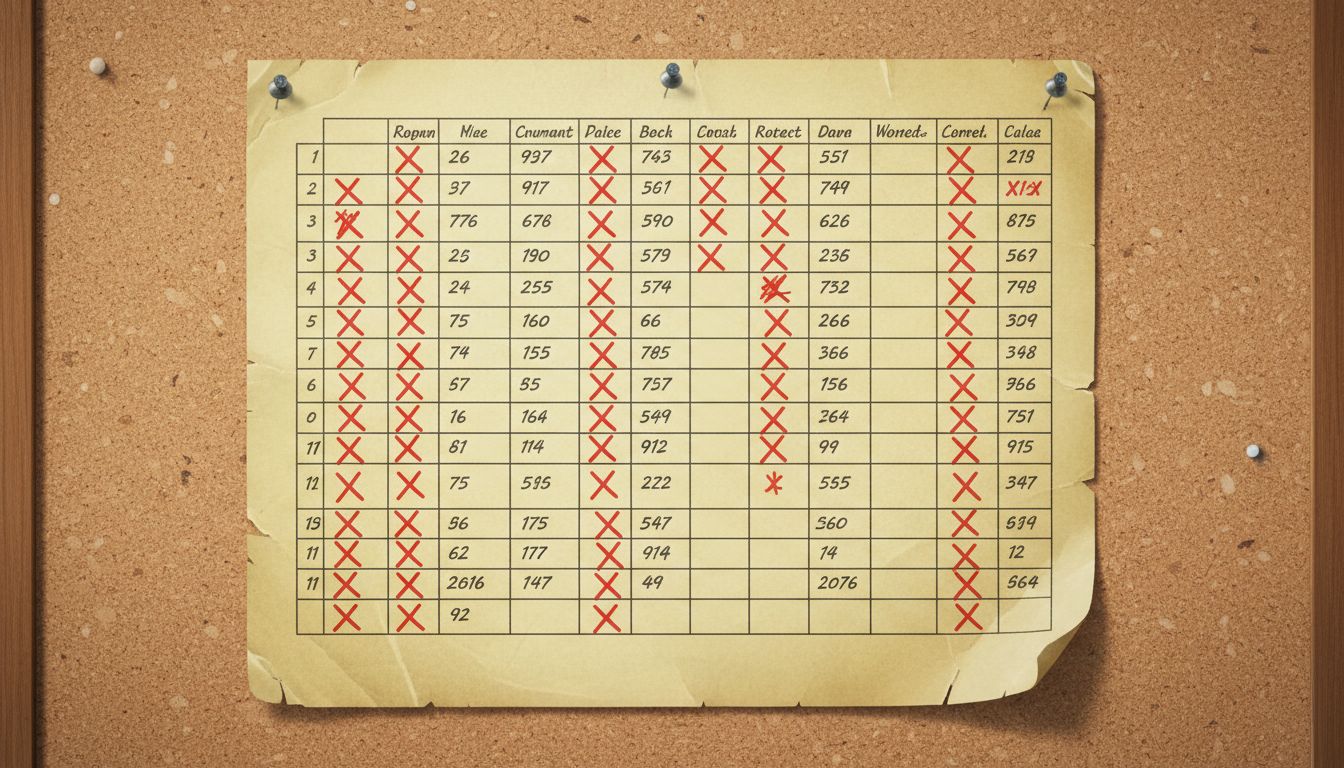
The famous table of hardware latency numbers circulating in engineering culture was calibrated for 2012 hardware. The gaps have widened significantly since.

Time seems like the simplest thing a computer tracks. Google Spanner showed why it's actually the hardest, and what it took to get it right.

Deletion sounds simple. It is not. Here is why removing data from a system is one of the most underestimated challenges in the field.

The padlock in your browser means your connection is encrypted. It says nothing about whether the site on the other end is trustworthy, legitimate, or safe.

Load balancers ship with defaults tuned for a world that may not match yours. Those defaults are actively shaping your traffic right now.

One design decision, made in an afternoon, has cost the software industry billions of dollars and uncountable hours of debugging. Its inventor knows exactly why.
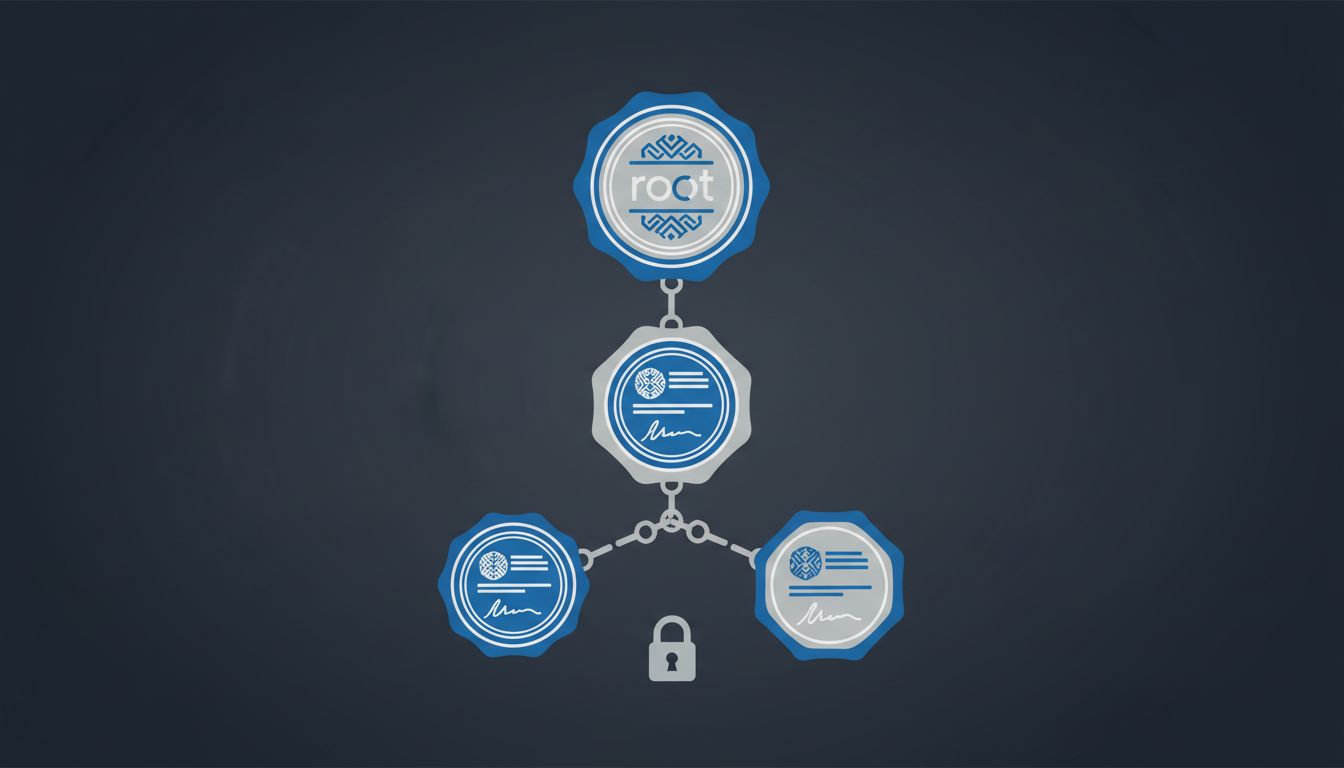
The padlock in your browser is widely misunderstood. Here is what it actually guarantees, and what it deliberately leaves out.
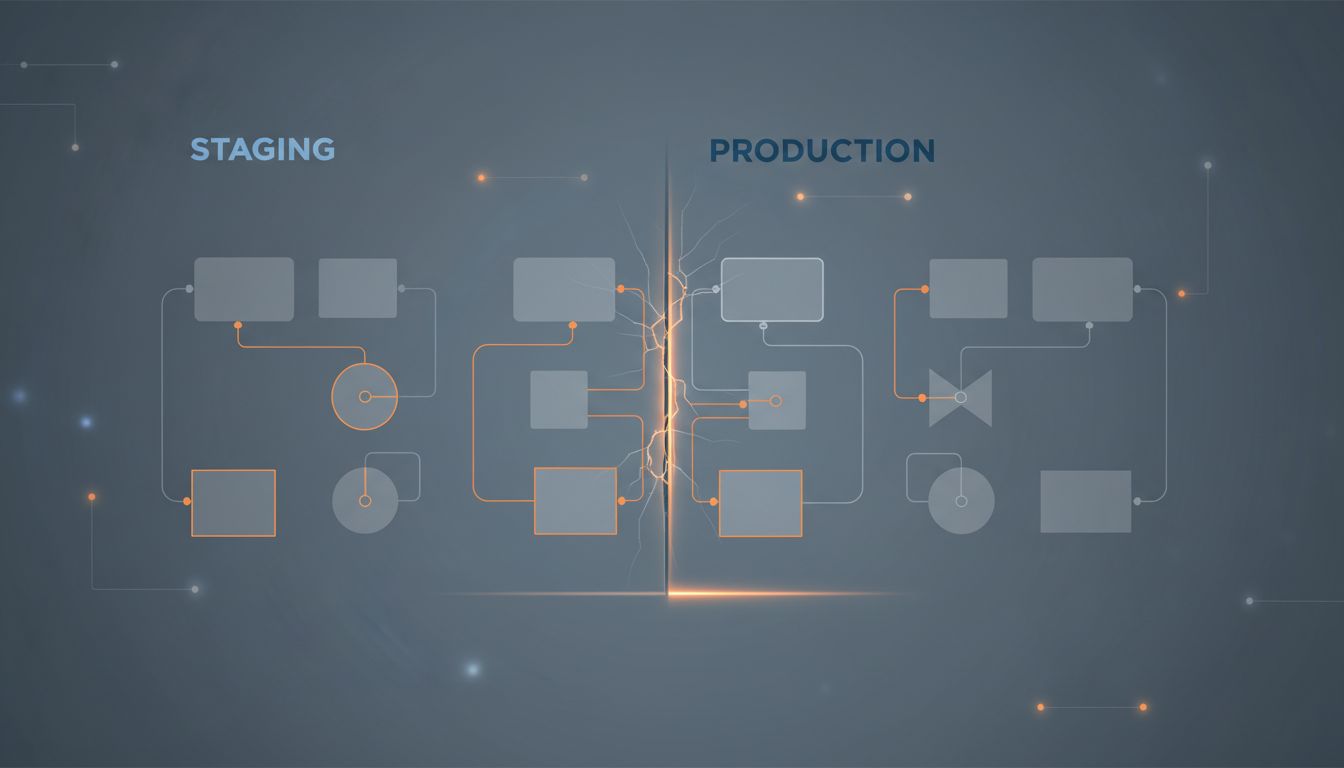
Staging exists to catch bugs before production. It mostly catches the bugs that would never reach production anyway.

Routers handle simultaneous packet arrivals constantly. What actually happens involves queues, priorities, and the occasional deliberate drop.
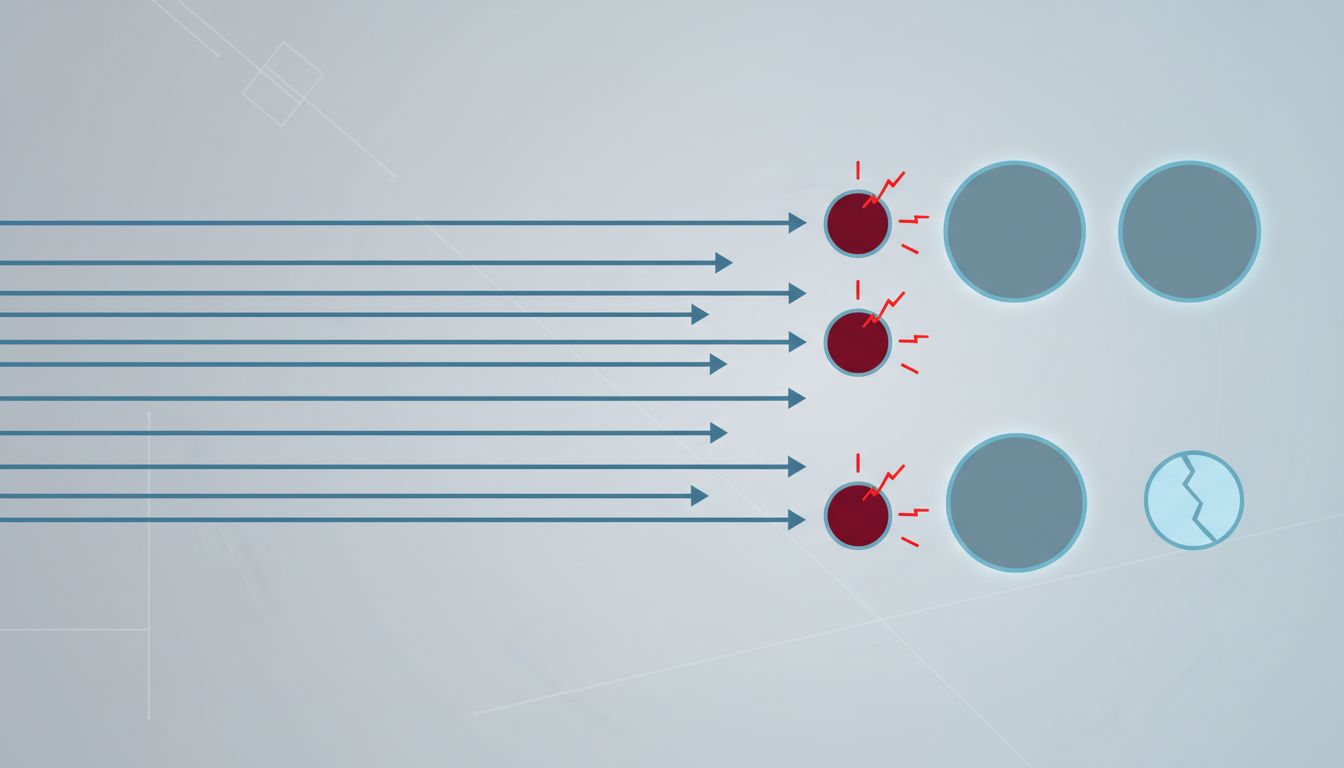
Round-robin and least-connections made sense when servers were identical boxes in a rack. Most infrastructure has moved on. Your routing logic hasn't.
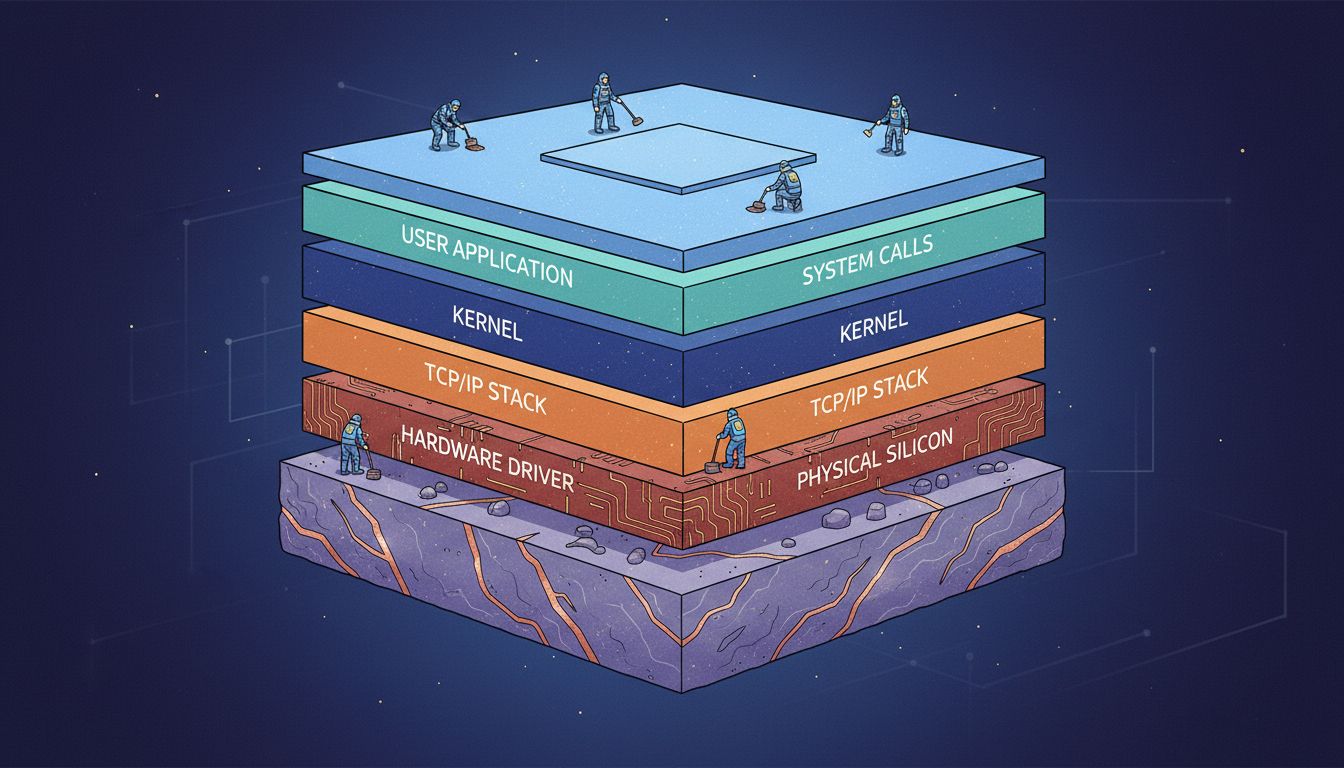
Clicking Send feels instant. The journey from user action to transmitted packet involves more coordinated machinery than most programmers ever stop to consider.
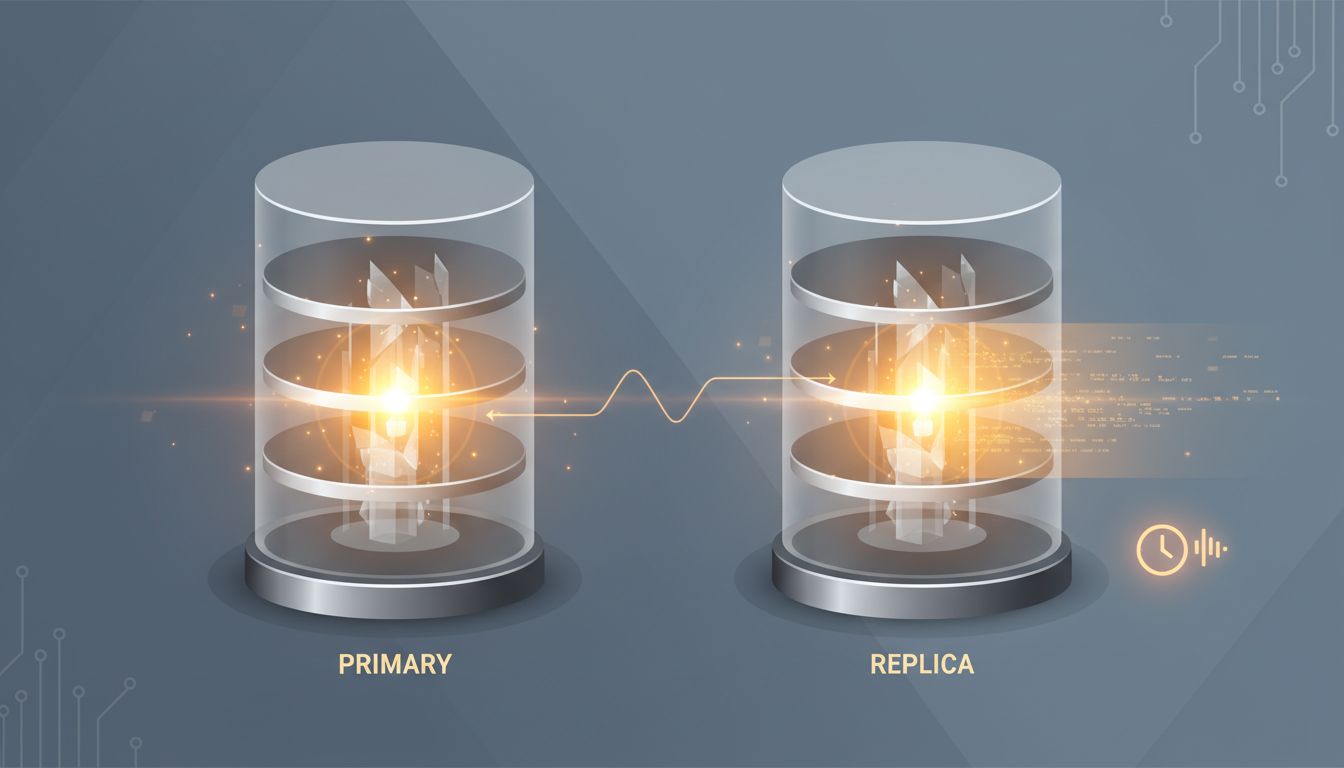
Read replicas promise to speed up your database without touching the primary. The hidden cost is consistency, and most teams don't find out until something breaks.

The graveyard of acquired-and-abandoned startups looks like corporate waste. It is actually a deliberate strategy, and it works.
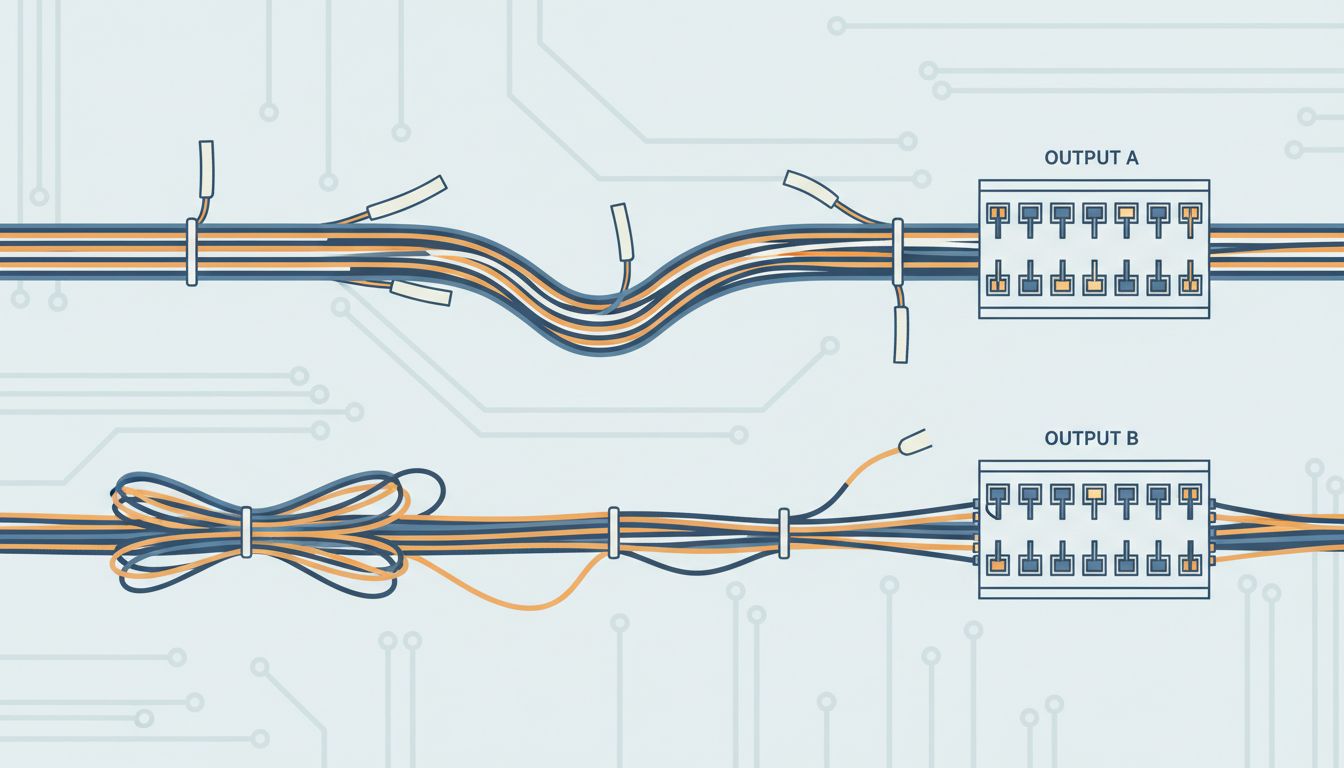
Clean, readable code is a virtue. But the industry has quietly elevated it above correctness, performance, and architectural soundness — and that's a problem worth naming.
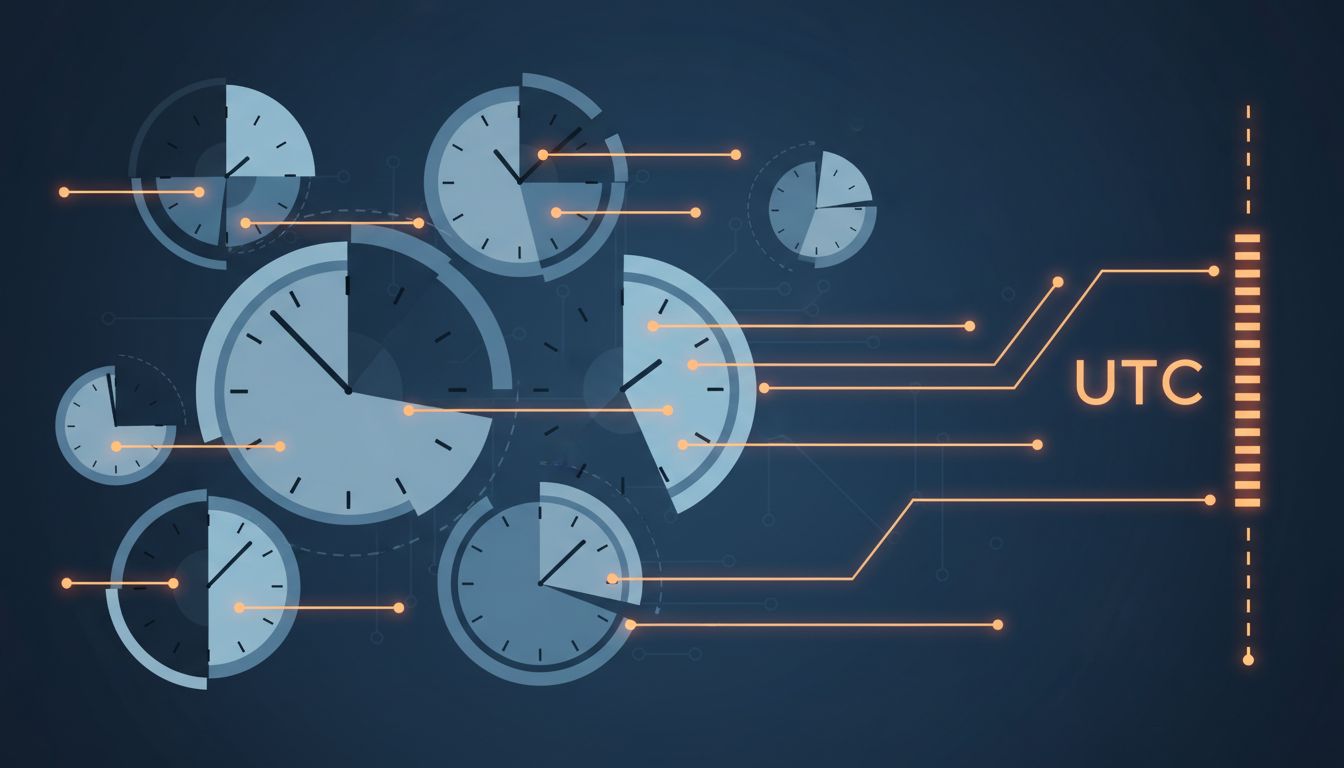
Time zone bugs are some of the most deceptive in software. Here's what actually happens inside a database when the clocks don't agree.

The apps people trust most aren't trying to maximize your time on screen. They're optimizing for something more durable: the feeling that they work.
Join thousands of readers who get our weekly breakdown of the most important stories in technology.
Free forever. Unsubscribe anytime.