Technology
Your Fast API Is Slower Than Your Benchmarks Show
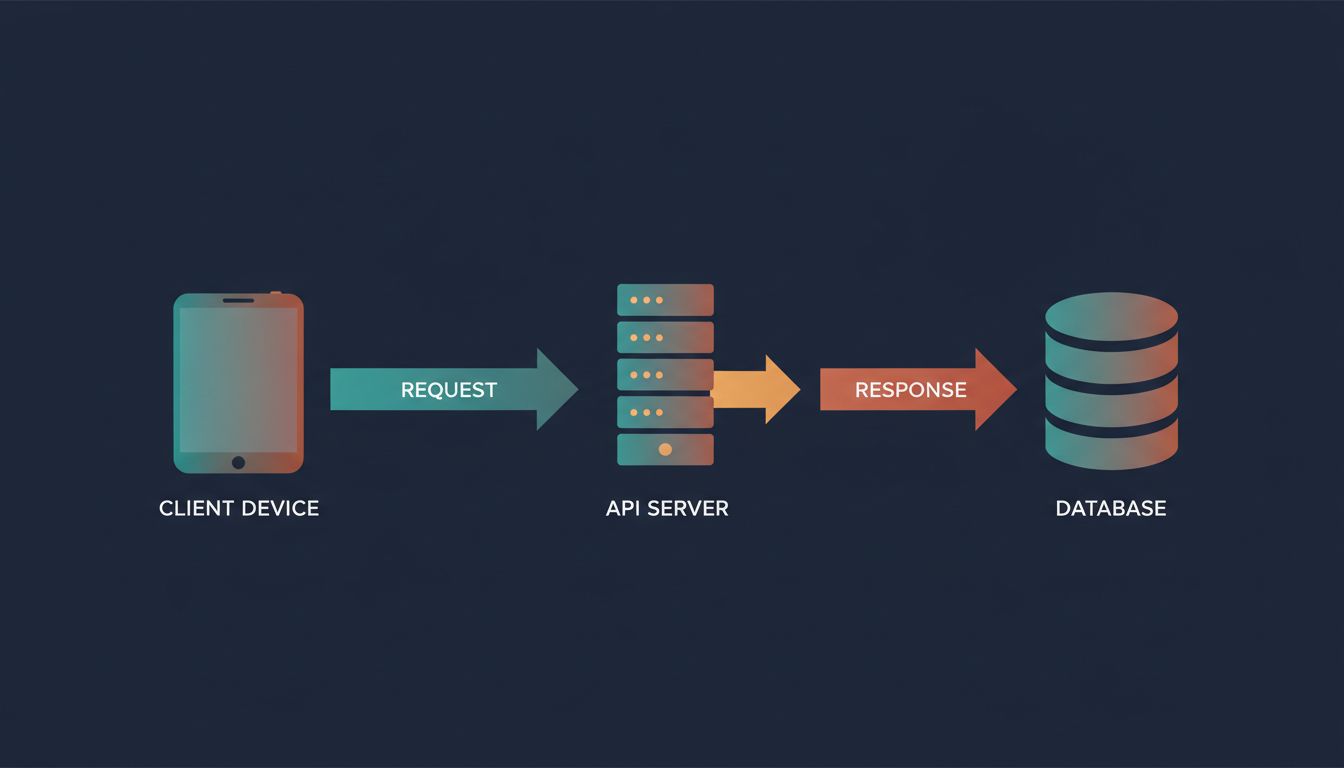
Your API response time looks great in testing. But your users are waiting for something your benchmarks never measured.
Deep dives into the technology that shapes our world, from hardware breakthroughs to platform strategies.
Your API response time looks great in testing. But your users are waiting for something your benchmarks never measured.
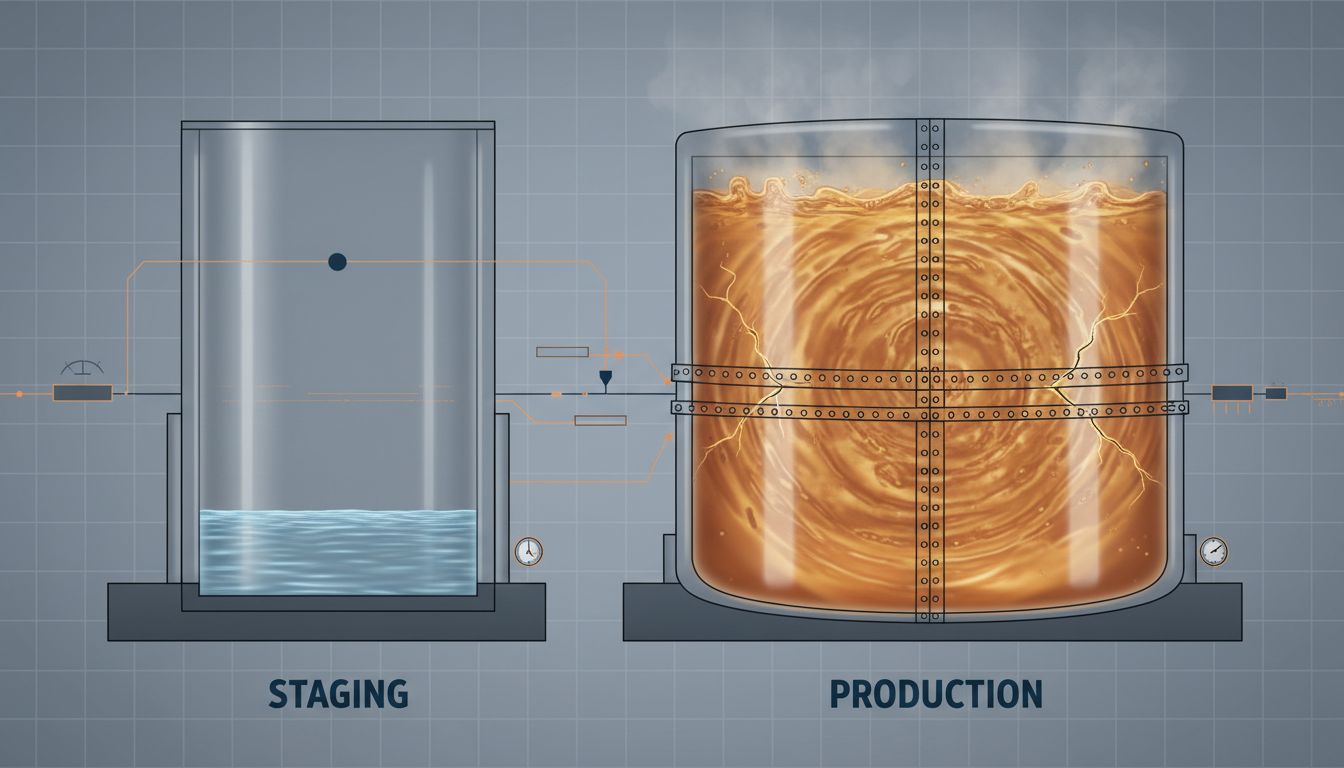
Staging environments are supposed to catch bugs before users do. The reason they often fail has less to do with testing and more to do with what staging pretends to be.

End-to-end encryption is real and important. But most people misunderstand what it actually protects, and the gaps are where the danger lives.

GCC's development history reveals why compilers are not translators. They are aggressive optimizers that routinely rewrite your logic before it runs.
Persistent database connections feel efficient. In many real-world systems, they quietly become your most expensive resource.

Tony Hoare called null his billion-dollar mistake in 2009. Sixty years later, the industry knows better and keeps doing it anyway.
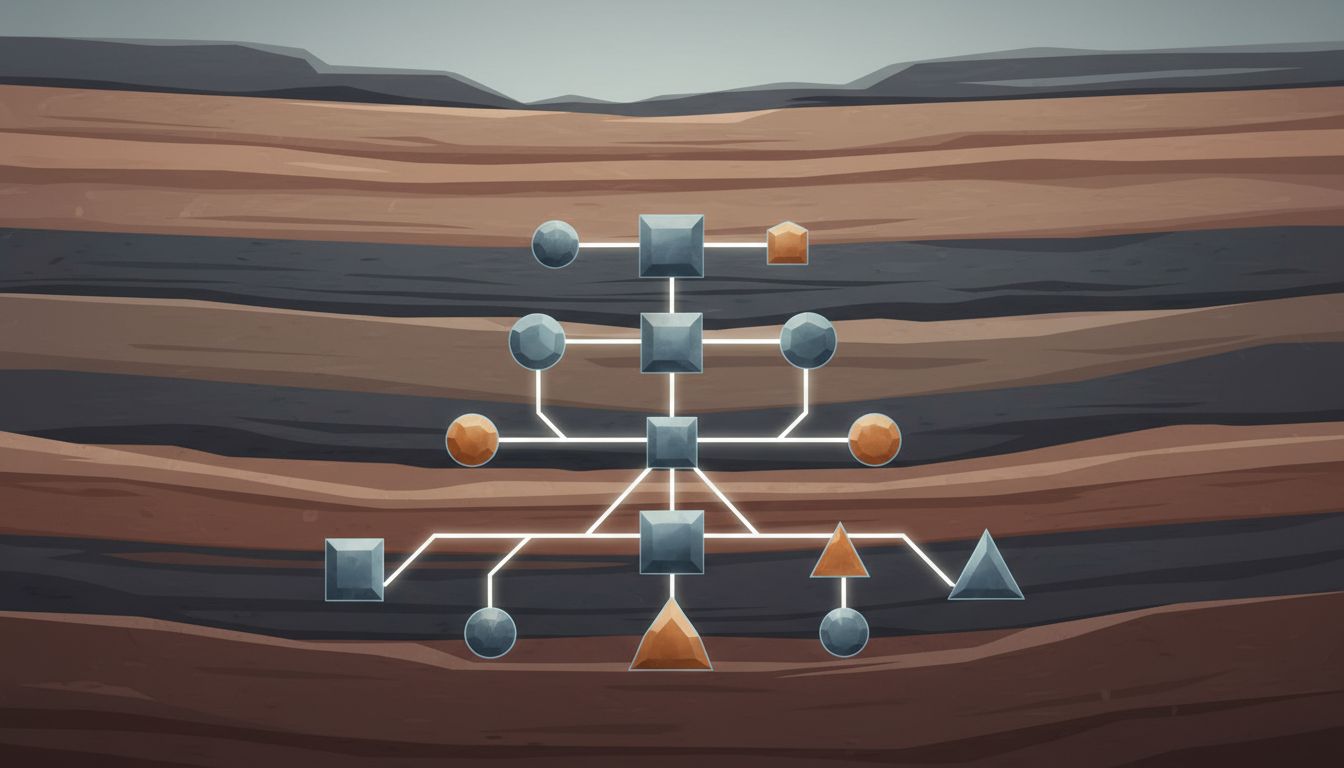
Researchers have proposed faster, more elegant data structures for decades. Databases keep choosing the boring one. The reason reveals something important about how engineering decisions actually get made.
A VPN encrypts your traffic but leaves one critical channel exposed. Your DNS resolver has been quietly building a profile of everything you do online.

The padlock tells you your connection is encrypted. It says nothing about whether the site on the other end is trustworthy. These are very different things.

The trade-off between latency and throughput is real but routinely misunderstood. Most systems aren't hitting the constraint developers think they are.
Compiler warnings aren't noise. They're a static analysis tool you're already running, for free, and most teams treat them like spam.
A green checkmark on your CI pipeline doesn't mean your software works. It means your tests passed. Those are not the same thing.
Your profiler says the code is fast. Your users say it feels slow. Both are telling the truth. Here is why that gap exists and how one team closed it.

The story of Ethernet's collision problem, how CSMA/CD solved it, and why the solution matters more than the problem ever did.

Your code is full of names, intentions, and structure that vanish before a single instruction runs. Understanding what survives compilation changes how you write software.

The Sam Altman firing wasn't a corporate soap opera. It was a stress test of what happens when a nonprofit board tries to control a $90 billion company.

Discord stores billions of messages, but its fastest reads deliberately ignore most of them. The architecture behind that tradeoff changed how engineers think about data.
Encrypted messaging feels instant. The underlying process involves several distinct security operations, each solving a different problem. Here's what actually runs.
Join thousands of readers who get our weekly breakdown of the most important stories in technology.
Free forever. Unsubscribe anytime.