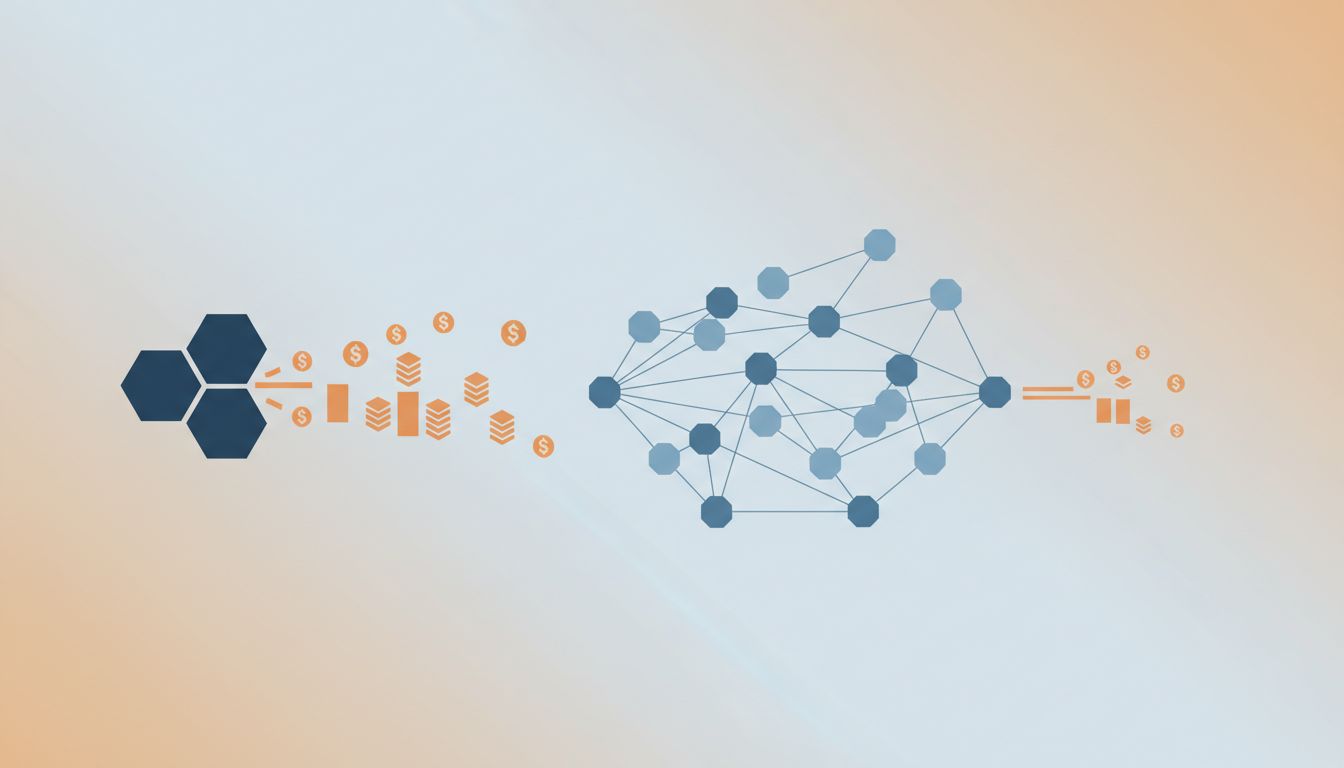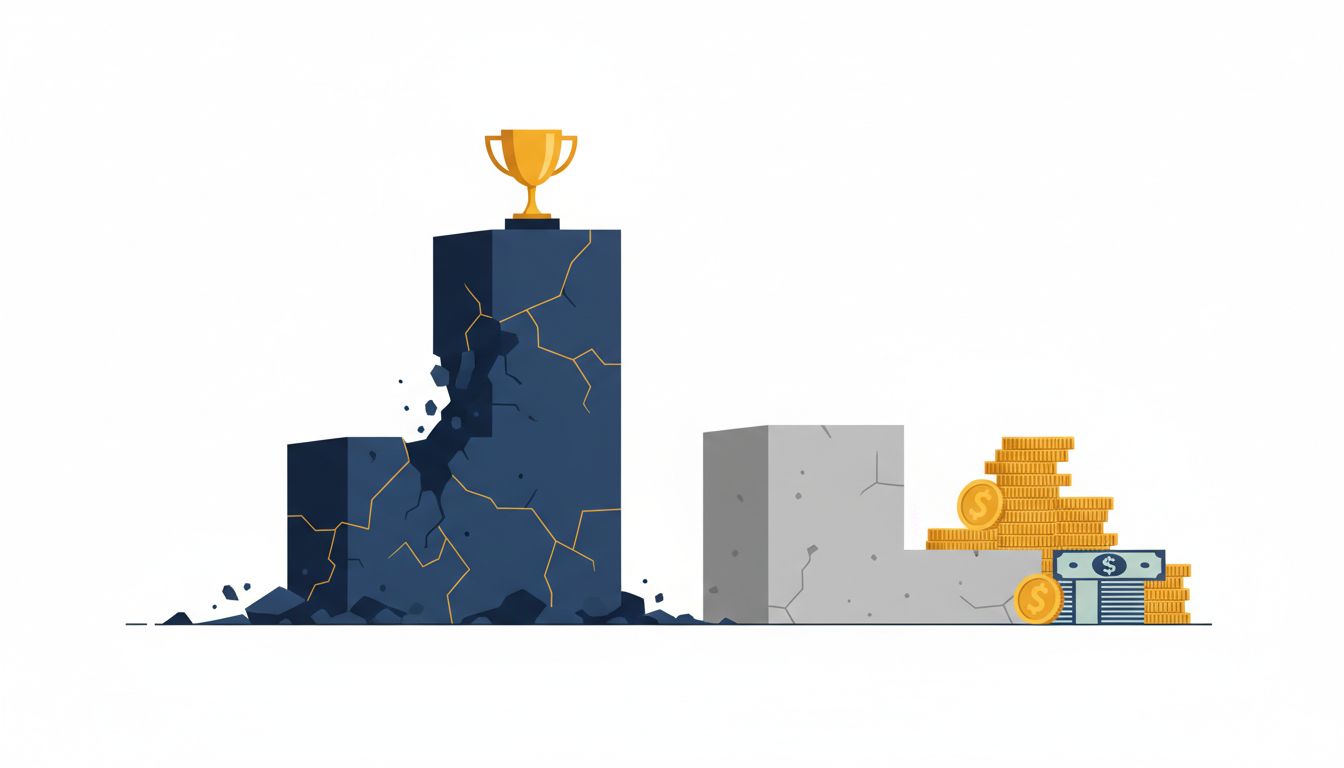

The best platform rarely wins. The one with the best distribution does. This has repeated so often across the history of the technology industry that treating it as a surprise at this point requires a kind of willful ignorance.
VHS was technically inferior to Betamax on nearly every dimension that engineers care about. Windows was not a better operating system than what Apple shipped. MySpace had none of Facebook’s design sensibility. Android, in its early years, was a mess of fragmented hardware and inconsistent software. None of this mattered, because none of these fights were ultimately about the quality of the platform. They were about supply chains, pricing, developer incentives, and the ability to be everywhere before the better product could catch up.
The uncomfortable truth this points to: building a great platform is a necessary condition for survival, but it is almost never a sufficient condition for winning.
Distribution beats quality at the point of adoption
Platforms are not products in the conventional sense. They are coordination mechanisms. Their value derives almost entirely from how many other people are already using them, which means the first question a potential user asks is not “is this well-designed?” but “is anyone else here?”
This changes the calculus completely. A platform that is 30 percent worse but available in twice as many places will consistently beat a superior alternative, because it reaches the adoption threshold first. Once network effects kick in, they are extraordinarily difficult to reverse through product improvements alone. The platform with more users generates more data, attracts more developers, and commands more distribution partnerships. Quality gaps narrow over time. Distribution advantages compound.
Microsoft understood this better than almost anyone in the 1990s. The decision to license Windows to any hardware manufacturer, accepting lower per-unit margins in exchange for ubiquity, was not an accident. It was a deliberate bet that footprint would matter more than finish.
Developer ecosystems are the real moat
When people talk about platform moats, they often focus on end users. The more durable lock-in usually runs through developers.
Developers build applications. Applications create utility. Utility attracts users. Users justify developer investment. This is the loop that actually determines platform outcomes, and it has almost nothing to do with the elegance of the platform’s core design. It has everything to do with documentation quality, SDK availability, revenue share terms, and the size of the existing user base that developers can reach by building for you.
Apple’s App Store was not a technical marvel when it launched. It was a distribution channel with 125 million credit cards attached. Developers showed up because the economics made sense, not because the platform was beautiful. The beauty helped retain users. The economics attracted the builders.
Timing compounds everything
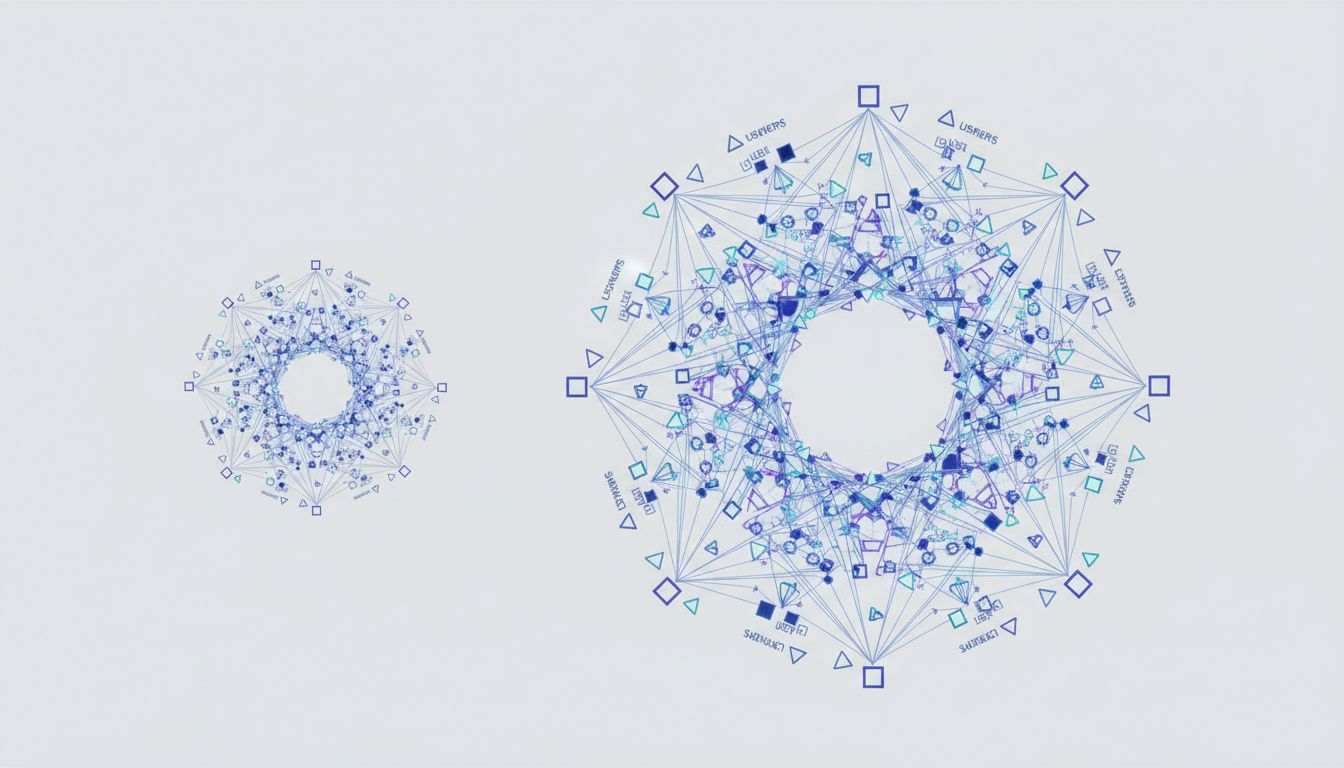
There is a narrow window in any platform market where the outcome is genuinely undetermined. Before network effects have fully materialized, a superior product launched into the right distribution channel can still win. After that window closes, the incumbent’s advantages are nearly impossible to overcome through product quality alone.
This is why the pattern described here is consistent but not absolute. The second mover who wins often does so by solving distribution problems the first mover ignored, not by building something technically superior. Facebook didn’t beat MySpace because it was more feature-rich. It won because it sequenced its rollout carefully, starting with college networks where social density was already high, then expanded outward with existing behavioral patterns baked in.
The platforms that do win on quality tend to win during the window, before lock-in, in markets where switching costs are low enough that users will actually defect. Those markets are rarer than the industry mythology suggests.
Switching costs do the maintenance work
Once a platform achieves sufficient scale, it rarely needs to stay ahead on product quality. It needs to stay ahead on switching costs. These come in many forms: data portability barriers, workflow dependencies, developer ecosystems that only exist on one platform, and the simple social inertia of being where everyone else already is.
LinkedIn is not a well-designed platform. It has been widely mocked for years for its interface decisions and its tolerance for low-quality content. It doesn’t matter. The professional graph exists there and nowhere else. The switching cost is not the product, it’s the network you’d leave behind.
The counterargument
The obvious objection is that quality does win sometimes. Apple’s iPhone genuinely was a superior product when it launched, and it won. Google’s search was meaningfully better than AltaVista and it won. This is true, but it misses the mechanism. Apple didn’t win on quality alone. It won because it controlled distribution through carrier partnerships and retail stores, because it had a developer platform ready at launch, and because it entered a market where the incumbent (Nokia, Motorola) had no meaningful switching cost advantage. The quality was necessary. It wasn’t sufficient.
Google’s search win is a more interesting case. The product was genuinely better at a time when users could switch with zero friction. No data to port, no ecosystem to abandon. The switching cost was typing a different URL. That is the exception that proves the rule: quality wins when switching costs are absent and the quality gap is large enough to motivate action.
What this means for builders
None of this is an argument for building mediocre platforms. Bad platforms fail regardless of distribution, and distribution without a working product is just expensive spam. The argument is about priority and resource allocation.
If you are building a platform and you are spending the majority of your time optimizing the product while treating distribution as a later problem, you are making a common and often fatal mistake. Distribution is not a go-to-market function you bolt on after the platform is ready. It is a design decision you make before you write the first line of code.
The companies that win platform wars understand this early. The ones that lose tend to figure it out too late.