
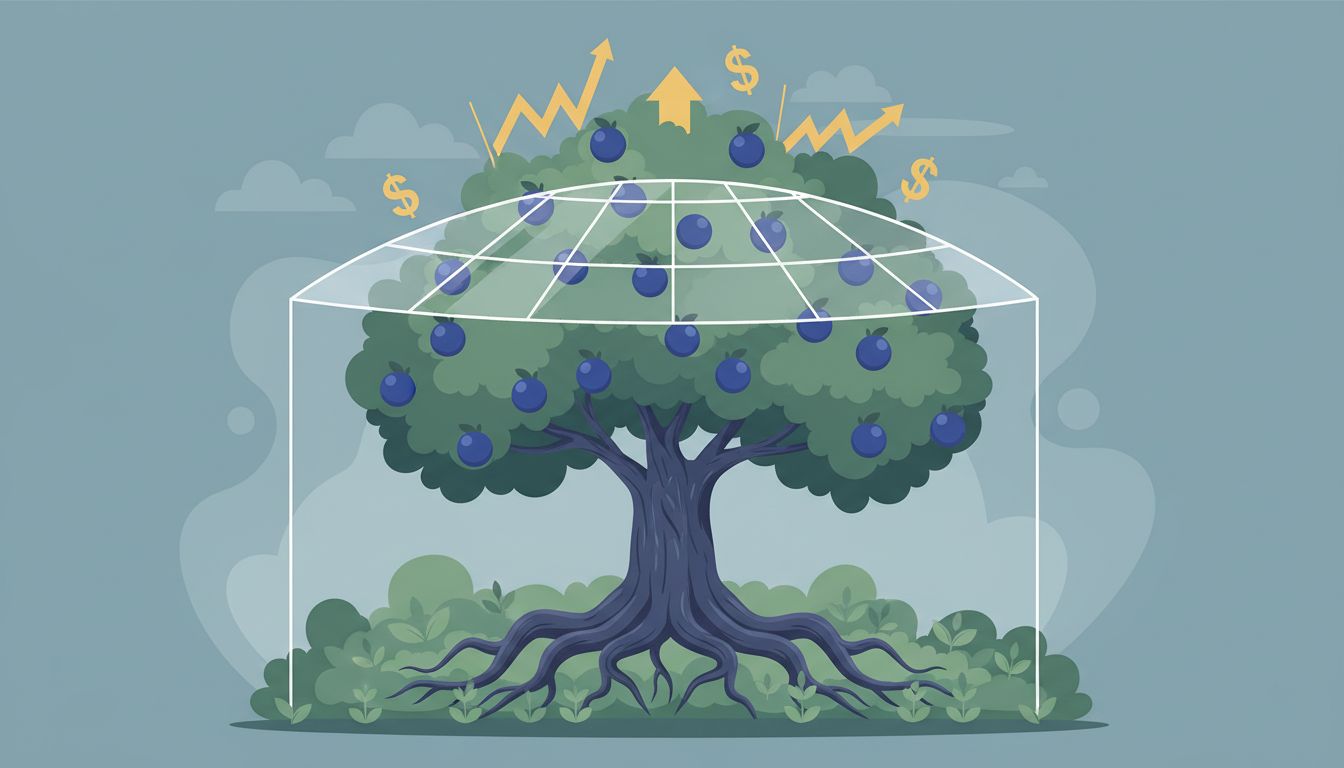
The venture capital playbook has one core requirement: the investment must be able to return the fund. That means a company needs a credible path to a billion-dollar outcome. Open source projects, even profitable ones, keep running into the same wall. The irony is that profitability itself becomes part of the problem.
1. The License Is the Ceiling
When a project ships under MIT, Apache, or GPL, any company can take the code, host it, and sell it. That’s the point. But it’s also a permanent cap on pricing power. Amazon built a multi-billion dollar business on Elasticsearch. Elastic, the company that wrote most of that code, watched it happen and had limited recourse. The AWS-versus-open-source dynamic isn’t unique to Elastic. MongoDB, Redis, and HashiCorp all eventually rewrote their licenses specifically because the open license was destroying their ability to capture value.
Investors see the license and immediately model the ceiling. If AWS can clone your distribution, your addressable revenue isn’t the market size, it’s the fraction of customers who won’t use AWS. That fraction tends to be smaller than founders expect.
2. The Free Tier Trains Customers to Pay Nothing
Open source projects often build enormous user bases before they build revenue. This feels like traction. It isn’t, or at least not the kind investors need. A project with two million GitHub stars and 80,000 production deployments has a credibility problem: most of those users have never paid a dollar, and many of them never will. The free tier isn’t a funnel. It’s a culture.
The conversion math is brutal. Even if one percent of production users upgrade to a paid plan, you need a very large denominator to generate meaningful revenue. And that denominator took years to build. The sales cycle for open source is long because trust has to precede the ask, and trust is free. Your first pricing page is almost certainly wrong for most SaaS companies, but for open source maintainers it’s not just wrong, it often doesn’t exist until too late.
3. Revenue Growth Looks Wrong to Venture Investors
A bootstrapped open source project can reach a few million in annual recurring revenue on a skeleton crew. That’s genuinely impressive. It’s also the wrong shape for venture capital. VC funds are optimized for companies that can deploy capital and accelerate growth. A project earning $3 million ARR with four employees and 40% margins doesn’t need $15 million. The math of what to do with the money doesn’t work.
Worse, valuations get strange when a company is already profitable. Investors want to buy into a growth story. Profitable companies with modest growth rates trade on revenue multiples, not potential. A project earning $3 million ARR growing 30% annually is worth something, but not venture-scale something. The founders often know this. The tragedy is that their success makes them ineligible for the only capital structure that exists to fund technology companies at scale.
4. The Governance Structure Spooks Everyone
Many successful open source projects are entangled with foundations, steering committees, or contributor agreements that were designed for community health rather than business operations. This is appropriate for the software. It’s a nightmare for investors. Who controls the roadmap? What happens if the foundation votes to change the license back? Can the company fork the project without alienating its contributor base?
HashiCorp’s 2023 license change from MPL to BUSL (Business Source License) triggered an immediate fork. OpenTofu emerged within weeks, backed by the Linux Foundation. The original company’s legal ownership of the trademark wasn’t enough to prevent the split. Investors watching that play out learned something: even when a company controls its project, the community can override capital. That’s not a risk most term sheets are built to accommodate.
5. The Talent Problem Compounds Everything
Open source projects attract contributors who are, by definition, not primarily motivated by equity. The developers who made the project successful often have day jobs elsewhere. When a company forms around the project and raises money, the equity structure must account for people who contributed for years without expecting a return. Doing this fairly is hard. Doing it while also offering competitive compensation to new hires is harder.
The result is often a founding team with messy cap tables, contributors who feel entitled to equity they never formalized, and a hiring profile that skews toward ideological fit over commercial instinct. That combination doesn’t look clean on a Series A pitch deck. Investors aren’t wrong to be cautious. Building a sales organization inside a project that was philosophically anti-commercial is genuinely difficult.
6. Commercial Open Source Requires a Dual Product Strategy
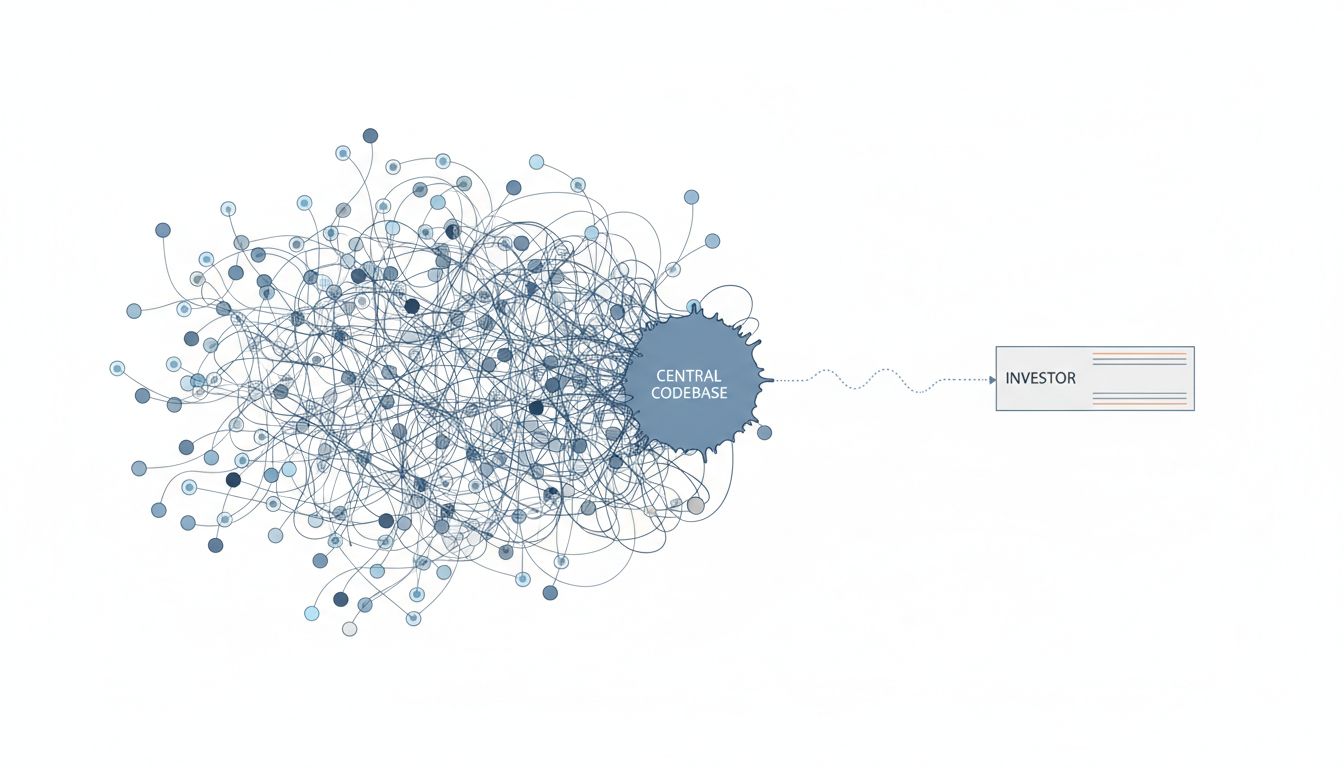
The only companies that have successfully raised significant venture capital on an open source foundation, Red Hat, Confluent, Databricks, MongoDB, did so by building a distinct commercial product that sits alongside the open core. This is not obvious or cheap. It requires maintaining two codebases, two user experiences, and two customer relationships simultaneously. The open project generates trust. The enterprise product generates revenue. Neither works without the other.
Most maintainers don’t want to build an enterprise product. They want to build software. The business that surrounds successful open source isn’t really a software business. It’s a support and services business, or a cloud hosting business, or an enterprise features business. Those are real businesses. They’re just not what most open source founders signed up for, and the gap between what they want to build and what investors need them to build is where most of these funding conversations break down.
The projects that stay independent and profitable are the ones that stop trying to fit the venture mold. They take small checks from strategic angels, grow at the pace their revenue supports, and accept that their valuation will never reflect the actual leverage their software has in the world. That’s a real outcome. It’s just not the one the industry has built its infrastructure to celebrate.