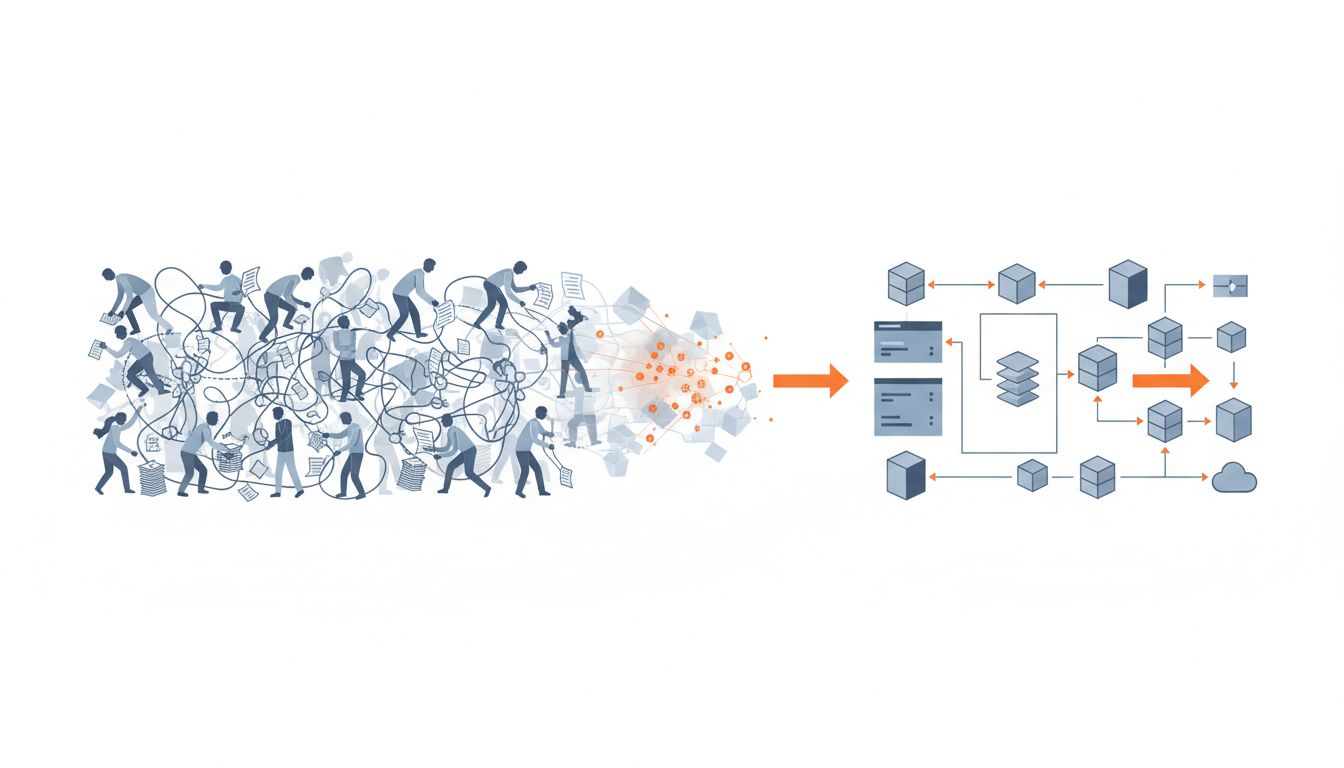

The Mythology of the Founding Team
Picture the founding story every startup tells: two people in a garage, or a dorm room, or a WeWork that smelled like ambition and day-old coffee. The first hire gets mythologized. They took a risk on you before there was anything to take a risk on. They worked for equity and ramen and the belief that this was going somewhere. That story has real power.
But here’s what happens next. The founding team ships something. It gets traction. You raise a small round or hit default alive. And then you hire your second employee, and in many cases, this is where companies quietly win or quietly begin to lose. Most founders spend more time agonizing over the first hire than the second. That’s backwards.
The first hire is usually someone you already know. A former colleague, a friend with the right skills, someone who said yes to a coffee in 2021 and never really left. There’s deep trust baked in. You have shared context, shared vocabulary, and a willingness to tolerate each other’s gaps because you’ve already seen each other at their worst. First hires often work out not because the hiring process was rigorous but because the relationship was.
The second hire is where you’re actually hiring. The second hire is the moment you start making bets on strangers.
Why the Second Hire Sets the Template
Companies develop hiring muscle memory. The standards you hold the second hire to, the process you run, the things you’re willing to overlook because someone seems smart and you’re moving fast, all of that calcifies into the way you hire. Ten employees from now, you are still operating on the implicit assumptions you formed when you brought in number two.
If the second hire was someone who could execute independently, who pushed back on bad ideas, who made the founders better, the company learns what that feels like. The bar gets set. Future hiring tends to at least aspire to that standard. If the second hire was someone who was convenient, deferential, and cheap, the company learns a different lesson: that hiring is about filling seats quickly and that friction is something to be avoided.
This isn’t abstract. The second hire is usually the first time you have to write down what you actually want. The first hire didn’t require a job description. The second one does, or it should. That act of writing it down forces clarity about what the company is actually building and what it actually needs. Founders who skip that step because they’re moving fast are burning optionality they don’t realize they have.
The Complementarity Trap
There’s a version of second-hire advice that goes: hire for what you’re missing. If you’re a technical founder, hire someone commercial. If you’re a product person, hire an operator. This sounds sensible. It often isn’t.
Hiring purely for gap-filling treats the company like a puzzle where you’re assembling missing pieces. What it misses is that a startup at this stage doesn’t need a complete puzzle. It needs a small group of people who can think clearly about the same problem, even if they come at it from different angles. A technical founder who hires a salesperson as employee two, before there’s a repeatable product and before there’s any sense of the sales motion, is usually just funding an expensive experiment in miscommunication. (There are exceptions, but they tend to involve founders who have done this before and know exactly what they’re buying.)
The second hire should almost always be someone who can make the core work go faster and better. Not someone who covers a weakness. Weaknesses can be covered by advisors, fractional help, and honest self-awareness. The second hire needs to be additive to what’s already working, not compensatory for what isn’t.
The question worth asking before you make this hire is: if this person were here six months ago, would the company be in a materially better position today? If you can’t answer yes with conviction, you’re hiring the wrong person or hiring for the wrong reasons.
What the Second Hire Actually Signals
Venture investors who’ve seen enough companies know something that founders often miss: the quality of the second, third, and fourth hires is a better signal of trajectory than the founding team itself. Founders have high variance. Some brilliant founding teams build mediocre companies because they can’t hire people who are better than them at anything. Some unremarkable founding teams build exceptional companies because they figured out early how to attract and keep people who elevated the whole operation.
The second hire is the first data point on which kind of company you’re building. Did you hire someone who took the job because they believed in the mission and thought they could do meaningful work? Or did you hire someone because they were available, affordable, and said yes?
There’s also a culture implication that compounds fast. With two people, you have a founding team. With three, you have a proto-culture. The third person doesn’t just join a company. They join the relationship between the first two. If that relationship is functional and high-trust, the third person usually rises to it. If it’s already fraying, the third person learns which founder to side with and the dysfunction scales from there.
Hire Slower Than You Think You Should
The pressure to hire fast is real. Investors want to see you deploy capital. Competitors are hiring. The work is piling up. All of that is true. And the cost of a bad second hire, in a company of three people, is not a rounding error. It’s a reorganization. It’s a hard conversation that founders often delay for months because firing someone who took a bet on you feels like a moral failure. It’s lost time during the period when time is the scarcest resource you have.
The first hire gets mythologized. The second hire gets rationalized. The truth is that the second hire deserves more rigor, more deliberate thinking, and more honest conversation about what the company actually needs than any other hire you’ll make. Not because they’re more important as a person, but because they’re the first test of whether you can build an organization or whether you can only build a founding team.
Most startups never get big enough to fix their early hiring mistakes. The ones that do spend years paying interest on the assumptions they locked in when they were small enough that every assumption felt temporary.