Three months into my first startup, a customer called to cancel. Not a polite cancellation email. A phone call, forty minutes long, where she walked through every way our product had failed her team. I remember dreading that call. I should have been taking notes from the first sentence.
She didn’t renew. But everything she said became the product roadmap for the next six months. Two of the features she demanded became the primary reasons the next ten customers signed. She cost us one contract and saved the company.
This is not a coincidence. The customer who nearly kills your startup is systematically more valuable than the one who loves you, and most founders get this exactly backwards.
Your happy customers are lying to you
Not intentionally. But when someone is satisfied, they have no incentive to think hard about your product. They use it, it works well enough, they renew. The feedback you get from them is shallow because their engagement is shallow. They are not pushing against the edges of what you built.
The difficult customer is different. They came to you with a real, acute problem. They have strong opinions because they have high stakes. When your product fails them, they can articulate exactly where and why, because they were paying close attention. That specificity is worth more than a hundred NPS surveys from people who circled seven because nothing went wrong.
There is a version of this that shows up in product development constantly. Teams optimize for the median user, the one who is basically fine, and then wonder why growth stalls. The customers who churned, who complained, who demanded refunds, were almost always telling you something true about a gap between what you built and what the market actually needed.
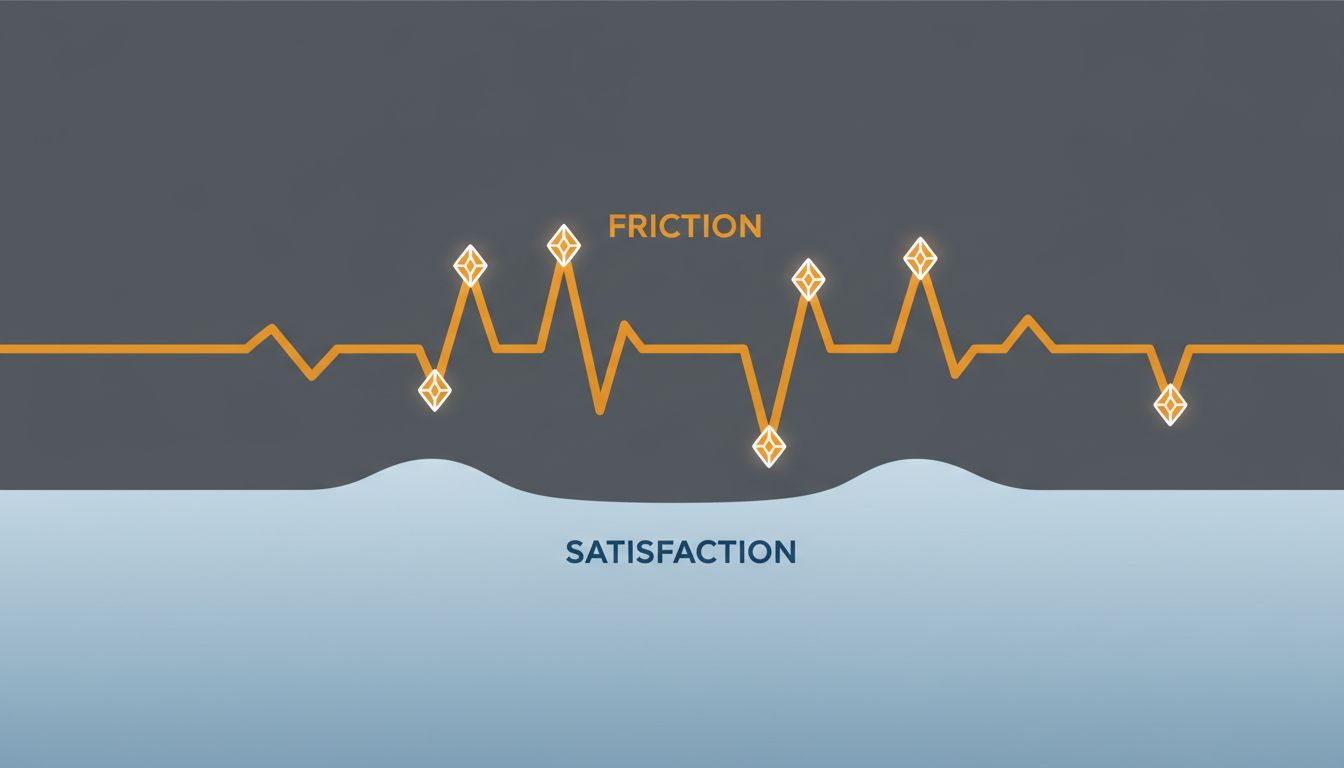
Friction reveals the real product
When a customer pushes hard against your product, they are not just complaining. They are running a stress test you did not know you needed. The places where things break under their use are the places where your assumptions about the customer do not match reality.
This is why enterprise sales, despite being brutal, produces better products than selling exclusively to small businesses who will tolerate rough edges. Enterprise customers have procurement teams, legal teams, security reviews, and specific compliance requirements. Getting through that process teaches you things about your product’s actual weaknesses that you would never learn from a startup customer who just wants to see if the demo works.
Salesforce did not become the company it is by selling to people who were easy to please. The demanding, difficult, high-requirement customer forced a level of reliability and extensibility into the platform that later became its competitive moat.
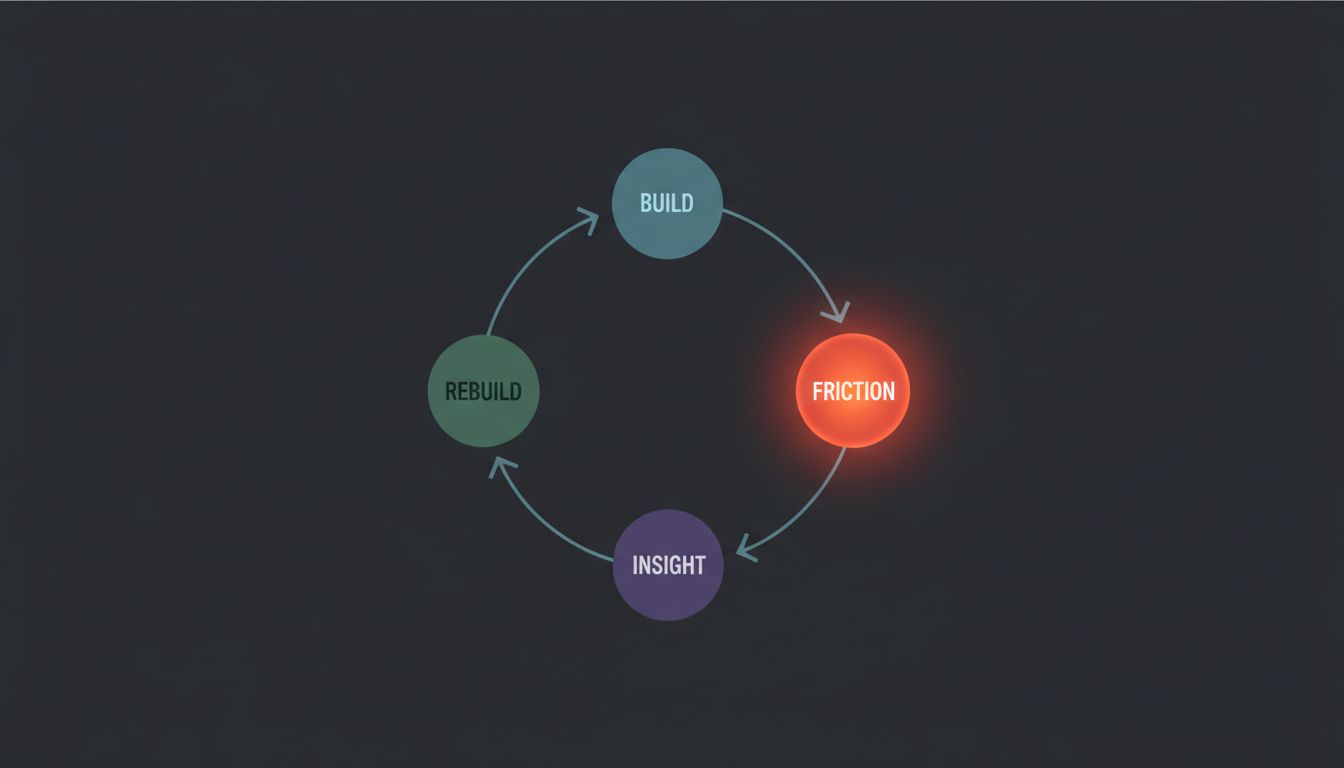
Dissatisfaction signals a real market
A customer who is frustrated enough to complain loudly has already told you something crucial: they care enough to be frustrated. Apathy is the actual enemy. If someone is angry at your product, it means they had expectations, which means they had needs, which means there is a real market here if you can actually meet those needs.
The customer who loves you may just love you because you are good enough and switching is painful. That is a fine business to be in, but it will not show you where to grow. The customer who is dissatisfied is pointing at a gap in the market with both hands.
Many of the most successful product pivots in startup history did not come from founders sitting in a room thinking hard. They came from paying close attention to what the angriest customers were saying. The complaint is a map.
The counterargument
The obvious pushback here is that some customers are just bad fits, and chasing their demands will drag you off course. This is true. Not every difficult customer is valuable. A customer who wants you to rebuild your entire platform for their specific edge case, with a budget too small to justify the work, is a distraction, not a signal.
The distinction is this: a valuable difficult customer is frustrated because your product is genuinely failing to solve a real problem they have. A bad difficult customer is frustrated because your product is not a different product. Learning to tell the difference is one of the core skills of early-stage product development, and it is hard. But the answer is not to default to the comfortable path of listening only to people who are already happy.
If you find yourself surrounded exclusively by satisfied customers and struggling to grow, there is a reasonable chance you have been ignoring the people trying to tell you something.
Chase the hard ones
The customer who nearly walked, who complained loudest, who broke your onboarding flow and then sent a furious email about it, is doing something your satisfied customers never will. They are engaging with your product at full intensity and telling you exactly where it fails.
Most founders know this in theory. Very few act on it consistently. It is genuinely uncomfortable to spend time with people who are unhappy with something you built. It is much easier to book calls with customers who think you are great.
But easy feedback is almost always cheap feedback. The hard conversations are where the real product lives.