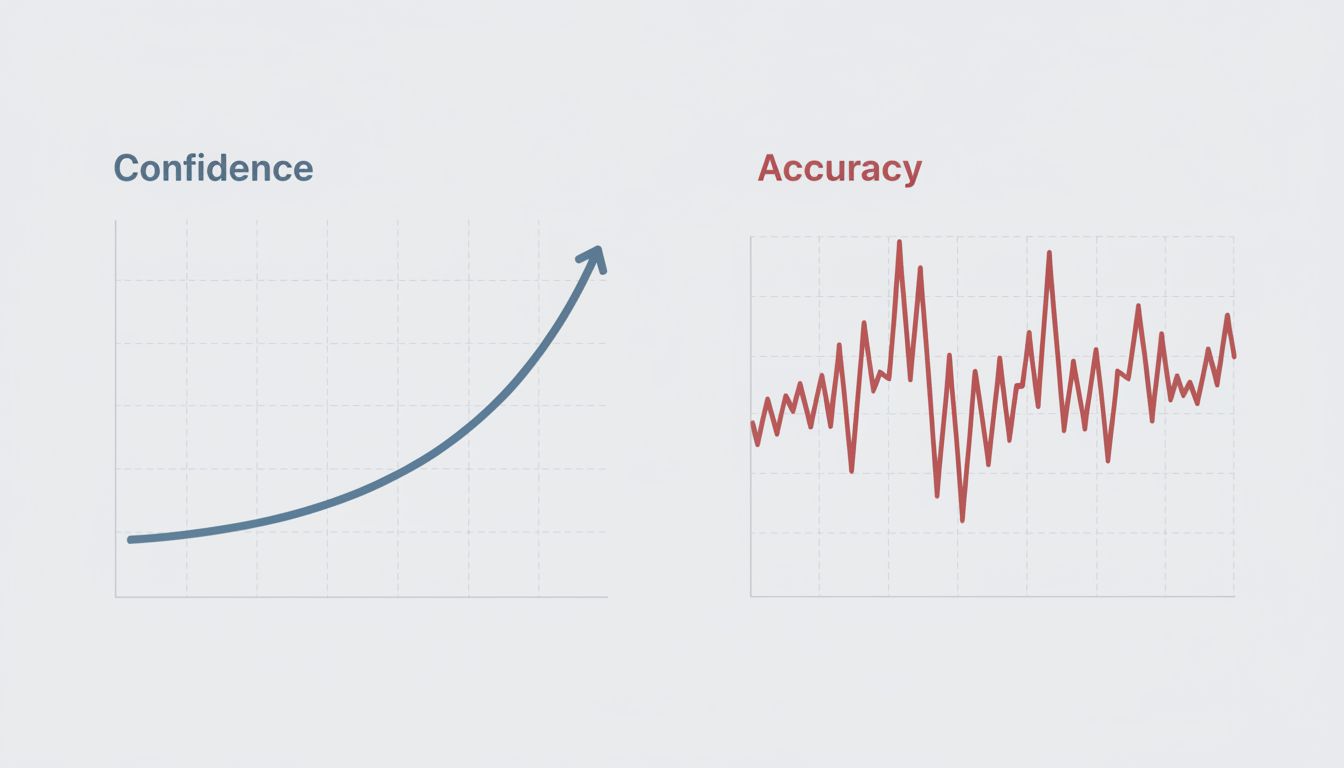
There is a widespread and dangerous assumption baked into how most people use large language models: that a confident-sounding answer is more likely to be correct. It isn’t. The fluency of an LLM’s output and the factual accuracy of that output are, in any meaningful engineering sense, uncorrelated. Treating them as linked is how you get burned.
How LLMs Actually Generate Text
To understand why confidence signals nothing, you need to understand what an LLM is actually doing. These models don’t retrieve facts from a database and attach certainty scores. They predict the next token based on patterns in training data. The “confidence” you perceive in their output is a byproduct of how grammatically and stylistically coherent that output is, not how factually grounded it is.
A model trained on millions of authoritative-sounding texts learns to produce authoritative-sounding text. That’s the whole job. The result is that the model writes about things it has no reliable information about with exactly the same fluent assurance it uses when explaining something well-documented. There is no internal alarm that fires when the model is in unfamiliar territory and triggers hedging language. The hedging, when it appears, is itself just a pattern the model learned to reproduce in certain contexts.
The Calibration Problem
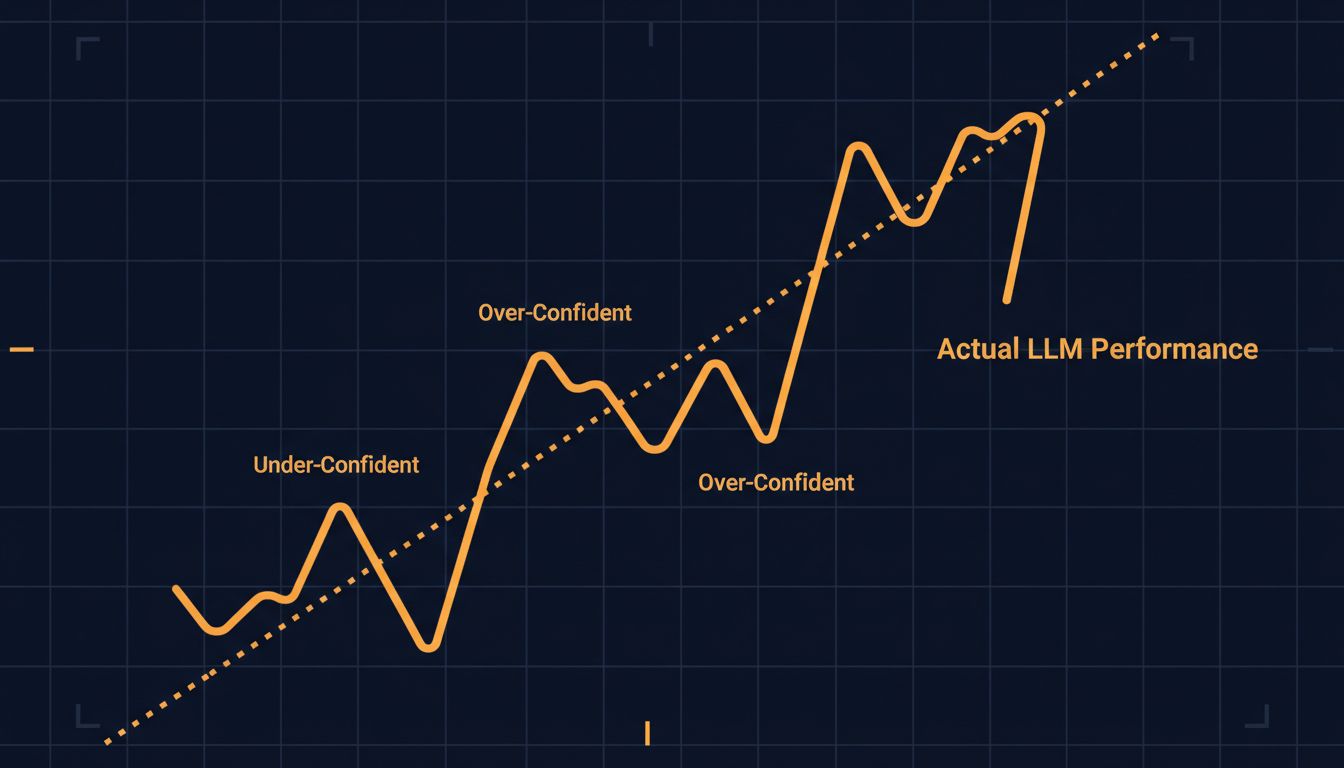
In probability and forecasting, a well-calibrated predictor is one whose confidence scores actually track accuracy. If it says it’s 90% confident, it’s right about 90% of the time. Human experts, with training, can achieve reasonable calibration. LLMs, as currently built, are not calibrated in this sense at all.
Researchers studying LLM calibration have found that models frequently express high certainty on questions they answer incorrectly, and occasionally hedge on questions they answer correctly. The relationship between expressed confidence and actual accuracy is weak at best, and in some domains it runs slightly backward, with more confident outputs being marginally less reliable. This is especially true for questions that sit in the model’s training data gaps: obscure facts, recent events, narrow technical domains. The model doesn’t know what it doesn’t know, so it can’t tell you.
Why This Gets Worse With Specificity
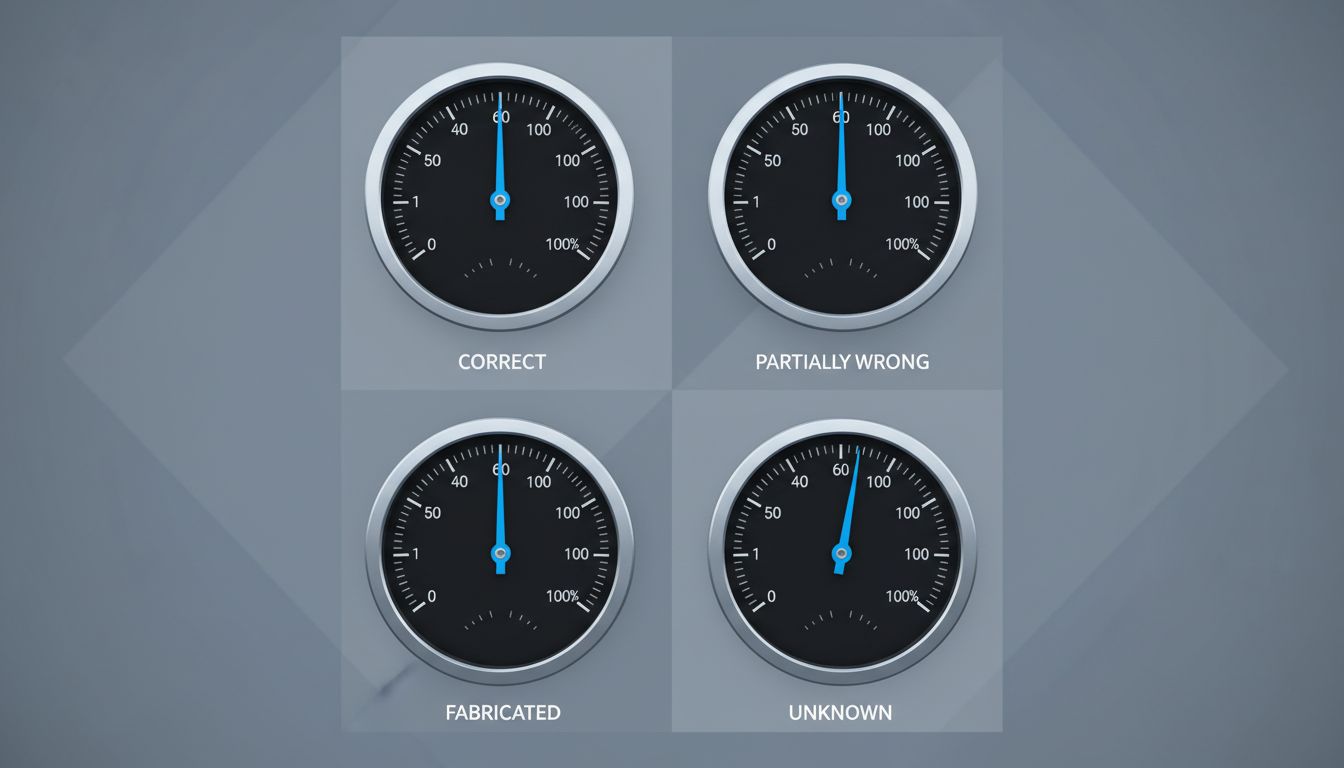
The failure mode is most dangerous precisely where people most want accuracy: specific, verifiable claims. Ask an LLM to summarize a philosophical argument and it will probably do fine. Ask it for the exact provisions of a particular contract clause, a specific court ruling, or a precise drug interaction, and it will answer with equal assurance even when it’s fabricating.
This is where hallucination gets genuinely harmful. The model isn’t being evasive or approximate. It’s generating text that pattern-matches to what a correct answer in that domain would look like, complete with citations, dates, and proper nouns that can be entirely invented. The output reads like expertise. It may contain none.
The practical implication is that you cannot use tone or style to filter LLM outputs for reliability. The model that says “The statute clearly states” and then invents a statute is not distinguishable, from its prose alone, from a model accurately quoting real law.
The Counterargument
Some researchers and practitioners will push back here, and their objection is worth taking seriously. Newer models are being trained with reinforcement learning from human feedback and other techniques specifically aimed at improving calibration. Some models have been shown to express uncertainty more reliably than earlier versions, and instruction-tuned models can be prompted to express doubt more often. Chain-of-thought prompting sometimes surfaces reasoning errors that pure completion would have buried.
All of this is real. None of it resolves the core problem. Better calibration in aggregate doesn’t mean the model reliably signals uncertainty in the specific case you care about. A model that hedges more often on average might hedge on correct answers and be confident on wrong ones. Calibration improvements measured across benchmarks don’t transfer neatly to production use cases, especially in specialized domains underrepresented in training data. And prompting a model to be more cautious mostly produces more cautious-sounding language, not more accurate reasoning.
The progress is genuine. The confidence-accuracy gap remains wide enough to matter in almost every high-stakes deployment.
What to Do About It
The honest answer is to treat LLM outputs as drafts requiring verification, regardless of how they sound. For factual claims that matter, you need an external check. This isn’t a counsel of despair about the technology. It’s a realistic accounting of what you’re working with.
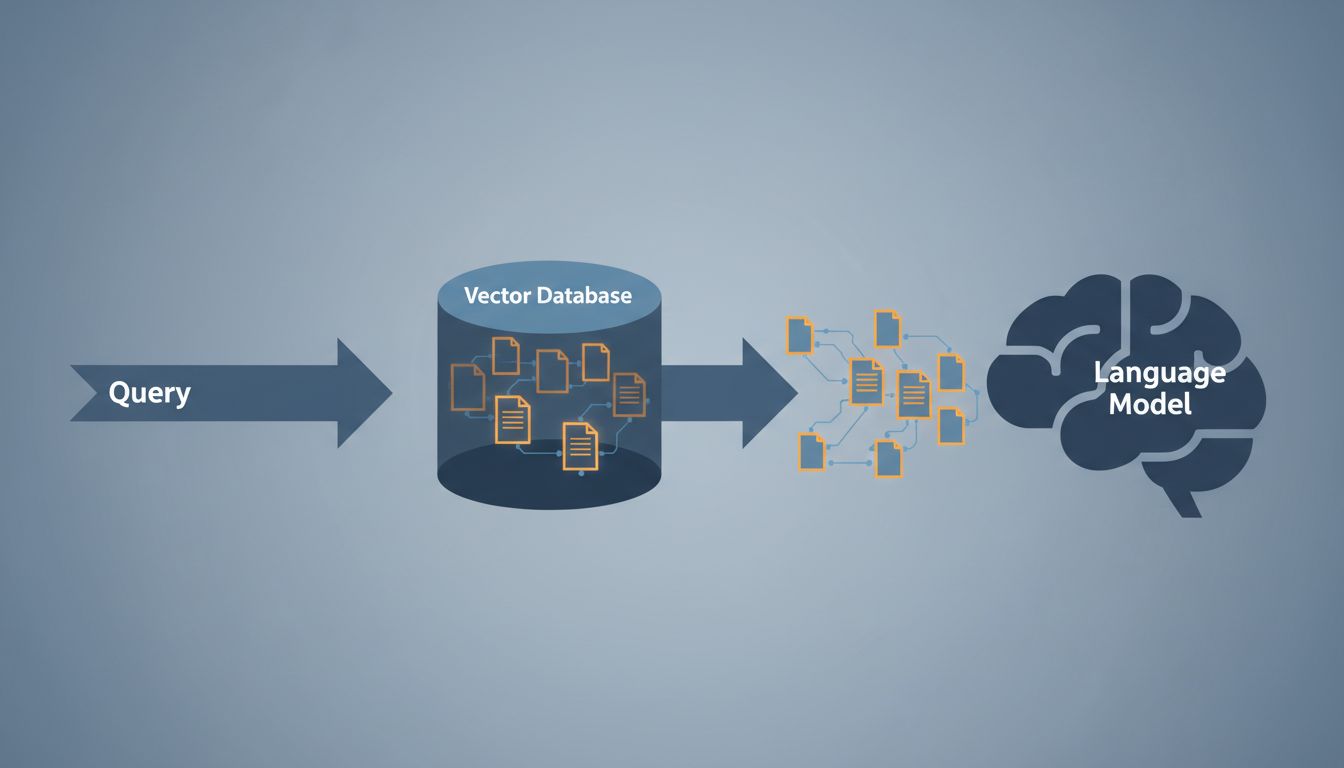
Build workflows that don’t rely on the model’s self-reported certainty. Use retrieval-augmented generation for domains where accuracy matters, so the model is drawing on sourced documents rather than weights. Log failures, not just successes, so you build an actual picture of where your specific model and use case diverge from each other.
The models are genuinely useful. They’re also genuinely uncalibrated. Both things are true, and the second one doesn’t cancel the first, but ignoring it will eventually cost you. The fluency is a feature. The false confidence is a cost you pay for it.