Being Second in Tech Is Often More Profitable Than First
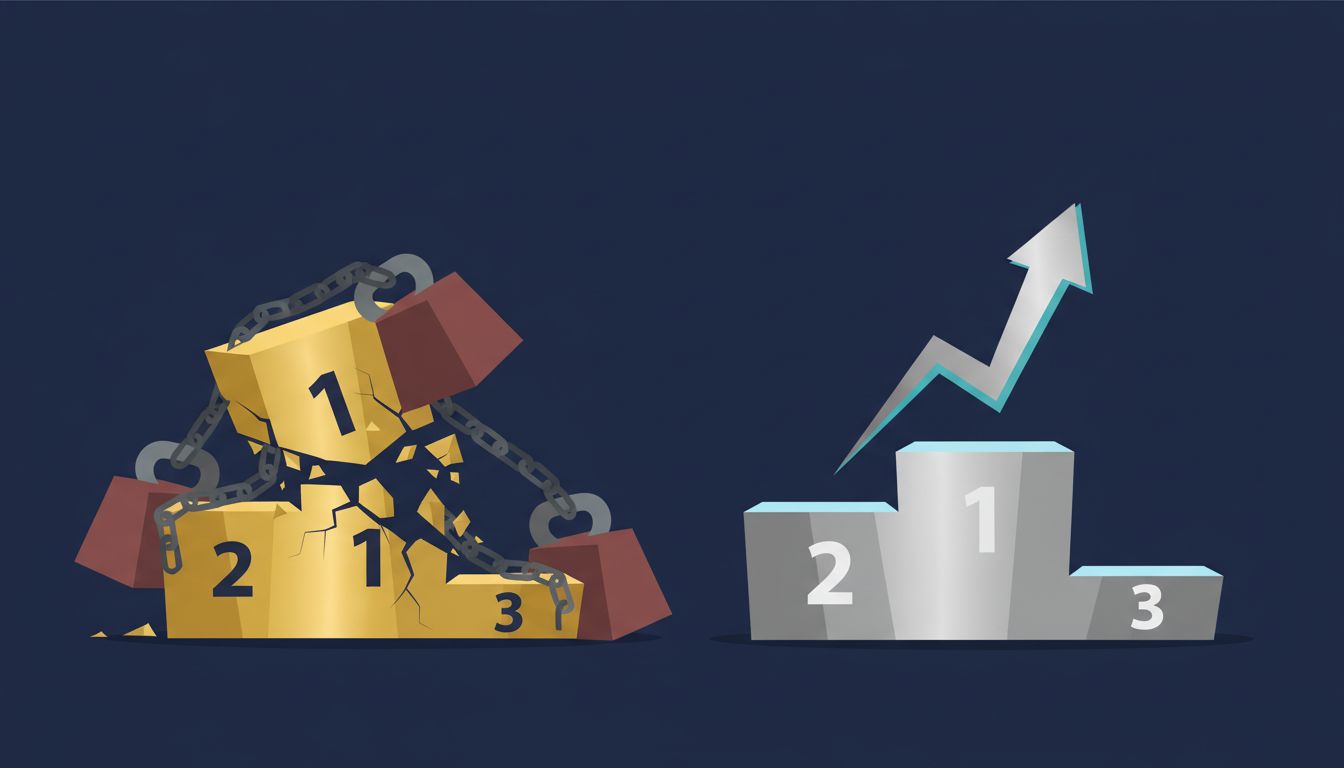
Market leaders set the agenda and pay for it. The second-biggest player collects the rewards without the bill.
The real mechanism forcing hardware upgrades every few years isn't a conspiracy. It's structural, and understanding it changes who you blame.
A server costs the same to build whether one person uses it or a million. Software doesn't work that way, and that asymmetry explains almost everything about tech pricing.
Intentional slowdowns during high traffic aren't engineering failures. They're calculated business decisions with real financial logic.
It's not about aesthetics. The productivity gains from a clean workspace come from specific cognitive mechanisms you can actually control.
Tech workers swear by one full offline day per week. The productivity math is fuzzier than the headlines suggest, but the cognitive science underneath it is real.
There's a real neurological reason why the best time for hard cognitive work clusters around mid-morning. It's not a productivity hack. It's circadian biology.
Slack and its competitors are optimized for engagement, not productivity. The teams shipping the most work figured this out years ago.
Most founders treat customer complaints as noise to be managed. The ones who built lasting companies treated them as the most honest product feedback they'd ever get.
The investors who passed on Stripe didn't misread the technology. They misread the incentive structure that governs how venture capital actually works.
Positioning yourself against a Goliath isn't recklessness. It's one of the most calculated moves in startup strategy, and the companies that do it well follow a predictable playbook.
The friction in your privacy settings isn't accidental. It's engineered. Here's how the design works and why it's so effective.
The people testing your beta and the people shipping your final release are optimizing for completely different things. That gap explains a lot.
That setting called 'temperature' is why your AI assistant never says the same thing twice. Here's what it actually does and how to use it.
The reboot isn't a joke answer. It's an admission that modern software accumulates damage over time and restarting is genuinely the most efficient fix.
Top developers swear by talking to an inanimate object. The reason is cognitive, not quirky.
The slowdown you feel after every major update isn't a bug or carelessness. It's the inevitable output of how software is actually built and sold.
Bad documentation isn't a sign of neglect. For many tech companies, it's a carefully maintained competitive advantage.
Tech IPOs don't cluster in bull markets by accident. The Federal Reserve's rate decisions reshape the math that makes a public offering worth doing at all.
Join thousands of readers who get our weekly breakdown of the most important stories in technology.
Free forever. Unsubscribe anytime.