Being Second in Tech Is Often More Profitable Than First
Market leaders set the agenda and pay for it. The second-biggest player collects the rewards without the bill.
The conventional wisdom is that VCs back the best founders. The reality is they're constructing a position in a category, and your startup is just one tile in that mosaic.
Fans tell you what you want to hear. Critics tell you what your customers are already thinking. Smart founders know the difference.
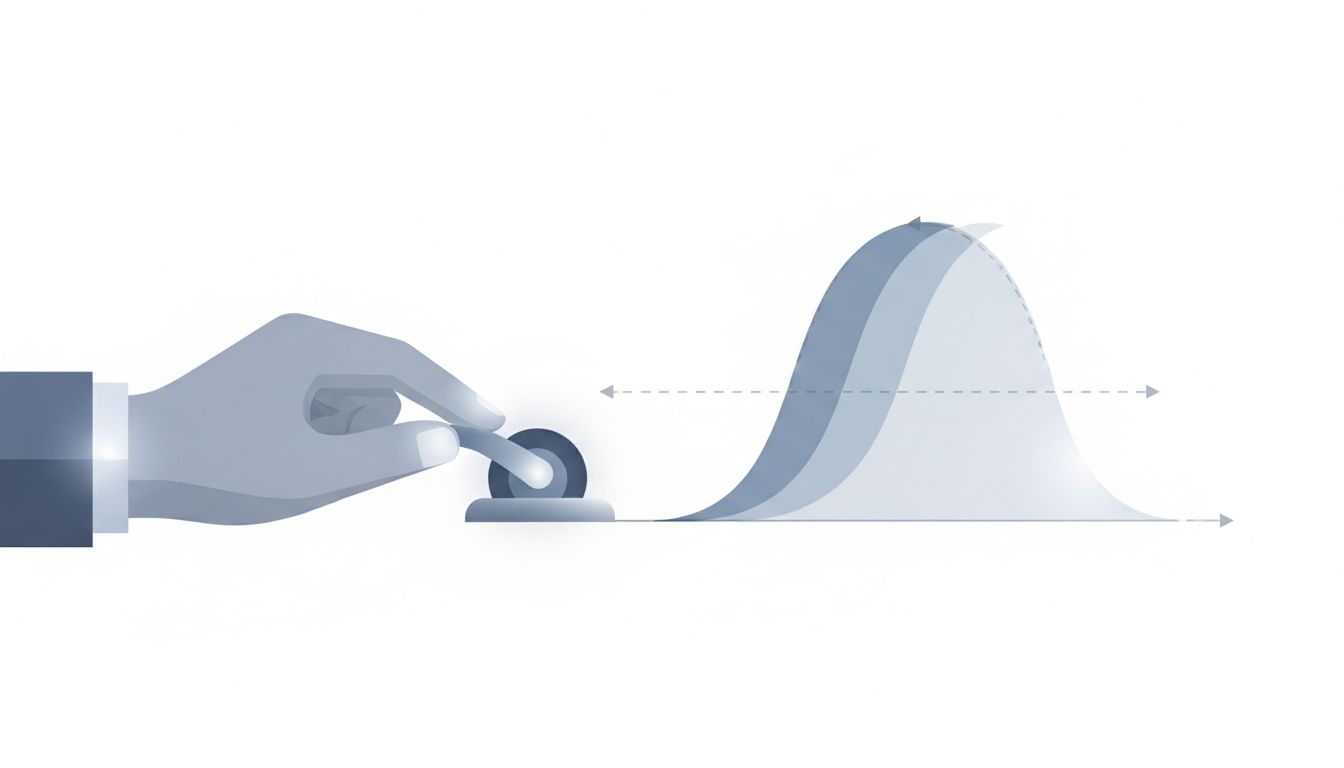
Temperature settings get all the blame. But six other forces shape why your AI gives wildly different answers to the same prompt.
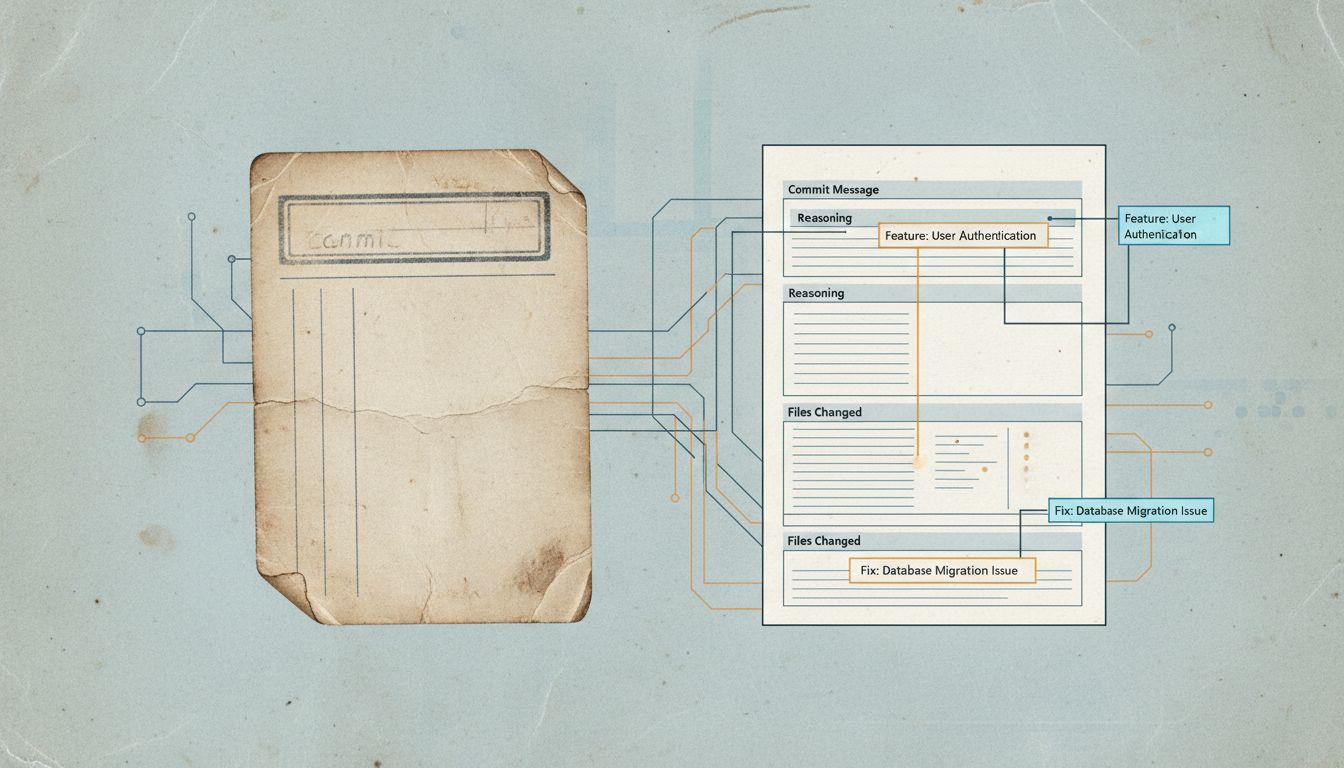
Opaque code isn't always accidental. Sometimes engineers write it that way deliberately, and the reasons reveal something uncomfortable about how software teams actually work.
The 10-minute pitch isn't where funding decisions happen. It's where VCs test whether reality matches the pattern they recognized before you walked in.
The pre-launch slowdown feels too convenient to be coincidental. The reality is messier, and more damning, than a conspiracy.
Annoying features aren't accidents or oversights. They're calculated tools for revenue, retention, and control — and the logic behind them is colder than you think.
The messiest parts of a dominant tech product are often its best competitive defense. Feature debt isn't a bug in big tech strategy. It's the strategy.
The price difference between a streaming service and a DVD isn't about convenience or costs. It's about what companies learned when they finally had the power to end ownership.
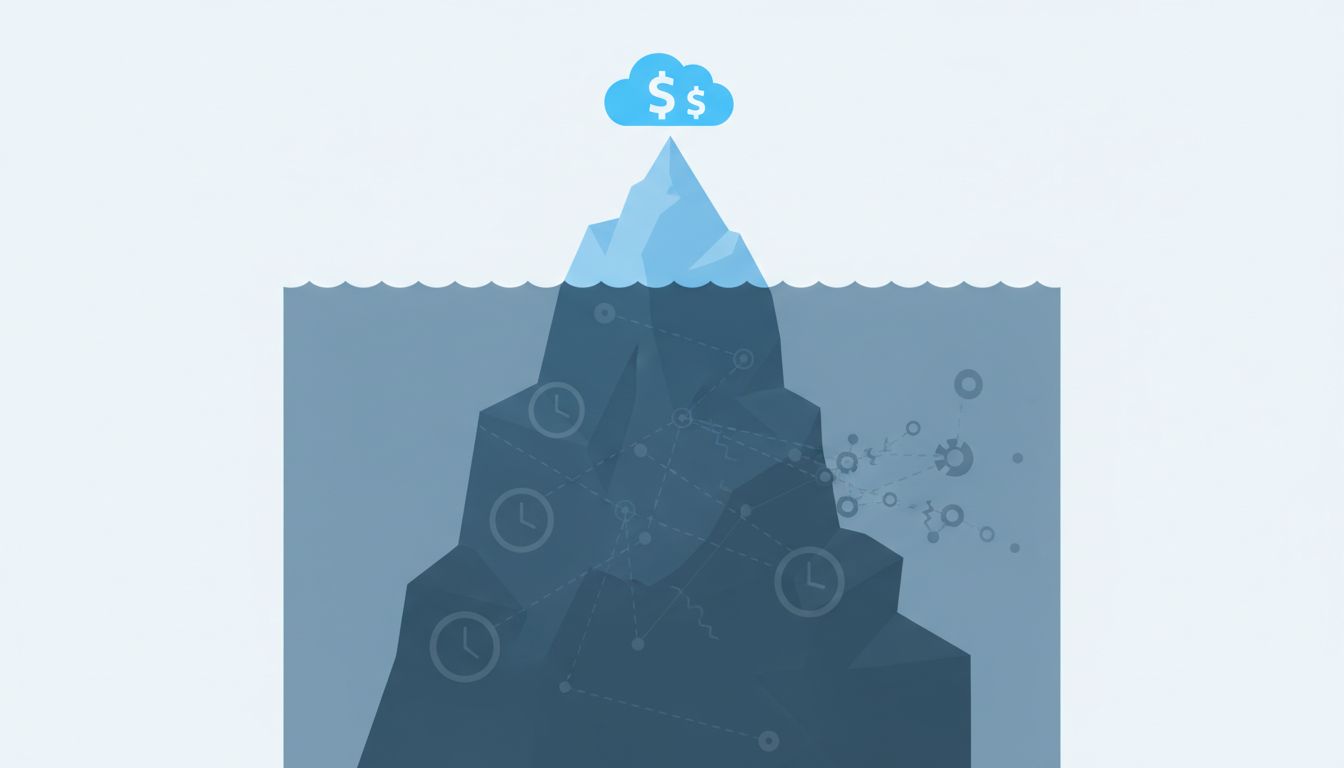
The economics of planned obsolescence favor software degradation over hardware buybacks. Here's the actual math behind that choice.
The cost of multitasking isn't just lost time. Each switch teaches your brain to crave interruption, making sustained focus physically harder over time.
The productivity optimization community has it backwards. The people outperforming them aren't using better systems. They're using fewer ones.
Google knew Glass would fail commercially. They launched it anyway, and the reasons why reveal something uncomfortable about how big tech actually operates.
The founders who agonize over domains before writing a line of code are solving the wrong problem. Here's what the successful ones actually understood.
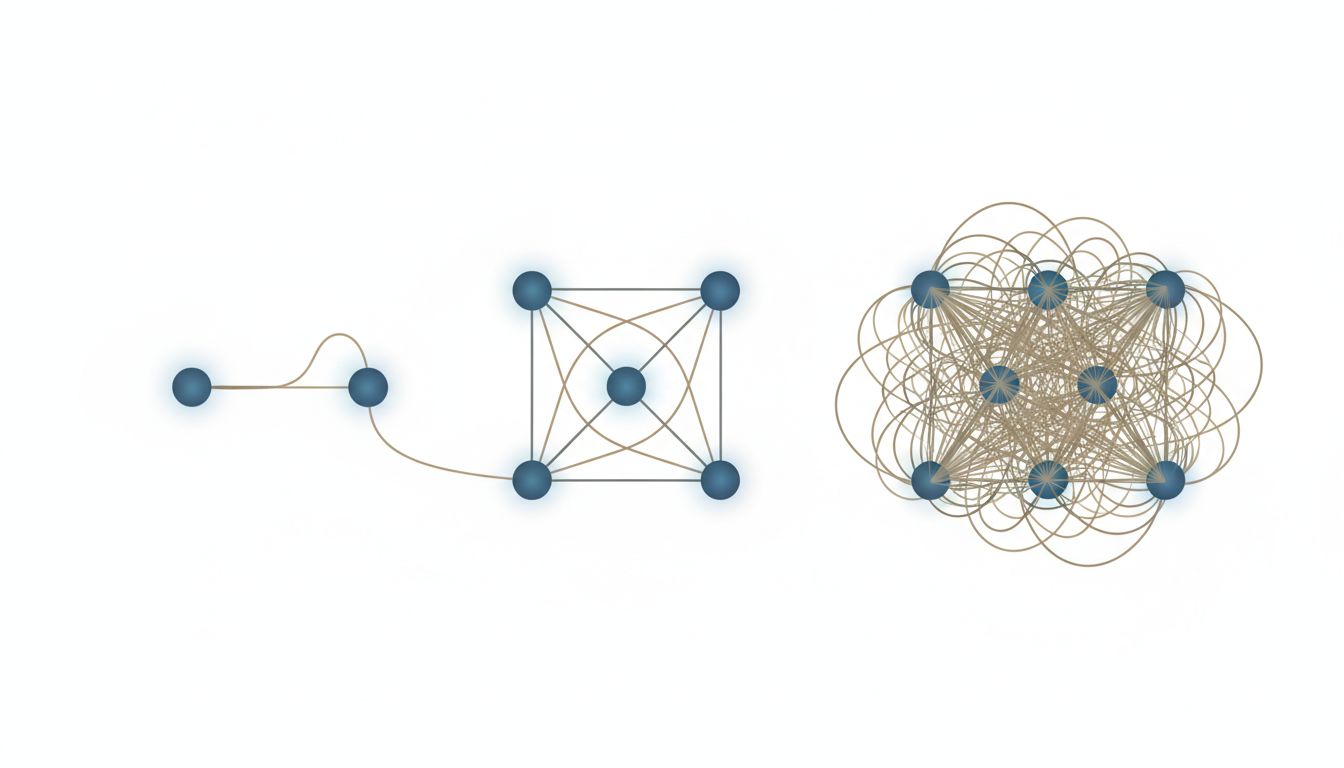
The real reason codebases become impossible to navigate has nothing to do with arrogance or ego. It's a time problem dressed up as a skill problem.
The same architecture that lets an AI master chess in hours also means it can't add new knowledge without overwriting the old. Here's why that tradeoff is structural, not a bug.
It's not nostalgia. The hardware hasn't improved. The software around it has quietly gotten heavier in ways that raw specs don't capture.
Controlled defect injection sounds reckless. It's actually one of the more rigorous things a software team can do.
Join thousands of readers who get our weekly breakdown of the most important stories in technology.
Free forever. Unsubscribe anytime.