The Meeting You Canceled This Morning Was Never Necessary
Shopify's meeting purge revealed something most teams already sense: the default isn't too many meetings. It's that meetings form without anyone deciding they should exist.
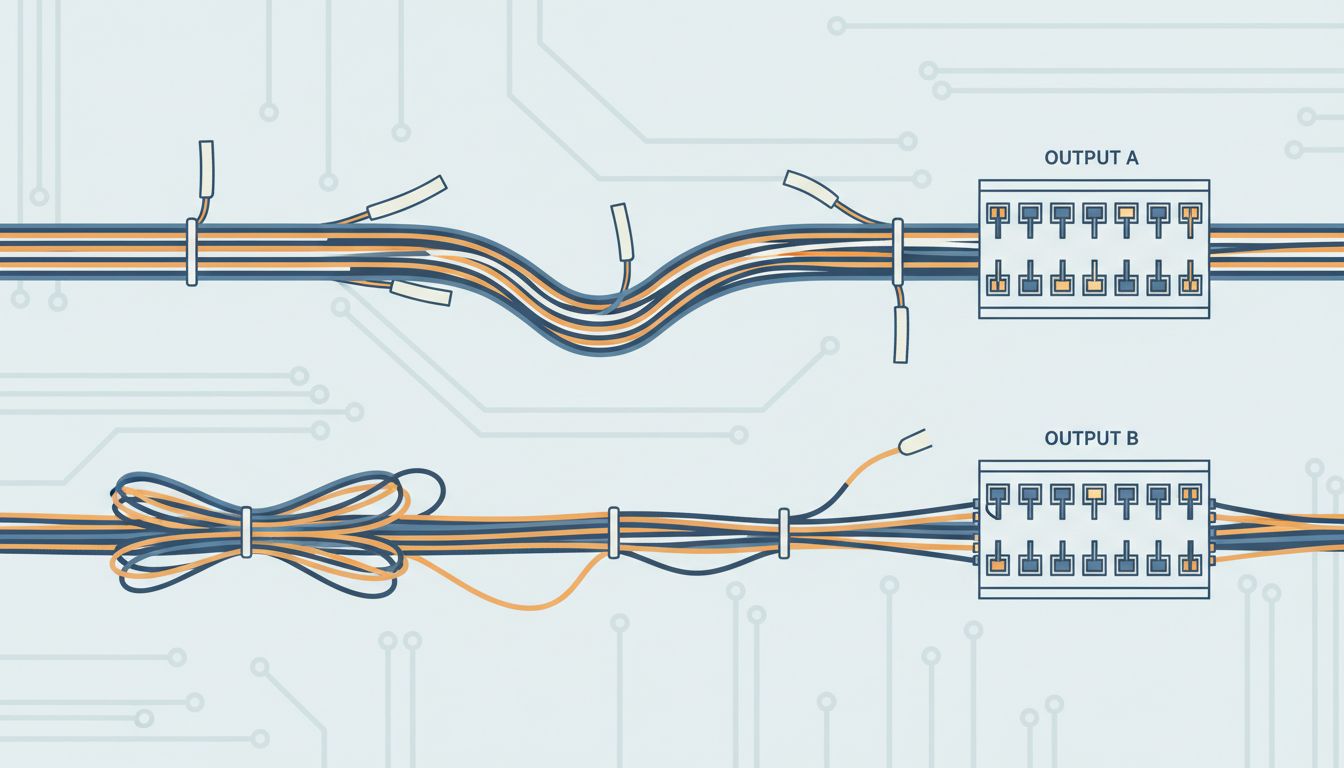
A green build means your tests passed, not that your software works. These are different things, and confusing them is expensive.
The graveyard of acquired-and-abandoned startups looks like corporate waste. It is actually a deliberate strategy, and it works.
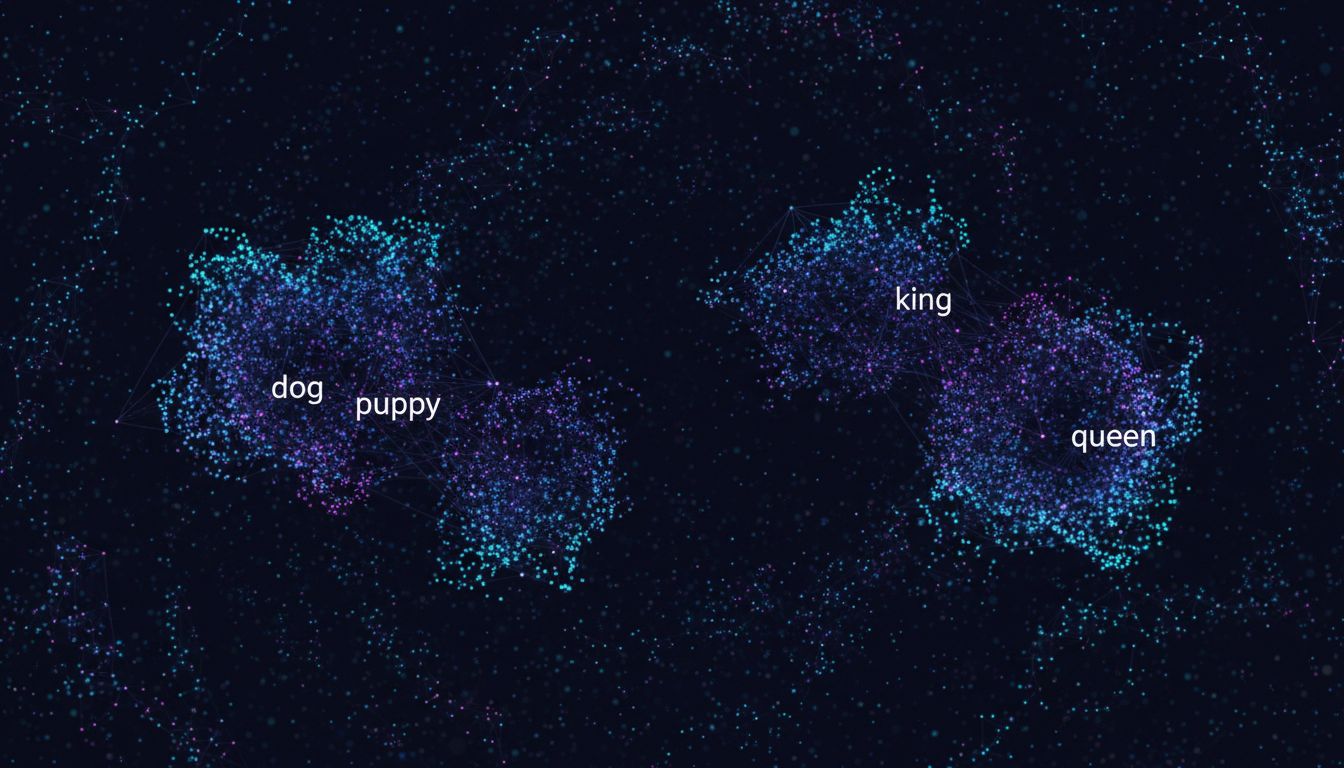
Vector databases power most modern AI search and retrieval. Here is what they actually contain, and why it matters for understanding how AI works.
The skills that make a good technical writer and the skills that make a good prompt engineer are the same skills. One team's accidental discovery proves it.
Clean, readable code is a virtue. But the industry has quietly elevated it above correctness, performance, and architectural soundness — and that's a problem worth naming.
Time zone bugs are some of the most deceptive in software. Here's what actually happens inside a database when the clocks don't agree.
The apps people trust most aren't trying to maximize your time on screen. They're optimizing for something more durable: the feeling that they work.
It looks like bad design. It's actually a deliberate business decision with a specific logic behind it.
The middle tier exists to make the top tier feel reasonable. The bottom tier exists to make you feel like you have a choice.
When Google led a $300M investment round in Anthropic, it looked like self-sabotage. The logic behind it reveals how large tech companies actually think about existential risk.
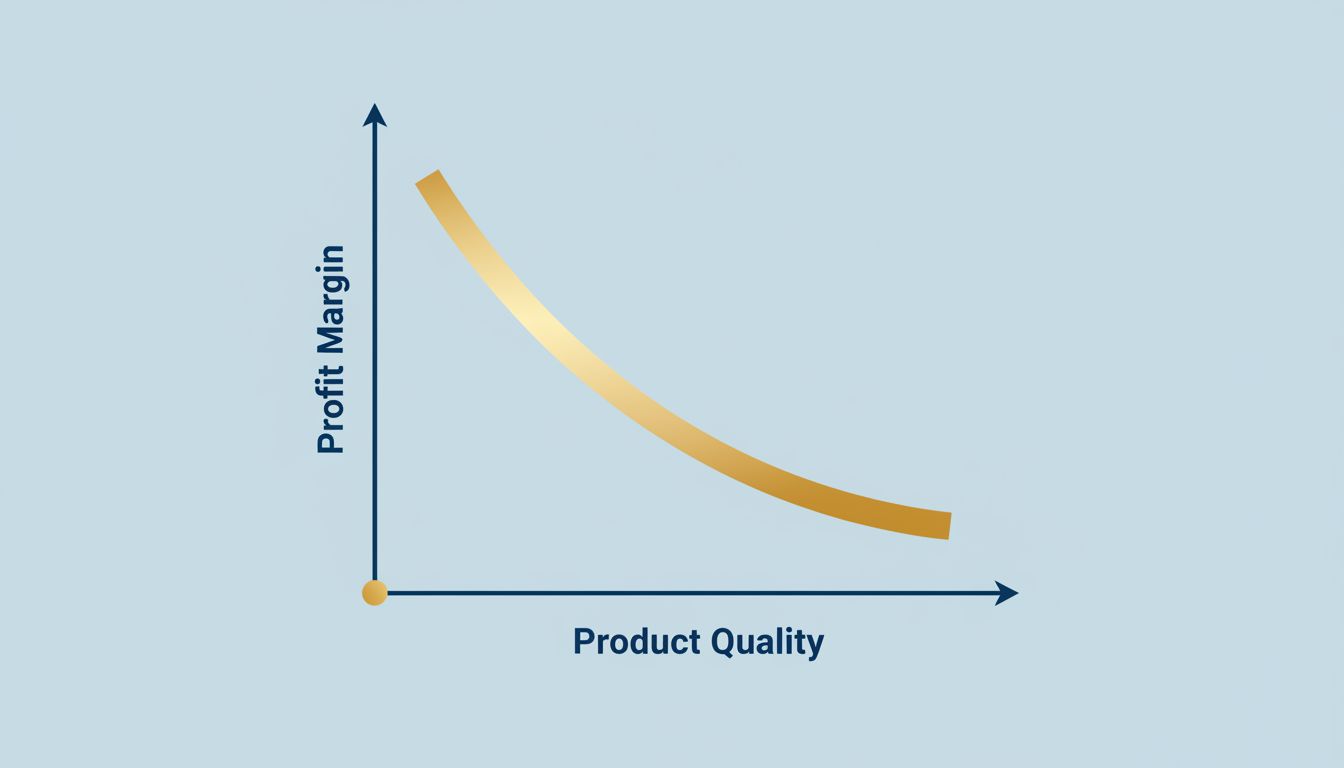
Tech's biggest companies don't maximize profit on their best products. They extract it from their worst ones. Here's the structural reason why.
Every major tech acquisition failure has the same root cause. It has nothing to do with integration problems or culture clash.
Spreading work across a phone, laptop, and tablet feels productive. The cognitive science says otherwise, and the mechanism is worth understanding.
The most productive people you know are not using the hottest new tool. They have built workflows so well-structured they outlast any single piece of software.
A close look at how one company's radical scheduling overhaul revealed why calendar software fails not from bad features, but from a flawed model of what time management actually is.
A product team's experiment with tool-free thinking time produced an unexpected result: the work got better and moved faster.
The waitlist, the invite code, the cryptic landing page. Deliberate obscurity is a growth strategy, and it works because scarcity is a feeling you can manufacture.
Customer discovery is gospel in startup culture. But the companies that built durable value often ignored what customers said they wanted.
Join thousands of readers who get our weekly breakdown of the most important stories in technology.
Free forever. Unsubscribe anytime.